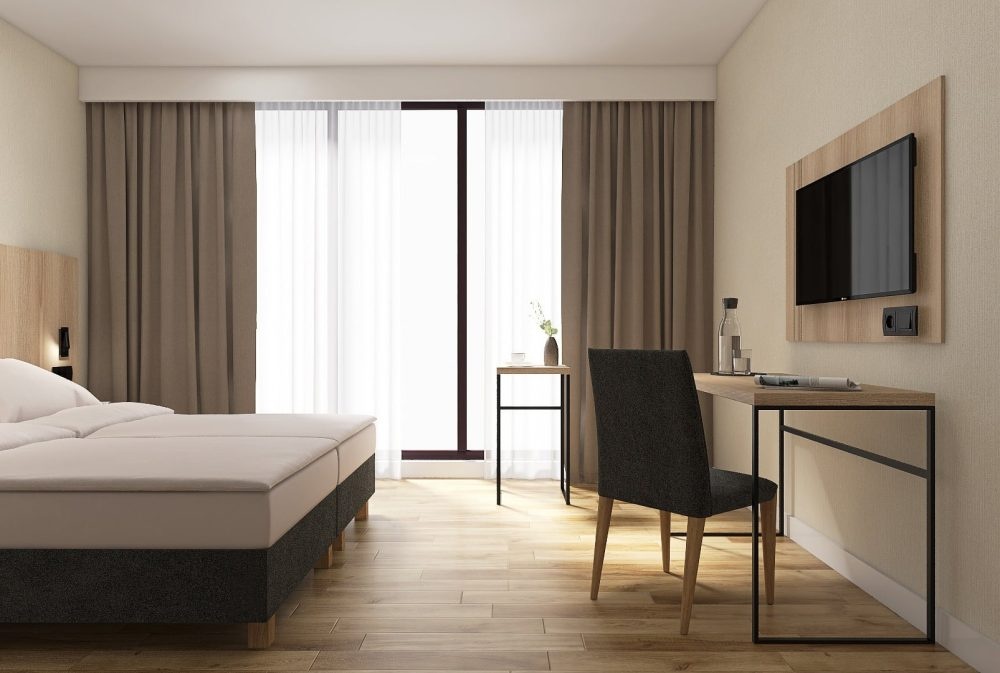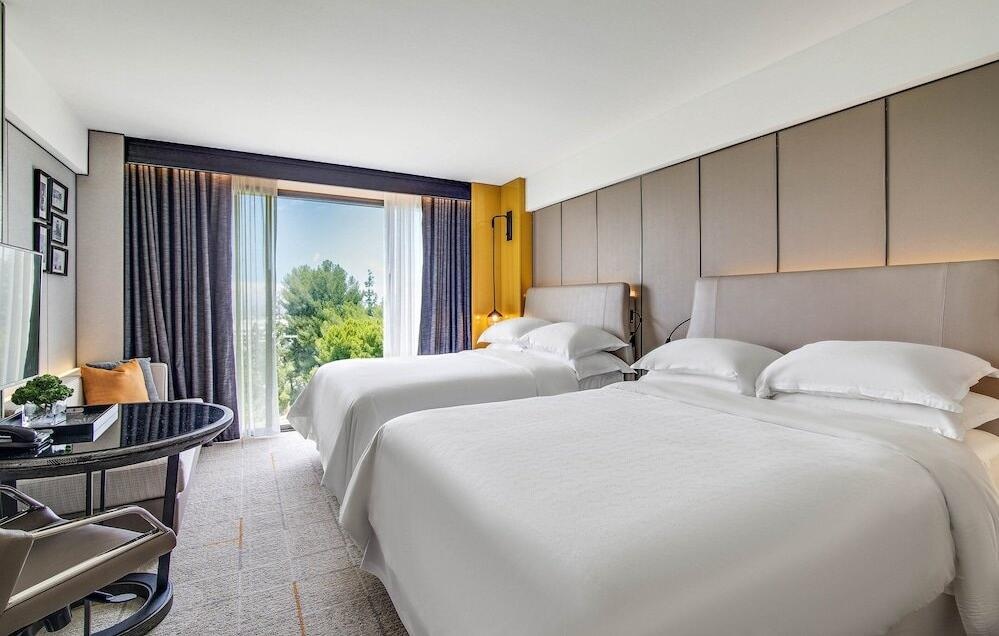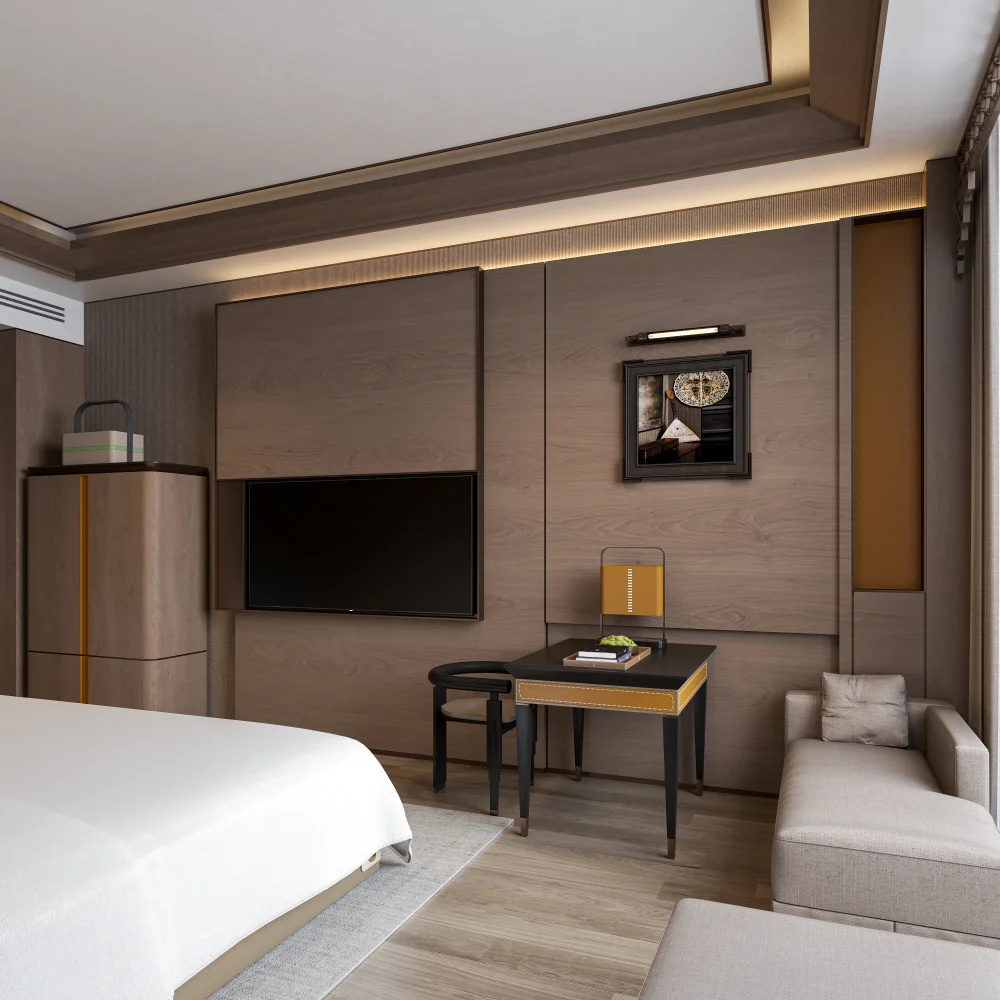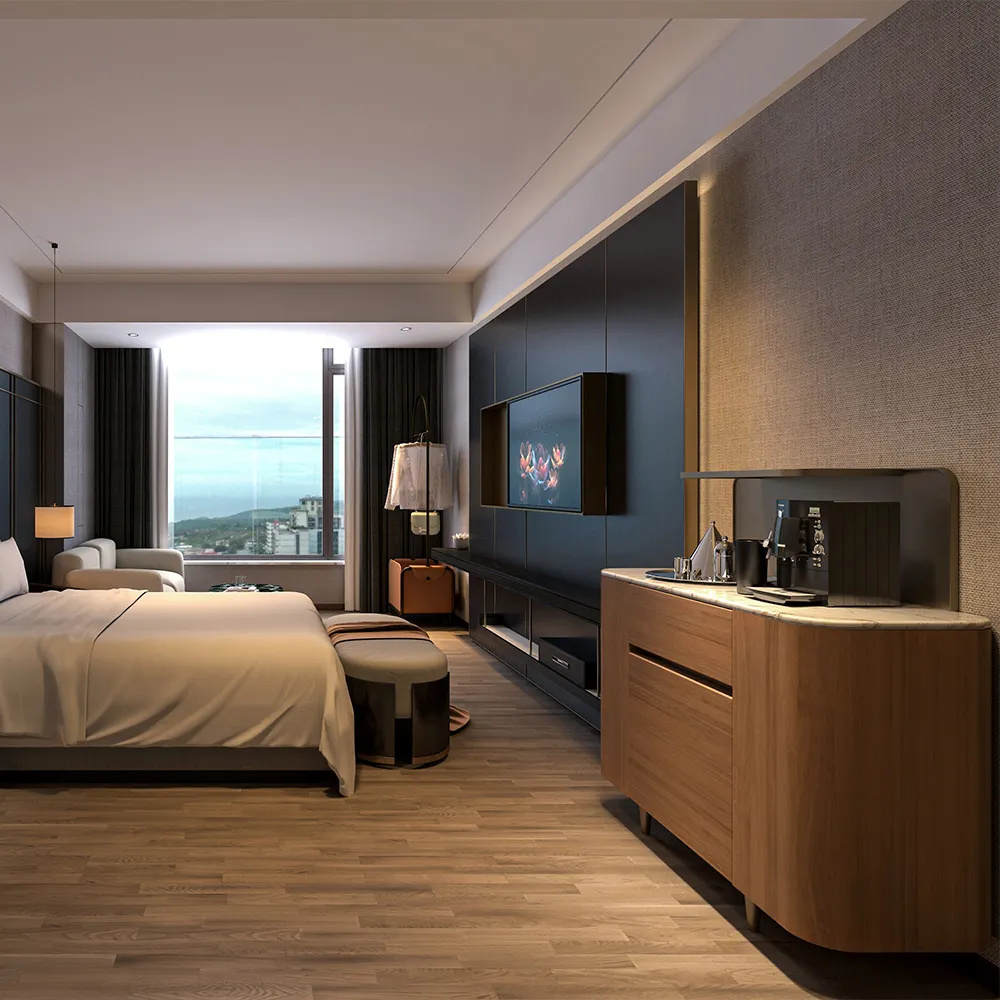
Integrating Power Outlets and Reading Lights in Hotel Headboards
Thứ 6, 06/03/2026
Administrator
387
Modern hotel guestrooms increasingly integrate power outlets and reading lights directly into the headboard to improve guest convenience. While this design enhances comfort and functionality, even minor miscalculations during planning or installation can create ongoing maintenance issues. This article explores how thoughtful coordination prevents costly long-term repairs.
1. Why Integrated Headboards Are Popular in Modern Hotels
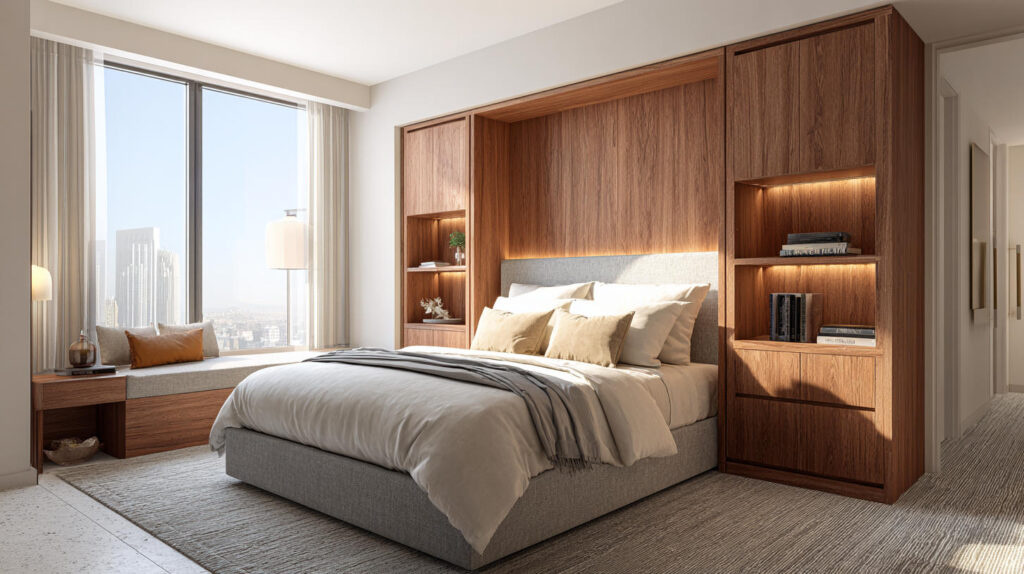
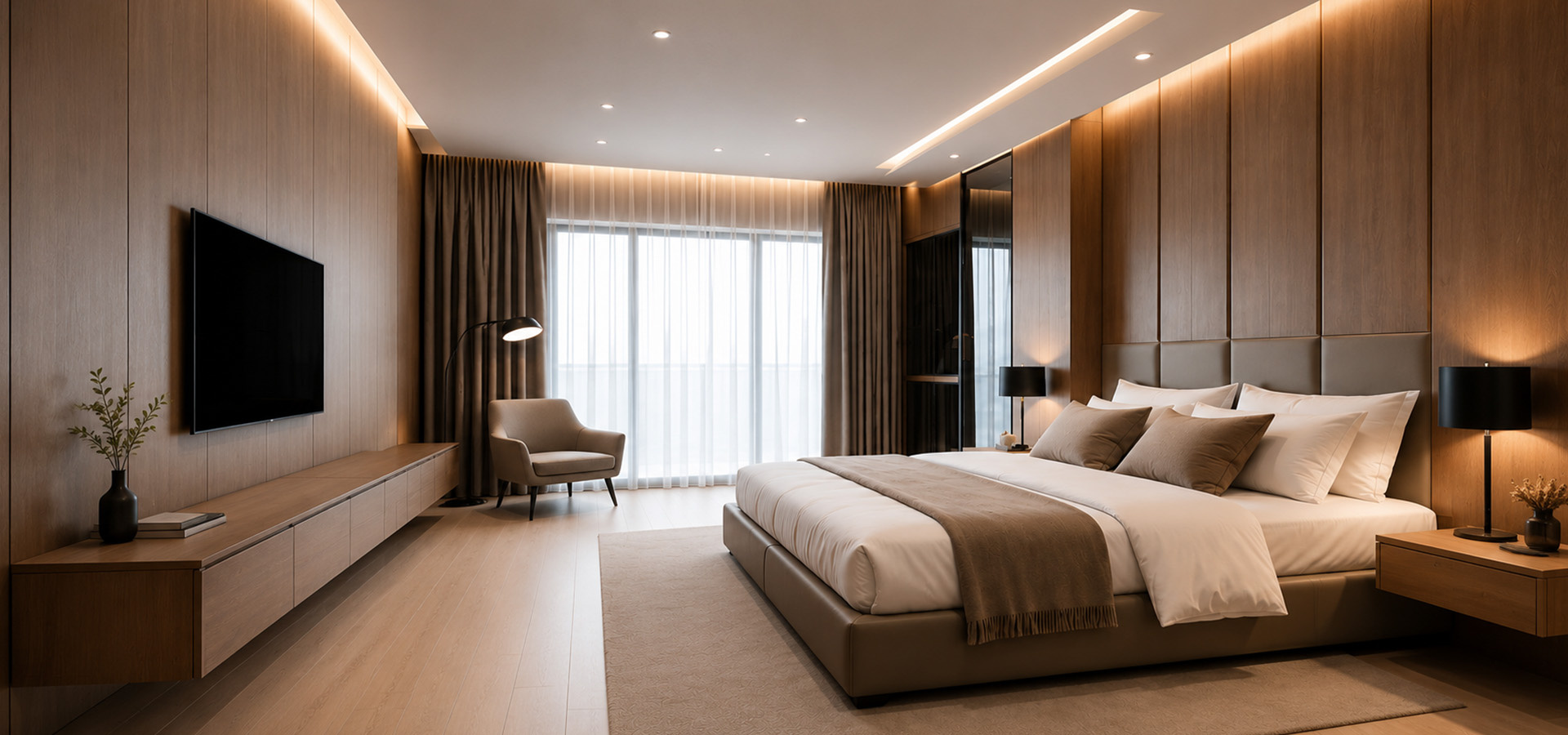
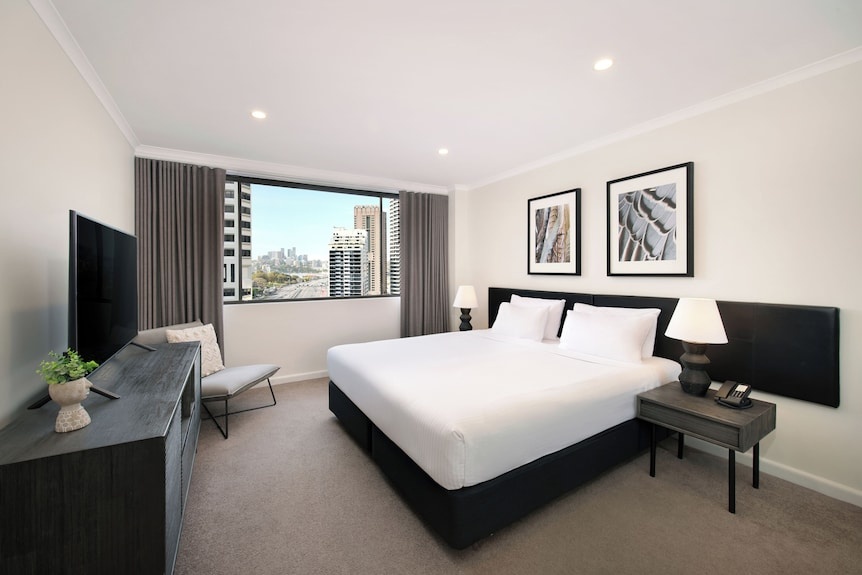
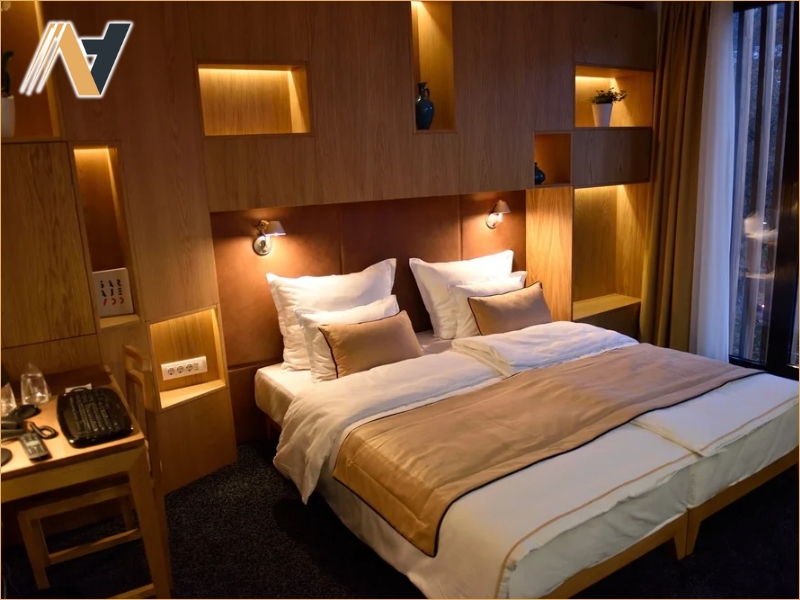
In contemporary hotel design, the headboard has evolved beyond a decorative element. It increasingly functions as a multifunctional panel that combines lighting, charging points, and control switches within easy reach of the guest. This integration allows designers to enhance convenience while maintaining a clean and refined bedroom environment.
1.1 Convenience for guests
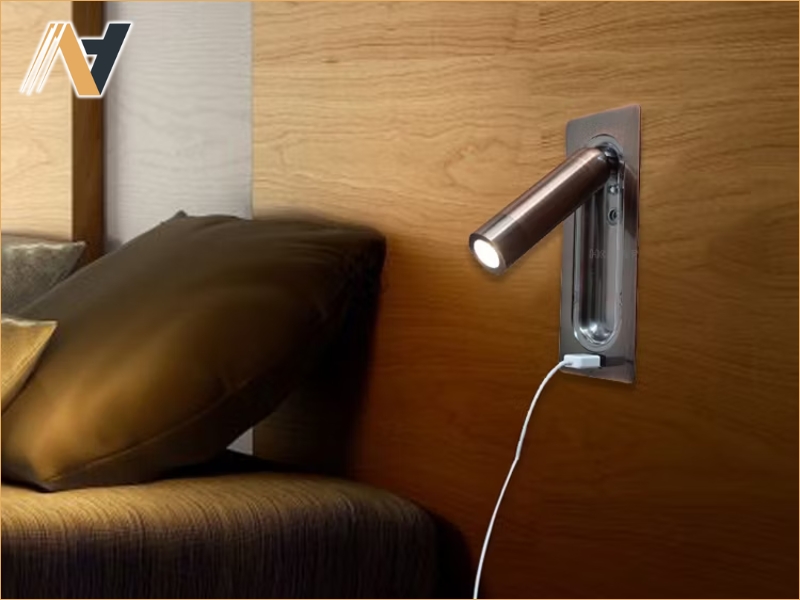
Placing reading lights and power outlets directly within the headboard allows guests to access essential functions without leaving the bed. Charging devices, adjusting lighting, or enjoying a late-night read becomes effortless. This thoughtful positioning contributes to a more comfortable and intuitive guest experience.
1.2 Cleaner and more organized design
Integrating electrical elements into the headboard reduces visible cables and scattered wall fixtures. By embedding these components within the furniture structure, guestrooms appear more orderly and visually balanced. The result is a calm and elegant atmosphere that aligns with modern hospitality aesthetics.
1.3 A growing expectation in hospitality design
What was once considered a premium feature has gradually become a standard expectation in many hotels. Guests today assume that bedside lighting and charging ports will be conveniently accessible. Integrated headboards therefore help properties meet contemporary comfort standards while maintaining a polished design language.
2. Common Planning Mistakes That Lead to Maintenance Issues
Although integrating outlets and reading lights into a headboard appears straightforward, the execution requires careful planning. Small errors in positioning, structural allowance, or technical coordination can result in recurring maintenance problems once the hotel begins operating. What seems like a minor miscalculation during installation can quickly turn into a long-term operational inconvenience.
2.1 Incorrect height and positioning
The placement of outlets and reading lights must align with the natural posture of a guest lying in bed. If components are positioned too high, too low, or too far from the mattress edge, guests may find them uncomfortable to reach. Poor positioning can also cause interference with pillows or bedside furniture.
2.2 Insufficient space for electrical components
Headboard structures sometimes lack the internal depth needed to accommodate wiring, drivers, or lighting fixtures. When electrical components are forced into tight spaces, technicians may struggle to access them later for repair. Over time, this limitation can turn simple maintenance tasks into complex interventions.
2.3 Lack of service access
One of the most common oversights in integrated headboards is the absence of maintenance access panels. Without removable sections or concealed service openings, even replacing a small electrical component may require partial disassembly of the headboard. For hotels operating at full occupancy, such repairs can become disruptive and costly.
3. Coordination Between Furniture and Electrical Systems
Integrating outlets and reading lights into a headboard is not purely a furniture task. It requires precise coordination between interior designers, furniture manufacturers, and electrical engineers. When these disciplines work in isolation, even a well-designed headboard can encounter alignment problems during installation. Careful coordination ensures that every element fits seamlessly once the room is completed.
3.1 Early planning during the design stage
Electrical layouts should be considered at the same time the headboard is being designed. This allows furniture structures to include proper cable channels, mounting points, and space for lighting fixtures or power modules. Early coordination prevents last-minute modifications that often lead to installation complications.
3.2 Accurate shop drawings and measurements
Precise shop drawings play a crucial role in aligning furniture openings with electrical points on the wall. Even a small deviation between the construction drawing and the actual installation location can cause outlets or lighting fixtures to misalign with the headboard panel. Clear documentation and careful measurement help avoid these costly adjustments.
3.3 On-site coordination during installation
During the final stages of construction, furniture installers and electrical technicians must work closely together. Ensuring that wiring connections, lighting fixtures, and outlet modules are correctly positioned before the headboard is fixed in place reduces the risk of future service issues. Proper coordination at this stage often determines whether the system will perform smoothly for years.
4. Designing for Long-Term Maintenance
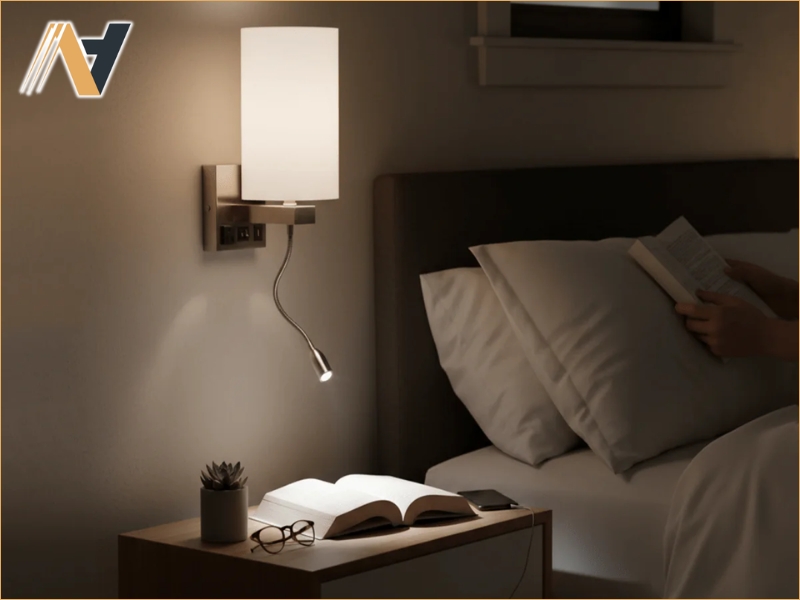
In hotel operations, furniture must not only look refined but also support efficient maintenance. Integrated headboards that contain electrical components require thoughtful detailing so technicians can access and service them without disrupting the guestroom. A well-designed system ensures that small technical issues can be resolved quickly without dismantling major furniture elements.
4.1 Hidden service access
Headboards that integrate lighting and power outlets should include discreet access panels. These removable sections allow maintenance teams to reach wiring, drivers, or electrical modules without affecting the visible surfaces of the furniture. When access is carefully planned, routine repairs become faster and far less disruptive.
4.2 Modular component design
Using standardized outlet modules and replaceable lighting fixtures simplifies future repairs. Instead of replacing an entire headboard element, technicians can remove and install individual components when needed. This modular approach significantly reduces downtime in guestrooms.
4.3 Durable electrical fittings
Hotels experience frequent use, and bedside electrical components are among the most frequently touched elements in a room. Choosing high-quality outlets, switches, and reading lights helps reduce failure rates over time. Reliable hardware ensures that integrated headboards remain both functional and visually refined throughout years of operation.
5. Manufacturing Considerations for Integrated Headboards
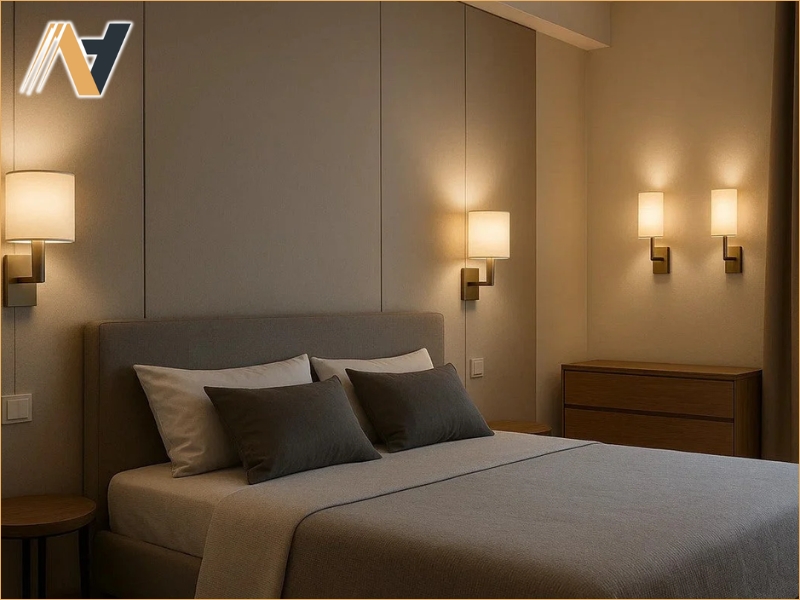
From a manufacturing perspective, integrating outlets and reading lights into a headboard requires careful detailing long before the furniture reaches the hotel site. Structural design, internal wiring paths, and component placement must all be planned precisely to ensure smooth installation and reliable long-term performance.
5.1 Structural reinforcement around electrical zones
Areas that contain outlets, switches, or lighting fixtures must be reinforced within the headboard structure. This additional support prevents loosening over time and protects internal wiring from stress caused by daily use. Proper reinforcement ensures that frequently used components remain stable and secure.
5.2 Internal cable management
Well-designed headboards include concealed cable channels that guide wiring neatly through the furniture body. Organized cable routing not only protects electrical lines from damage but also allows technicians to trace connections more easily during maintenance. This internal structure contributes to both safety and efficiency.
5.3 Pre-installation testing and assembly checks
Before delivery, many manufacturers assemble and test integrated headboard components within the factory. Lighting fixtures, outlet modules, and wiring connections are checked to ensure proper alignment and functionality. This step helps detect potential issues early and ensures a smoother installation process once the furniture arrives at the hotel project site.
Conclusion
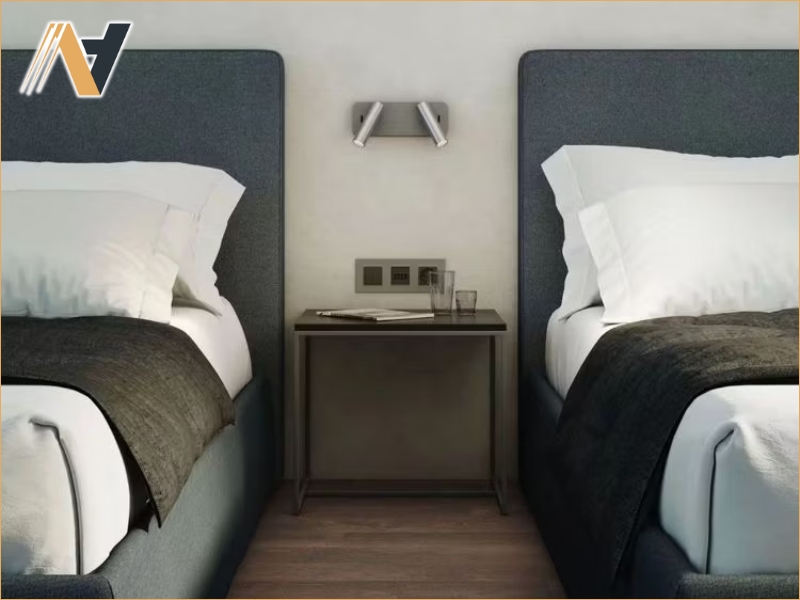
Integrating power outlets and reading lights into hotel headboards brings clear benefits for guest comfort and modern room functionality. Yet the success of this solution depends on precise planning, careful coordination, and thoughtful manufacturing details. A small misalignment in electrical positioning or structural design can quickly lead to recurring maintenance issues once the hotel begins operating.
When electrical integration is handled correctly, headboards become elegant multifunctional elements that enhance both usability and visual refinement in the guestroom. For hotels seeking reliable and well-engineered solutions, Ngoc Hoang Anh provides premium Vietnam hotel furniture OEM designed to balance aesthetics, durability, and long-term operational efficiency.
Contact us today for expert consultation and bespoke hospitality furniture manufacturing tailored to your next hotel project.
-----
NGOC HOANG ANH TRADING COMPANY LIMITED
Tax Code: 3702874413
Address: No. 288/28/10 Huynh Van Luy Street, Zone 7, Phu Loi Ward, Ho Chi Minh City, Vietnam
Warehouse: No. 1/91, Thuan Giao 02 Street, Binh Thuan 2 Residential Quarter, Thuan Giao Ward, Ho Chi Minh City, Vietnam
Phone/Whatsapp/Wechat: +84342076666
Email: info@ngochoanganh.com.vn