Hotel Interior Timeline Management for On-Time Opening
Thứ 2, 09/02/2026
Administrator
324
Hotel interior delivery directly influences the opening date and the first guest impression. Well structured timeline management coordinates design, production, and installation into one seamless flow. In this article, Ngoc Hoang Anh shares practical approaches to keep projects on schedule without compromising refinement.
1. Understanding the Critical Path of Hotel Interiors
The interior timeline of a hotel is shaped by a delicate chain of interrelated activities. Every furniture piece, decorative element, and built-in fixture depends on decisions made weeks or even months earlier. Recognizing this critical path allows project teams to protect the opening date while preserving the refined character of the property.
1.1 Identifying Key Milestones
Successful projects begin with clearly defined milestones. Approval of shop drawings, completion of mockup, material procurement, and factory production form the backbone of the schedule. When these moments are mapped realistically, stakeholders gain a transparent view of progress and can anticipate potential pressure points long before they become threats.
1.2 Interdependence with Other Trades
Hotel interiors never stand alone. Furniture installation relies on finished flooring, stable MEP systems, and coordinated architectural details. Understanding these dependencies helps avoid situations where exquisite furniture arrives to an unprepared site, protecting both the timeline and the condition of carefully crafted pieces.
2. Planning from Design to Procurement
A disciplined plan that connects design decisions with procurement strategy is the foundation of an on-time hotel opening. Interior elements often require long lead times and specialized craftsmanship, making early coordination essential. When design development and purchasing move in harmony, the project gains stability and confidence.
2.1 Early Design Freeze
Freezing the design at the right moment protects the entire schedule. Once layouts, materials, and specifications are confirmed, manufacturers can secure resources and begin technical preparation. This clarity prevents late changes that ripple through production and threaten the carefully balanced timeline.
2.2 Lead Time Strategy
Each material and component follows its own rhythm. Veneer selection, custom metalwork, imported fabrics, and bespoke lighting demand different preparation periods. A thoughtful lead time strategy organizes these elements into a realistic sequence, ensuring that procurement supports production rather than becoming an unexpected obstacle.
3. Production Control in the Factory
Factory production is the heartbeat of hotel interior delivery. Even the most elegant design cannot protect the opening date without disciplined control on the manufacturing floor. Structured supervision, transparent scheduling, and consistent craftsmanship transform approved drawings into reliable furniture ready for installation.
3.1 Batch Scheduling
Organizing production into logical batches brings rhythm to complex projects. Guestroom furniture, public area pieces, and bespoke items follow different timelines and skill requirements. By grouping them strategically, manufacturers can balance capacity, maintain quality, and ensure that critical zones are completed in the order required by the site.
3.2 Quality Gates
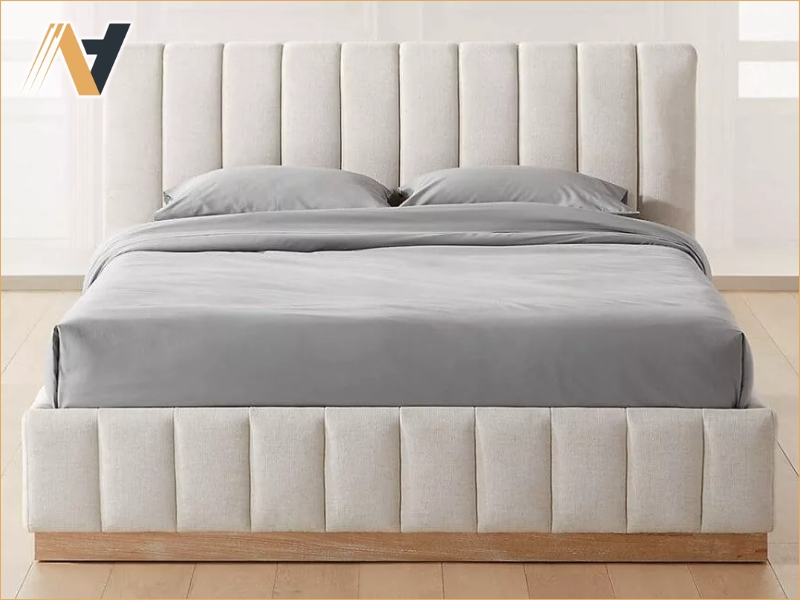
Quality checkpoints act as silent guardians of the schedule. Inspections at framing, finishing, and final assembly prevent defective items from moving forward. This approach avoids the disruptive scenario of discovering problems during installation, when corrections become expensive and time consuming.
4. Installation Coordination on Site
The site is where months of preparation finally meet reality. Even perfectly manufactured furniture can suffer delays if installation is not orchestrated with precision. Thoughtful coordination ensures that each piece arrives at the right moment and finds a space ready to receive it, preserving both schedule and elegance.
4.1 Sequencing by Zones
Dividing the hotel into logical zones brings order to a complex environment. Floors, blocks, and functional areas are prepared in stages so installation teams can work without conflict with other trades. This structured movement allows guestrooms, corridors, and public spaces to progress in harmony rather than competing for the same resources.
4.2 Protecting Finished Works
Newly installed interiors are vulnerable during the final phase of construction. Protective measures for surfaces, corners, and upholstered pieces safeguard the refined finishes that define a luxury property. Careful handling prevents unnecessary repairs and keeps the project moving confidently toward the opening date.
5. Risk Management for Opening Date
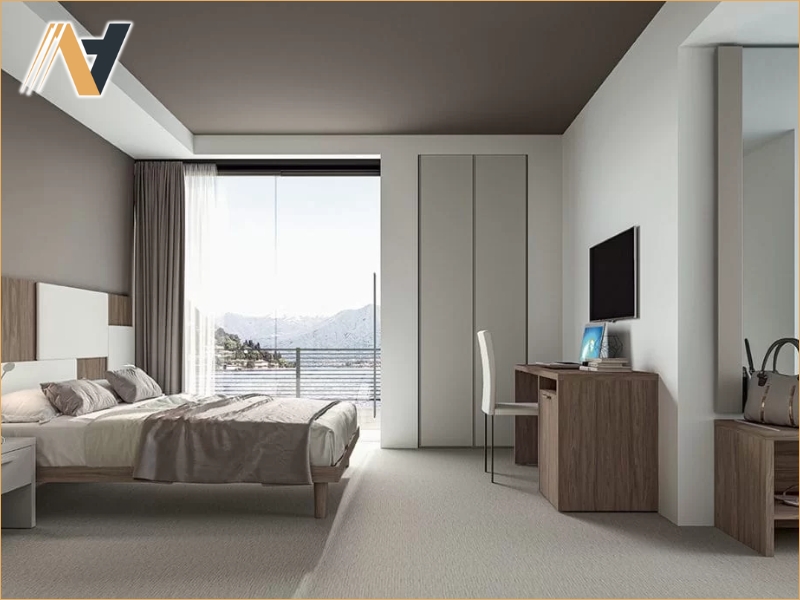
Even the most carefully planned hotel projects face uncertainty. Design adjustments, supply interruptions, or unexpected site conditions can place pressure on the opening date. A proactive approach to risk management allows teams to respond with confidence while preserving the quality and character of the interiors.
5.1 Handling Design Changes
Change is inevitable in hospitality projects, yet it must be guided with discipline. Evaluating every modification through its impact on cost, production, and installation prevents emotional decisions from disturbing the timeline. Clear approval procedures help the project evolve without losing direction.
5.2 Contingency Planning
Prepared alternatives protect the opening schedule from sudden shocks. Backup suppliers, reserve materials, and flexible installation teams create a safety net when challenges arise. This foresight ensures that the final weeks before opening remain focused on refinement rather than crisis.
Conclusion
Managing the interior timeline of a hotel requires more than scheduling skills. It demands coordination between design vision, manufacturing discipline, and site readiness so that every detail is completed without compromising the opening moment. Ngoc Hoang Anh accompanies projects through this journey with structured planning and experienced execution. Explore Vietnam hotel furniture OEM to secure a reliable partner that protects both your schedule and the refined character of your property.
Contact us today for expert consultation and bespoke hospitality furniture production.
-----
NGOC HOANG ANH TRADING COMPANY LIMITED
Tax Code: 3702874413
Address: No. 288/28/10 Huynh Van Luy Street, Zone 7, Phu Loi Ward, Ho Chi Minh City, Vietnam
Warehouse: No. 1/91, Thuan Giao 02 Street, Binh Thuan 2 Residential Quarter, Thuan Giao Ward, Ho Chi Minh City, Vietnam
Phone/Whatsapp/Wechat: +84342076666
Email: info@ngochoanganh.com.vn