How Interior Materials Influence Guest Emotions
Thứ 6, 27/02/2026
Administrator
282
Interior materials speak directly to the senses before any design concept is understood. The warmth of wood, the softness of fabric, and the coolness of stone quietly influence how guests feel the moment they enter a room. In this article, Ngoc Hoang Anh explores how material choices shape emotional experiences in hospitality.
1. Materials as Emotional Triggers
Materials greet guests before any service or view can speak. The moment a hand rests on a tabletop or a foot touches the floor, an unspoken dialogue begins between body and space. In hospitality interiors, materials become quiet emotional triggers that shape trust, relaxation, and a sense of belonging.
1.1 The Language of Wood
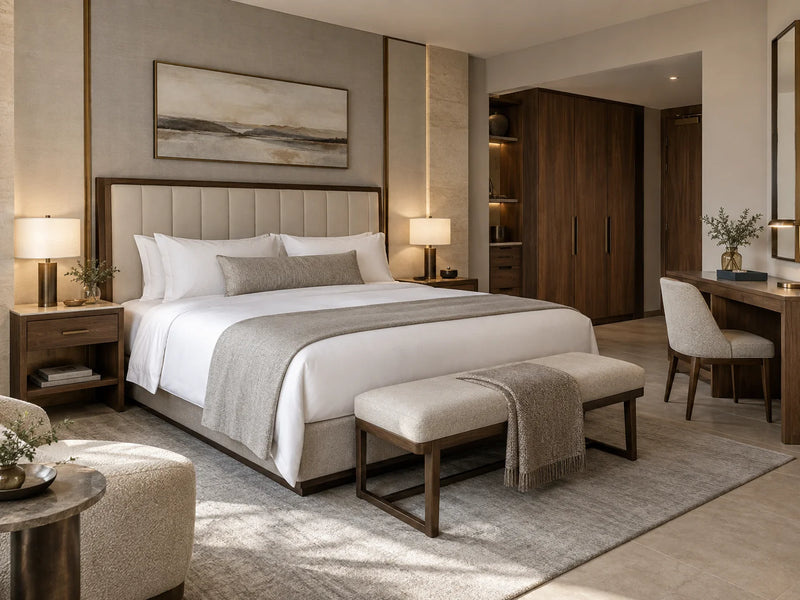
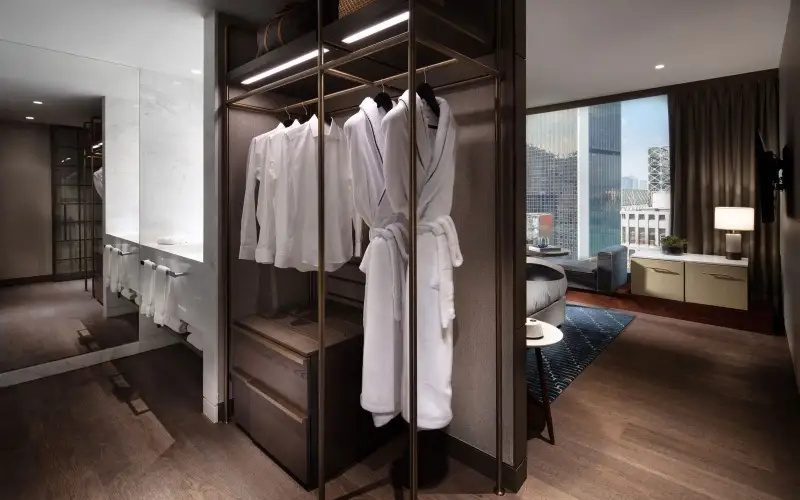
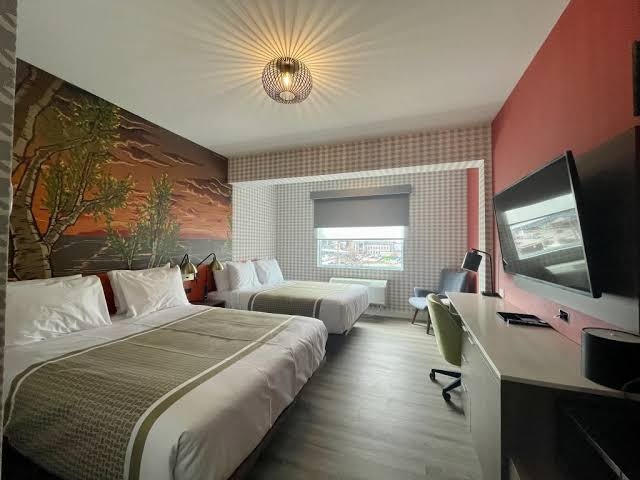
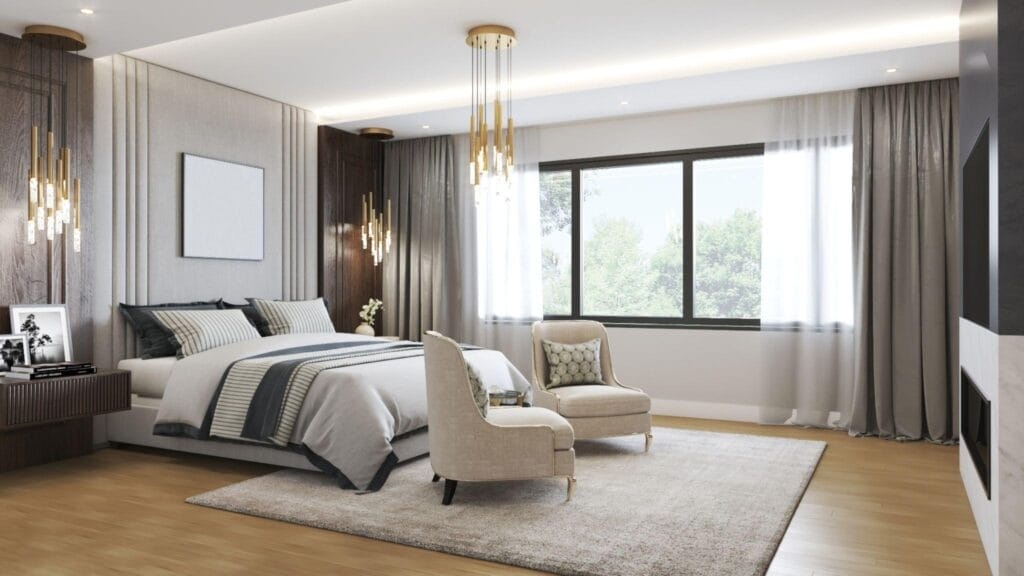
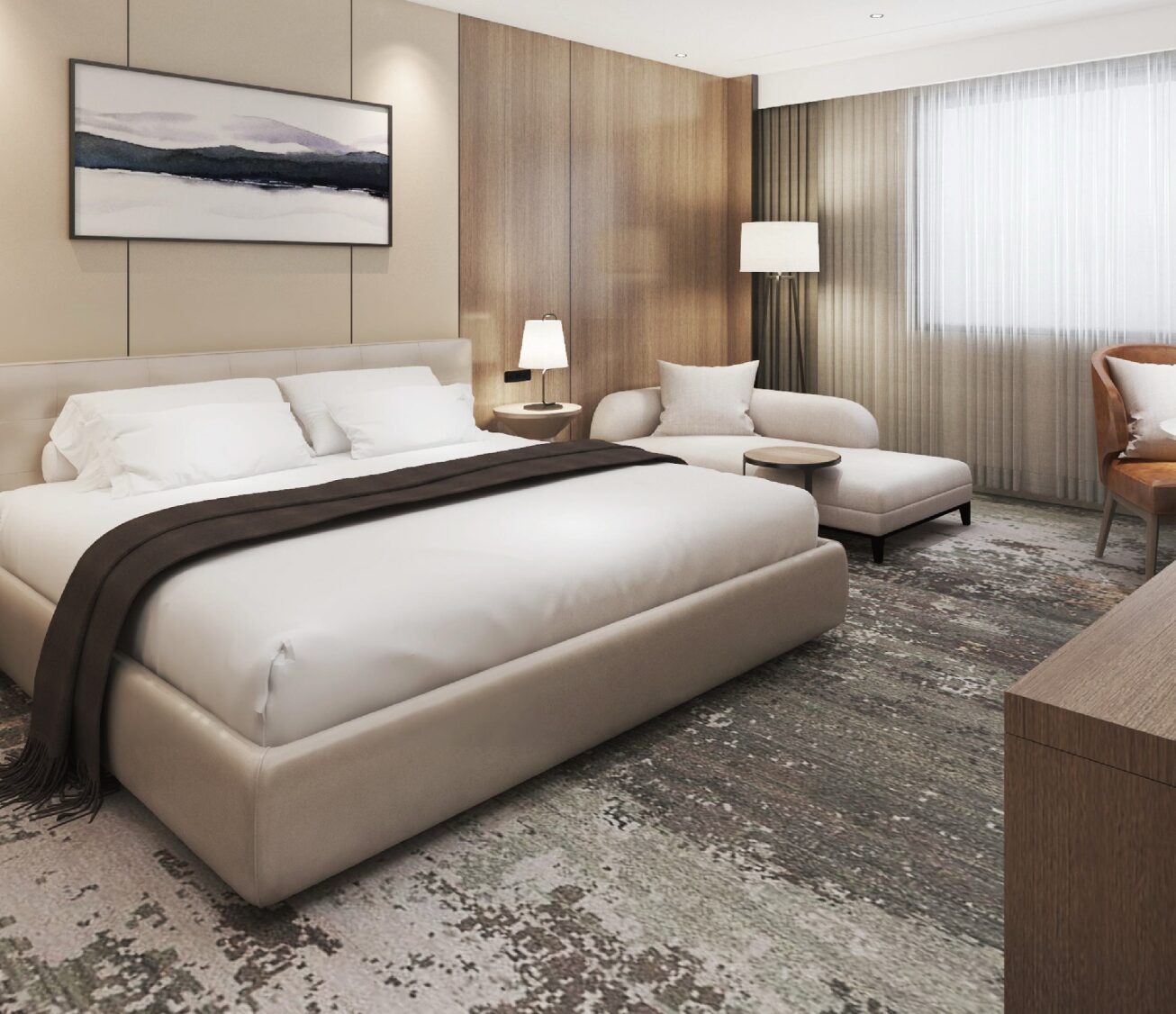
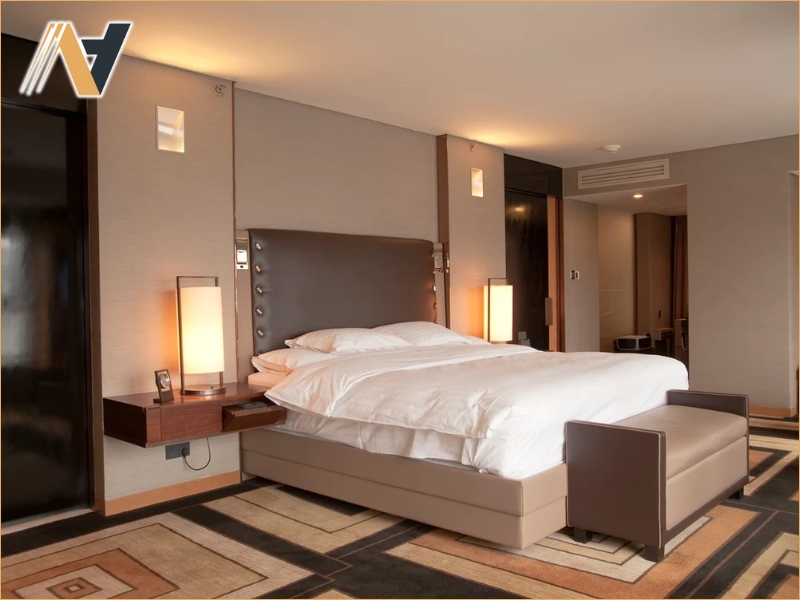
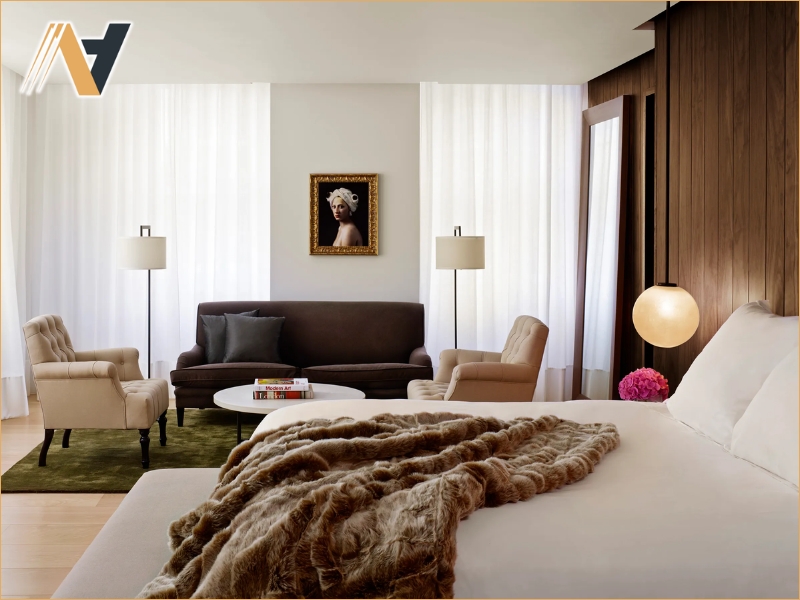
Wood carries a natural warmth that feels instinctively protective. Its subtle grains and gentle scent remind guests of familiar places, softening the distance of travel. Whether expressed in a headboard or a wardrobe, timber introduces a human rhythm that calms the mind and invites rest.
1.2 The Comfort of Fabric
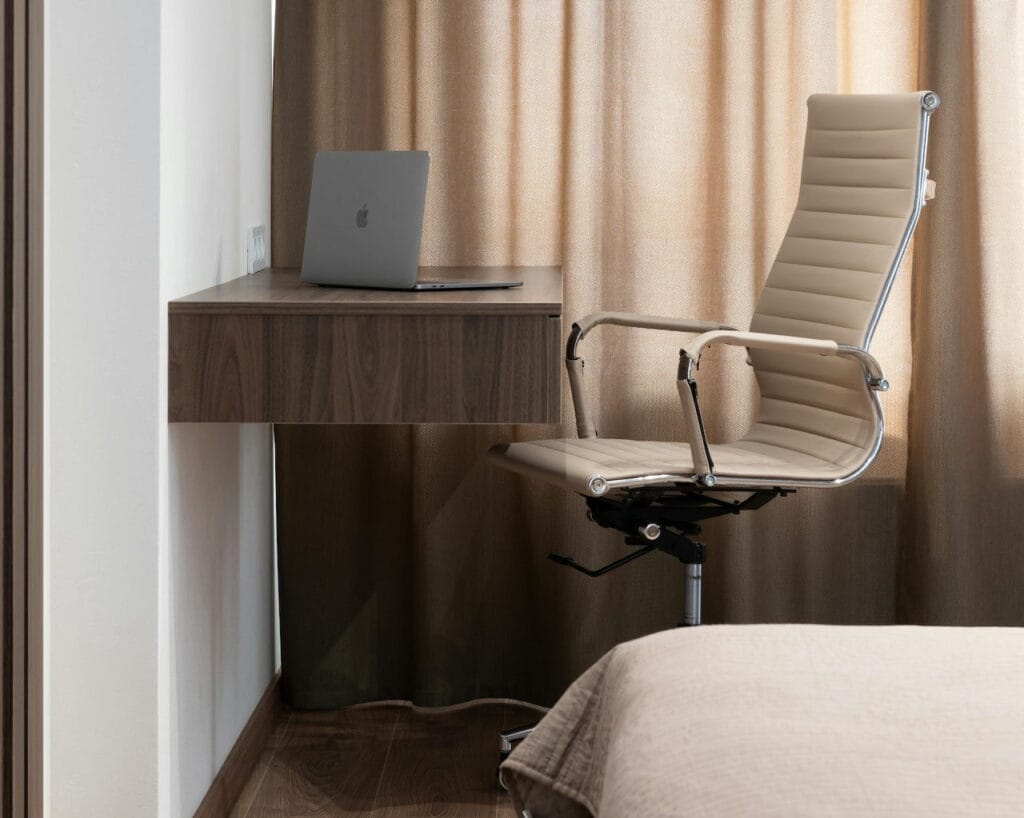
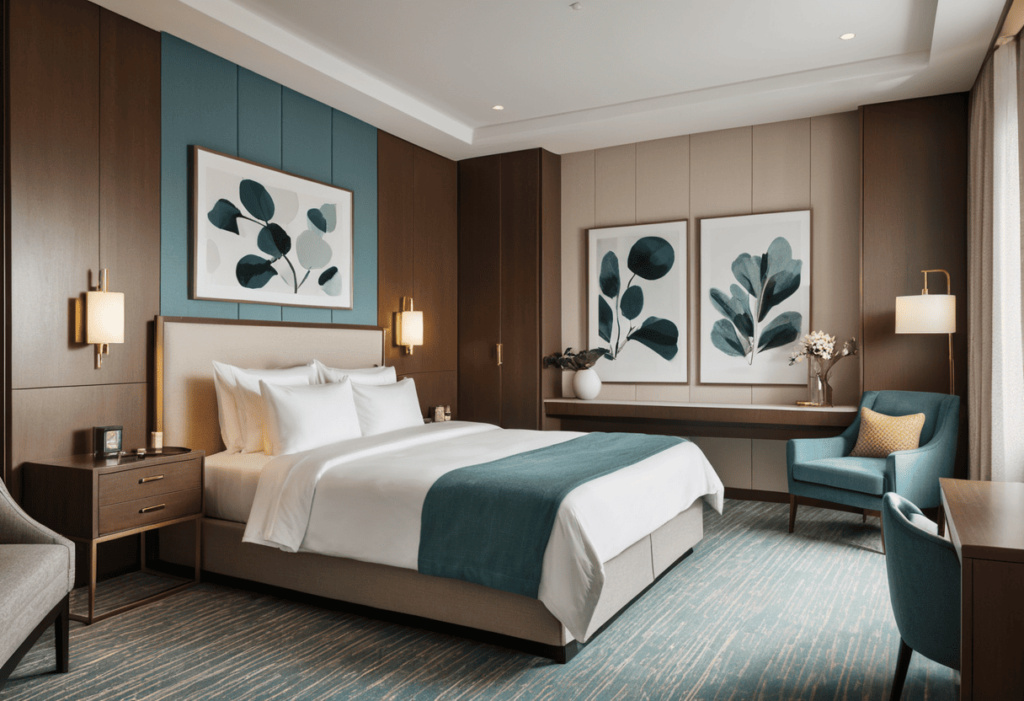
Fabrics embrace the body in a way solid materials cannot. The softness of upholstery, the delicate touch of curtains, and the resilience of woven carpets create layers of comfort around daily routines. Through texture and flexibility, fabric tells guests that the room is prepared to care for them.
1.3 The Cool Confidence of Stone and Metal
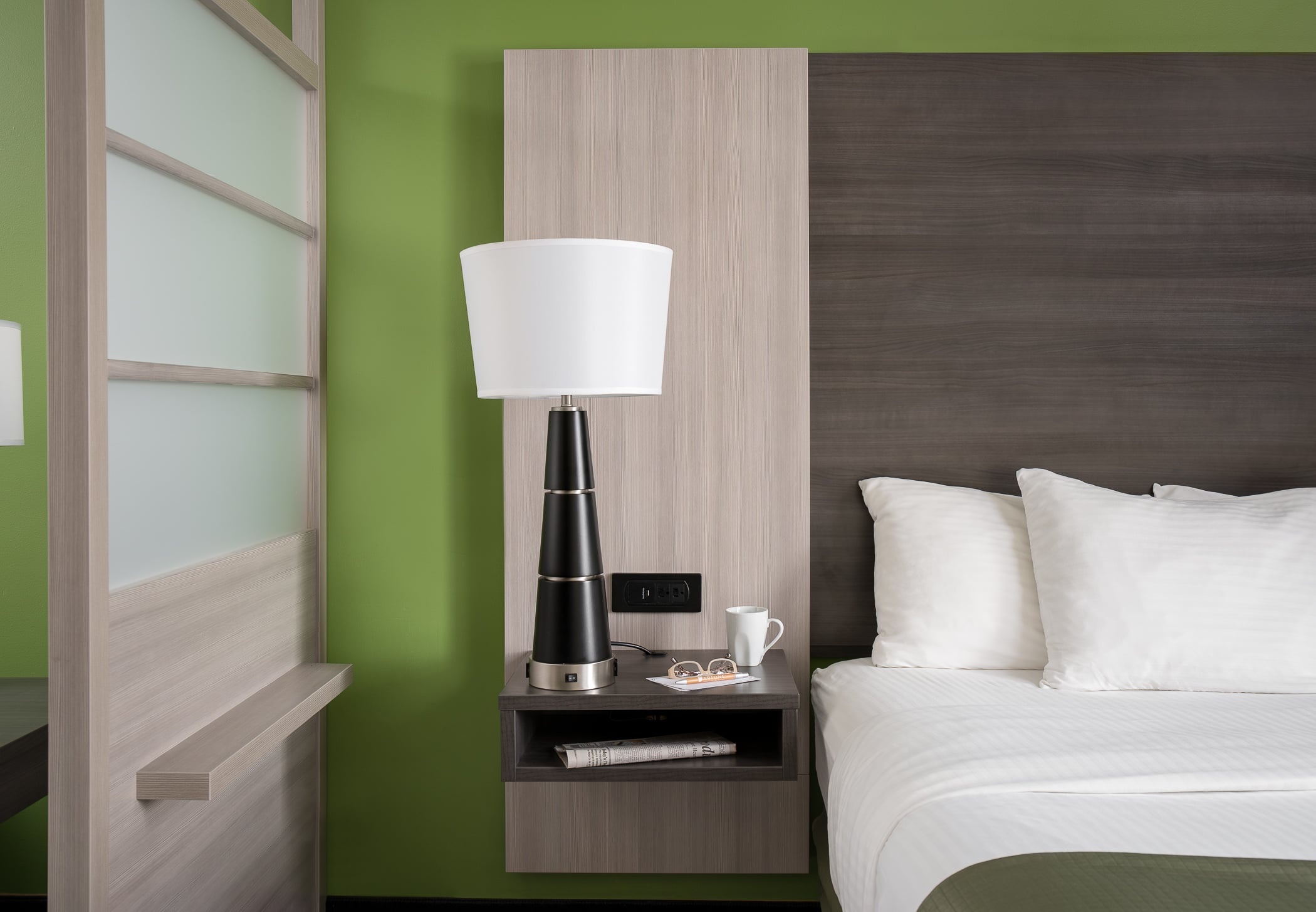
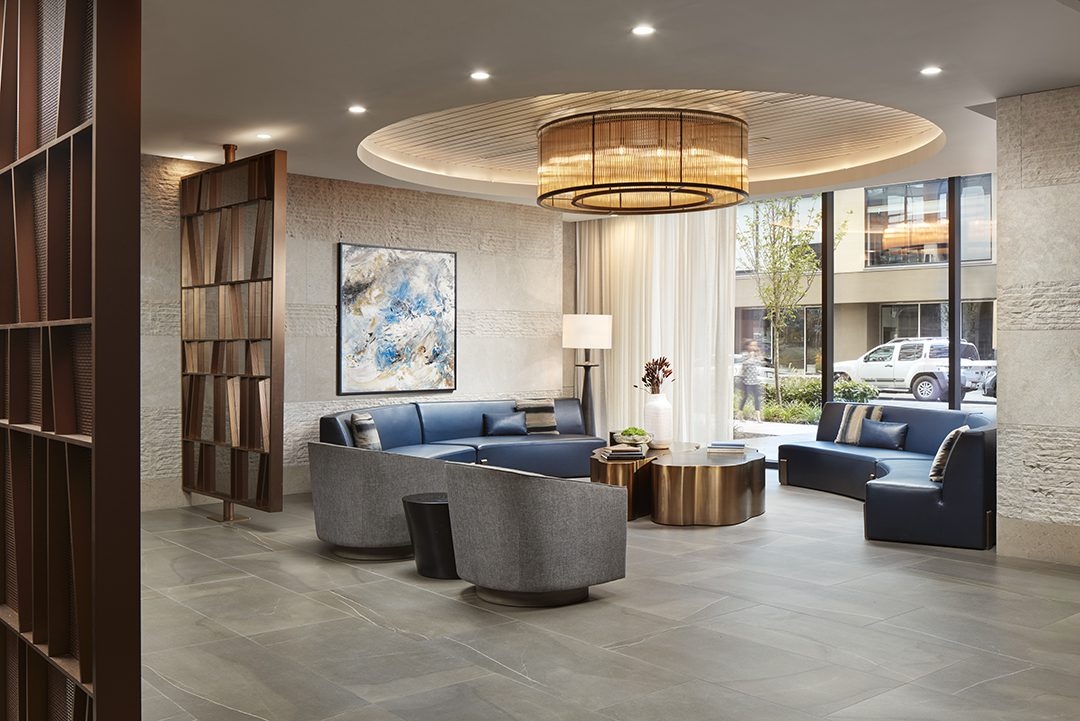
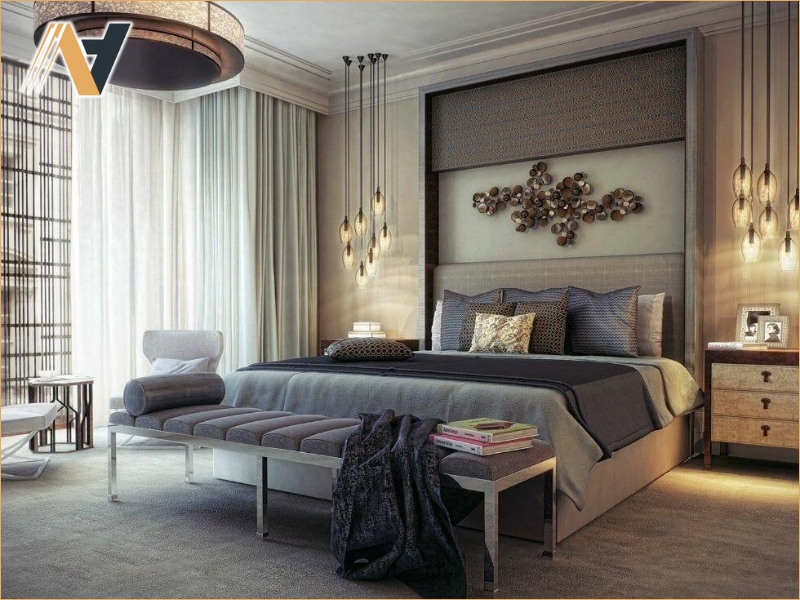
Stone and metal speak with a quieter authority. Their cool surfaces suggest durability and precision, balancing the warmth of softer elements. Used thoughtfully in bedside tables, bathroom vanities, or decorative details, they lend the interior a refined confidence that reassures even before it is consciously noticed.
2. Tactile Experience and Guest Wellbeing
Among all senses, touch creates the most intimate connection with a hotel interior. Guests may admire a room from a distance, yet they truly experience it through their hands and skin. Thoughtfully selected materials nurture wellbeing by offering surfaces that comfort the body and calm the mind.
2.1 Surfaces That Invite Touch
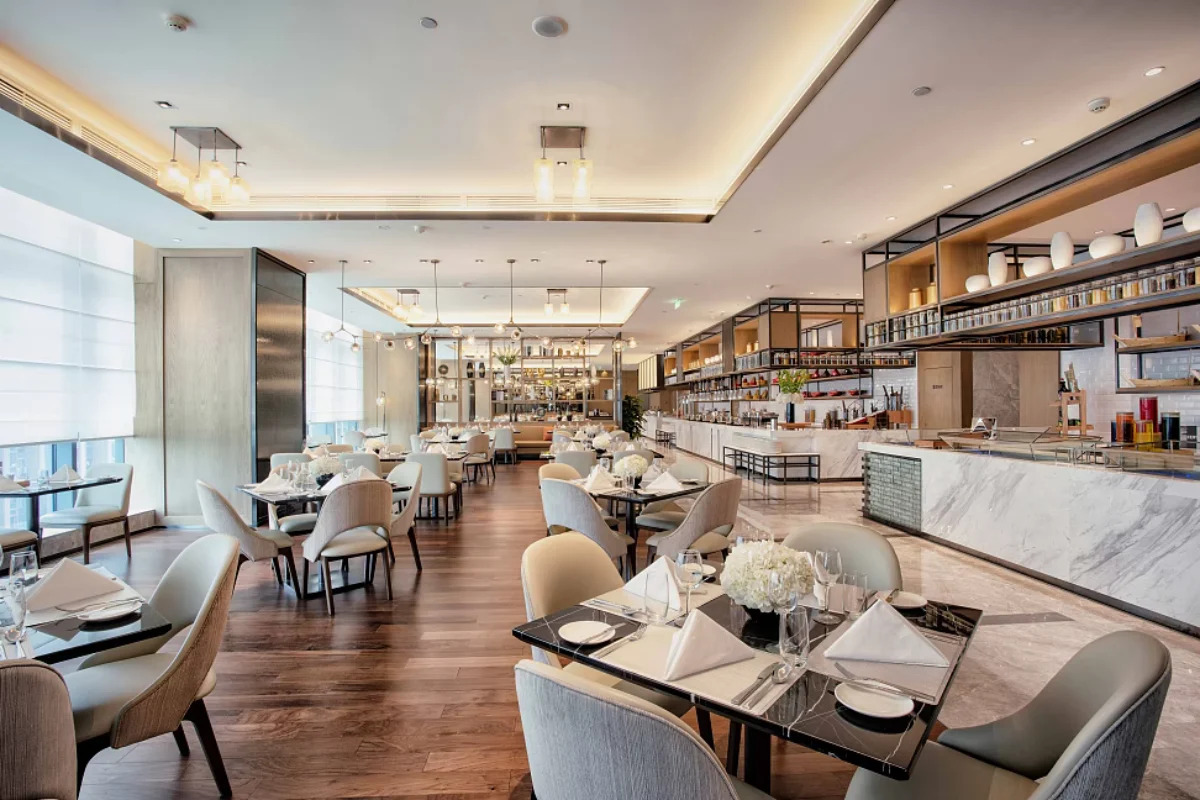
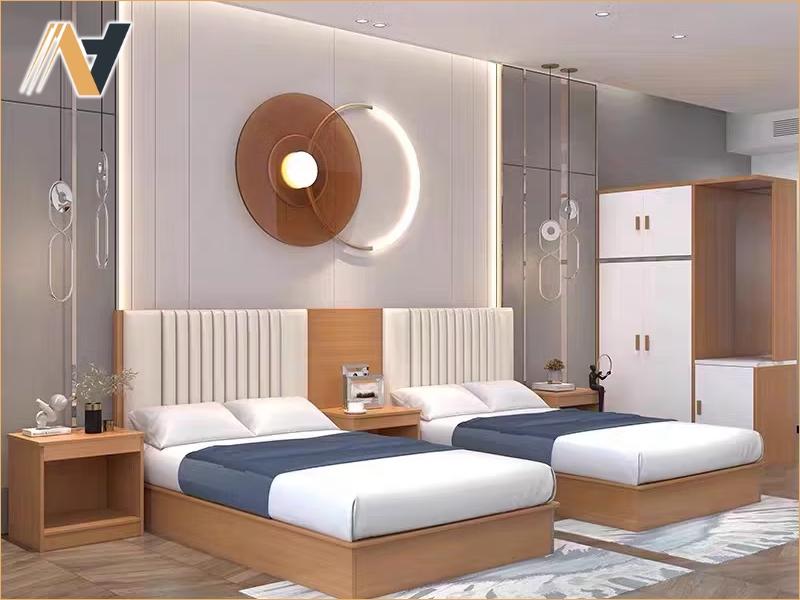
A gently brushed timber panel, a finely woven sofa fabric, or the smooth edge of a marble desk naturally invite contact. These surfaces encourage guests to slow down, unpack with ease, and settle into the space. When materials welcome touch, the room begins to feel less like accommodation and more like a temporary home.
2.2 Temperature and Sensory Comfort
Materials carry their own quiet climate. Stone may feel refreshing in warm destinations, while upholstered pieces provide cozy warmth in cooler regions. Balancing these sensations allows designers to shape how a guest perceives comfort from the first moment of arrival, without a single word being spoken.
3. Visual Depth and Perceived Luxury
Materials shape how luxury is perceived long before guests evaluate service or amenities. Depth of texture, authenticity of pattern, and refinement of finishes quietly communicate the level of care invested in the hotel. Through visual language, interiors express whether a space feels genuine or merely decorative.
3.1 Natural Patterns and Authenticity
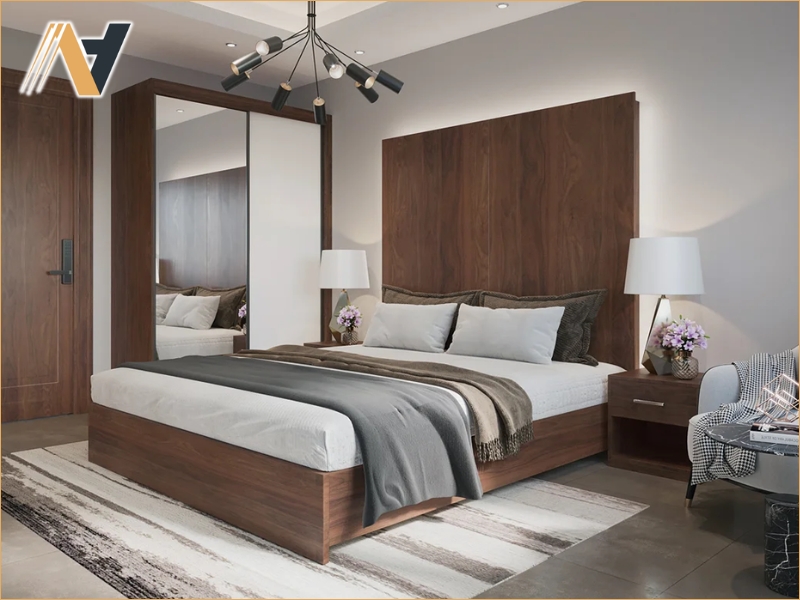
Grains in timber, veins in stone, and irregularities in leather introduce a living character to the room. These natural patterns prevent interiors from appearing artificial and create a subtle dialogue with daylight. Authentic materials allow guests to sense craftsmanship rather than staged perfection.
3.2 Finish Quality as a Sign of Care
The way a surface is finished reveals the unseen discipline behind it. Even tones, gentle edges, and harmonious joints suggest patience and respect for detail. Guests may not analyze these qualities consciously, yet they instinctively associate refined finishes with attentive hospitality.
3.3 Balance Between Opulence and Calm
Luxury becomes uncomfortable when materials compete for attention. Thoughtful composition blends expressive elements with quieter backgrounds, allowing the room to breathe. This balance ensures that richness supports relaxation instead of overwhelming the guest.
4. Acoustic and Olfactory Dimensions
Materials influence more than what guests see and touch. They quietly shape the soundscape and the subtle scents of a room, two elements that deeply affect mood. When these dimensions are considered with care, interiors feel protective and intimate rather than merely beautiful.
4.1 Sound Absorption Through Materials
Upholstered panels, carpets, and timber surfaces soften the restless noise of corridors and city streets. A chair that absorbs conversation and a curtain that calms echoes create a gentle acoustic envelope. This serenity allows guests to rest, work, or speak without the fatigue caused by harsh reverberation.
4.2 Natural Scents of Materials
Every material carries a discreet aroma. The faint fragrance of wood, the familiar note of leather, or the mineral freshness of stone enrich the atmosphere without artificial additives. These natural scents connect guests to authenticity and often remain in memory long after visual details fade.
5. From Material Selection to Manufacturing
The emotions guests experience are quietly shaped long before arrival, during the moment materials are chosen and transformed in the workshop. Responsible manufacturing respects the nature of each material and preserves its sensory qualities through careful craftsmanship. This journey from selection to production determines whether a room feels sincere or superficial.
5.1 Crafting Materials with Respect
Every material asks for a different touch. Timber requires gentle finishing to keep its warmth, leather needs patient stretching to remain soft, and stone demands precise cutting to reveal its inner beauty. When artisans work with respect rather than speed, the final furniture carries a calm confidence that guests can feel immediately.
5.2 Consistency in Large-Scale Production
Creating the same emotional impression across hundreds of rooms is a delicate challenge. Colors must remain stable, textures must feel identical, and details must be repeated without losing character. Consistent production ensures that each guest encounters the same comforting atmosphere, no matter which door they open.
Conclusion
Materials speak a quiet language that guests understand instinctively. Texture, weight, sound, and scent blend together to create impressions that remain long after check-out. When these elements are guided by thoughtful design and careful manufacturing, interiors become more than functional spaces; they become emotional experiences that define a hotel’s identity.
Ngoc Hoang Anh accompanies investors and designers on this journey, translating concepts into refined products that respect both aesthetics and comfort. Through dedicated craftsmanship and deep industry insight, we shape authentic spaces within the world of Vietnam hotel furniture, where every material contributes to a memorable stay.
Contact us today for expert consultation and bespoke hospitality furniture production.
-----
NGOC HOANG ANH TRADING COMPANY LIMITED
Tax Code: 3702874413
Address: No. 288/28/10 Huynh Van Luy Street, Zone 7, Phu Loi Ward, Ho Chi Minh City, Vietnam
Warehouse: No. 1/91, Thuan Giao 02 Street, Binh Thuan 2 Residential Quarter, Thuan Giao Ward, Ho Chi Minh City, Vietnam
Phone/Whatsapp/Wechat: +84342076666
Email: info@ngochoanganh.com.vn