Hotel Interior Investment Mistakes That Double Project Costs
Thứ 3, 05/05/2026
Administrator
248
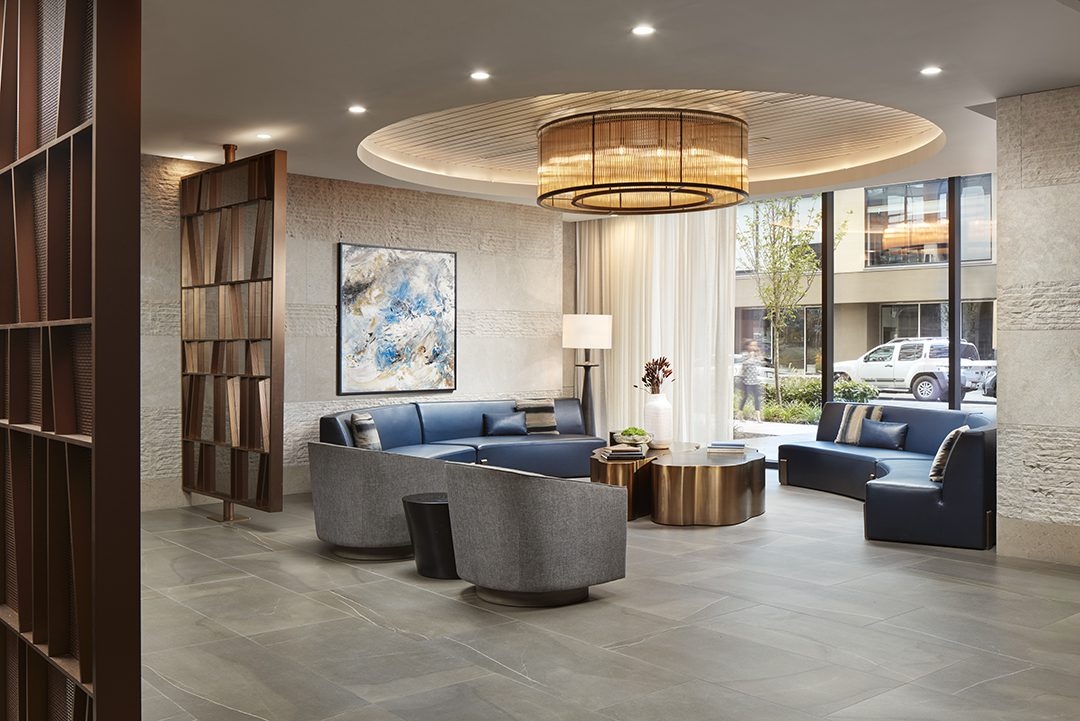
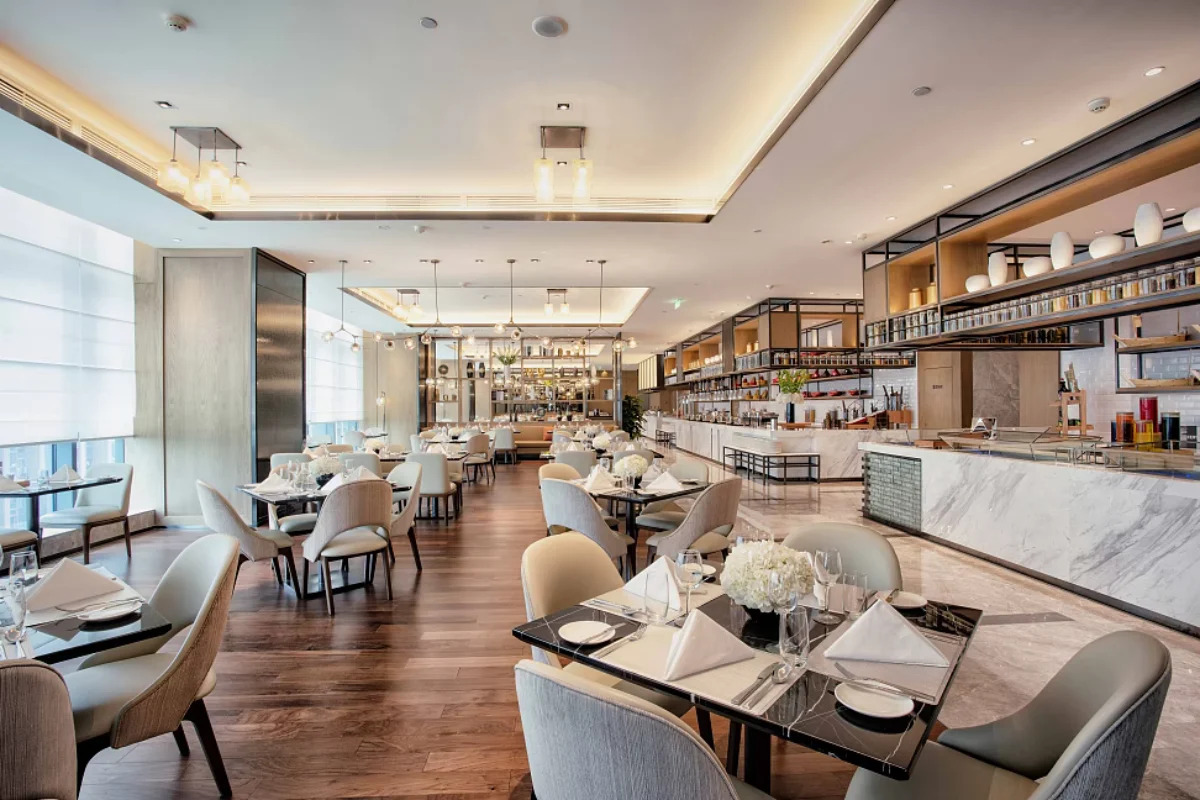
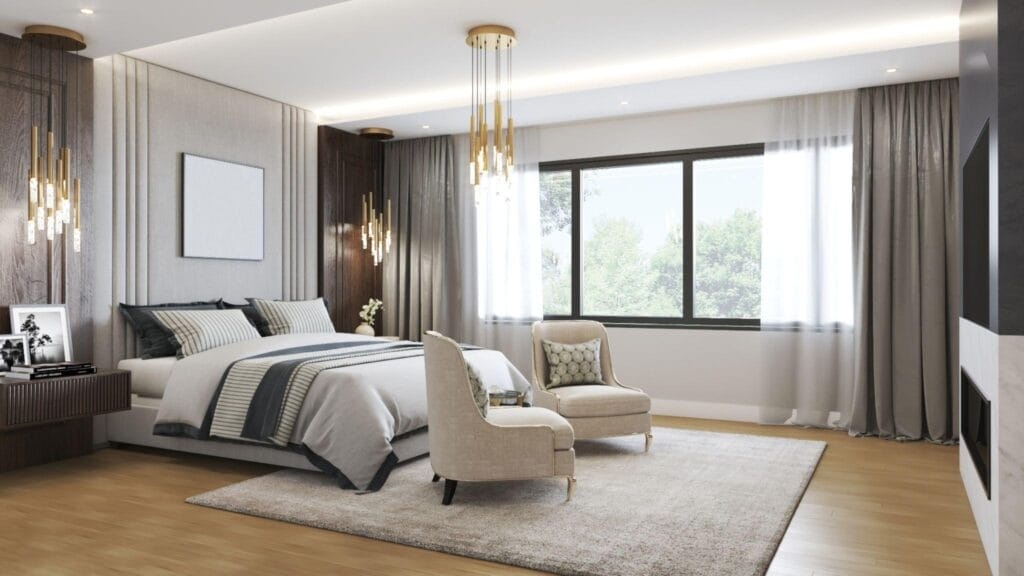
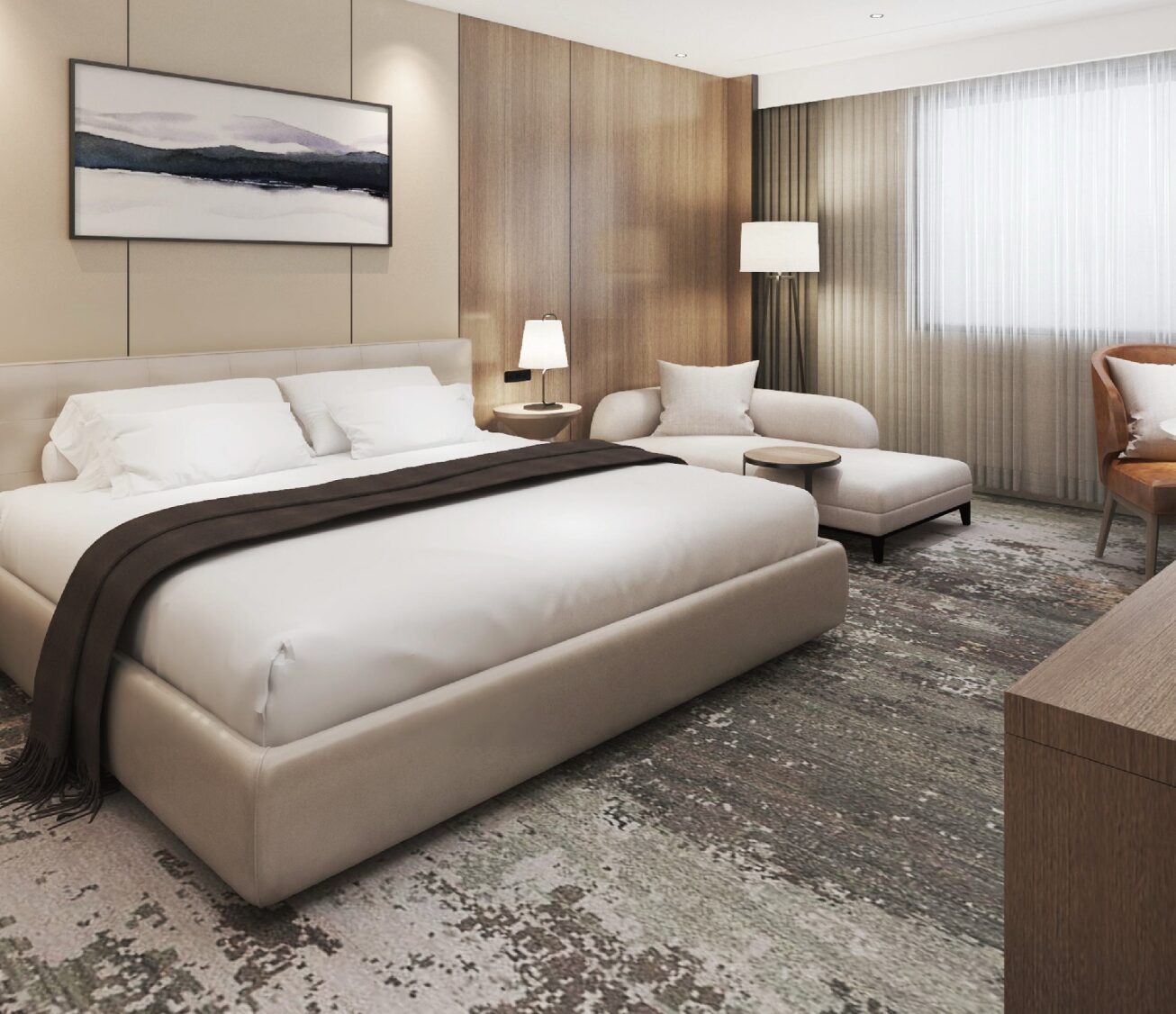
Hotel interior investment mistakes are more than simple budgeting issues; they can affect construction quality, operational efficiency, and the overall guest experience. Poor planning, unsuitable materials, and ineffective project coordination often lead to unnecessary expenses and costly revisions. In this article, Ngoc Hoang Anh shares common mistakes that can dramatically increase hotel interior investment costs and how to avoid them effectively.
1. Poor Planning and Undefined Design Direction
Poor planning during the early stages of a hotel interior project often becomes the primary reason for budget overruns, construction delays, and inconsistent execution, as unclear objectives and frequent changes create unnecessary costs throughout the development process.
1.1 Changing Design Concepts Midway
Frequent modifications to layouts, materials, or interior styles after construction has begun can disrupt workflows, increase labor expenses, and result in wasted materials, significantly affecting both project timelines and overall investment efficiency.
1.2 Ignoring Operational Requirements
Focusing heavily on aesthetics without considering hotel operations may lead to impractical layouts, inefficient circulation, and spaces that require expensive adjustments later to support staff workflow and guest convenience.
1.3 Unrealistic Budget Allocation
Allocating excessive budgets to decorative elements while underestimating essential systems and functional areas often creates financial imbalance, forcing unexpected spending adjustments during later stages of the project.
2. Choosing Materials Based Only on Initial Cost
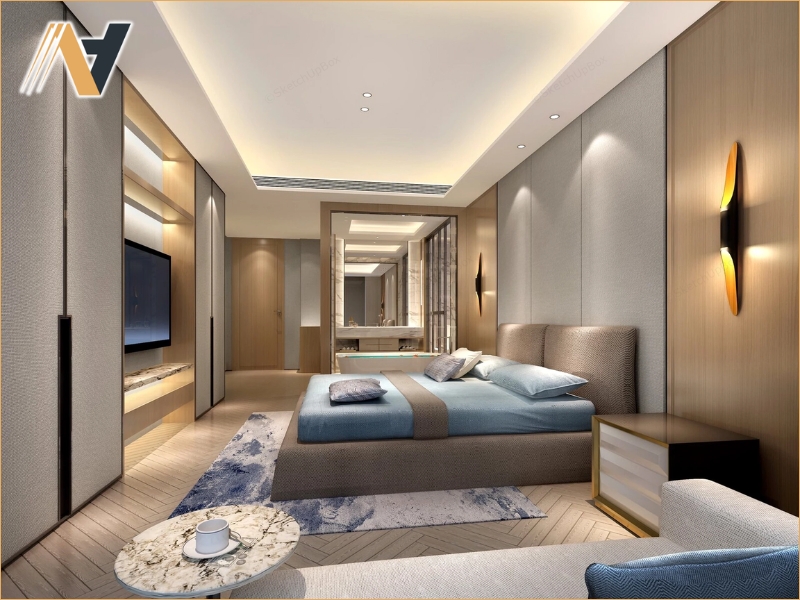
Selecting materials based solely on low upfront pricing may appear cost-effective during the early investment stage, but it often results in reduced durability, inconsistent aesthetics, and significantly higher maintenance expenses throughout the hotel’s operational lifecycle.
2.1 Low-Durability Finishes
Cheap finishing materials tend to deteriorate quickly in high-traffic hospitality environments, causing visible wear, reducing the perceived quality of the hotel, and increasing the frequency of repairs and replacements over time.
2.2 Inconsistent Material Standards
Using different material quality levels across guest rooms and public spaces can create visual imbalance and weaken the hotel’s overall design identity, negatively affecting guest perception and brand consistency.
2.3 High Long-Term Maintenance Costs
Materials with poor resistance to moisture, impact, or daily usage often require continuous maintenance and replacement, leading to operational costs that eventually exceed the savings gained from the initial low investment.
3. Overcustomizing Furniture and Interior Details
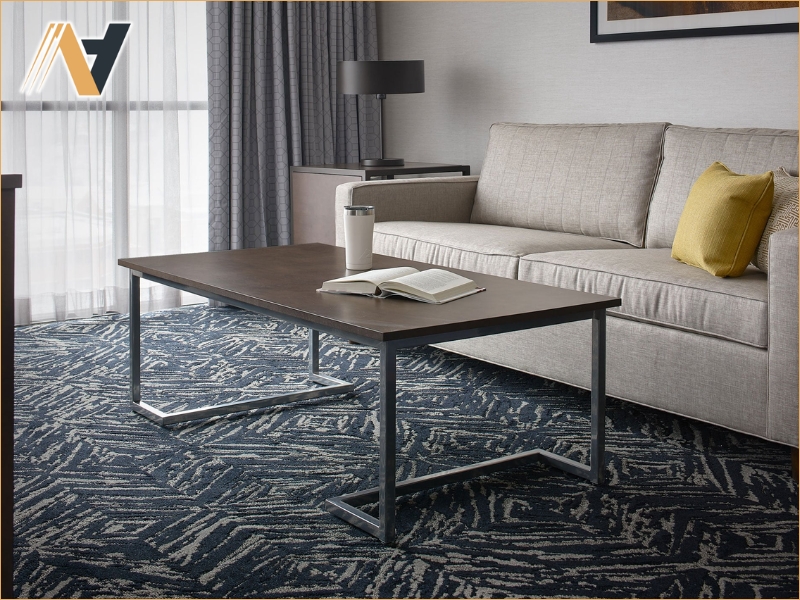
Excessive customization in hotel interiors can quickly increase production complexity, extend construction timelines, and create unnecessary expenses, especially when decorative features are prioritized beyond practical functionality and operational efficiency.
3.1 Complex Furniture Designs
Highly intricate furniture structures often require specialized craftsmanship, custom fabrication techniques, and longer production times, significantly increasing manufacturing costs without always improving guest comfort or usability.
3.2 Unnecessary Decorative Features
Overloading interiors with excessive decorative details may increase material and labor expenses while making spaces visually overwhelming, harder to maintain, and less adaptable to future design updates or renovations.
3.3 Lack of Standardization
Creating completely unique furniture for every room type reduces production efficiency and complicates future maintenance or replacement processes, resulting in higher long-term operational and procurement costs for the hotel.
4. Weak Construction and Project Management
Ineffective construction coordination and poor project management often become major causes of budget escalation in hotel interior projects, as delays, miscommunication, and execution errors can create significant financial losses and disrupt overall project efficiency.
4.1 Inadequate Site Supervision
Without consistent on-site supervision, construction mistakes may remain undetected until later stages, resulting in costly corrections, material waste, and delays that affect both project timelines and financial planning.
4.2 Poor Coordination Between Teams
Lack of communication between designers, contractors, suppliers, and project managers can lead to inconsistent execution, scheduling conflicts, and technical misunderstandings that increase both labor and operational costs.
4.3 Delayed Decision-Making
Slow approvals and unclear instructions during construction interrupt workflow continuity, forcing teams to pause or redo completed work, which ultimately increases labor expenses and prolongs project completion.
5. Underestimating Long-Term Operational Costs
Many hotel investors focus primarily on reducing initial construction expenses without fully considering long-term operational efficiency, leading to higher maintenance costs, reduced durability, and expensive upgrades after the hotel begins operation.
5.1 High Maintenance Furniture and Materials
Furniture and materials that require frequent cleaning, repair, or replacement can create ongoing operational burdens, increasing maintenance budgets and affecting the overall efficiency of hotel management over time.
5.2 Inefficient Lighting and Technical Systems
Choosing low-efficiency lighting, HVAC, or technical systems to reduce upfront costs may lead to significantly higher energy consumption, maintenance expenses, and operational inefficiencies throughout the hotel’s lifecycle.
5.3 Lack of Future Flexibility
Designing interiors without considering future adaptability can make renovations, technology upgrades, or operational changes more difficult and expensive, reducing the long-term sustainability and scalability of the hotel investment.
Conclusion
Avoiding common hotel interior investment mistakes requires strategic planning, balanced budgeting, and efficient project coordination to ensure long-term quality, operational performance, and financial sustainability without unnecessary cost escalation.
For hotels seeking refined, durable, and fully customized solutions, Ngoc Hoang Anh provides premium Vietnam hotel furniture tailored to elevate modern hospitality interiors.
Contact us today for expert consultation and bespoke hospitality furniture production.
-----
NGOC HOANG ANH TRADING COMPANY LIMITED
Tax Code: 3702874413
Address: No. 288/28/10 Huynh Van Luy Street, Zone 7, Phu Loi Ward, Ho Chi Minh City, Vietnam
Warehouse: No. 1/91, Thuan Giao 02 Street, Binh Thuan 2 Residential Quarter, Thuan Giao Ward, Ho Chi Minh City, Vietnam
Phone/Whatsapp/Wechat: +84342076666
Email: info@ngochoanganh.com.vn