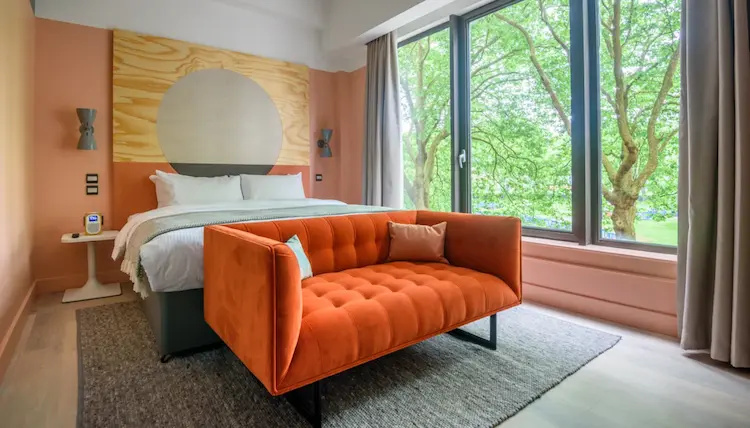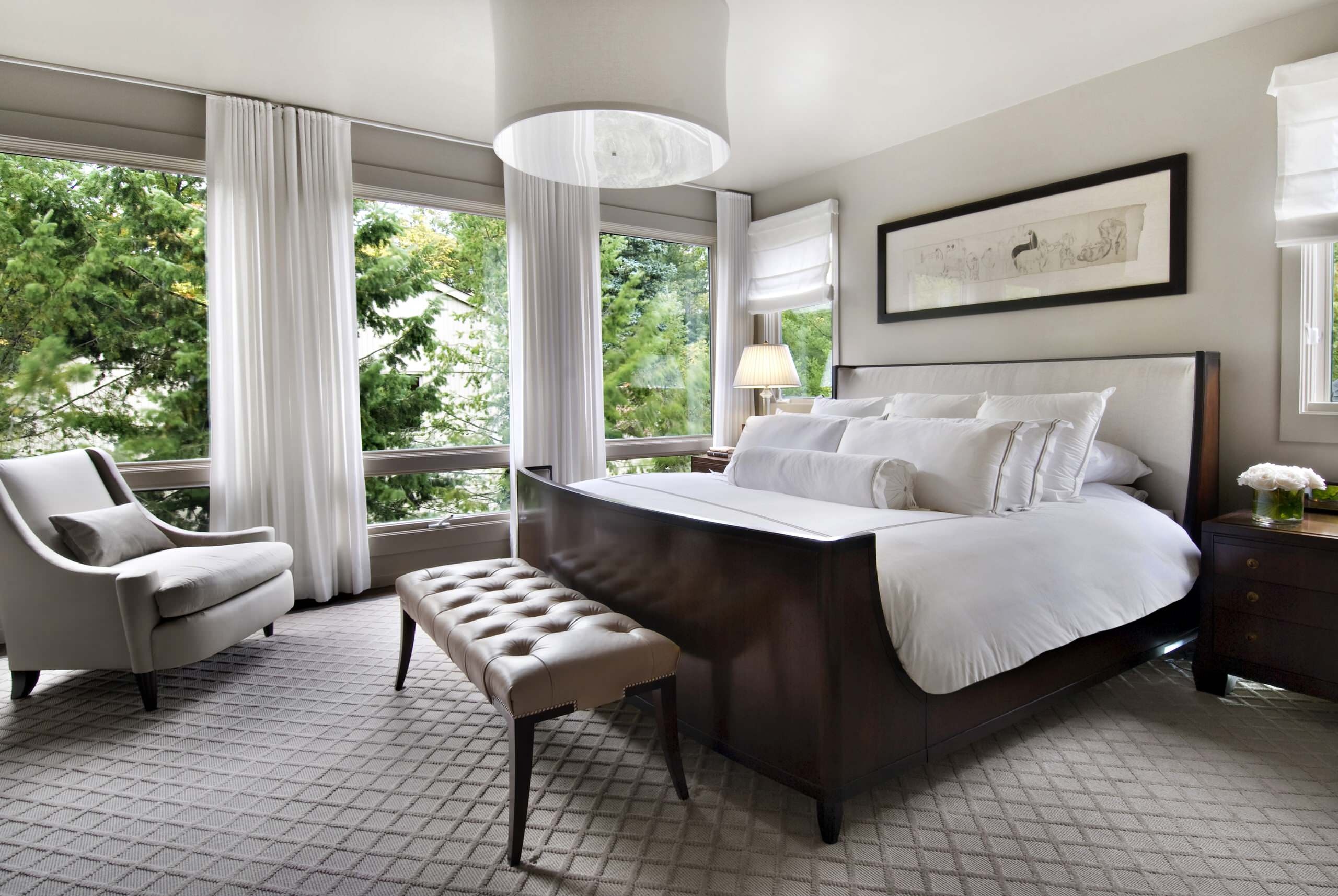
How to Optimize Hotel Interior Budget Without Compromising Quality
Thứ 6, 24/04/2026
Administrator
247
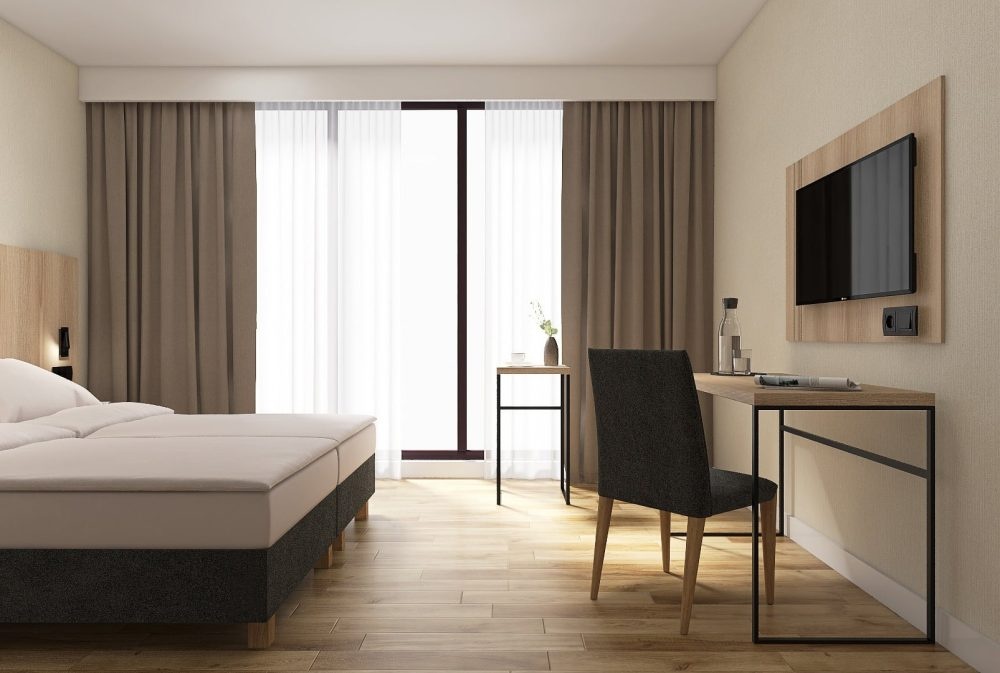
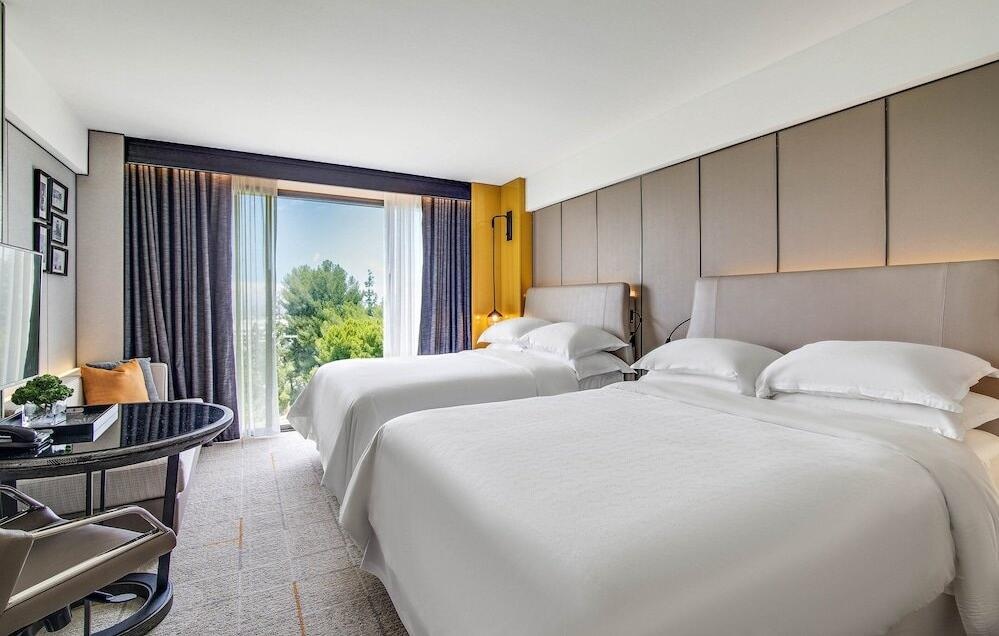
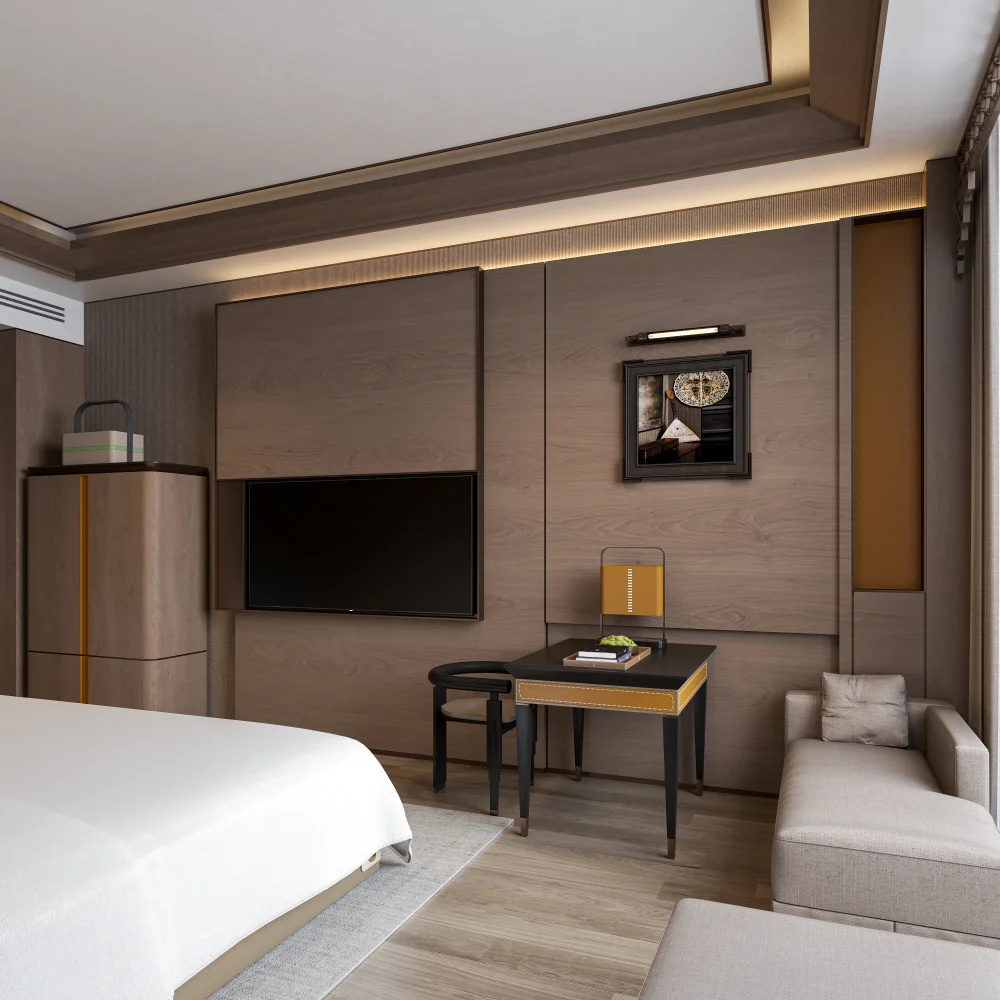
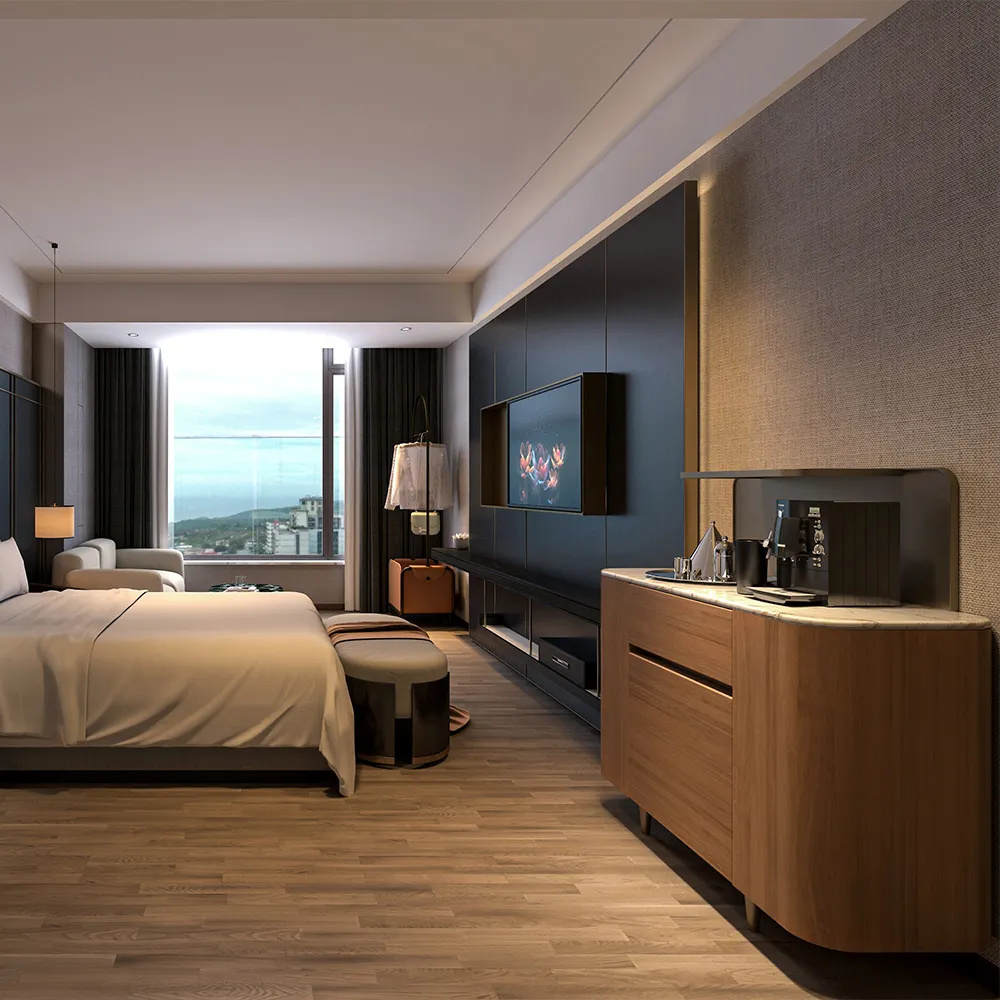
Hotel interior budget optimization goes beyond cost cutting, it shapes overall project efficiency, quality, and guest experience. Thoughtful planning of design, materials, furniture, and construction helps balance investment and value. In this article, Ngoc Hoang Anh shares key strategies for optimizing costs while maintaining premium hospitality standards.
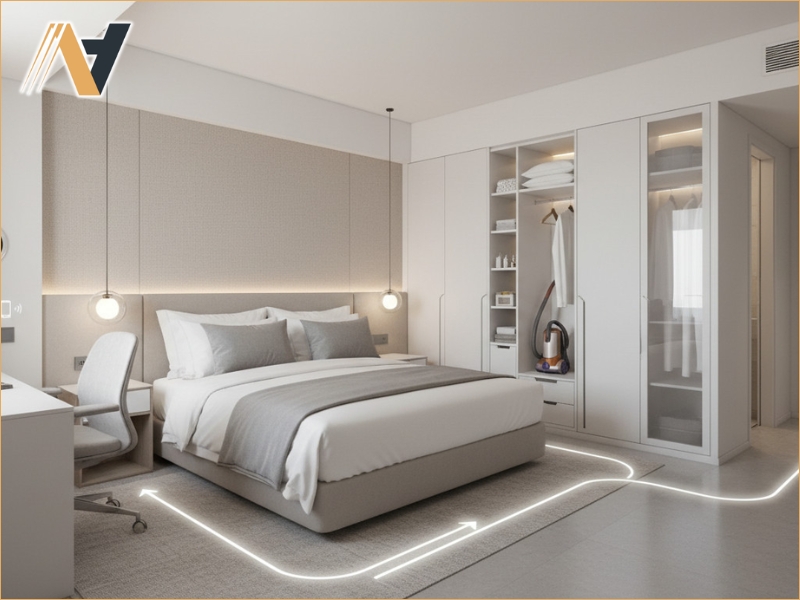
1. Smart Design Planning for Cost Efficiency
Smart design planning is the foundation of optimizing hotel interior budgets, as it directly influences construction complexity, material usage, and overall operational efficiency while still maintaining a high standard of guest experience and aesthetic consistency.
1.1 Standardized Design Modules
Applying standardized room layouts and repeatable design modules helps streamline the entire design and construction process, reducing development time, minimizing errors, and lowering production costs while still ensuring uniform quality across all hotel spaces.
1.2 Functional Space Optimization
Efficient space planning focuses on maximizing usable areas without unnecessary expansion, ensuring every zone serves a clear function, improving guest comfort, and enhancing overall investment efficiency through intelligent spatial organization.
1.3 Reducing Design Complexity
Simplifying architectural forms and limiting overly intricate decorative details helps reduce fabrication difficulty, shorten construction time, and significantly lower both labor and material costs without compromising the overall elegance of the hotel interior.
2. Strategic Material Selection
Strategic material selection plays a crucial role in balancing cost efficiency and quality, as the right choices can significantly reduce construction expenses while still ensuring durability, aesthetics, and long-term maintenance performance in hotel interiors.
2.1 Cost-Effective Alternative Materials
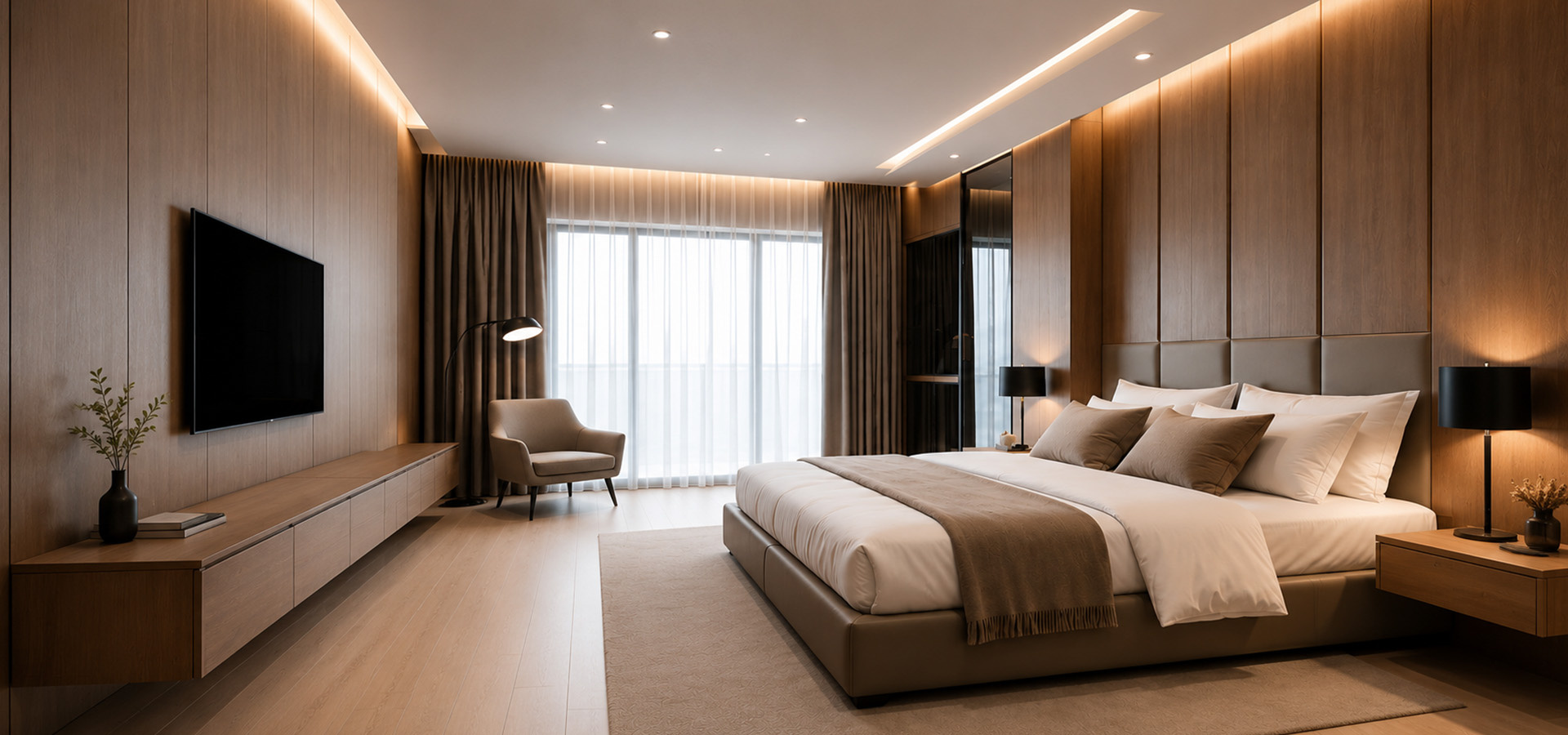
Using engineered wood, high-quality laminates, or composite materials instead of expensive natural finishes helps control budgets effectively while still achieving a refined and luxurious visual appearance suitable for modern hotel standards.
2.2 Prioritizing High-Impact Areas
Allocating premium materials only to key guest-facing zones such as lobbies, suites, and restaurants while using standard finishes in back-of-house or secondary areas helps optimize investment without reducing overall design impact.
2.3 Long-Term Durability Consideration
Selecting materials based on durability and maintenance requirements reduces future repair and replacement costs, ensuring stable performance over time and improving the overall lifecycle value of the hotel interior investment.
3. Optimizing Furniture Production Costs
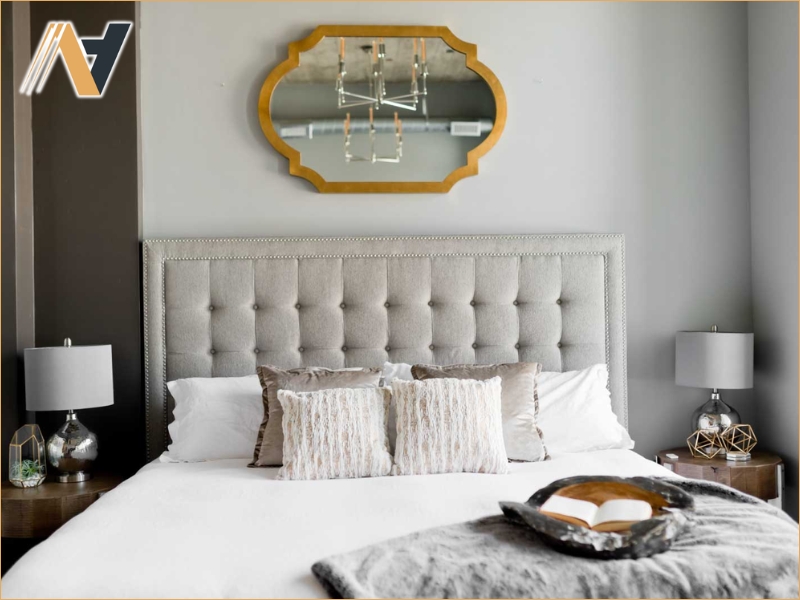
Optimizing furniture production costs is essential in hotel interior projects, as furniture accounts for a significant portion of the total budget while directly impacting both guest experience and long-term operational efficiency.
3.1 Modular Furniture Systems
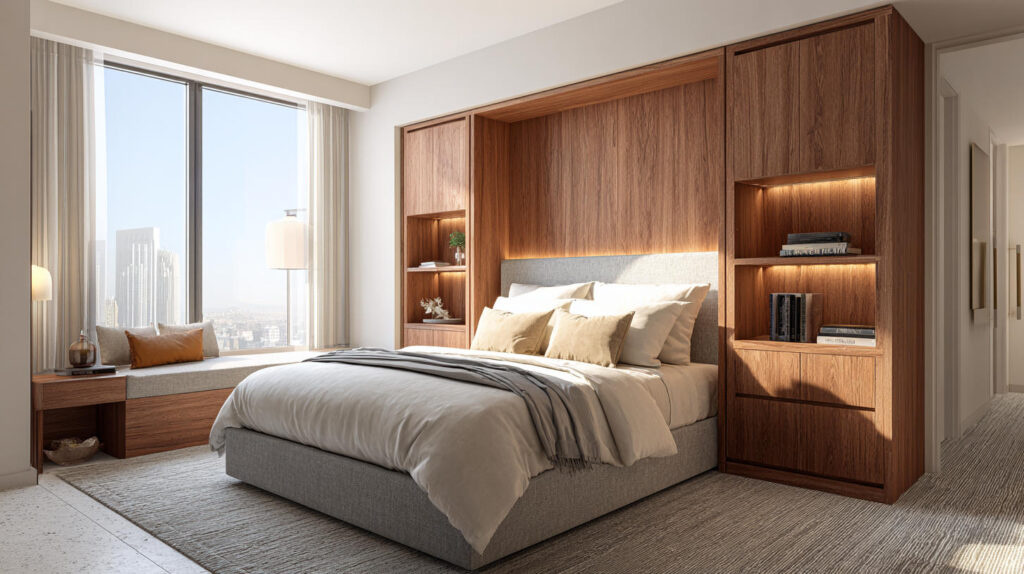
Modular furniture designs allow for standardized production, easier installation, and flexible usage across multiple room types, helping reduce manufacturing costs while maintaining consistency in design and quality throughout the hotel.
3.2 In-House or Local Manufacturing
Working with local or in-house production facilities helps reduce logistics expenses, shorten lead times, and improve quality control, ensuring faster project execution and more efficient budget management.
3.3 Standard vs Custom Balance
Combining standardized furniture items with selectively customized pieces helps maintain a unique hotel identity while controlling production costs and avoiding unnecessary complexity in manufacturing processes.
4. Efficient Construction and Project Management
Efficient construction and project management play a key role in controlling hotel interior budgets, ensuring that every phase is executed smoothly, on schedule, and within cost limits while maintaining consistent quality across the entire project.
4.1 Detailed Project Scheduling
A well-structured timeline helps coordinate all stakeholders, reduce idle labor time, and prevent delays, allowing construction activities to proceed in a logical sequence that optimizes both cost and efficiency.
4.2 On-Site Quality Control
Continuous supervision during construction ensures that workmanship meets design standards, reducing errors, minimizing rework costs, and maintaining high-quality execution throughout the project lifecycle.
4.3 Waste Reduction Strategy
Effective material planning, accurate quantity estimation, and proper site management help minimize material waste, directly lowering construction expenses while promoting more sustainable building practices.
Conclusion
Optimizing hotel interior budgets requires a comprehensive approach that integrates smart design, strategic material selection, efficient furniture production, and disciplined project management to achieve both cost efficiency and high-quality outcomes.
For hotels seeking refined, durable, and fully customized solutions, Ngoc Hoang Anh provides premium Vietnam hotel furniture tailored to elevate modern hospitality interiors.
Contact us today for expert consultation and bespoke hospitality furniture production.
-----
NGOC HOANG ANH TRADING COMPANY LIMITED
Tax Code: 3702874413
Address: No. 288/28/10 Huynh Van Luy Street, Zone 7, Phu Loi Ward, Ho Chi Minh City, Vietnam
Warehouse: No. 1/91, Thuan Giao 02 Street, Binh Thuan 2 Residential Quarter, Thuan Giao Ward, Ho Chi Minh City, Vietnam
Phone/Whatsapp/Wechat: +84342076666
Email: info@ngochoanganh.com.vn