How to Choose Restaurant Furniture in Hotels
Chủ nhật, 19/04/2026
Administrator
241
Restaurant spaces in hotels play a crucial role in shaping guest experience, combining dining comfort with brand identity. Choosing the right furniture is essential to ensure durability, functionality, and visual appeal while supporting efficient service operations. In this article, Ngoc Hoang Anh shares key factors to consider when selecting restaurant furniture for hotels.
1. Understanding Concept and Target Audience
Choosing restaurant furniture in hotels should always begin with a clear understanding of the concept and target audience. Furniture is not just functional it plays a key role in expressing the restaurant’s identity and shaping the dining experience. A well-aligned selection helps create consistency, attract the right guests, and enhance overall brand perception.
1.1 Matching furniture with restaurant style and theme
Furniture design should reflect the restaurant’s concept, whether it is fine dining, buffet, casual, or themed cuisine. The choice of materials, colors, and forms must align with the overall style to create a cohesive and visually appealing space.
1.2 Considering target guests and dining expectations
Different guest groups have different expectations in terms of comfort and ambiance. Business travelers, families, or luxury guests require different seating styles and layouts, so furniture selection must respond to these specific needs.
1.3 Ensuring consistency with hotel brand identity
The restaurant interior should be consistent with the overall hotel brand. Furniture design must complement other spaces such as the lobby and guest rooms, reinforcing a unified and recognizable identity throughout the property.
2. Prioritizing Comfort and Ergonomics
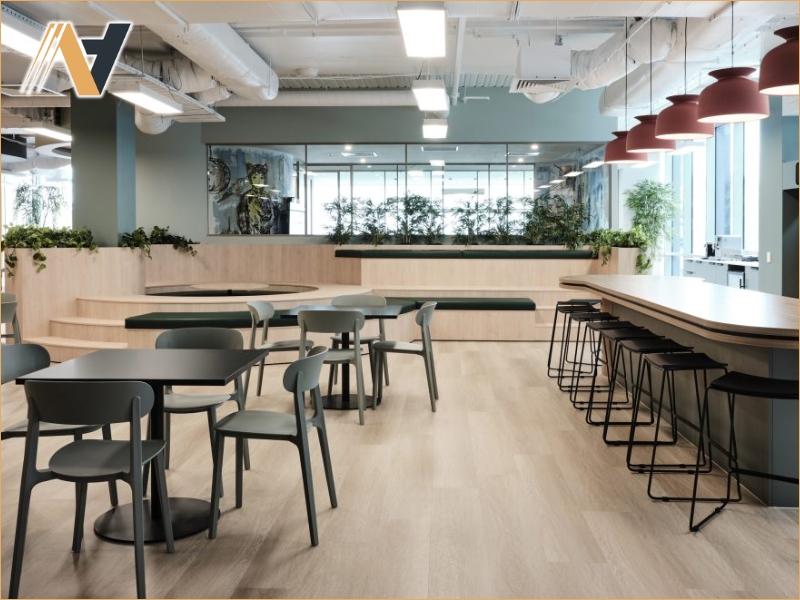
Comfort is one of the most important factors in restaurant furniture selection, directly influencing how long guests stay and how they perceive the dining experience. In hotel restaurants, furniture must not only look appealing but also support proper posture and ease of use, ensuring guests feel relaxed throughout their meal.
2.1 Proper chair height, backrest, and seating comfort
Chairs should be designed with appropriate height, supportive backrests, and comfortable seat depth. Good ergonomics help reduce fatigue, allowing guests to sit comfortably for extended periods without discomfort.
2.2 Table dimensions suitable for dining experience
Table size and height must be carefully selected to match the type of dining service. Adequate space for dishes, utensils, and personal comfort ensures a pleasant and convenient dining experience.
2.3 Balancing comfort with space efficiency
While comfort is essential, furniture must also be proportionate to the available space. Well-designed pieces provide sufficient comfort without occupying excessive area, helping maintain both usability and efficient layout.
3. Choosing Durable and Easy-to-Maintain Materials
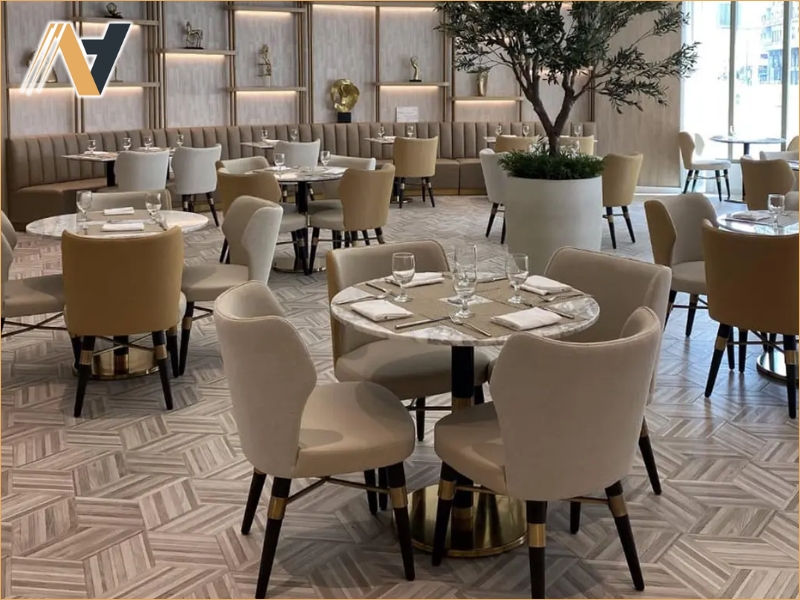
In hotel restaurants, furniture is subjected to high traffic, frequent cleaning, and constant use. Therefore, selecting durable and easy-to-maintain materials is essential to ensure long-term performance and cost efficiency. The right material choices help maintain both functionality and visual appeal over time.
3.1 High-durability materials for high-traffic use
Materials such as solid wood, metal frames, and high-pressure laminates are commonly used for their strength and resistance to wear. These options help furniture withstand daily use without compromising structural integrity.
3.2 Stain-resistant and easy-clean surfaces
Dining environments require surfaces that can resist spills, stains, and scratches. Smooth, non-porous finishes make cleaning faster and more effective, ensuring hygiene and maintaining a neat appearance.
3.3 Long-term maintenance and cost efficiency
Durable materials reduce the need for frequent repairs or replacements. Investing in high-quality finishes and construction helps lower maintenance costs and ensures consistent performance over time.
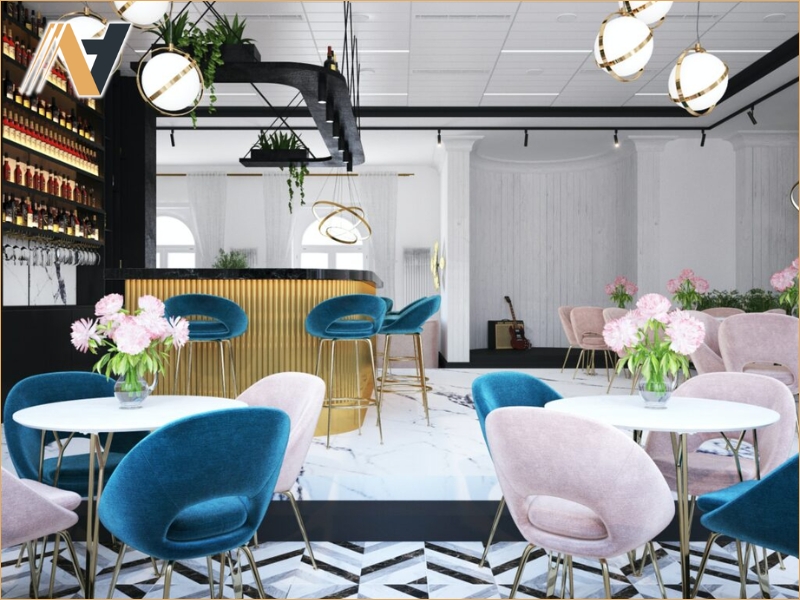
4. Optimizing Layout and Space Utilization
Layout planning is a key factor in selecting restaurant furniture for hotels, as it directly affects both guest comfort and operational efficiency. A well-optimized arrangement ensures smooth circulation, flexible seating options, and maximum use of available space without creating a crowded or uncomfortable environment.
4.1 Flexible furniture arrangement for different group sizes
Tables and chairs should be easy to rearrange to accommodate various group sizes, from individual diners to large parties. Flexible configurations help restaurants adapt quickly to changing customer needs and improve service efficiency.
4.2 Ensuring smooth circulation for staff and guests
Adequate spacing between tables is essential for easy movement. Clear pathways allow staff to serve efficiently while ensuring guests can move comfortably without obstruction.
4.3 Maximizing seating capacity without overcrowding
The goal is to increase seating capacity while maintaining comfort. Proper furniture sizing and spacing help optimize the number of seats without making the space feel cramped or noisy.
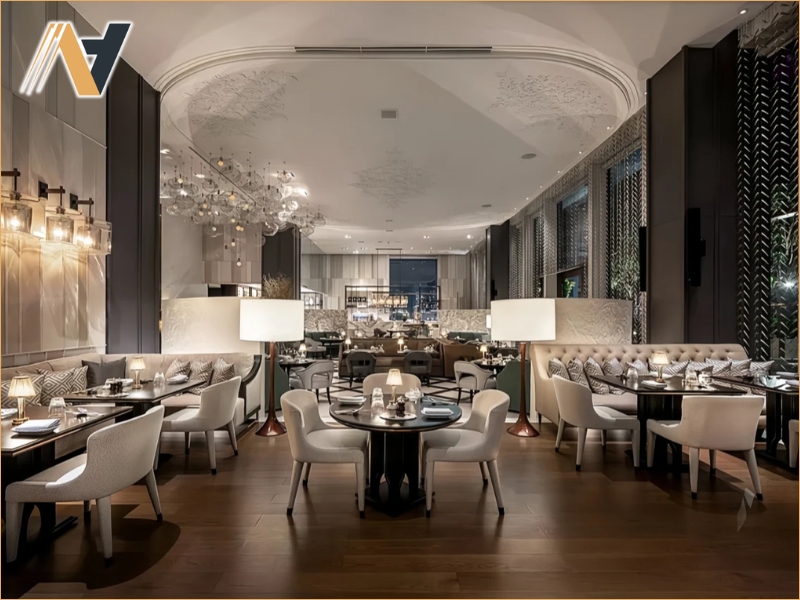
5. Aesthetics, Branding, and Atmosphere
In hotel restaurants, furniture is not only functional but also a key element in shaping the overall dining atmosphere and reinforcing brand identity. The right combination of colors, materials, and design styles helps create a visually appealing space that enhances guest perception and supports the restaurant’s concept.
5.1 Color, material, and style coordination
Furniture should be selected to harmonize with the restaurant’s interior palette and materials. Consistent design language creates a cohesive look, making the space feel more professional and visually balanced.
5.2 Creating a unique dining ambiance
The style of furniture contributes significantly to the restaurant’s atmosphere, whether it is elegant, casual, or themed. Thoughtful design choices help create a distinctive environment that guests can easily recognize and remember.
5.3 Enhancing guest experience through design
A well-designed dining space influences how guests feel during their meal. Comfortable seating, appealing visuals, and a cohesive atmosphere all work together to improve satisfaction and encourage longer stays.
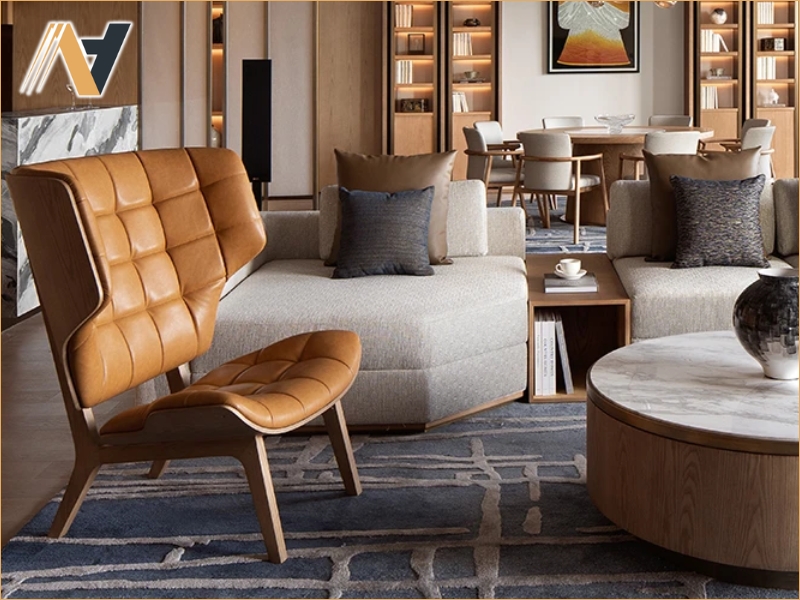
Conclusion
Choosing restaurant furniture in hotels requires a careful balance between concept, comfort, durability, and spatial efficiency. From understanding the target audience to selecting the right materials and optimizing layout, every decision plays a role in shaping both operational performance and guest satisfaction.
A well-designed furniture setup not only enhances dining comfort but also strengthens brand identity and creates a memorable atmosphere. When all elements are aligned, the restaurant becomes a key highlight of the overall hotel experience.
For hospitality projects seeking high-quality and customized solutions, Ngoc Hoang Anh provides premium Vietnam hotel furniture designed for hotel restaurants, ensuring durability, aesthetics, and long-term efficiency. Contact us today for expert consultation and tailored furniture solutions.
-----
NGOC HOANG ANH TRADING COMPANY LIMITED
Tax Code: 3702874413
Address: No. 288/28/10 Huynh Van Luy Street, Zone 7, Phu Loi Ward, Ho Chi Minh City, Vietnam
Warehouse: No. 1/91, Thuan Giao 02 Street, Binh Thuan 2 Residential Quarter, Thuan Giao Ward, Ho Chi Minh City, Vietnam
Phone/Whatsapp/Wechat: +84342076666
Email: info@ngochoanganh.com.vn