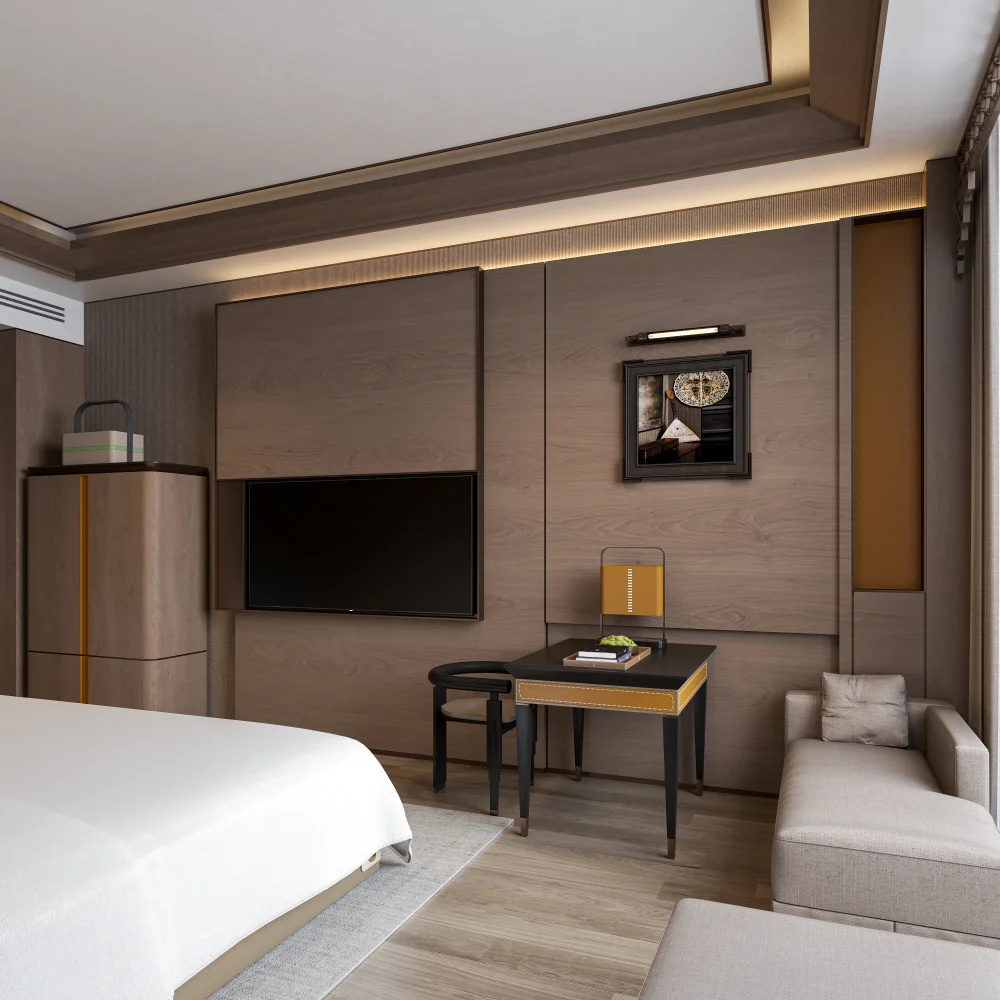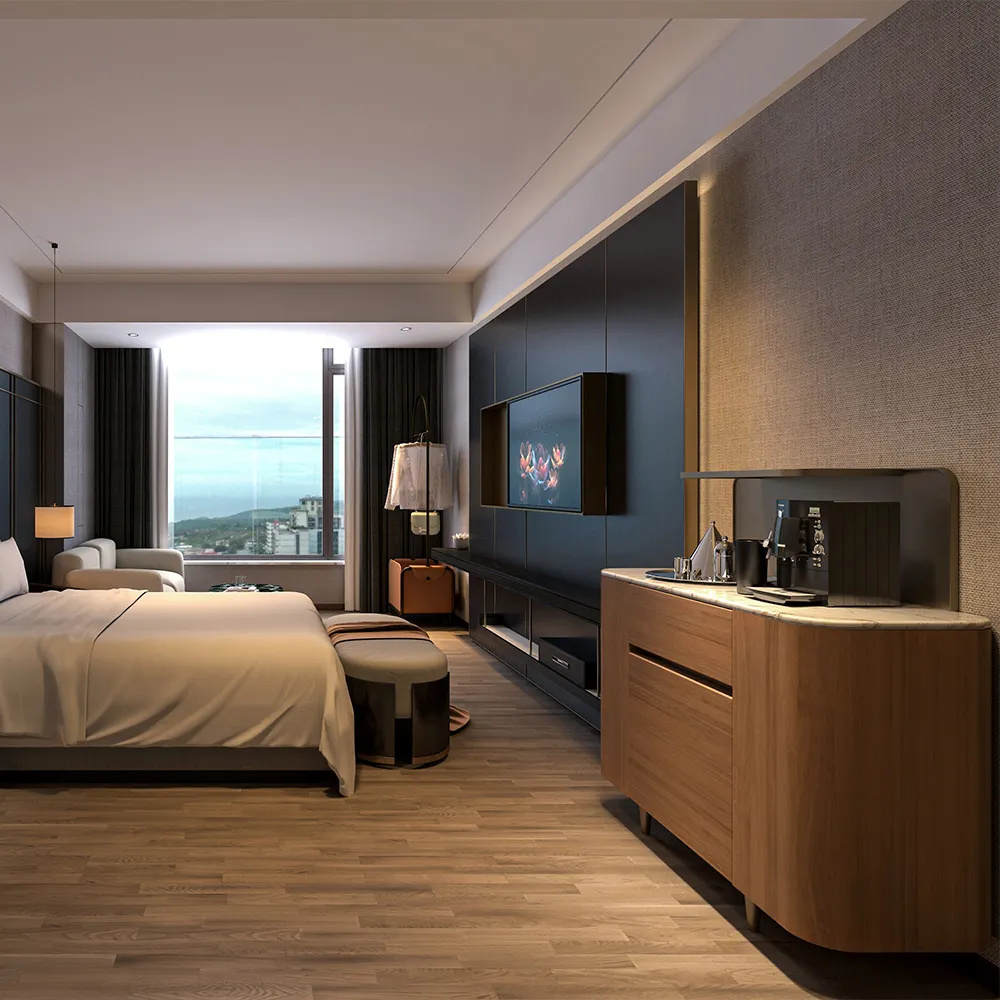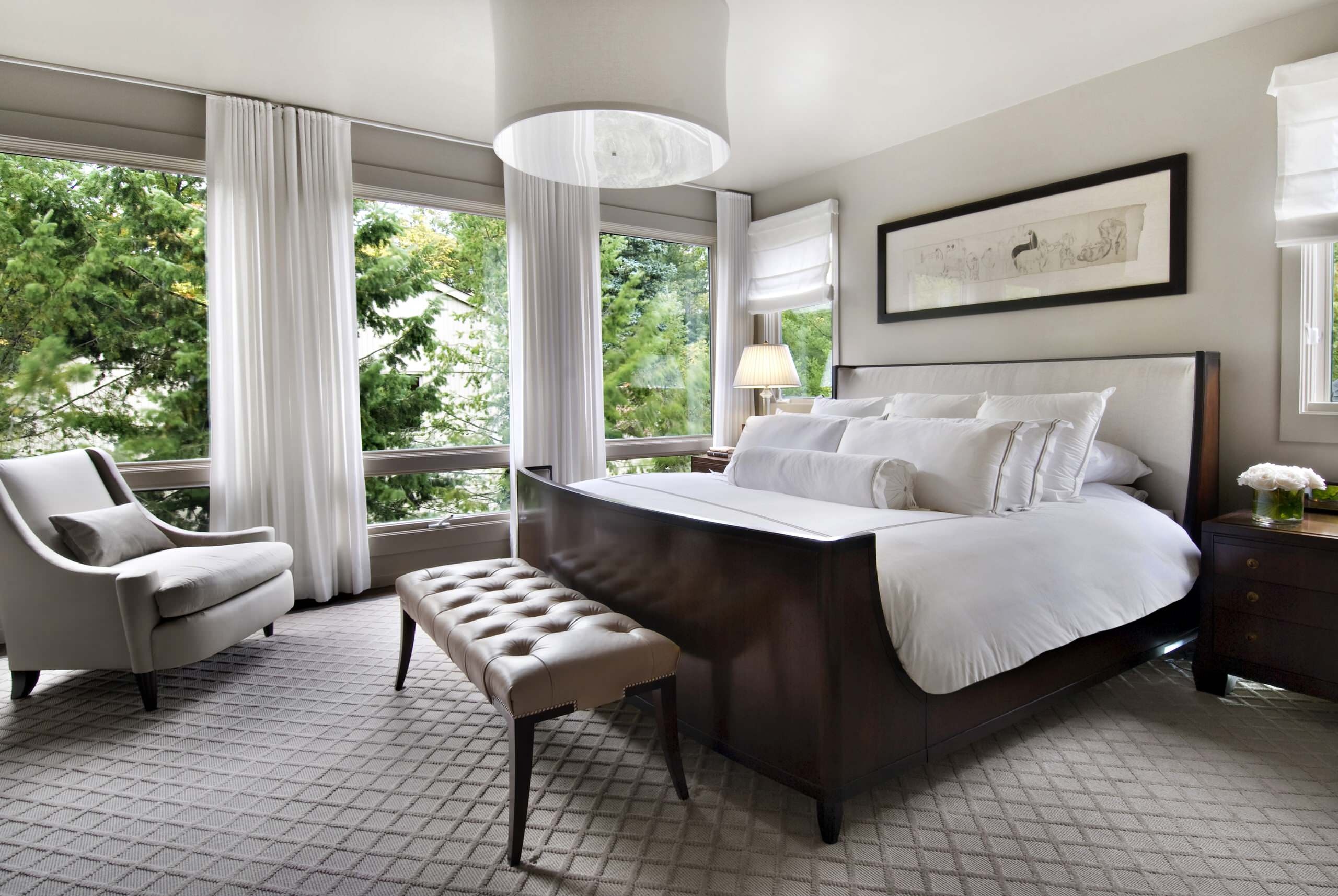
When to Renovate Hotel Interiors Partially Instead of Full Replacement
Thứ 6, 27/02/2026
Administrator
229
Hotel interiors age at different rhythms, not every piece requires replacement at the same time. A selective upgrade can refresh atmosphere while protecting investment and daily operations. In this article, Ngoc Hoang Anh explains when partial renovation becomes the wiser path compared with a complete renewal.
1. Understanding the Real Condition Behind Appearances
Interiors often reveal only a fraction of their true state. A lobby sofa may look tired while its internal frame remains strong, or a wardrobe may appear modern yet hide structural fatigue. Distinguishing cosmetic aging from technical decline is the first step toward a sensible renovation strategy. Decisions based purely on visual impressions can lead to unnecessary replacement and loss of valuable craftsmanship.
1.1 Structural quality versus surface wear
Scratches on veneer, faded fabrics, or small dents rarely reflect the real durability of a piece. Beneath these marks, solid timber frames and quality joinery may still perform flawlessly for many years. Evaluating joints, hardware, and core materials helps determine whether refinishing is enough to restore elegance.
1.2 The hidden lifespan of hotel furniture
Every component ages differently according to use and environment. Bed bases endure constant pressure, while decorative consoles experience only gentle contact. Understanding these varied lifespans allows owners to replace only what has truly reached the end of service instead of discarding entire room sets.
1.3 Guest perception compared with technical reality
Guests respond to comfort and atmosphere more than to absolute novelty. A well-maintained armchair can feel luxurious even after years of service, while a brand-new piece with poor ergonomics quickly disappoints. Renovation choices should therefore balance emotional impression with objective condition rather than following fashion alone.
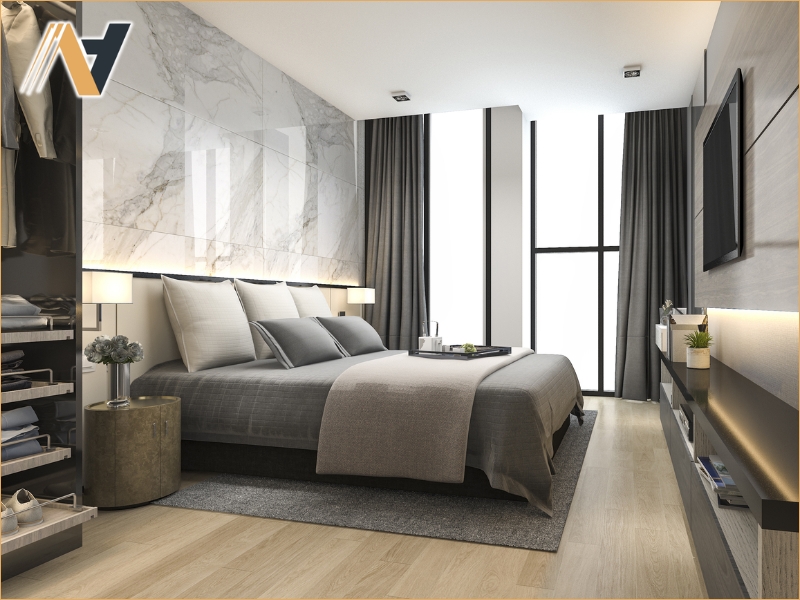
2. Financial Logic of Partial Renovation
Refreshing interiors always involves a delicate conversation between aspiration and budget. Replacing everything at once may deliver visual impact, yet it often ignores the remaining value embedded in existing furniture. Partial renovation allows capital to be directed where it truly elevates guest experience instead of being dispersed across unnecessary changes.
2.1 Budget efficiency without closing the hotel
Selective upgrades can be carried out while the property continues welcoming guests. This approach protects revenue streams and reduces the pressure of a single large investment. By focusing on key touchpoints such as beds, seating, or lighting, hotels can achieve a renewed atmosphere with a fraction of the cost of full replacement.
2.2 Prioritizing areas with highest guest impact
Not every corner influences perception equally. Bedrooms, bathrooms, and lobby lounges shape memories far more than back-of-house zones. Directing resources to these visible areas ensures that each dollar spent translates into tangible appreciation, allowing the hotel to feel refreshed even when other elements remain unchanged.
3. Operational Considerations During Upgrades
Renovation inside a living hotel resembles delicate choreography. Guests expect tranquility while teams need access, tools, and time. A partial approach becomes meaningful only when construction rhythm respects daily operations and preserves the feeling of hospitality throughout the process.
3.1 Renovating while the hotel remains open
Work must move quietly alongside breakfast services, check-in hours, and housekeeping rounds. Deliveries scheduled at dawn, protective coverings in corridors, and modular furniture that can be installed swiftly help maintain a calm environment. When disruption is carefully controlled, guests may hardly notice that transformation is taking place.
3.2 Coordination between housekeeping and installation
Housekeeping teams understand the intimate life of each room better than any contractor. Their observations about wear patterns and guest habits guide installers toward practical solutions. Close communication prevents delays and ensures that renewed furniture returns to service clean, organized, and ready to welcome the next arrival.
3.3 Phasing work floor by floor
Dividing the hotel into gentle phases protects both revenue and quality. One floor can be refreshed while others continue operating, allowing lessons learned to refine the next stage. This gradual rhythm offers management the flexibility to adjust style, materials, or budget without the pressure of a single irreversible decision.
4. Design Consistency When Mixing Old and New
Partial renovation succeeds only when the dialogue between existing pieces and new additions feels natural. Guests should sense continuity rather than contrast, as if the hotel has gently evolved instead of being interrupted by scattered replacements. Achieving this harmony requires sensitivity to proportions, colors, and the quiet character of the original design.
4.1 Respecting the original design language
Every property carries its own visual accent formed through years of operation. Moldings, wood tones, and furniture silhouettes create a familiar identity that loyal guests recognize instantly. New elements should listen to this language, echoing its rhythm instead of competing with it, so that renovation appears as a thoughtful continuation.
4.2 Updating materials without breaking identity
Modern fabrics, improved finishes, or contemporary lighting can be introduced without erasing the past. Subtle upgrades in texture and performance often refresh a room while keeping its soul intact. When materials are chosen with restraint, the space feels renewed yet comfortably familiar, preserving the emotional bond with returning visitors.
5. Manufacturing Perspective on Selective Replacement
From a manufacturing viewpoint, partial renovation is less about saving pieces and more about preserving value. Each existing item tells a story of dimensions, ergonomics, and brand identity that should guide new production. When factories understand this narrative, replacement components can blend seamlessly with what remains.
5.1 Reproducing existing pieces accurately
Creating a new bedside table to live beside an older wardrobe requires careful study. Measurements, profiles, and finishes must be read like a subtle map. Skilled manufacturers translate these details into updated pieces that appear born from the same family, even when produced years apart.
5.2 Upgrading internal structure while keeping appearance
Often the exterior deserves to stay while the interior needs renewal. Hidden frames can be strengthened, drawers fitted with modern runners, and upholstery rebuilt with improved foam. Such invisible upgrades extend service life without altering the visual memory guests associate with the hotel.
5.3 When custom production is better than refurbishment
Refurbishment is not always the gentle choice it seems. Severely fatigued furniture may demand endless repairs, while custom reproduction offers stability and long-term economy. Knowing when to let go and recreate a piece anew is a professional judgment that protects both budget and guest comfort.
Conclusion
Choosing between partial renovation and full replacement is a matter of insight rather than fashion. Thoughtful evaluation of condition, budget, and operations allows hotels to renew comfort while honoring the value already present in their interiors. When upgrades respect the original spirit and are guided by skilled manufacturing, guests experience continuity instead of disruption.
Ngoc Hoang Anh supports owners and designers in this delicate balance, transforming selective improvements into coherent spaces that feel both refreshed and familiar. Within the evolving landscape of Vietnam hotel furniture, intelligent renovation becomes a quiet strategy for protecting identity and welcoming the future.
Contact us today for expert consultation and bespoke hospitality furniture production.
-----
NGOC HOANG ANH TRADING COMPANY LIMITED
Tax Code: 3702874413
Address: No. 288/28/10 Huynh Van Luy Street, Zone 7, Phu Loi Ward, Ho Chi Minh City, Vietnam
Warehouse: No. 1/91, Thuan Giao 02 Street, Binh Thuan 2 Residential Quarter, Thuan Giao Ward, Ho Chi Minh City, Vietnam
Phone/Whatsapp/Wechat: +84342076666
Email: info@ngochoanganh.com.vn