Choosing Furniture for Hotels Preparing for Star Upgrade
Thứ 5, 05/03/2026
Administrator
287
Upgrading a hotel’s star rating requires more than improved service. Furniture, materials, and spatial design must also evolve to meet higher expectations. In this article, Ngoc Hoang Anh shares practical insights on selecting interiors that support a successful transformation toward higher hospitality standards.
1. Understanding Interior Standards for Higher Star Ratings
Preparing for a higher star classification requires more than refreshing décor. Furniture must reflect a deeper level of comfort, craftsmanship, and functionality that aligns with elevated hospitality expectations. Understanding these interior benchmarks allows hotel owners to make informed decisions before investing in new pieces.
1.1 Comfort expectations at different star levels
As hotels move toward higher star categories, comfort becomes increasingly sophisticated. Beds are expected to offer deeper support and premium mattresses, while seating should provide ergonomic relaxation for longer stays. Even small elements such as bedside tables and desks must feel intuitive and well-proportioned to enhance the guest experience.
1.2 The role of furniture in perceived luxury
Luxury is often communicated through subtle tactile impressions rather than obvious decoration. Guests notice the smooth glide of drawers, the balanced weight of a chair, and the quiet stability of a table. These details create an atmosphere of refinement that naturally aligns with higher star standards.
1.3 International guidelines and brand standards
Many hotels seeking a higher rating also look toward international hospitality practices for guidance. Furniture dimensions, material durability, and ergonomic comfort are often influenced by global hotel standards. Aligning with these benchmarks ensures that upgraded interiors meet both regulatory requirements and modern guest expectations.
2. Identifying Priority Areas for Furniture Upgrade
Upgrading a hotel to a higher star level rarely means replacing every piece of furniture at once. A strategic approach focuses on areas that shape guest perception most strongly. By prioritizing key spaces, hotels can elevate comfort and visual quality while maintaining a balanced investment plan.
2.1 Guest rooms as the core experience
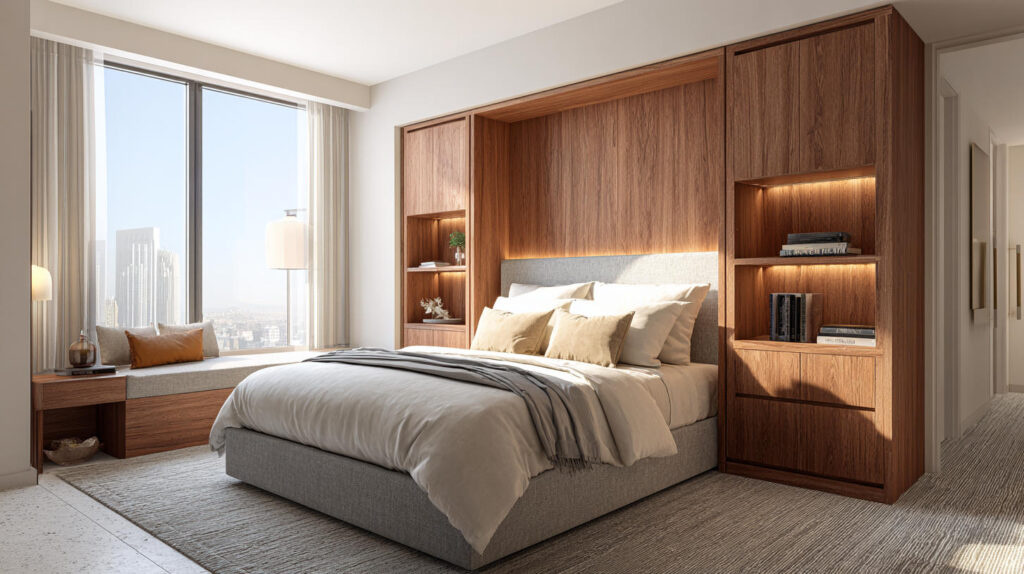
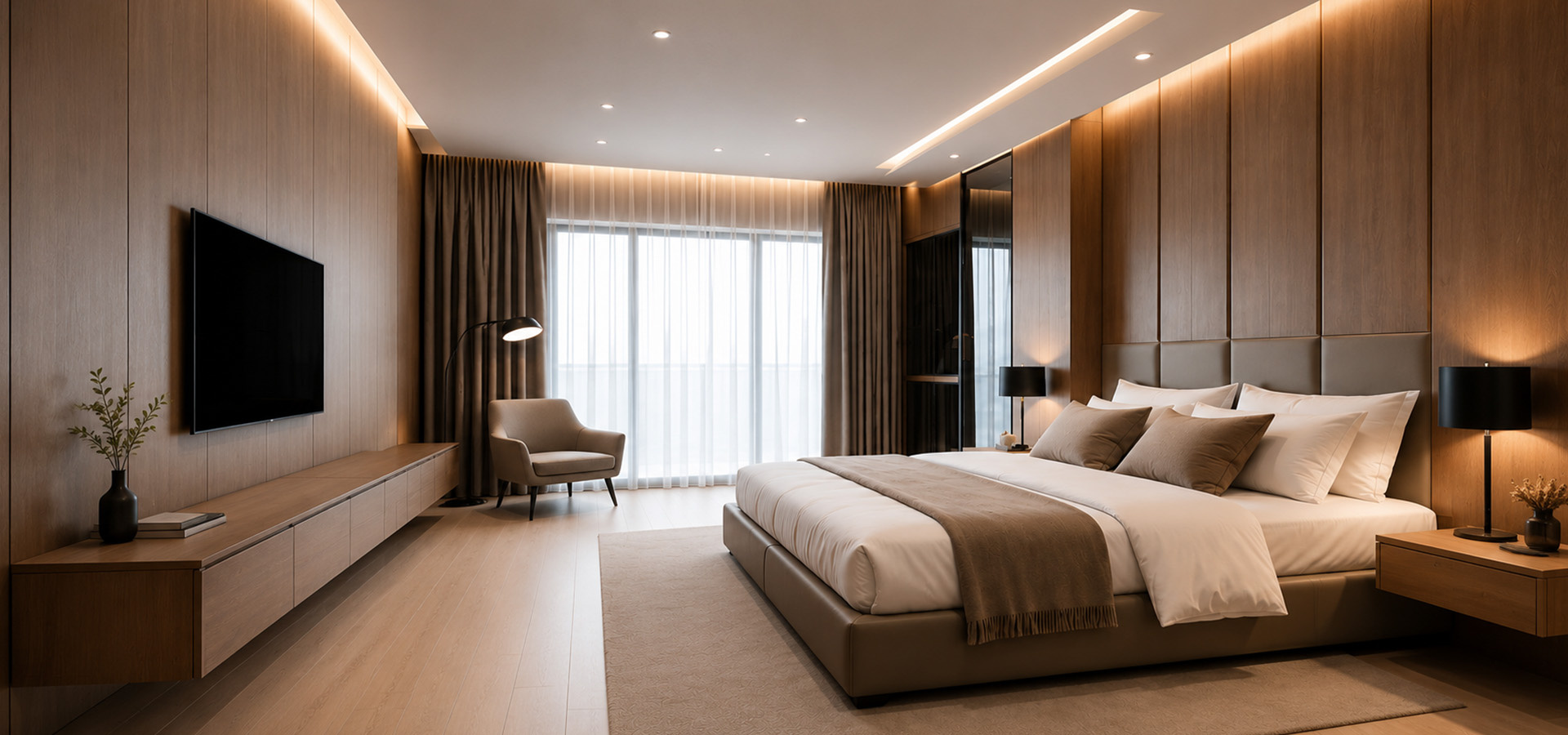
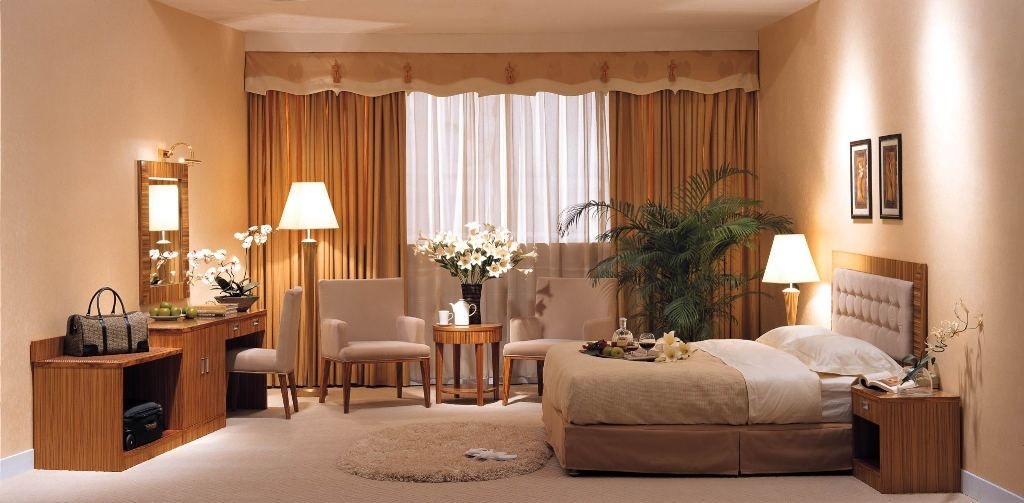
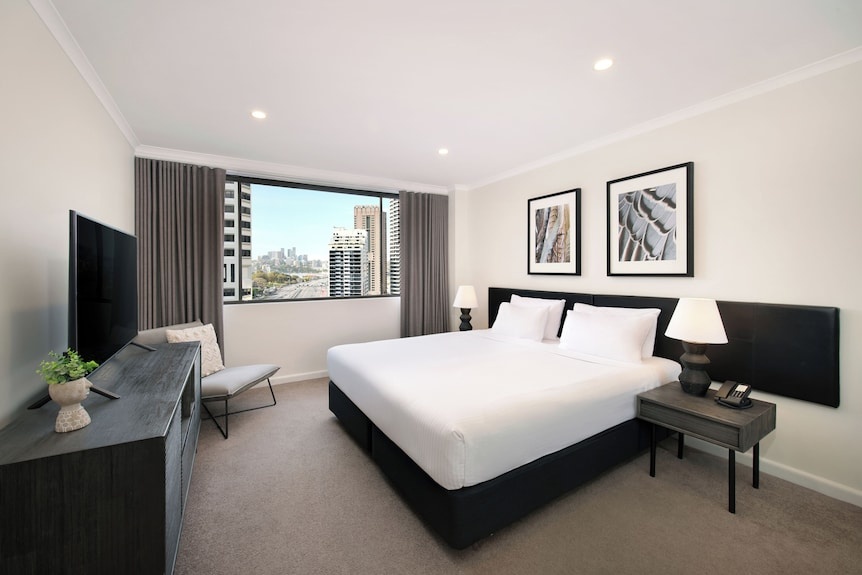
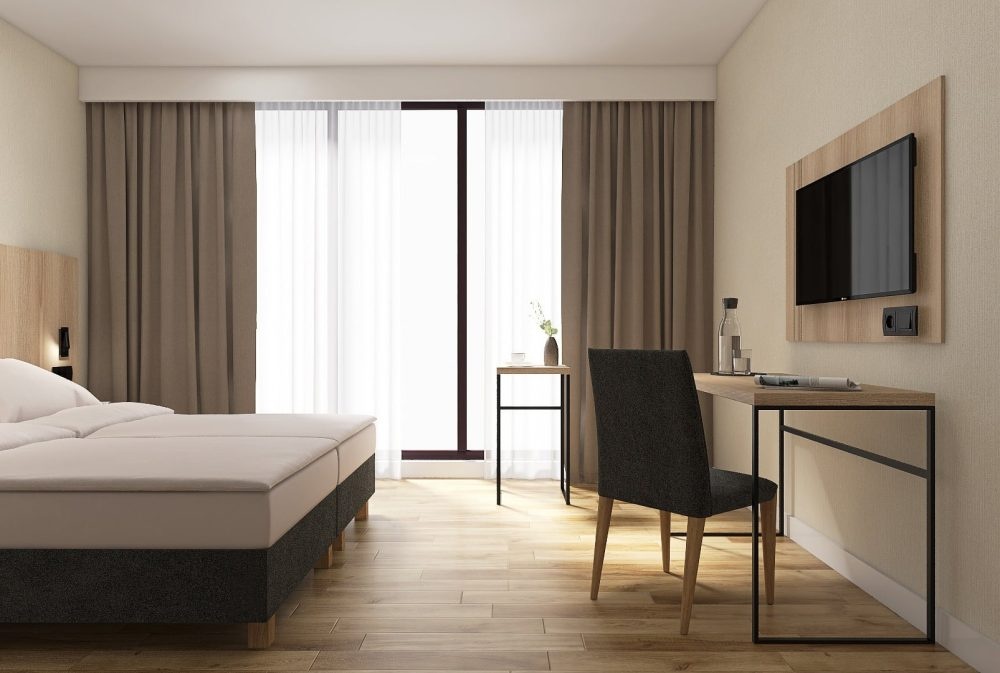
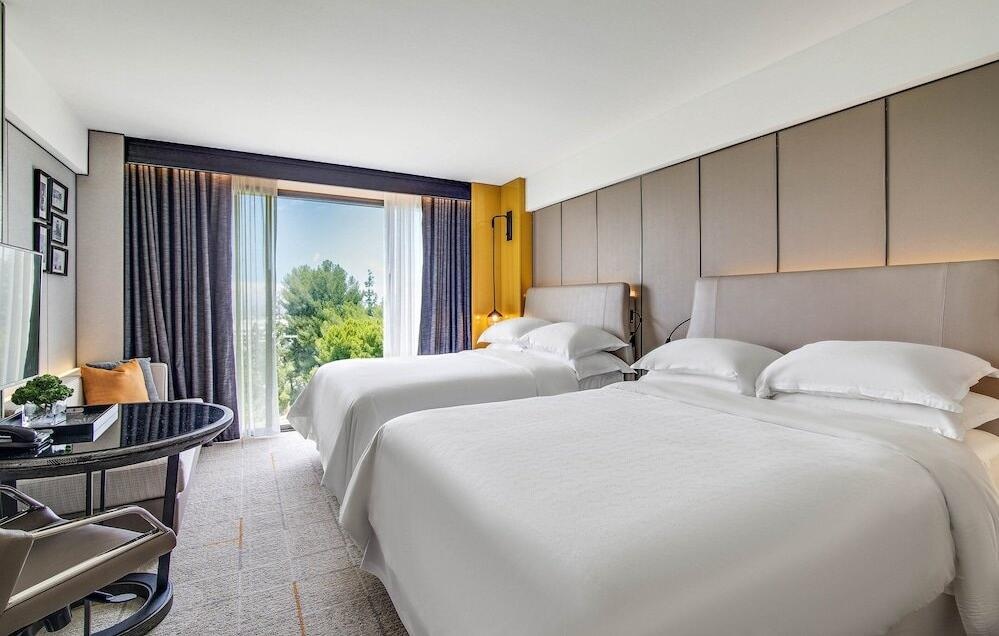
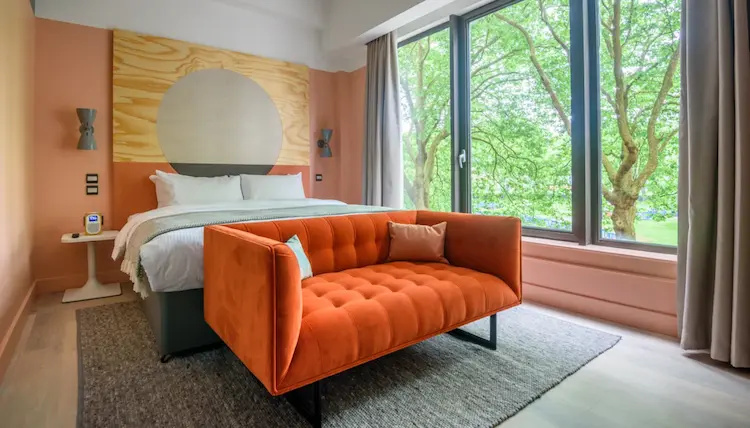
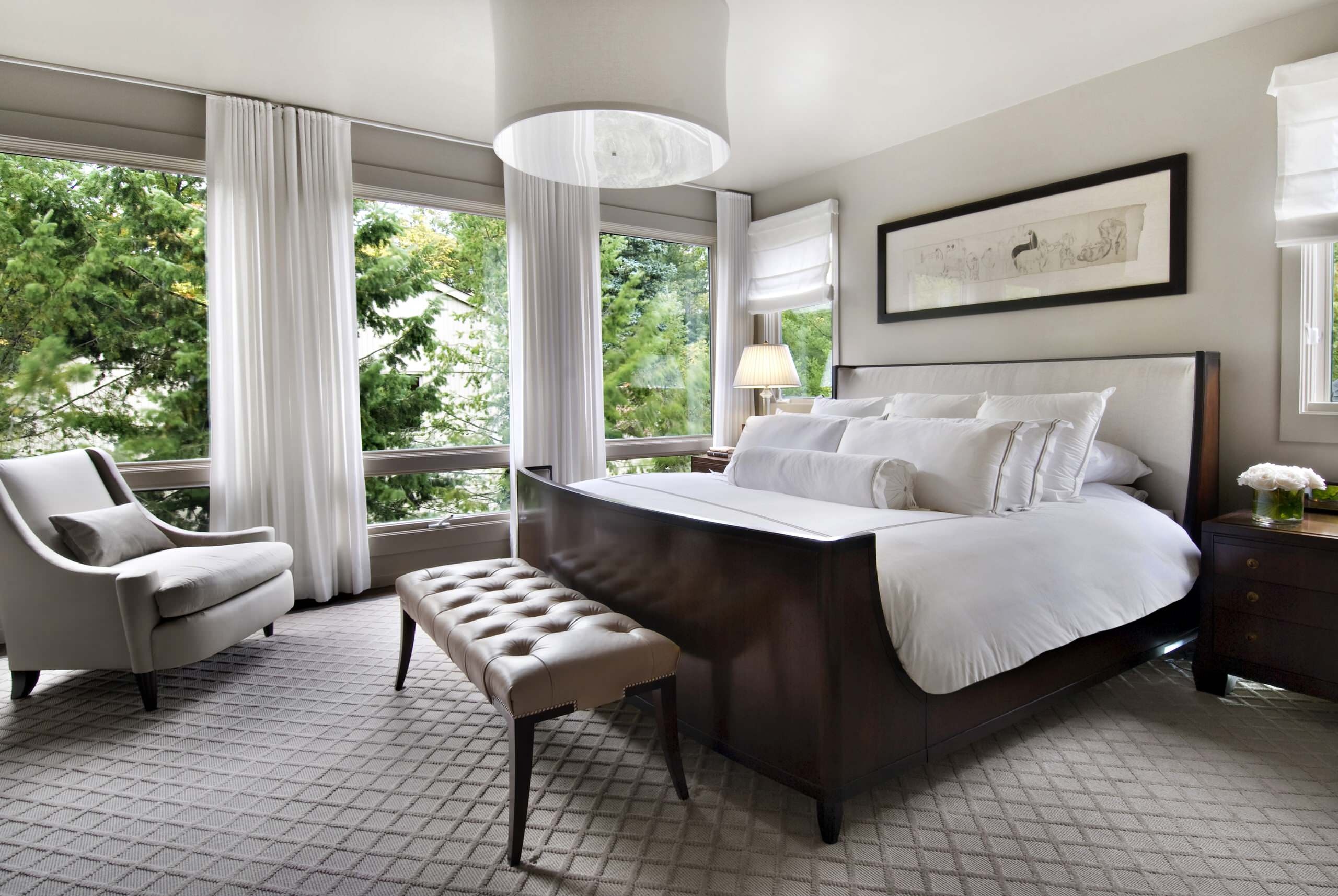
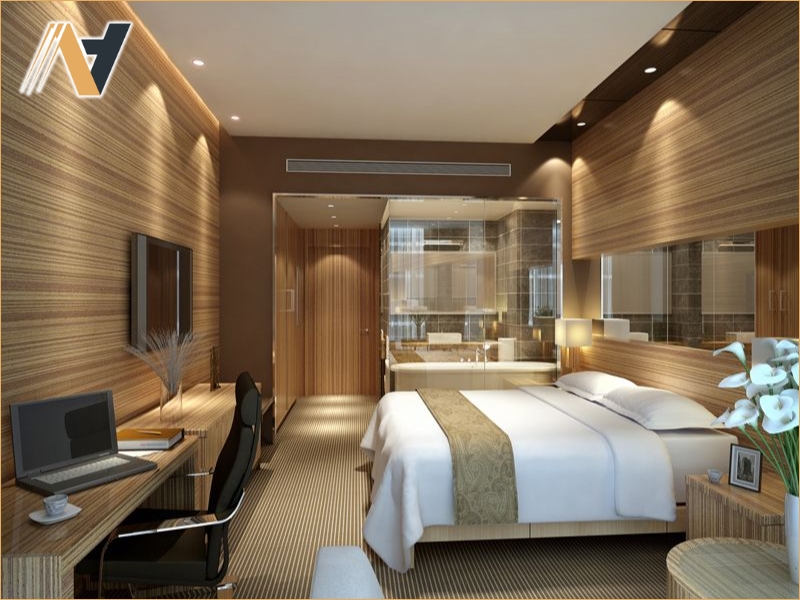
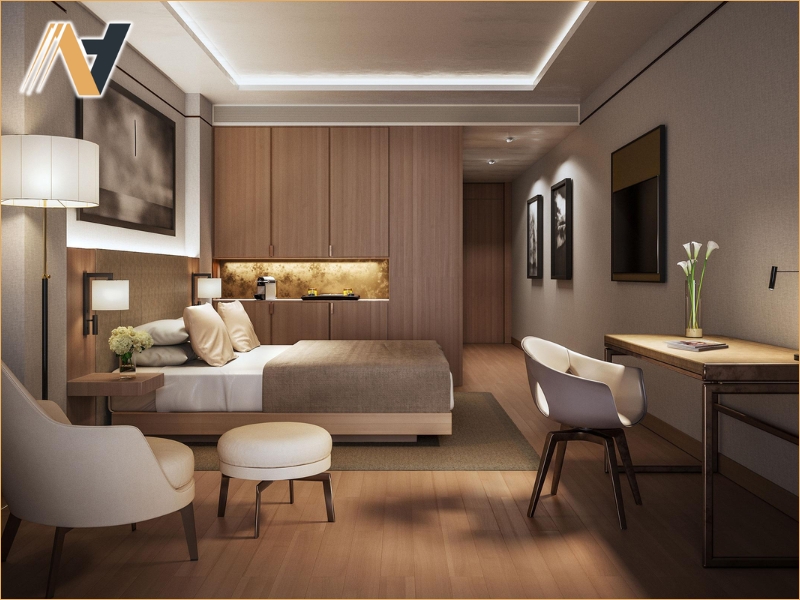
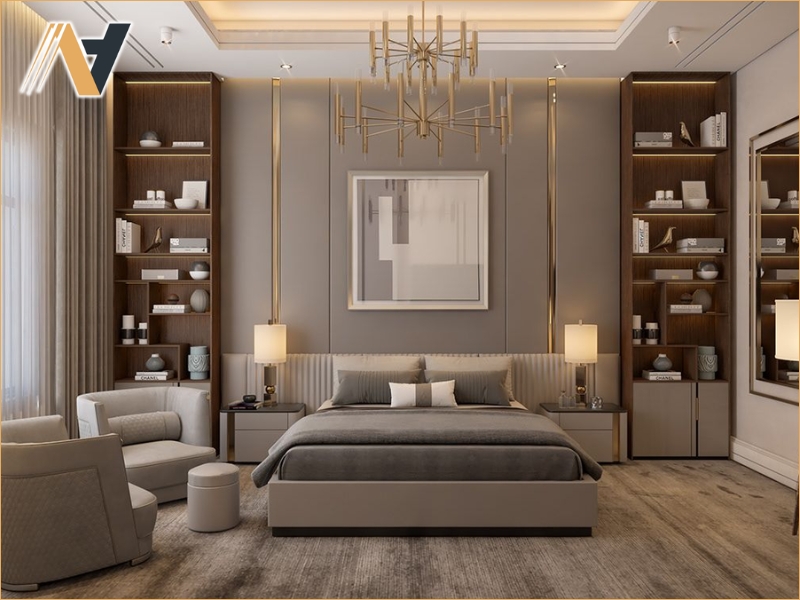
The guest room remains the most influential space in any hotel stay. Furniture here must combine comfort, durability, and refined aesthetics to meet higher hospitality expectations. Beds, wardrobes, desks, and lounge seating should feel thoughtfully proportioned and visually harmonious, creating a sense of calm and sophistication.
2.2 Lobby and reception furniture
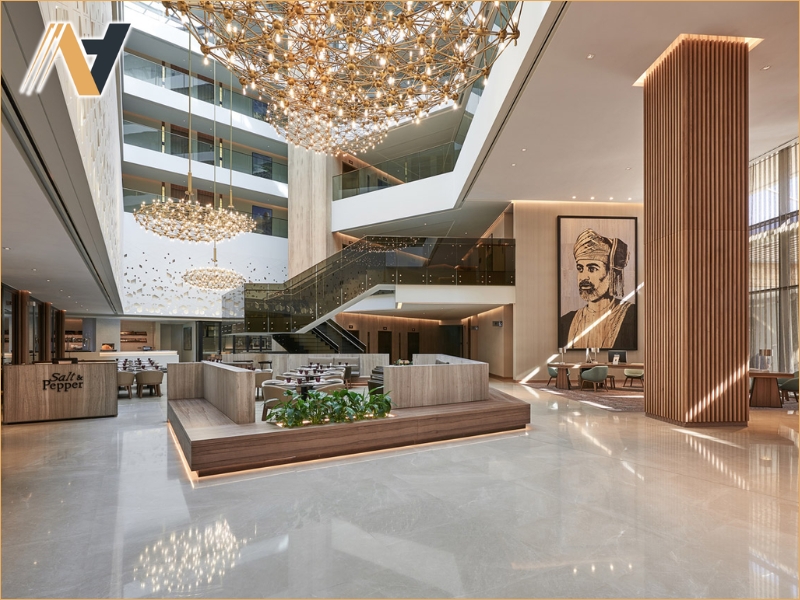
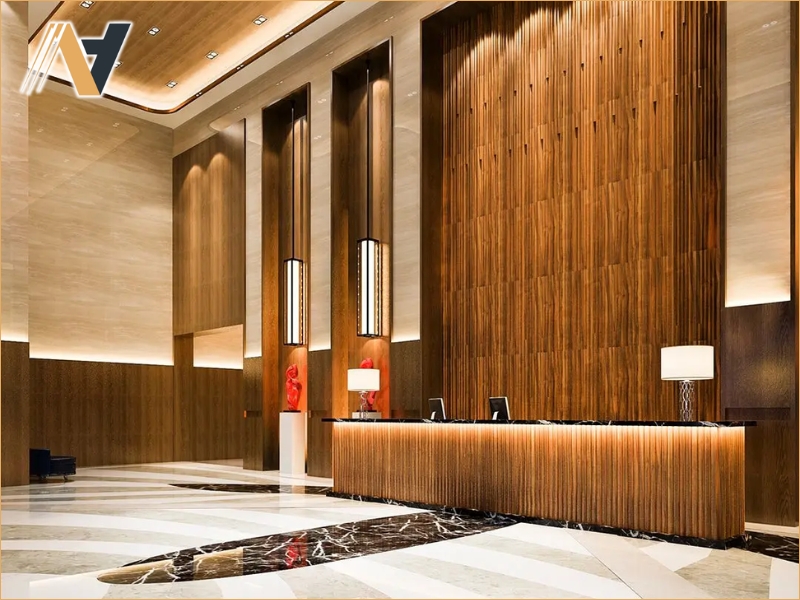
The lobby introduces the character of the property long before guests reach their rooms. Reception counters, lounge sofas, and accent tables should communicate elegance and professionalism through both design and material quality. When these elements are carefully selected, the entire arrival experience feels more welcoming and memorable.
2.3 Restaurant and lounge environments
Dining spaces contribute strongly to how guests perceive the overall standard of the hotel. Chairs must remain comfortable throughout longer meals, while tables should balance durability with visual refinement. Well-designed restaurant furniture encourages guests to linger, transforming meals into relaxed and enjoyable moments within the property.
3. Material Selection for Higher Hospitality Standards
Materials shape both the visual character and the long-term performance of hotel furniture. When a property prepares for a higher star rating, finishes and textures must communicate refinement while remaining durable under continuous use. Careful material selection ensures that interiors feel sophisticated yet practical for daily operations.
3.1 Natural materials and tactile quality
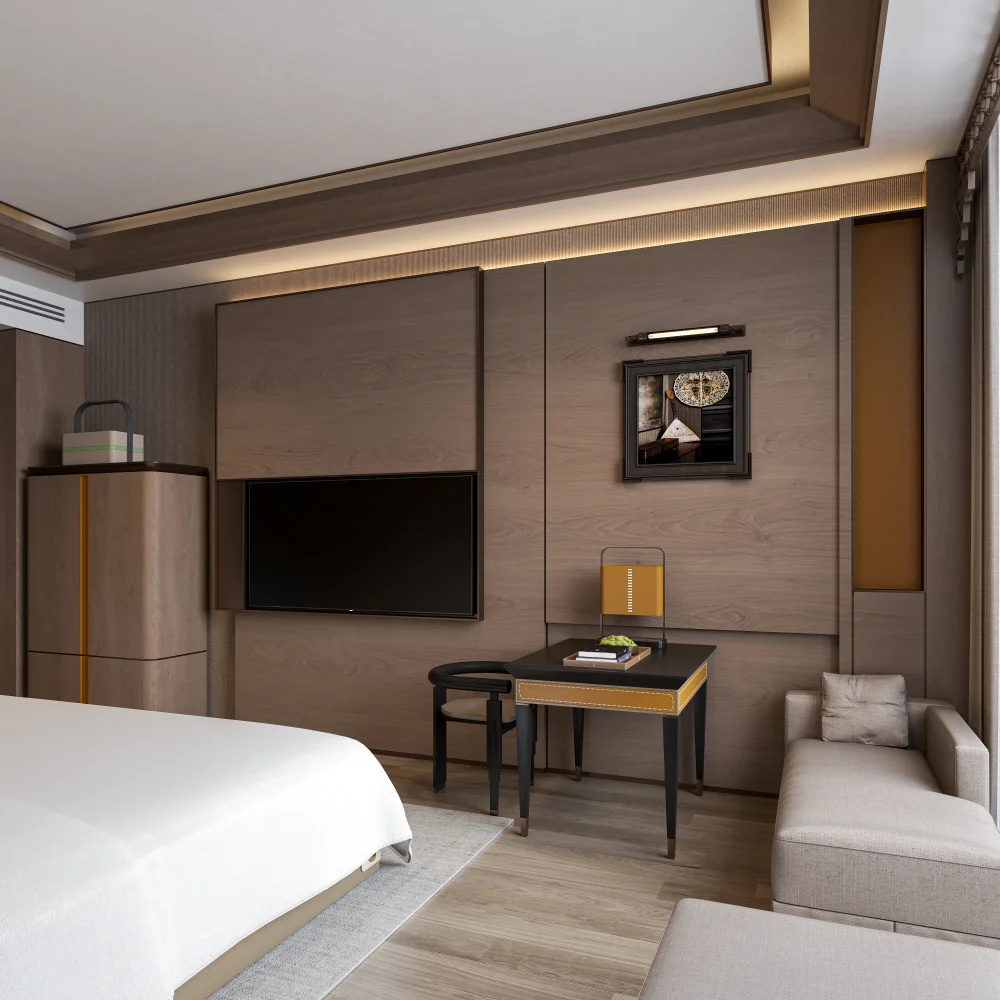
Natural surfaces introduce warmth and authenticity that guests instinctively associate with upscale hospitality. Wood veneers, stone accents, and textured fabrics create visual depth while offering pleasant tactile experiences. These materials help transform furniture from simple functional objects into elements that enrich the atmosphere of the room.
3.2 Durability for high-traffic environments
Hospitality furniture must endure frequent use without losing its elegance. Reinforced structures, commercial-grade upholstery, and scratch-resistant finishes help maintain appearance even in busy environments. When durability is carefully considered during material selection, the hotel preserves its refined image for years to come.
4. Balancing Design Identity with Modern Expectations
Upgrading a hotel’s star rating should elevate the experience without erasing the character that defines the property. Furniture selection therefore becomes a careful balance between preserving identity and introducing modern hospitality standards. When executed thoughtfully, new interiors feel like a natural evolution rather than a complete transformation.
4.1 Preserving brand personality
Every hotel develops a visual personality through its architecture, colors, and decorative elements. New furniture should respond to this existing language by echoing proportions, tones, and materials that guests already recognize. This continuity helps maintain familiarity while quietly raising the overall level of refinement.
4.2 Introducing modern hospitality features
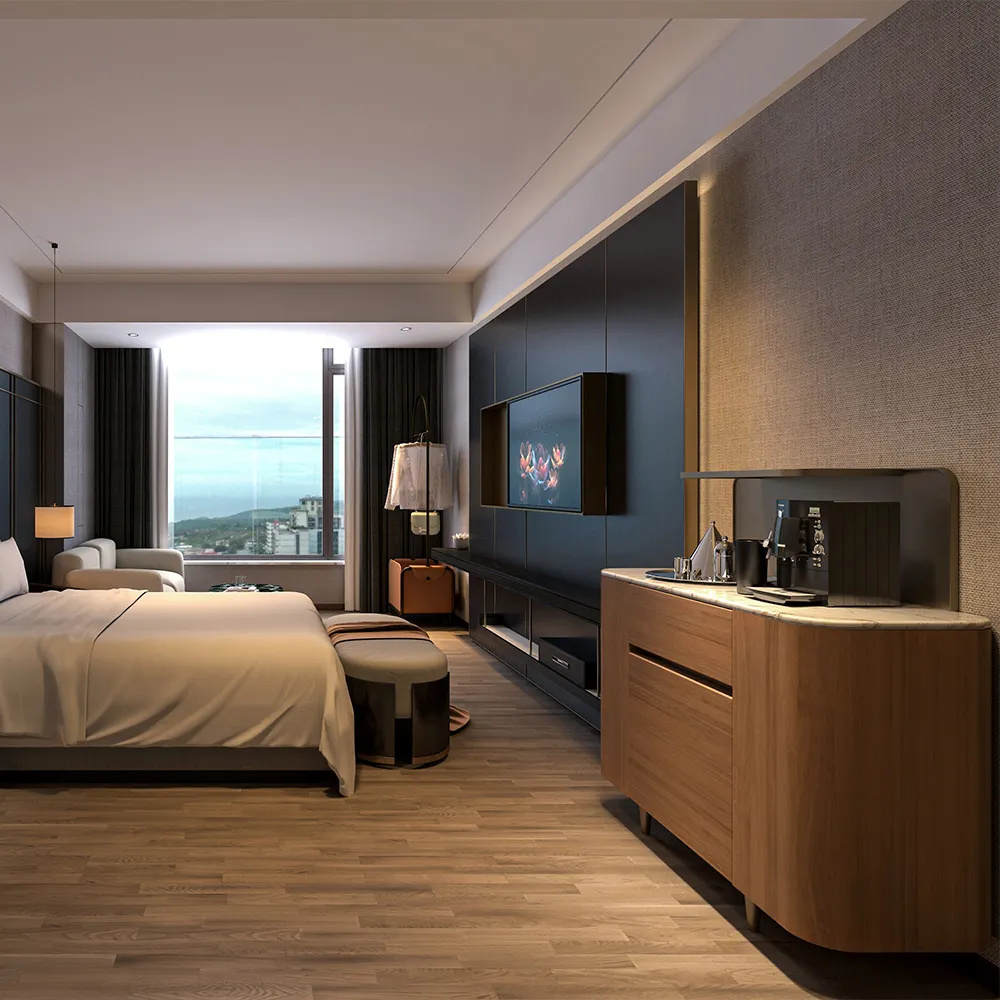
While identity should remain intact, modern guests expect greater convenience and comfort. Integrated lighting, improved storage solutions, and ergonomic seating enhance usability without overwhelming the original design concept. These subtle updates allow interiors to feel contemporary while remaining elegant and balanced.
4.3 Creating cohesive visual flow
Consistency across spaces is essential when aiming for a higher hospitality standard. Furniture in guestrooms, corridors, and public areas should share complementary materials and design elements. A coherent visual rhythm throughout the property strengthens the perception of professionalism and luxury.
5. Working with Manufacturers During the Upgrade Process
Selecting furniture for a star upgrade becomes far more effective when designers collaborate closely with experienced manufacturers. Beyond aesthetics, production knowledge ensures that each piece aligns with operational needs, installation schedules, and long-term durability. This collaboration transforms design ideas into furniture that performs reliably in real hospitality environments.
5.1 Custom production for hospitality projects
Hotel interiors often require dimensions and configurations not available in standard retail furniture. Custom manufacturing allows each item to respond precisely to room layouts, circulation paths, and guest comfort expectations. This tailored approach ensures that furniture integrates naturally with the architecture of the property.
5.2 Prototype and mockup evaluation
Producing sample pieces before full production provides an opportunity to evaluate both design and functionality. Designers and operators can assess comfort, finishing quality, and construction details in real space conditions. Adjustments made at this stage help prevent inconsistencies when manufacturing larger quantities.
5.3 Coordinating production and installation schedules
Hotels preparing for a star upgrade typically operate within strict timelines. Close coordination between the project team and the manufacturer ensures that furniture production aligns with renovation progress. When schedules are carefully managed, installation proceeds smoothly and the property can reopen with renewed interiors on time.
Conclusion
Selecting the right furniture is a decisive step when a hotel prepares to achieve a higher star rating. Thoughtfully chosen materials, refined craftsmanship, and well-balanced layouts help transform everyday spaces into environments that reflect elevated hospitality standards and deliver a more memorable guest experience.
For hotels planning this transition, working with an experienced manufacturer ensures that every piece supports both aesthetic ambition and long-term durability. Ngoc Hoang Anh provides premium Vietnam hotel furniture solutions tailored to meet the expectations of modern hospitality projects.
Contact us today for expert consultation and bespoke hospitality furniture production designed to support your hotel’s next level of excellence.
-----
NGOC HOANG ANH TRADING COMPANY LIMITED
Tax Code: 3702874413
Address: No. 288/28/10 Huynh Van Luy Street, Zone 7, Phu Loi Ward, Ho Chi Minh City, Vietnam
Warehouse: No. 1/91, Thuan Giao 02 Street, Binh Thuan 2 Residential Quarter, Thuan Giao Ward, Ho Chi Minh City, Vietnam
Phone/Whatsapp/Wechat: +84342076666
Email: info@ngochoanganh.com.vn