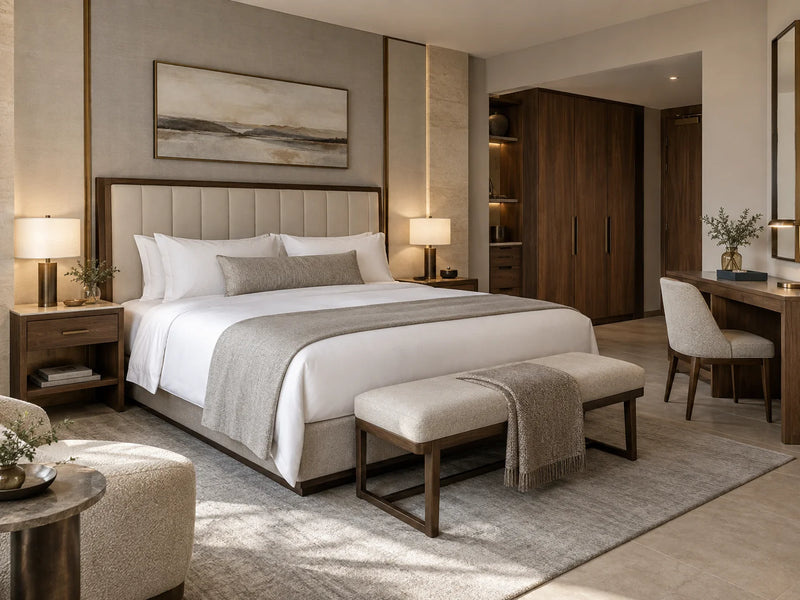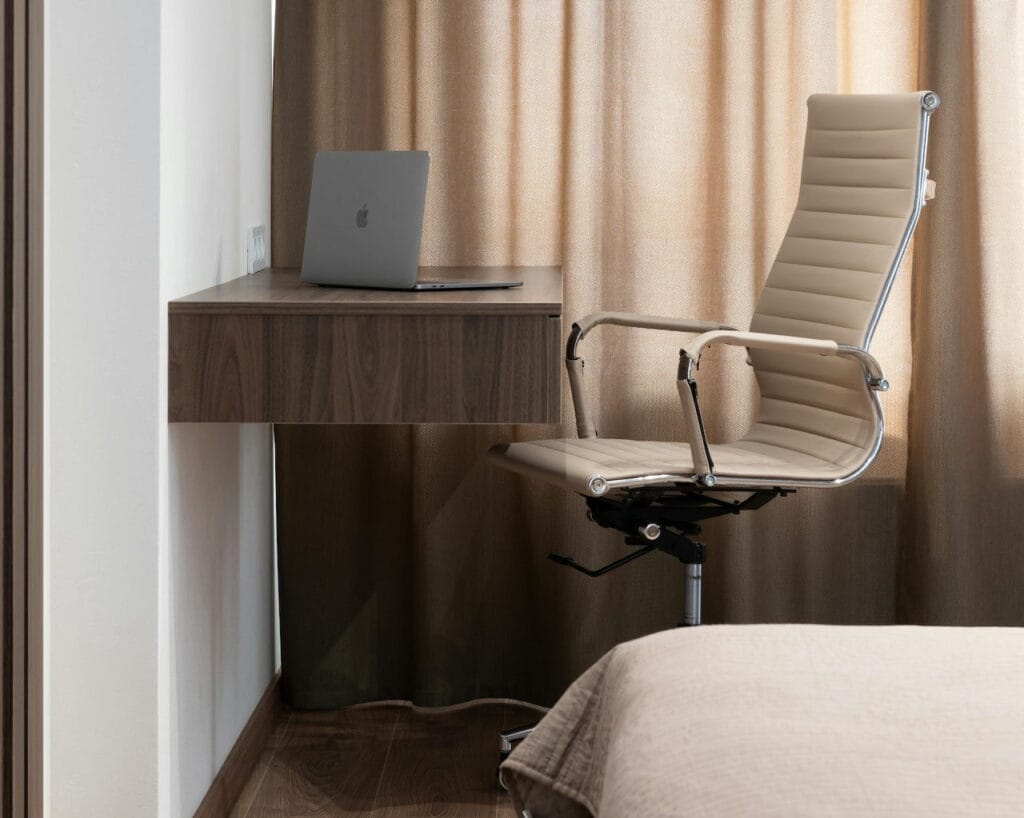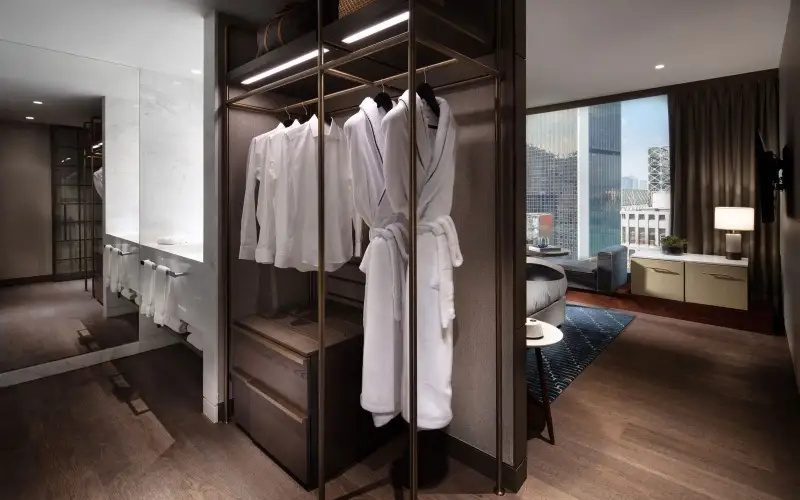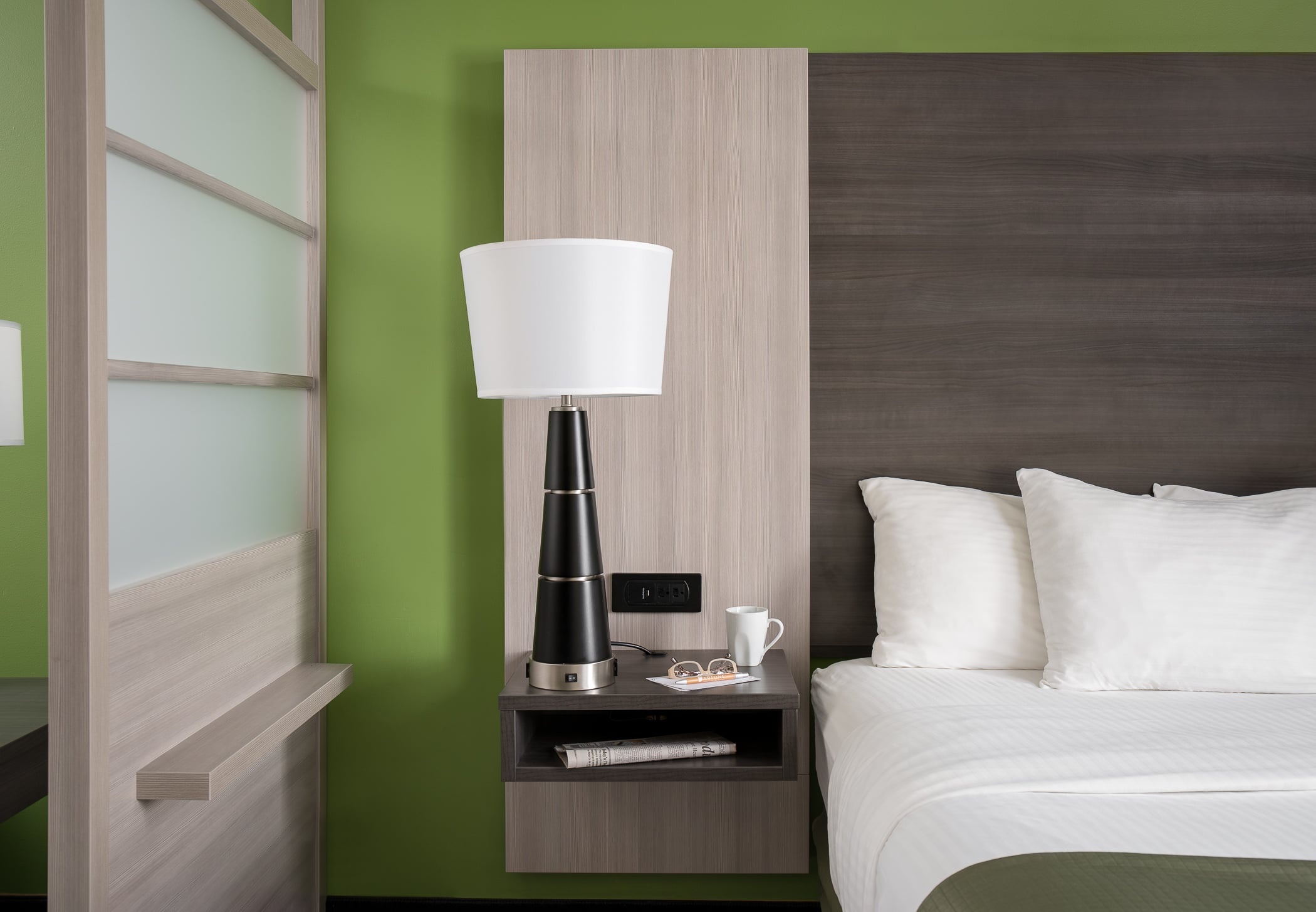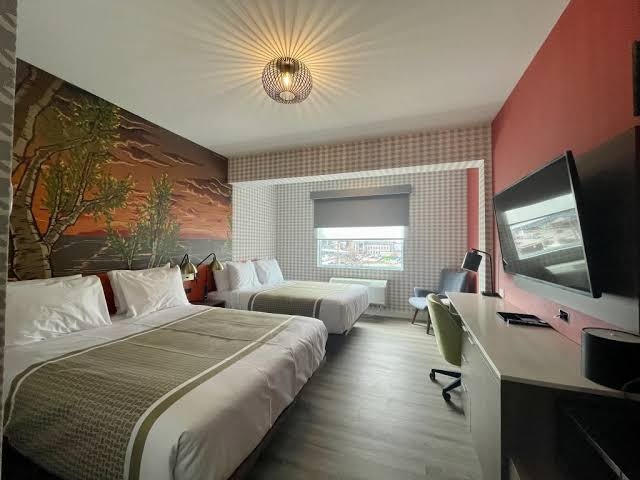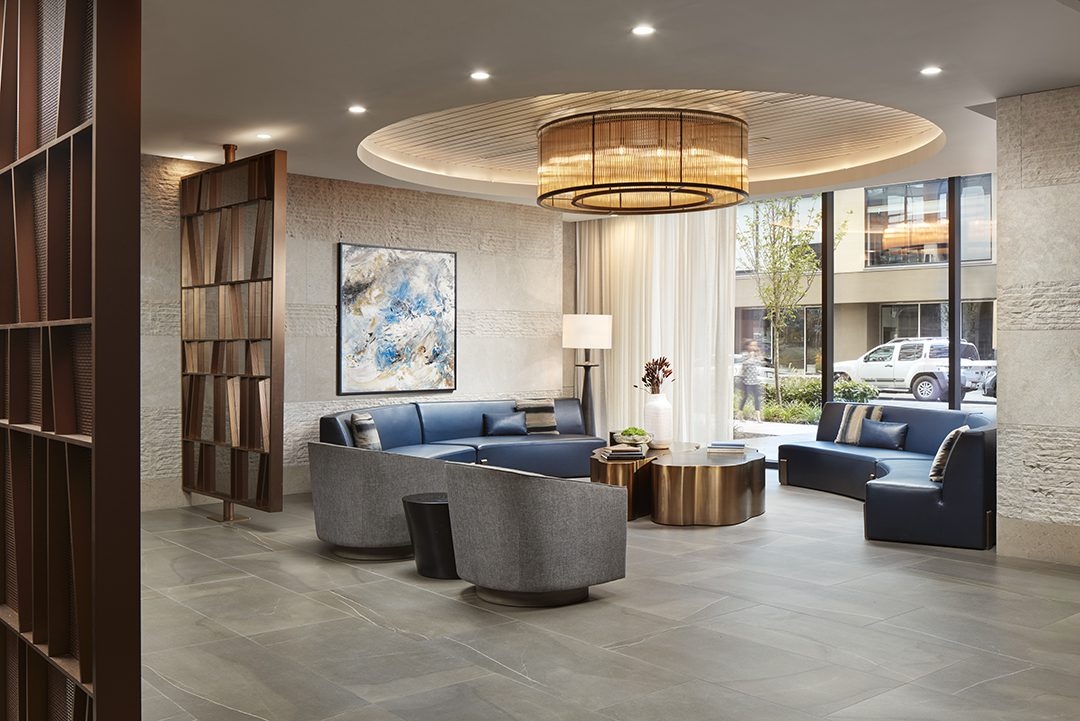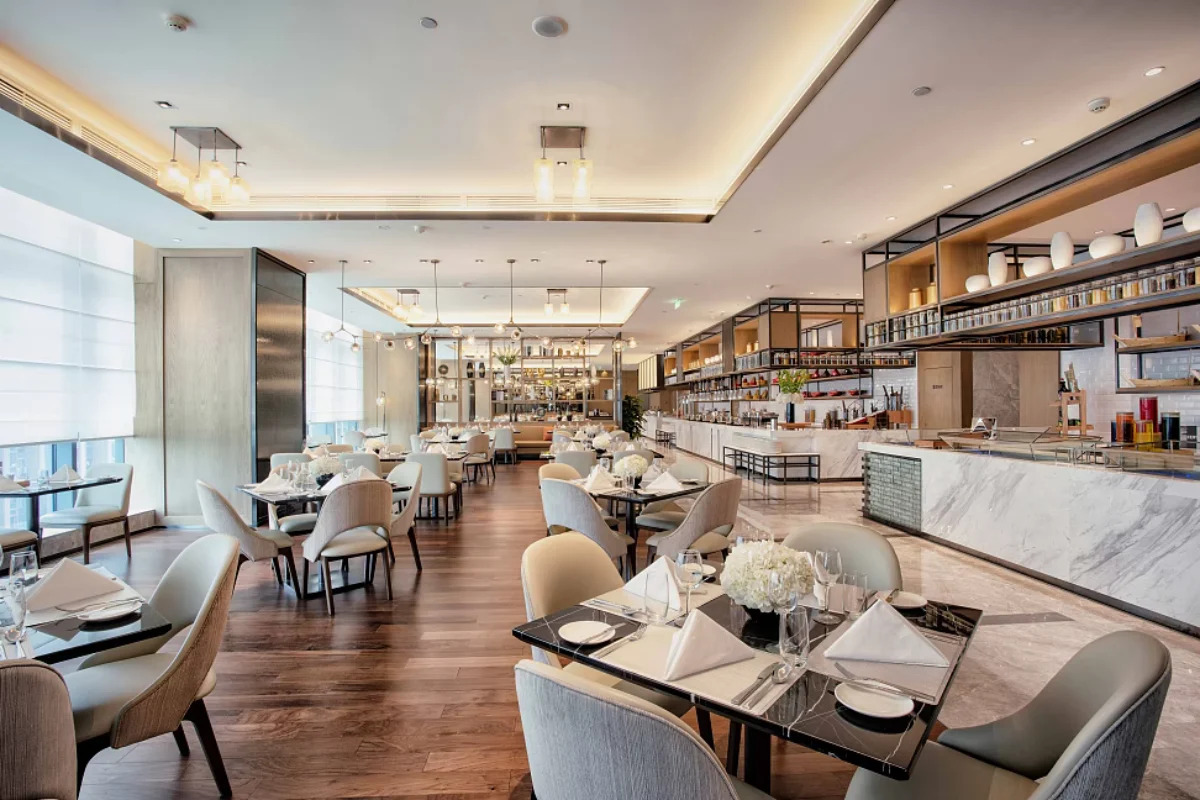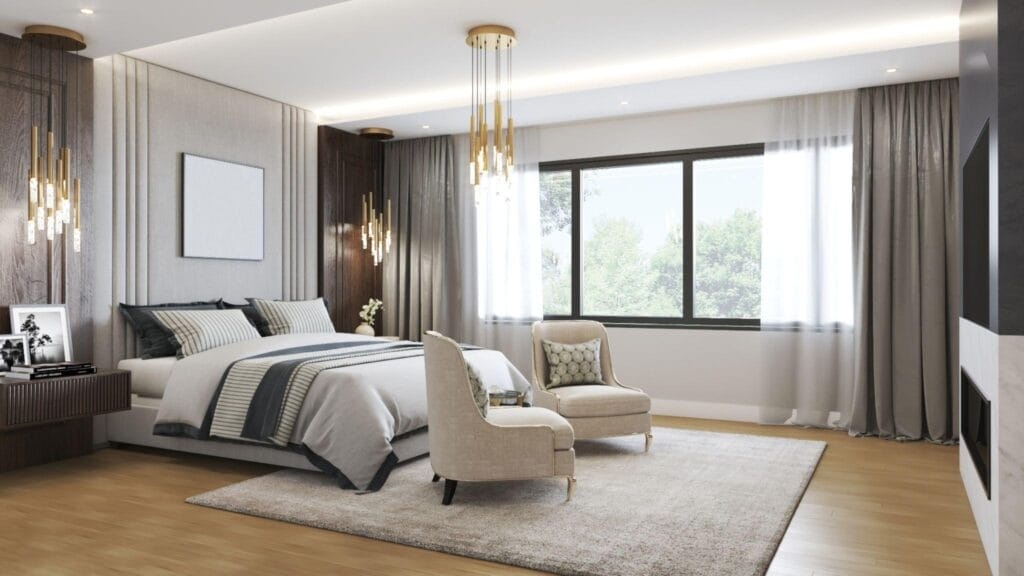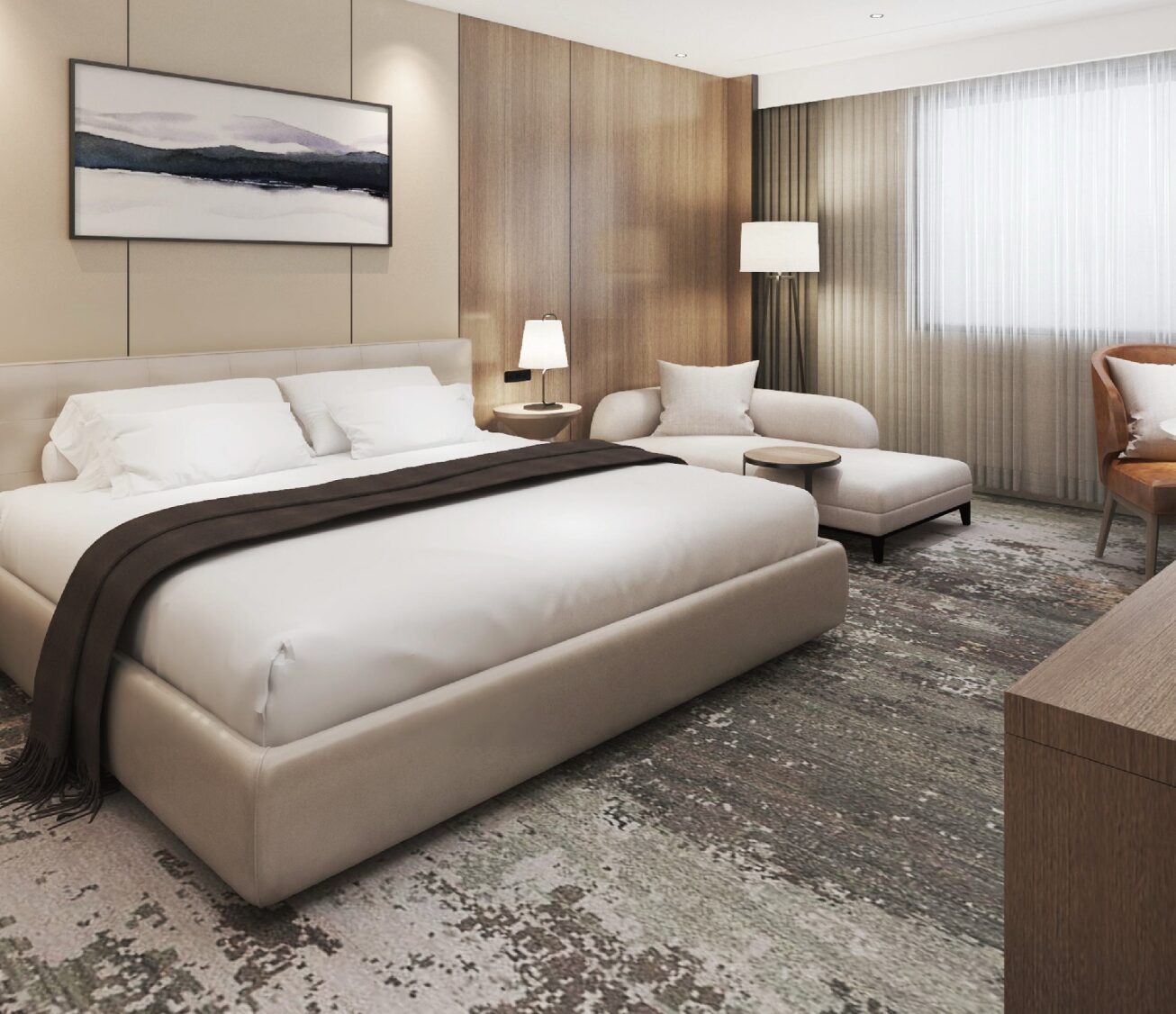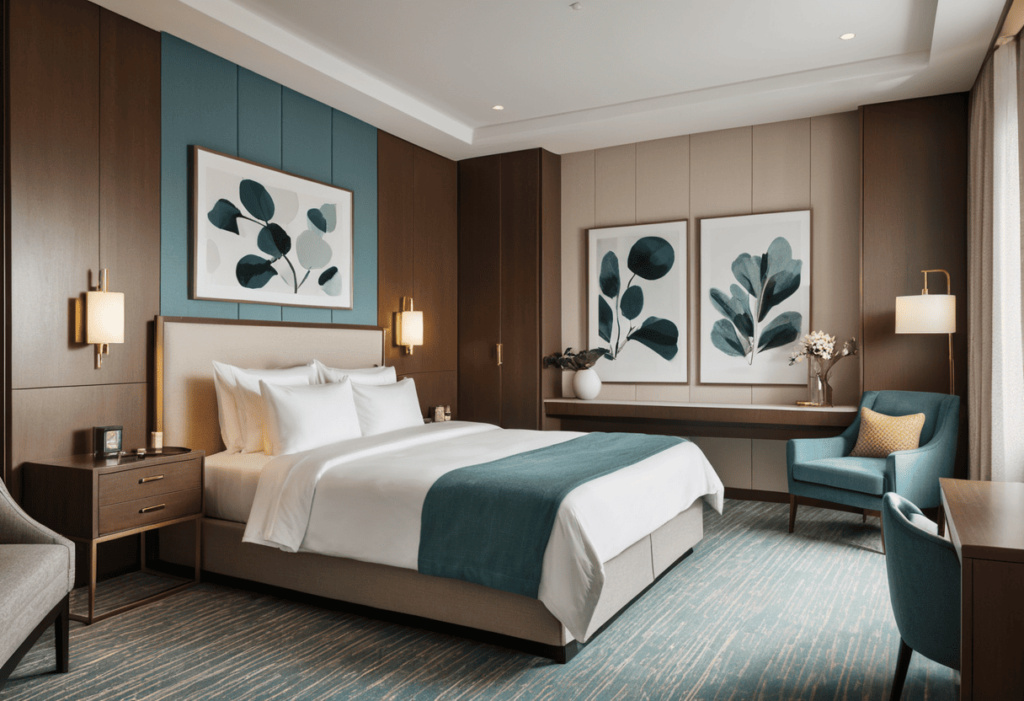
Guests Remember Hotels by Feelings, Not Images
Thứ 6, 27/02/2026
Administrator
256
Guests rarely recall a hotel as a collection of objects, they remember how the space made them feel. Touch, scent, comfort, and subtle details shape emotional impressions that last longer than photographs. In this article, Ngoc Hoang Anh explores how interior furniture influences those intangible memories.
1. Memory in Hospitality Is Emotional, Not Visual
A hotel stay fades from the mind as a feeling long before it remains as an image. Guests may forget the exact pattern of a carpet or the shape of a chair, yet they remember the calm that welcomed them at the door. Hospitality lives in emotion, and interiors become meaningful only when they touch the senses rather than the camera lens.
1.1 The Psychology of Hotel Experience
Human memory is built around comfort and security. When a room offers gentle support through a well crafted armchair or a perfectly balanced bed, the body relaxes and the mind records that moment as care. This emotional response becomes the true signature of the hotel, more powerful than any visual composition.
1.2 Moments Rather Than Objects
Guests do not recall furniture as isolated products. They remember the evening spent reading beside a soft headboard, the breakfast enjoyed at a warm timber table, the quiet pause on a balcony seat. These moments weave together into a personal story in which objects disappear and sensations remain.
1.3 Subtle Triggers of Emotion
The temperature of a stone surface, the gentle resistance of upholstery, the muted sound of a drawer closing shape impressions without being noticed. Such delicate signals guide mood and behavior, teaching guests how to feel inside the space before they even begin to observe it.
2. Furniture as a Silent Storyteller
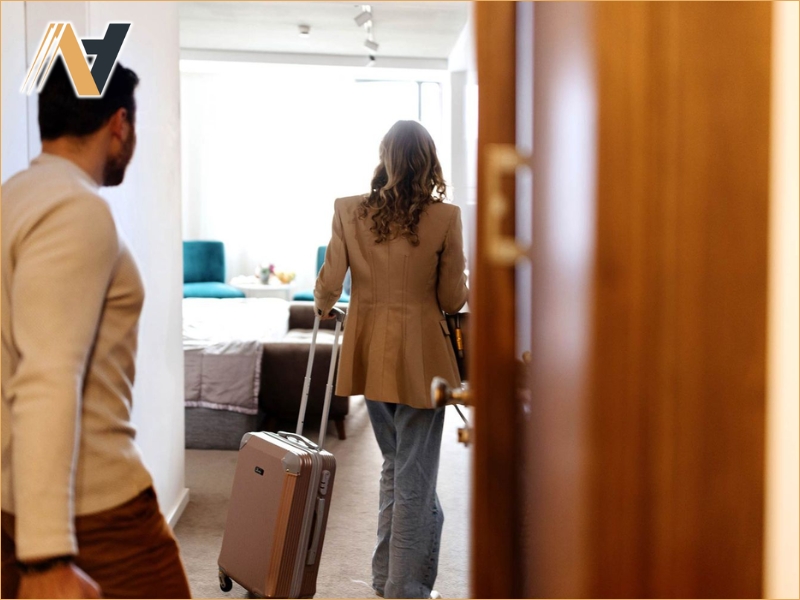
Furniture speaks in a language without words. Through form, texture, and proportion, it tells guests what kind of place they have entered and how they are expected to feel. In luxury hotels, every piece becomes a quiet narrator that shapes the identity of the property long after the stay has ended.
2.1 Texture That Speaks
The hand recognizes quality before the eyes confirm it. A velvet armchair invites a slower movement, a brushed oak tabletop suggests warmth and honesty, while cool metal details add a note of refinement. These tactile messages build an atmosphere that no photograph can fully capture, guiding emotions with gentle certainty.
2.2 Proportion and Human Comfort
True elegance is measured by the body. When the height of a sofa supports conversation and the depth of a lounge chair embraces relaxation, guests feel respected by the space. Balanced proportions create a sense of belonging, allowing individuals to inhabit the room naturally rather than merely observe it.
3. Designing for the Senses Beyond Sight
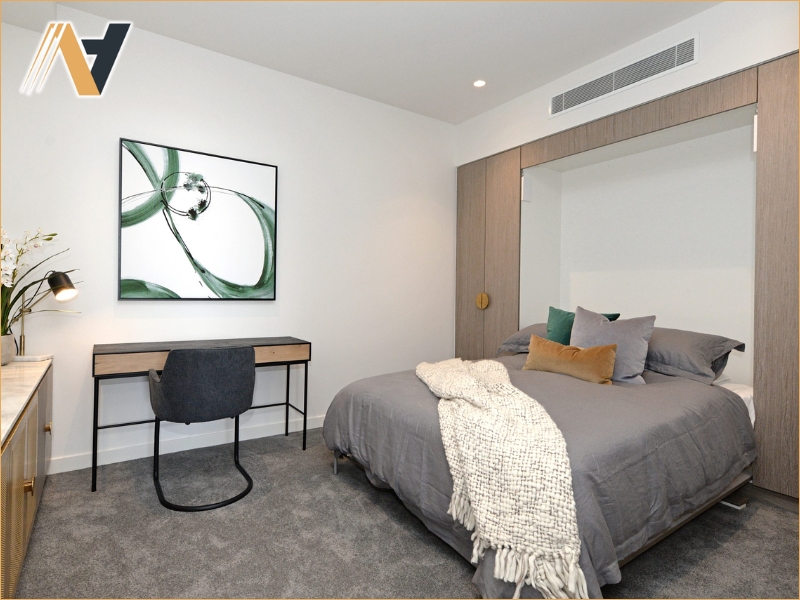
Visual beauty opens the door, yet the other senses decide whether guests wish to stay. A hotel interior becomes memorable when touch, sound, and movement work together with form. Thoughtful furniture design embraces this multisensory dimension, creating experiences that linger gently in the heart.
3.1 Touch as the Strongest Memory
The hand remembers what the eye soon forgets. The softness of a leather headboard, the smooth edge of a bedside table, the comforting density of a mattress communicate care in a direct and intimate way. These tactile encounters form private connections between the guest and the room, deeper than any decorative gesture.
3.2 Acoustic Comfort in Furniture
Silence in hospitality is rarely accidental. Upholstered panels, padded chairs, and well constructed wardrobes absorb the restless noise of travel. When furniture controls echoes and softens footsteps, the room feels protective, allowing conversation and rest to unfold without intrusion.
3.3 The Rhythm of Movement
Furniture also choreographs the body through space. A gently curved sofa slows the pace, a well placed console invites a moment to pause, and the distance between bed and window shapes morning routines. This invisible rhythm teaches guests how to inhabit the hotel with ease and pleasure.
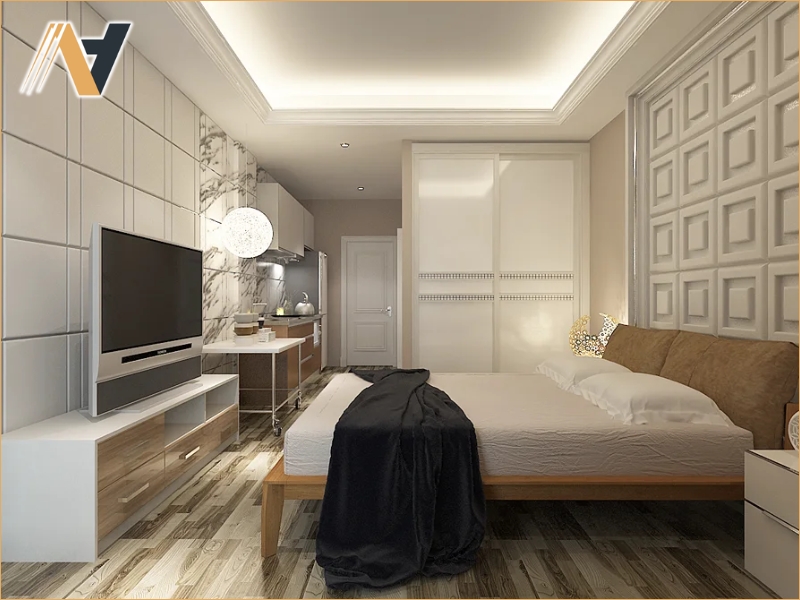
4. From Manufacturing to Emotional Outcome
Emotions experienced in a hotel room are quietly born in the factory long before guests arrive. The way furniture is engineered, assembled, and finished determines whether comfort feels genuine or artificial. Manufacturing is therefore not only a technical process but a subtle act of shaping future memories.
4.1 Craftsmanship and Authentic Feeling
Hand finished edges, carefully matched veneers, and precise upholstery seams transmit a sense of honesty. Guests may not analyze these details, yet they instinctively feel the difference between hurried production and patient craftsmanship. Authentic making becomes an invisible promise of respect toward the traveler.
4.2 Consistency Across Hundreds of Rooms
Luxury loses meaning when comfort varies from one room to another. Reproducing the same softness of a chair or the same warmth of a timber surface across large quantities requires disciplined control and experienced hands. Consistency allows every guest to encounter the same welcoming emotion, regardless of the room they enter.
4.3 Details Guests Never See
Inside each piece lie structures that shape daily sensations. The density of foam, the flexibility of webbing, the strength of hidden frames decide how furniture supports the body year after year. Though unseen, these elements carry the responsibility of preserving the original feeling envisioned by the designer.
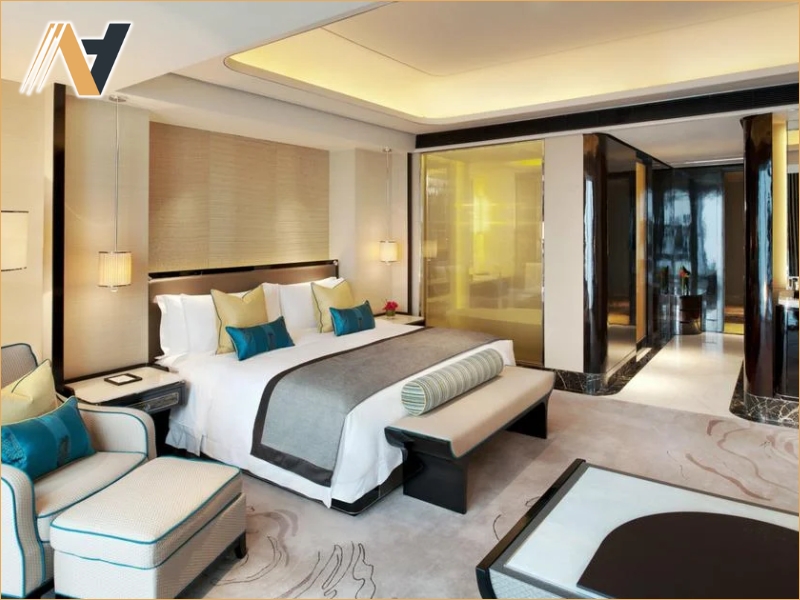
5. Creating Memories Through Long-Term Use
Hotel memories do not end on the day of check-out. They mature over repeated visits and through the quiet reliability of furniture that ages with dignity. When interiors remain comfortable and beautiful after years of service, the emotional bond between guest and hotel becomes deeper and more personal.
5.1 Aging Gracefully
Well made furniture changes gently rather than deteriorates. Timber develops a soft patina, fabrics retain their welcoming touch, and structures keep their reassuring stability. This graceful aging tells guests that the hotel values longevity over fashion, creating trust that grows with time.
5.2 Relationship Between Durability and Emotion
Durability is an emotional quality as much as a technical one. A chair that supports the body consistently, a wardrobe door that closes with the same calm sound, a desk that feels familiar on every return visit shape a sense of belonging. Through endurance, furniture becomes part of the guest’s personal history with the hotel.
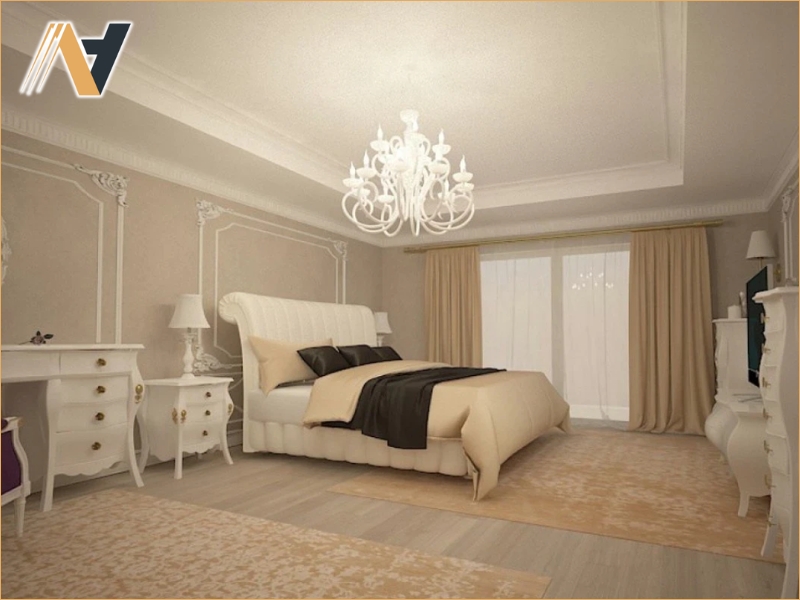
Conclusion
A hotel lives in the heart of its guests through feelings rather than pictures. Furniture, textures, and subtle sensory details create impressions that remain long after visual memories fade. Ngoc Hoang Anh approaches every project with this emotional perspective, shaping interiors that speak gently to those who inhabit them. Discover more about thoughtfully crafted Vietnam hotel furniture to build experiences guests will carry with them for years.
Contact us today for expert consultation and bespoke hospitality furniture production.
-----
NGOC HOANG ANH TRADING COMPANY LIMITED
Tax Code: 3702874413
Address: No. 288/28/10 Huynh Van Luy Street, Zone 7, Phu Loi Ward, Ho Chi Minh City, Vietnam
Warehouse: No. 1/91, Thuan Giao 02 Street, Binh Thuan 2 Residential Quarter, Thuan Giao Ward, Ho Chi Minh City, Vietnam
Phone/Whatsapp/Wechat: +84342076666
Email: info@ngochoanganh.com.vn