Wall-Mounted vs Freestanding Headboards in Hotels
Thứ 5, 05/03/2026
Administrator
256
Headboards play a subtle yet important role in shaping the comfort and visual identity of a hotel guestroom. When planning new interiors or renovations, designers often face a practical choice between wall-mounted and freestanding headboards. This article explores how each option influences installation efficiency, maintenance, and long-term usability.
1. Understanding the Two Headboard Systems
In hotel guestrooms, the headboard is more than a decorative backdrop. It influences installation methods, furniture integration, and long-term maintenance. Understanding the structural differences between wall-mounted and freestanding headboards helps designers and operators choose a system that supports both aesthetic goals and operational efficiency.
1.1 Wall-mounted headboards
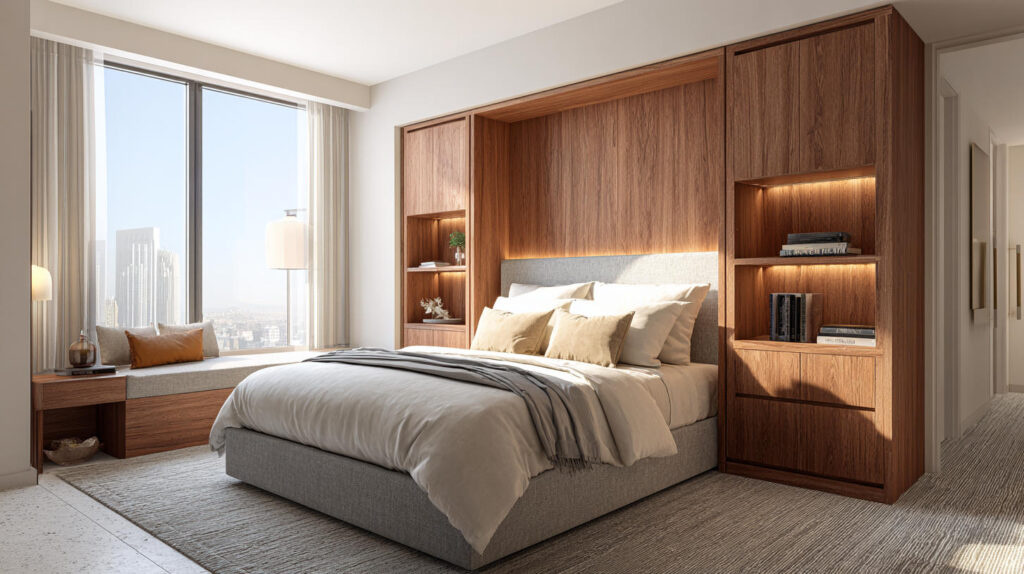
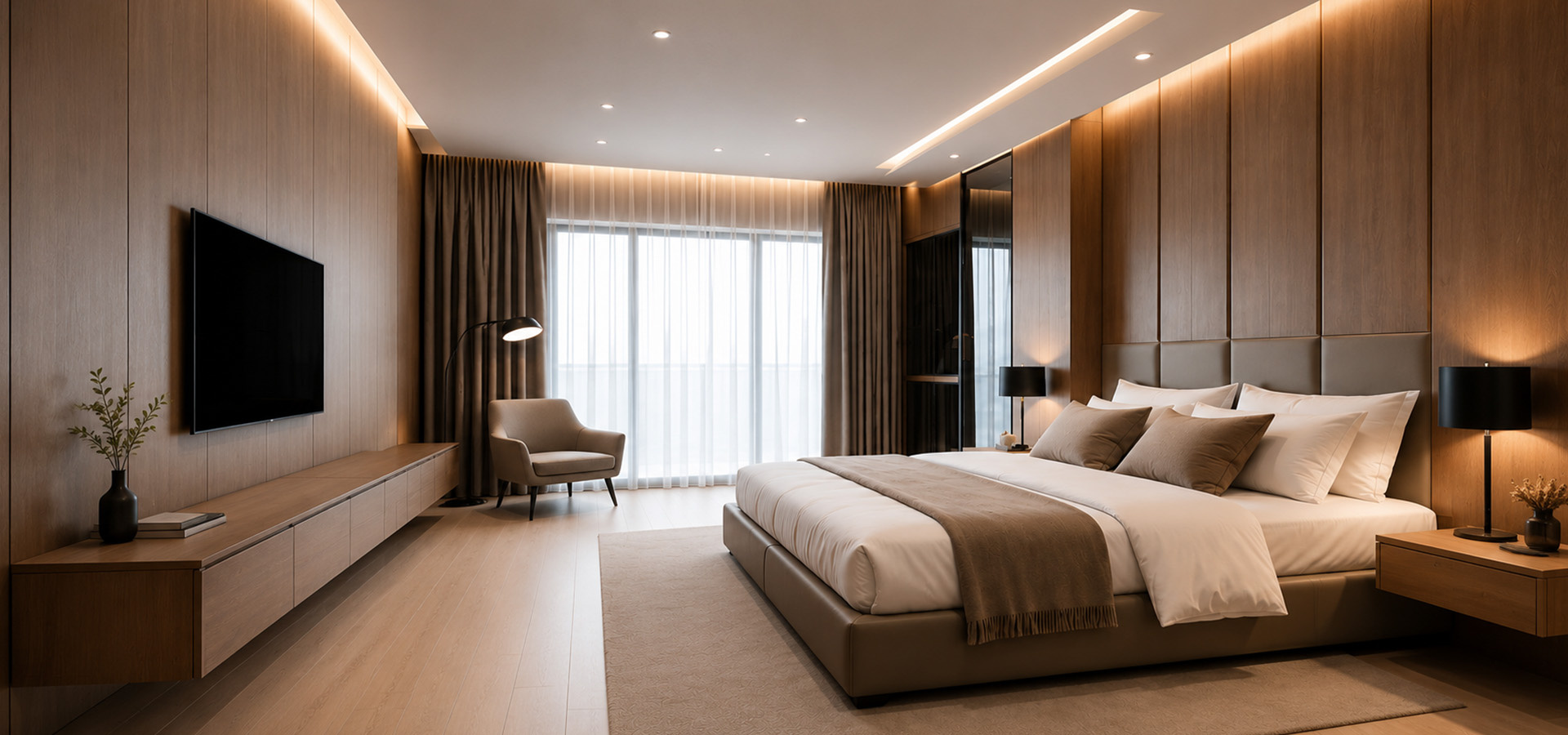
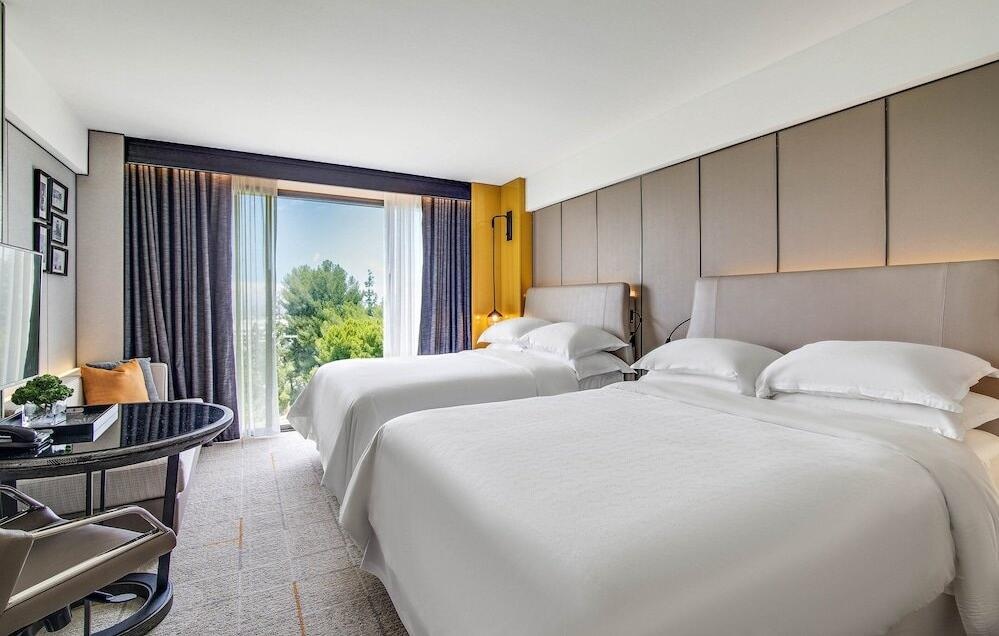
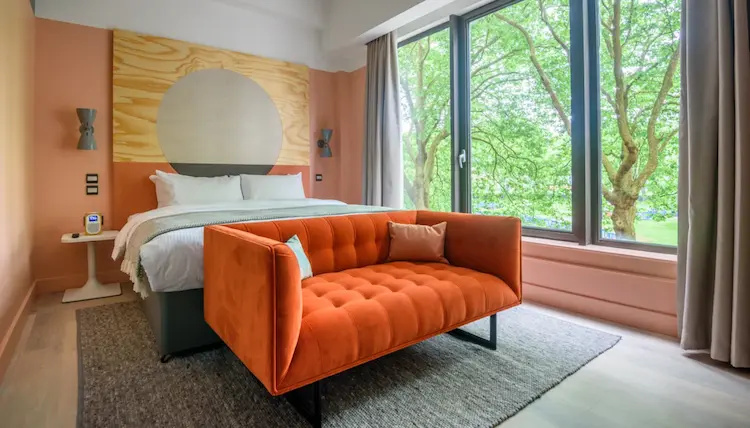
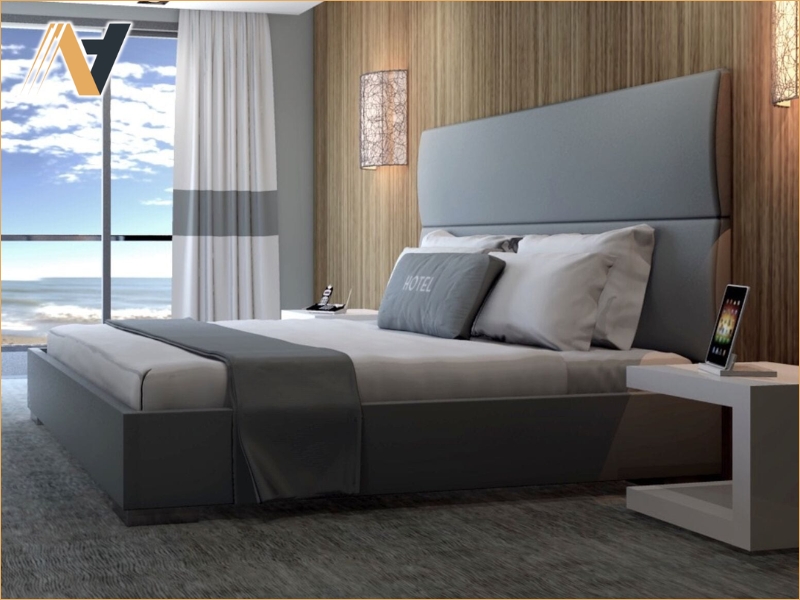
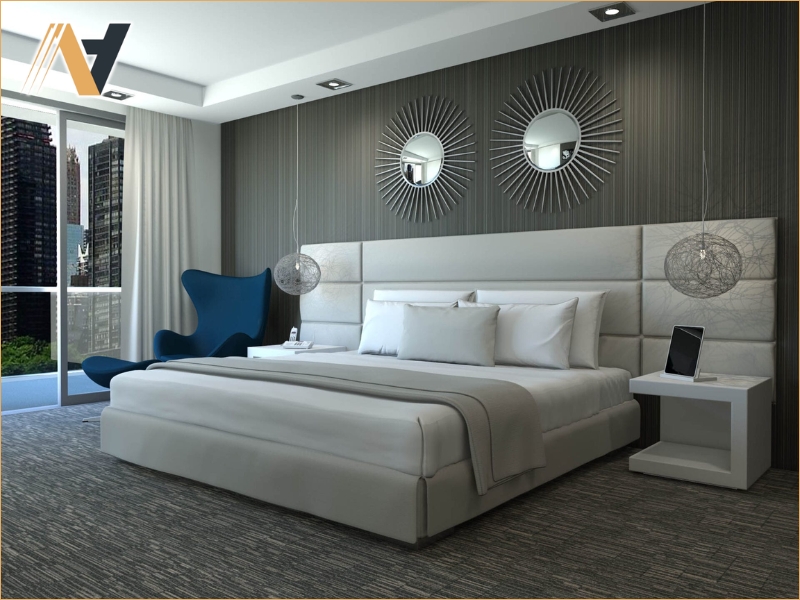
Wall-mounted headboards are fixed directly to the wall or incorporated into larger decorative panels. This approach allows the headboard to become part of the architectural composition of the room, often extending horizontally to create a continuous visual feature behind the bed. The result is a stable and refined appearance that enhances the perceived elegance of the space.
1.2 Freestanding headboards
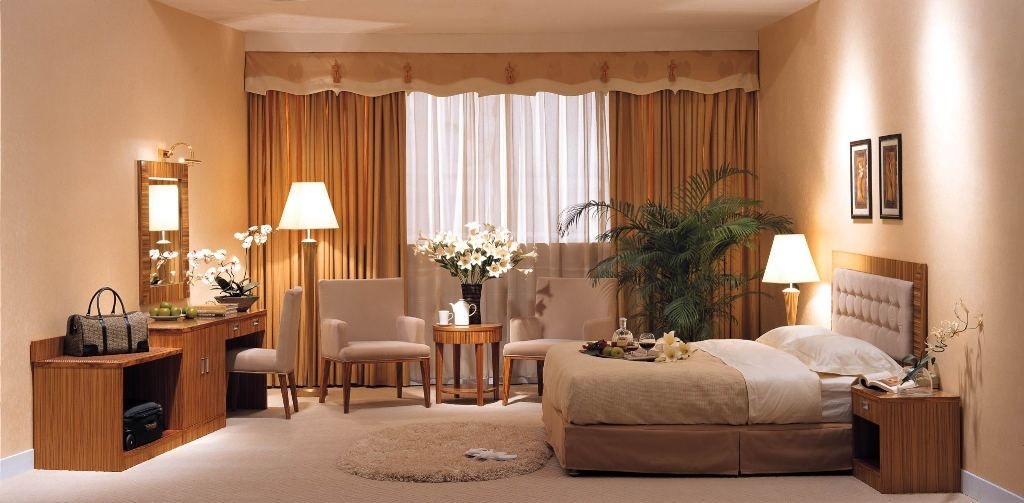
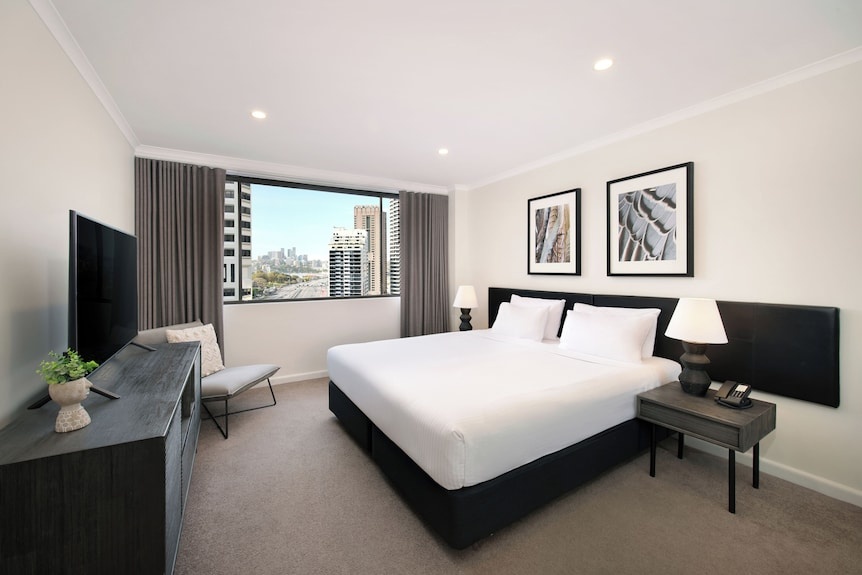
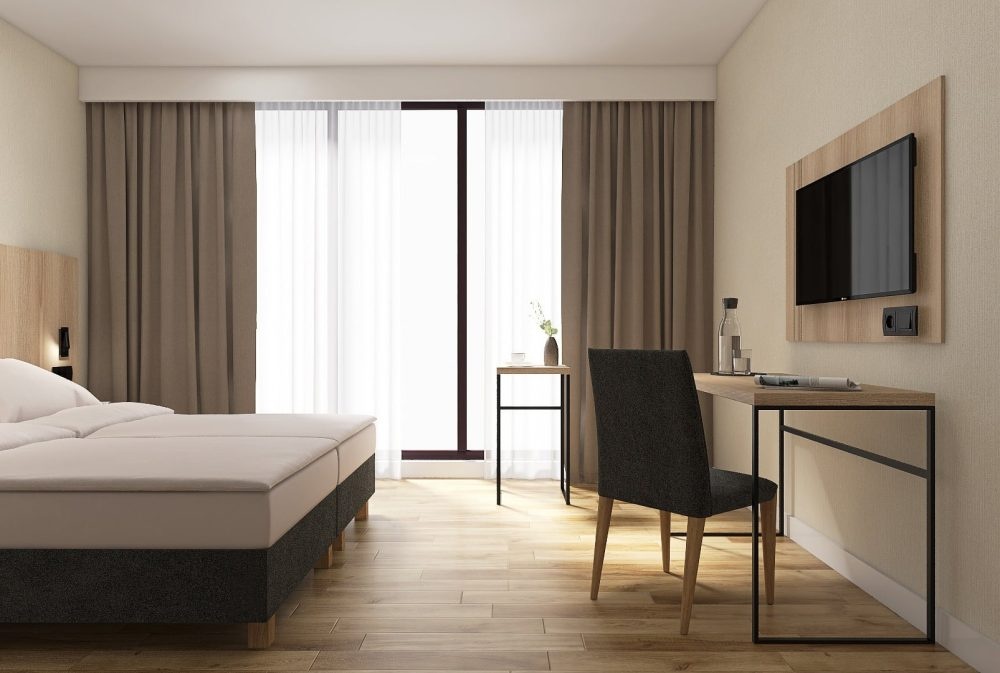
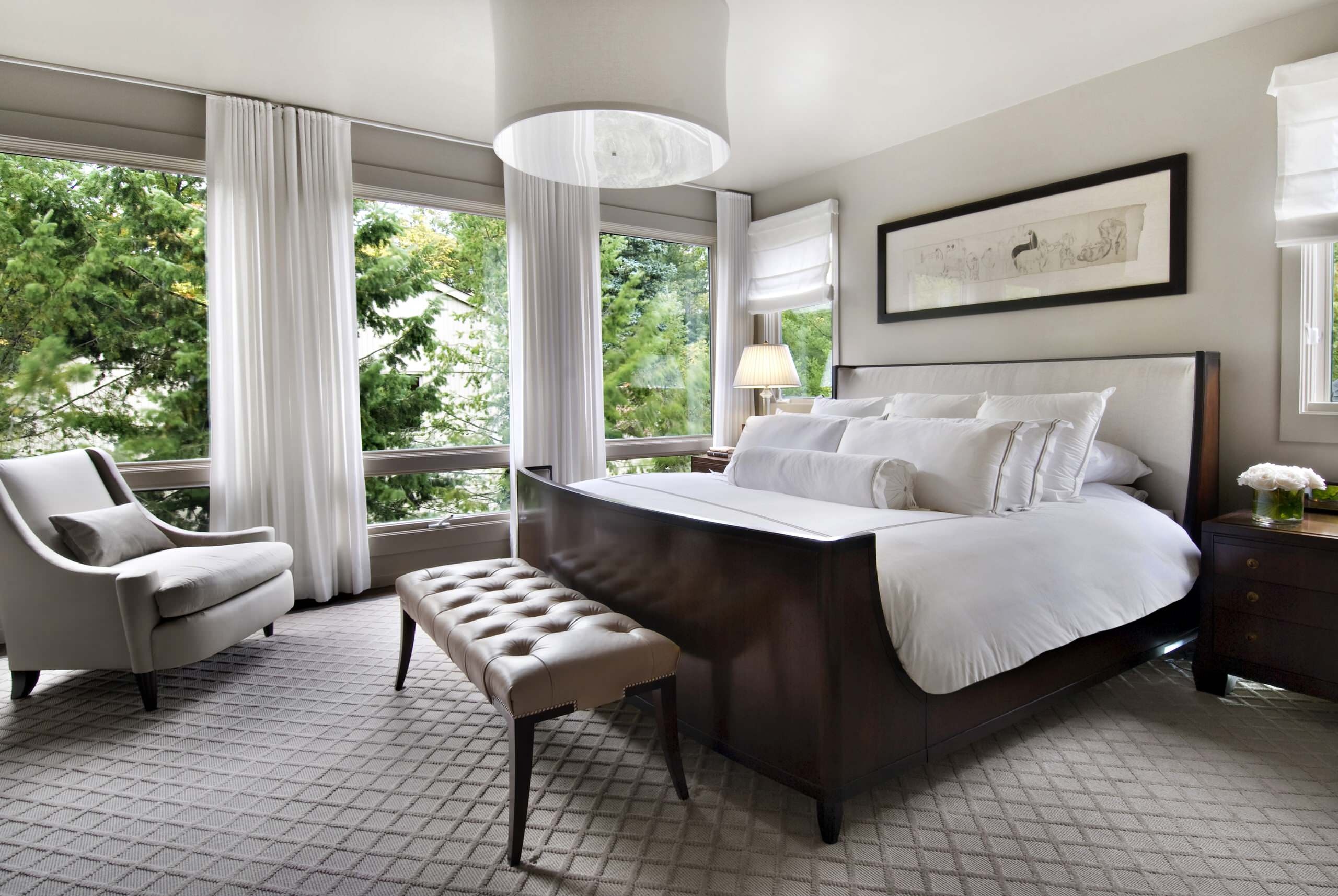
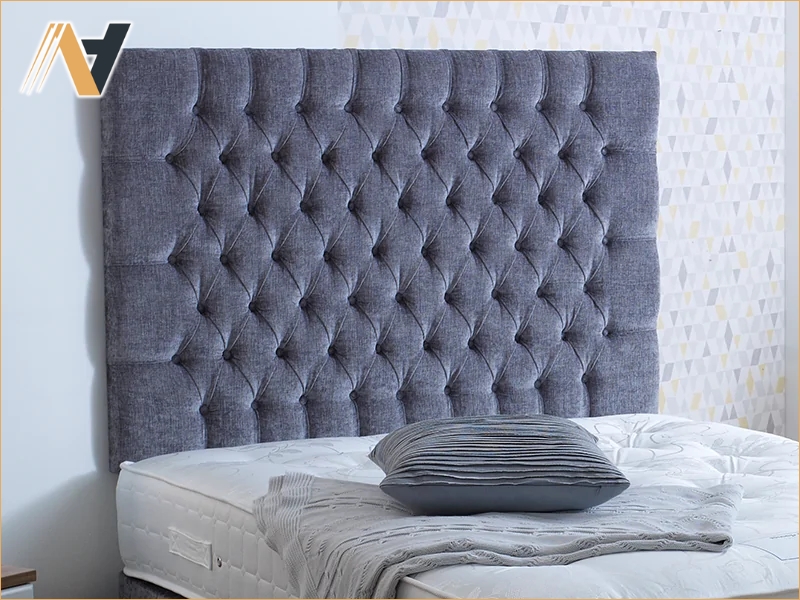
Freestanding headboards are attached to the bed frame rather than the wall. The entire bed unit moves as a single piece, allowing greater flexibility when rearranging furniture or performing maintenance. This structure is commonly used in hotels that prioritize practical installation and easier replacement during future upgrades.
1.3 Hybrid headboard systems
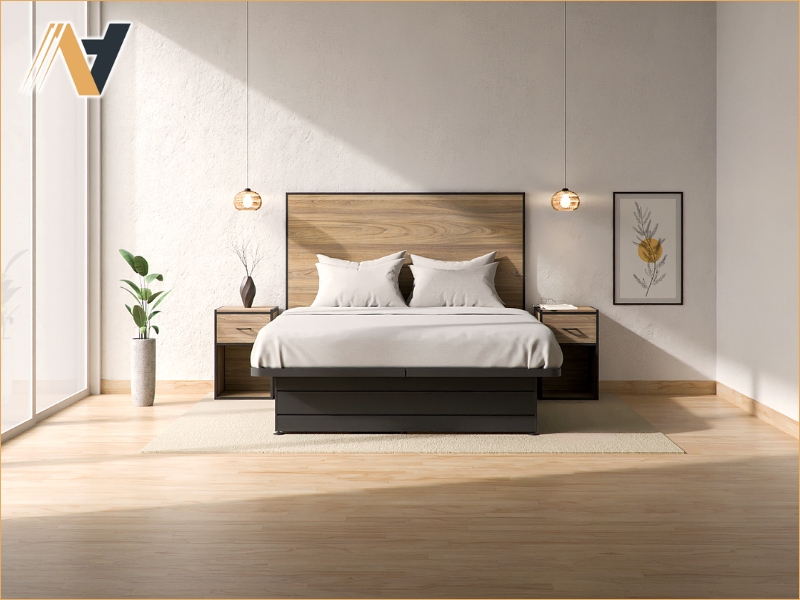
Some contemporary hospitality projects adopt hybrid solutions that visually resemble wall panels but remain structurally independent from the wall. These modular systems allow designers to achieve a seamless aesthetic while maintaining the flexibility needed for maintenance and future renovations.
2. Installation Considerations During Construction
The choice between wall-mounted and freestanding headboards directly influences how guestrooms are constructed and installed. From wall preparation to coordination with electrical systems, each option requires different planning. Understanding these installation requirements helps project teams avoid delays and ensures that guestrooms are completed efficiently during the final stages of construction.
2.1 Wall preparation and structural support
Wall-mounted headboards often require additional preparation before installation begins. Reinforcement within the wall may be needed to support large panels, especially when the design includes upholstered sections or integrated wood modules. Proper structural backing ensures the headboard remains stable and secure throughout years of use.
2.2 Installation speed on site
Freestanding headboards typically simplify installation during the furnishing stage. Because the headboard is integrated with the bed frame, installation teams can position and secure the unit quickly without extensive wall preparation. This efficiency becomes particularly valuable when multiple guestrooms must be completed within tight project timelines.
2.3 Coordination with lighting and switches
Modern hotel headboards frequently incorporate reading lights, USB charging ports, and control switches. These elements require precise alignment with electrical points within the wall. Careful coordination between designers, electricians, and furniture installers ensures that these integrated features function smoothly once the room is completed.
3. Maintenance and Replacement Over Time
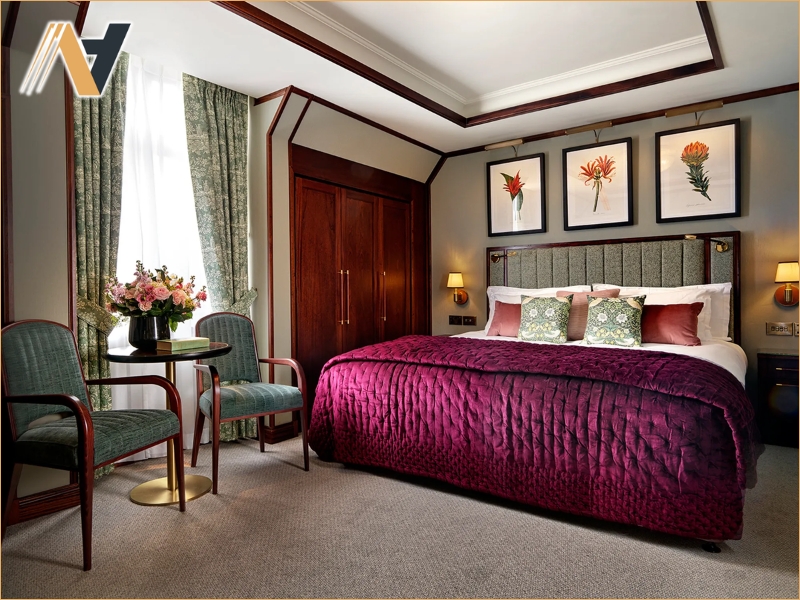
Beyond the initial installation, headboard design also affects how guestrooms are maintained throughout years of operation. Hotels must consider how easily furniture can be repaired, cleaned, or replaced without disrupting room availability. A well-chosen headboard system supports efficient maintenance while preserving the visual quality of the guestroom.
3.1 Repair accessibility
Freestanding headboards offer practical advantages when maintenance is required. Because they are attached to the bed frame rather than fixed to the wall, technicians can move the bed unit to access wiring, lighting components, or structural connections. This flexibility often reduces repair time and minimizes disruption to hotel operations.
3.2 Wall-mounted durability
Wall-mounted headboards tend to provide a more stable and integrated appearance over time. Their fixed position prevents movement that could cause wear on surrounding surfaces. However, when repairs are needed, maintenance teams may need to partially remove panels or decorative elements, making the process slightly more complex.
3.3 Long-term replacement planning
Hotels periodically refresh furniture to maintain brand standards and guest satisfaction. Freestanding headboards can usually be replaced individually without altering the surrounding wall finishes. In contrast, wall-mounted systems may require broader updates to panels or integrated design features when renovation cycles occur.
4. Design Impact on Guestroom Aesthetics
The headboard often becomes the visual anchor of a hotel bedroom. Its size, material, and structural approach influence how guests perceive comfort, scale, and elegance within the space. Choosing between wall-mounted and freestanding designs therefore affects not only construction but also the overall atmosphere of the room.
4.1 Creating a refined visual backdrop
Wall-mounted headboards allow designers to create expansive panels that stretch across the wall behind the bed. Upholstered surfaces, wood veneers, or integrated lighting can transform this area into a focal point that enhances the sense of sophistication within the guestroom. Such compositions often appear more architectural and cohesive.
4.2 Flexibility in furniture layout
Freestanding headboards provide greater flexibility when arranging or updating guestrooms. Because the bed structure remains independent from the wall, it can be repositioned more easily during maintenance or renovation work. This adaptability becomes valuable in hotels that expect periodic layout adjustments.
4.3 Balancing proportion and spatial harmony
Headboard structure also affects how furniture interacts with the overall scale of the room. Large wall-mounted systems can visually widen the space and create a stronger design statement, while freestanding headboards often suit guestrooms that require lighter and more flexible furniture arrangements.
5. Manufacturing Perspective for Hotel Projects
From a manufacturing standpoint, the choice between wall-mounted and freestanding headboards affects fabrication methods, transportation, and installation planning. Furniture producers must consider not only aesthetics but also how efficiently each system can be produced, delivered, and installed across dozens or even hundreds of guestrooms.
5.1 Fabrication complexity
Wall-mounted headboards often involve larger panel systems that integrate upholstery, wood finishes, or decorative details. These components require careful fabrication and precise finishing to ensure visual consistency across multiple rooms. Freestanding headboards, in contrast, are usually produced as more compact units connected directly to the bed structure.
5.2 Transportation and installation logistics
Large wall panels demand protective packaging and careful handling during transportation to prevent damage to surfaces and edges. Freestanding headboards tend to be easier to transport because of their smaller size and modular structure. This difference can influence how efficiently furniture is delivered and installed on site.
5.3 Planning for future refurbishment
Hotels periodically refresh interiors to maintain their visual appeal and operational standards. Freestanding headboards can often be replaced individually without affecting surrounding finishes. Wall-mounted systems may require broader refurbishment planning, especially when the headboard forms part of a larger decorative wall installation.
Conclusion
Both wall-mounted and freestanding headboards offer distinct advantages depending on the design goals and operational priorities of a hotel project. While wall-mounted systems create a refined architectural backdrop and strong visual presence, freestanding headboards provide greater flexibility for installation, maintenance, and future upgrades. Selecting the right solution requires balancing aesthetics, construction efficiency, and long-term operational practicality.
For hotels seeking durable and thoughtfully engineered bedroom furniture, working with an experienced manufacturer can make this decision far more effective. Ngoc Hoang Anh delivers premium Vietnam hotel furniture solutions designed to support both design elegance and practical performance in modern hospitality environments.
Contact us today for expert consultation and bespoke hospitality furniture production tailored to your next hotel project.
-----
NGOC HOANG ANH TRADING COMPANY LIMITED
Tax Code: 3702874413
Address: No. 288/28/10 Huynh Van Luy Street, Zone 7, Phu Loi Ward, Ho Chi Minh City, Vietnam
Warehouse: No. 1/91, Thuan Giao 02 Street, Binh Thuan 2 Residential Quarter, Thuan Giao Ward, Ho Chi Minh City, Vietnam
Phone/Whatsapp/Wechat: +84342076666
Email: info@ngochoanganh.com.vn