Green Material Trends in Hotel Interior Design
Thứ 3, 14/04/2026
Administrator
268
Sustainability is becoming a major priority in the hospitality industry, and the use of green materials in hotel interior design is growing rapidly. Hotels are increasingly adopting eco-friendly solutions that reduce environmental impact while maintaining high standards of comfort and aesthetics. In this article, Ngoc Hoang Anh explores the latest trends in green materials shaping modern hotel interiors.
1. Sustainable Wood and Natural Materials
Sustainable wood and natural materials are among the most widely used solutions in green hotel interior design. They not only reduce environmental impact but also bring warmth, authenticity, and timeless aesthetic value to hospitality spaces. When properly selected and certified, these materials help hotels achieve both sustainability goals and high-end design standards.
1.1 FSC-certified and responsibly sourced wood
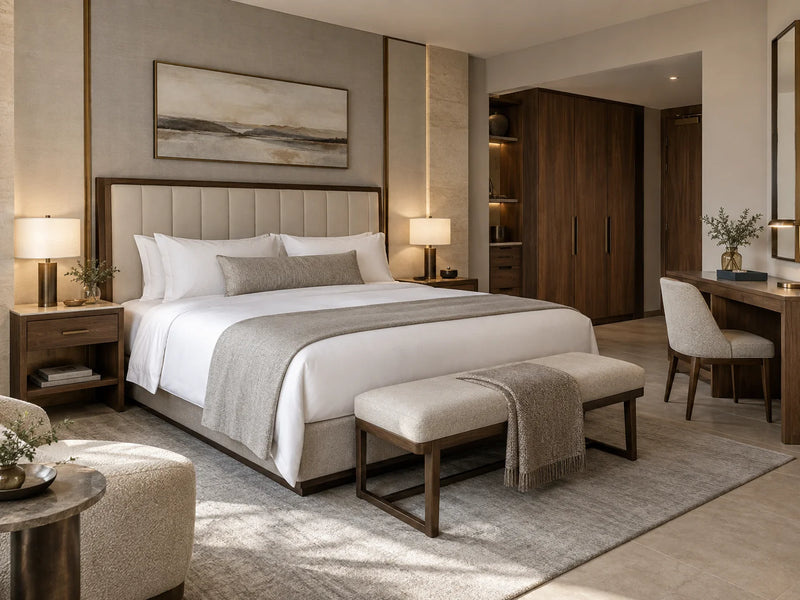
FSC-certified wood ensures that timber is harvested from responsibly managed forests. This helps reduce deforestation while maintaining consistent quality for furniture production. In hotel interiors, it is commonly used for beds, wardrobes, and decorative paneling.
1.2 Bamboo and rapidly renewable materials
Bamboo is a highly sustainable alternative due to its fast growth and renewability. It offers strong durability and a natural aesthetic, making it suitable for flooring, furniture accents, and decorative elements in eco-friendly hotel designs.
1.3 Natural stone and organic textures
Natural stone and other organic materials add durability and visual depth to interiors. When used responsibly, they enhance the sense of luxury while maintaining a strong connection to nature, supporting the overall green design concept.
2. Recycled and Upcycled Materials
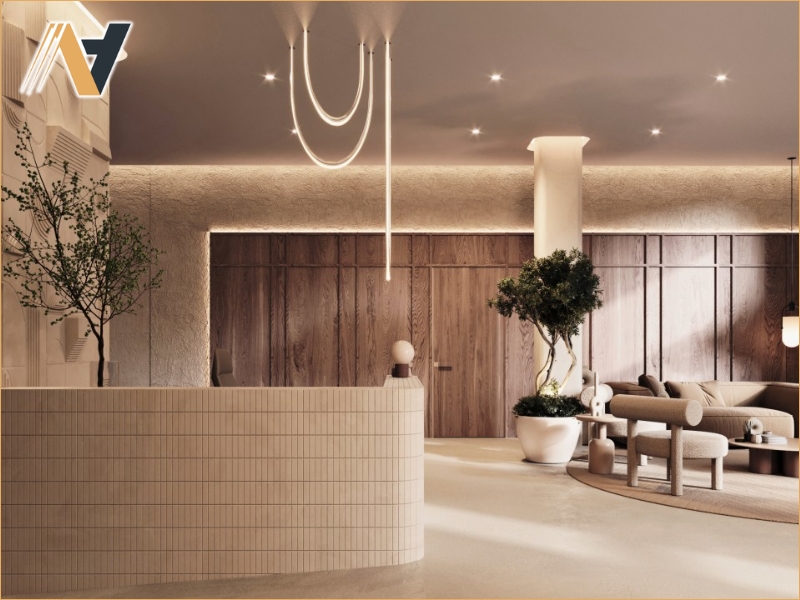
Recycled and upcycled materials are becoming a key trend in sustainable hotel interior design, helping reduce waste while creating unique and character-rich spaces. These materials not only support environmental goals but also add a distinctive visual identity that differentiates hotels from conventional interiors.
2.1 Recycled wood, metal, and plastic applications
Recycled materials such as reclaimed wood, reprocessed metal, and transformed plastics are increasingly used in furniture and decorative elements. They help reduce the demand for new raw resources while maintaining durability and functional performance suitable for hotel environments.
2.2 Upcycled furniture design concepts
Upcycling transforms old or discarded materials into new furniture pieces with higher aesthetic and functional value. This approach allows designers to create unique, story-driven interiors while minimizing environmental impact and promoting circular design thinking.
2.3 Reducing construction and production waste
By incorporating recycled and upcycled components, hotels can significantly reduce construction waste during renovation or new builds. This contributes to more efficient resource usage and supports long-term sustainability strategies in hospitality projects.
3. Low-VOC and Non-Toxic Finishes
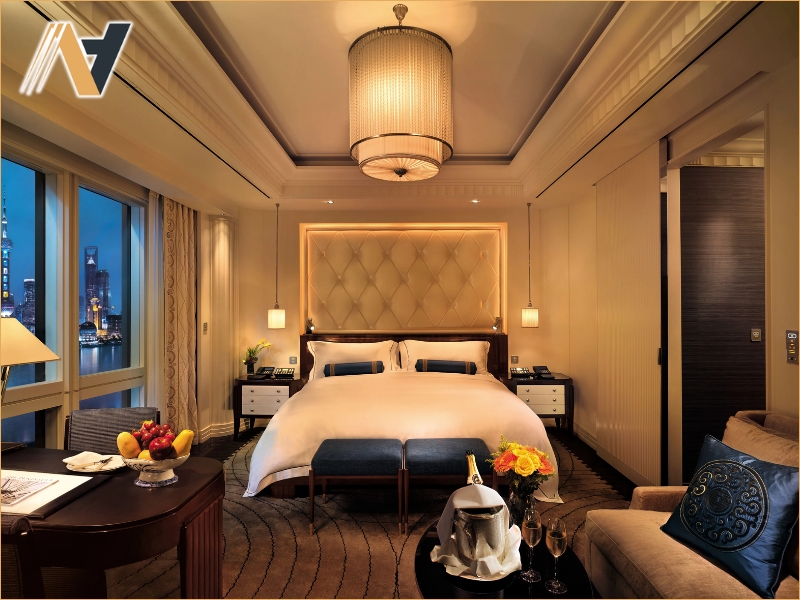
Low-VOC and non-toxic finishes are essential in green hotel interior design because they directly impact indoor air quality and guest health. As sustainability becomes a core requirement in hospitality, hotels are prioritizing safe finishing materials that minimize harmful emissions while still delivering high durability and aesthetic performance.
3.1 Eco-friendly paints and coatings
Eco-friendly paints with low or zero VOC content help reduce air pollution inside hotel rooms. These coatings provide strong color retention and surface protection while ensuring a safer and more comfortable environment for guests and staff.
3.2 Safe adhesives and bonding materials
Adhesives used in furniture and interior installation are often overlooked, but they can release harmful chemicals over time. Using non-toxic, water-based adhesives helps improve safety standards while maintaining strong bonding performance for long-term durability.
3.3 Improving indoor air quality for guests
By reducing chemical emissions from paints, coatings, and adhesives, hotels can significantly enhance indoor air quality. This contributes to better guest comfort, reduces health risks, and supports a cleaner, more sustainable hospitality environment.
4. Energy-Efficient and Smart Material Use
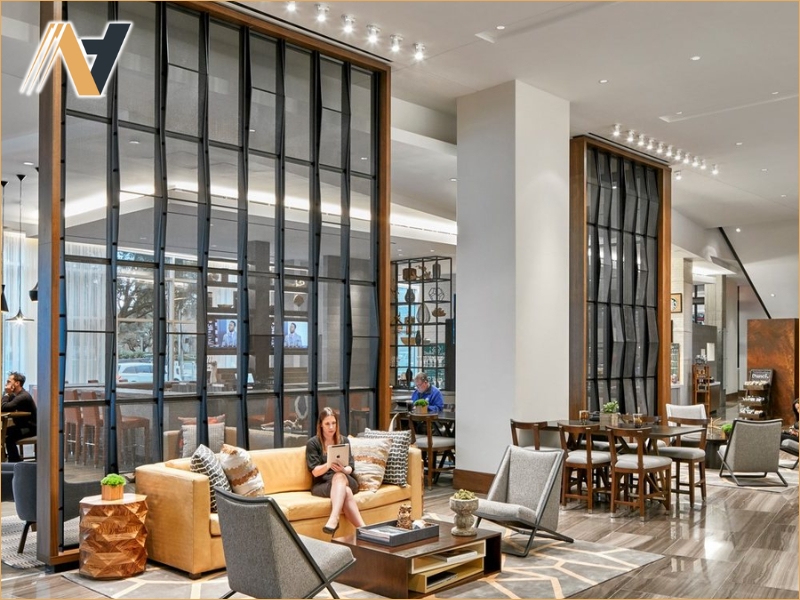
Energy-efficient materials play an increasingly important role in sustainable hotel interior design. Beyond aesthetics and durability, modern hospitality spaces are now expected to reduce energy consumption and improve environmental performance. Smart material selection helps optimize lighting, temperature, and overall building efficiency while maintaining guest comfort.
4.1 Materials that support thermal insulation
High-performance insulation materials help maintain stable indoor temperatures, reducing the need for excessive air conditioning or heating. This not only lowers energy costs but also enhances guest comfort by creating a more consistent and pleasant room environment.
4.2 Smart glass and daylight optimization
Smart glass and high-performance glazing systems allow hotels to control heat gain and natural light penetration. By maximizing daylight while minimizing glare and heat, these materials improve energy efficiency and create a more comfortable and visually appealing interior atmosphere.
4.3 Reducing energy consumption through design
Strategic use of materials and layout design can significantly reduce energy usage in hotel spaces. Combining reflective surfaces, optimized window placement, and energy-efficient finishes helps create interiors that naturally support lower energy demand without compromising style or functionality.
5. Biophilic Design and Natural Integration
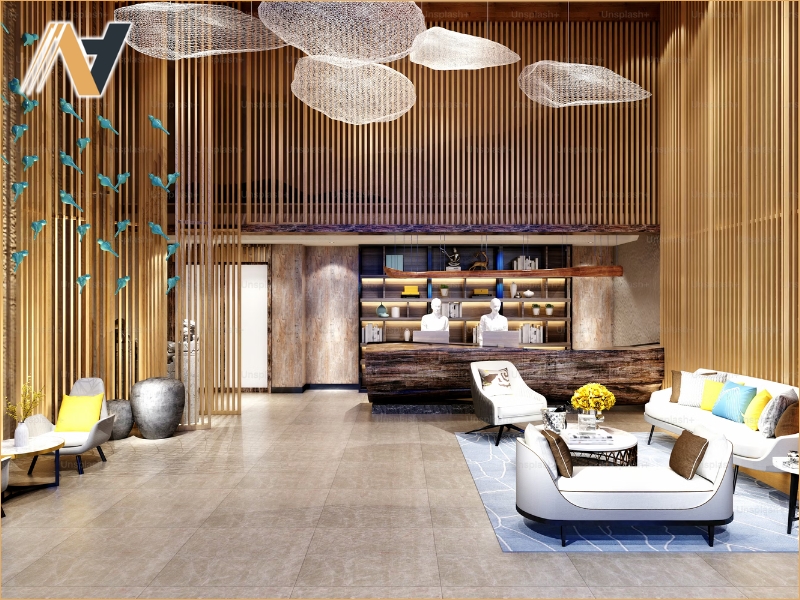
Biophilic design is a key component of green hotel interior trends, focusing on strengthening the connection between people and nature. By integrating natural elements into interior spaces, hotels can enhance guest well-being, reduce stress, and create a more relaxing and restorative environment. This approach also supports sustainability by encouraging the use of natural systems and materials.
5.1 Incorporating greenery and indoor plants
Indoor plants, vertical gardens, and natural landscaping elements help bring life into hotel interiors. These features improve air quality, add visual freshness, and create a calming atmosphere that enhances the overall guest experience.
5.2 Using natural light and ventilation systems
Maximizing natural light and promoting natural airflow reduces reliance on artificial lighting and mechanical ventilation. Thoughtful architectural design helps create healthier, more energy-efficient spaces while maintaining guest comfort.
5.3 Creating wellness-focused hotel environments
Biophilic design supports physical and mental well-being by creating spaces that feel closer to nature. Natural materials, organic forms, and calming layouts work together to deliver a restorative hospitality experience that aligns with modern wellness trends.
Conclusion
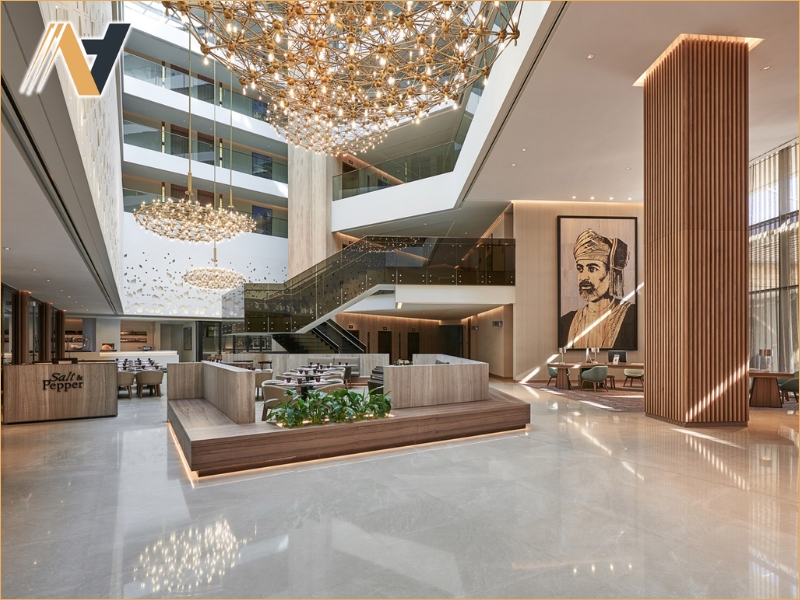
Green materials are becoming an essential foundation in modern hotel interior design, reflecting the industry’s shift toward sustainability, health, and long-term value. From responsibly sourced wood and recycled materials to low-VOC finishes and energy-efficient solutions, each element contributes to a more environmentally conscious and guest-friendly space.
When combined with biophilic design principles, these materials not only reduce environmental impact but also enhance comfort, air quality, and overall guest experience. This balance between sustainability and aesthetics is shaping the future of hospitality interiors.
For hotel projects seeking durable and eco-friendly solutions, Ngoc Hoang Anh provides premium Vietnam hotel furniture designed with sustainable materials, refined craftsmanship, and modern hospitality standards. Contact us today for expert consultation and custom green furniture solutions.
-----
NGOC HOANG ANH TRADING COMPANY LIMITED
Tax Code: 3702874413
Address: No. 288/28/10 Huynh Van Luy Street, Zone 7, Phu Loi Ward, Ho Chi Minh City, Vietnam
Warehouse: No. 1/91, Thuan Giao 02 Street, Binh Thuan 2 Residential Quarter, Thuan Giao Ward, Ho Chi Minh City, Vietnam
Phone/Whatsapp/Wechat: +84342076666
Email: info@ngochoanganh.com.vn