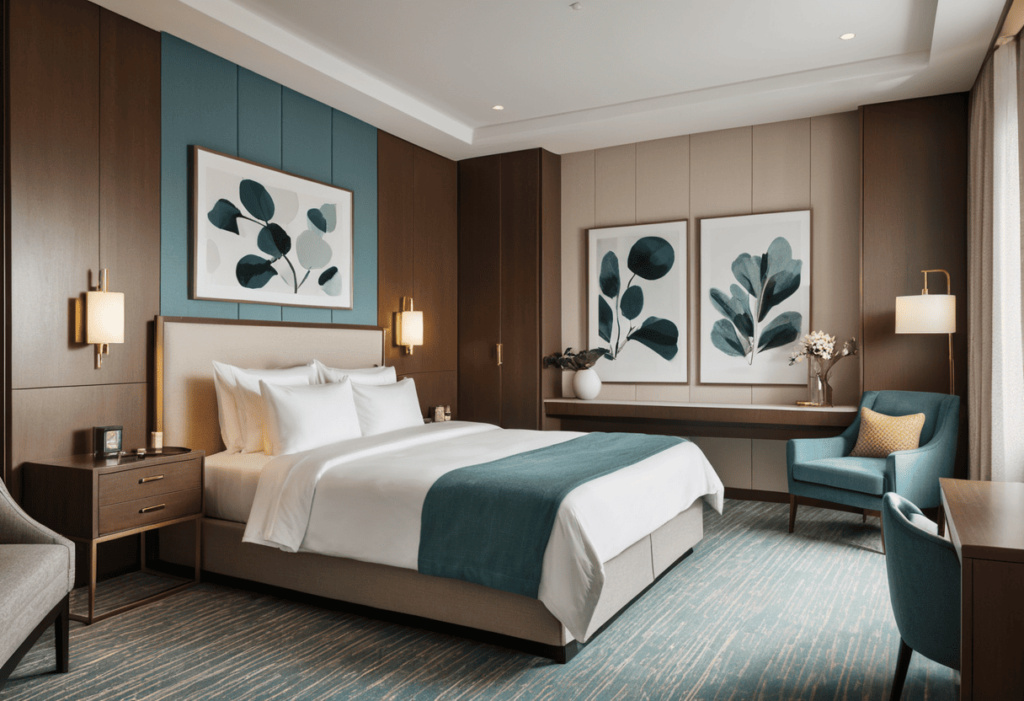
Common Mistakes in Hotel Interior Construction and How to Fix Them
Thứ 2, 13/07/2026
Administrator
176
Hotel interior construction requires precision, coordination, and high standards to ensure both functionality and luxury aesthetics. However, many projects encounter avoidable mistakes that affect quality, timeline, and cost. In this article, Ngoc Hoang Anh highlights common issues and practical solutions to improve hotel interior execution.
1. Poor Planning and Design Coordination Issues
One of the most critical problems in hotel interior construction is inadequate planning and weak coordination between design, engineering, and execution teams. When the project is not clearly structured from the beginning, it often leads to misalignment in expectations, construction errors, and costly rework during later stages.
1.1 Incomplete technical drawings before construction
When technical drawings lack detail or are not finalized before construction begins, on-site teams may face confusion during installation. This often results in incorrect execution, repeated adjustments, and delays that directly impact both project timeline and budget.
1.2 Lack of communication between stakeholders
Poor communication between architects, contractors, suppliers, and interior designers can lead to inconsistent implementation of the design concept. Without clear coordination, materials, dimensions, and finishing standards may not align, reducing overall quality and harmony of the hotel interior.
1.3 Changes during construction phase
Frequent design changes after construction has started are a major cause of cost overruns and delays. These adjustments disrupt workflow, require material reordering, and often lead to inconsistent finishing, ultimately affecting the overall efficiency and visual coherence of the project.
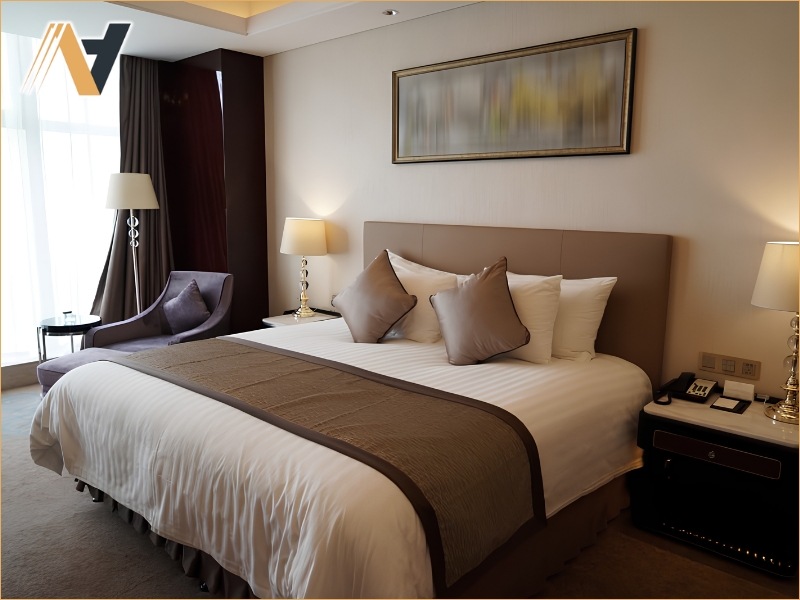
2. Material Selection and Quality Control Mistakes
Material selection and quality control play a decisive role in the durability and aesthetic consistency of hotel interiors. Mistakes at this stage often lead to premature wear, maintenance issues, and a noticeable decline in overall guest experience, especially in high-traffic hospitality environments where performance standards are strict.
2.1 Using low-quality or unsuitable materials
Choosing materials that are not designed for hospitality use can result in rapid deterioration, including surface damage, structural weakness, and color fading. While these options may reduce initial costs, they often create higher long-term expenses due to frequent repairs and replacements, affecting both operations and brand image.
2.2 Inconsistent material sourcing
When materials are sourced from multiple suppliers without strict control, variations in color, texture, and finish can occur. This inconsistency disrupts design uniformity across rooms and public areas, making the hotel interior appear less professional and reducing the overall sense of luxury and cohesion.
2.3 Lack of material testing before installation
Failing to test materials before large-scale installation can lead to unexpected issues such as poor durability, cleaning difficulties, or incompatibility with environmental conditions. Proper sample testing helps ensure that selected materials meet both technical requirements and hospitality performance standards.
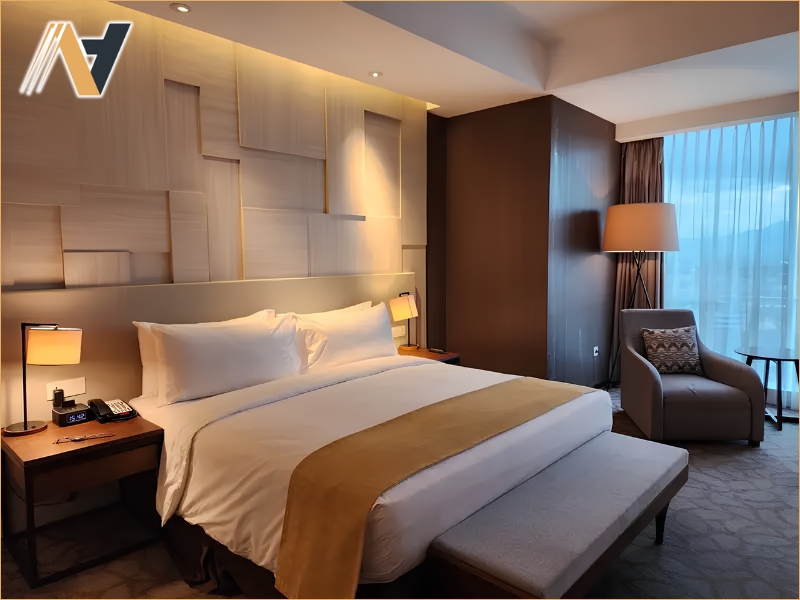
3. Installation and Construction Errors
Installation and construction stages are where hotel interior designs are transformed into reality, and even small mistakes during this phase can significantly affect both functionality and aesthetics. In high-standard hospitality projects, precision and attention to detail are essential to ensure a seamless and professional final outcome.
3.1 Improper furniture installation alignment
Incorrect alignment of furniture such as beds, wardrobes, and built-in units can disrupt visual balance and reduce guest comfort. Even minor deviations may affect room symmetry and create a sense of poor workmanship, which directly impacts the perceived quality of the hotel interior.
3.2 Incorrect measurement and on-site fitting issues
Measurement errors during construction often lead to gaps, misfits, or oversized installations that do not align with the intended design. These issues typically require on-site adjustments or replacements, increasing both labor costs and project delays while affecting overall finishing quality.
3.3 Poor finishing and detailing work
Low-quality finishing, such as uneven paint, visible joints, or poorly treated edges, can significantly reduce the luxury perception of a hotel space. In hospitality design, fine detailing is crucial, as guests often associate craftsmanship quality with the overall standard of service and comfort.
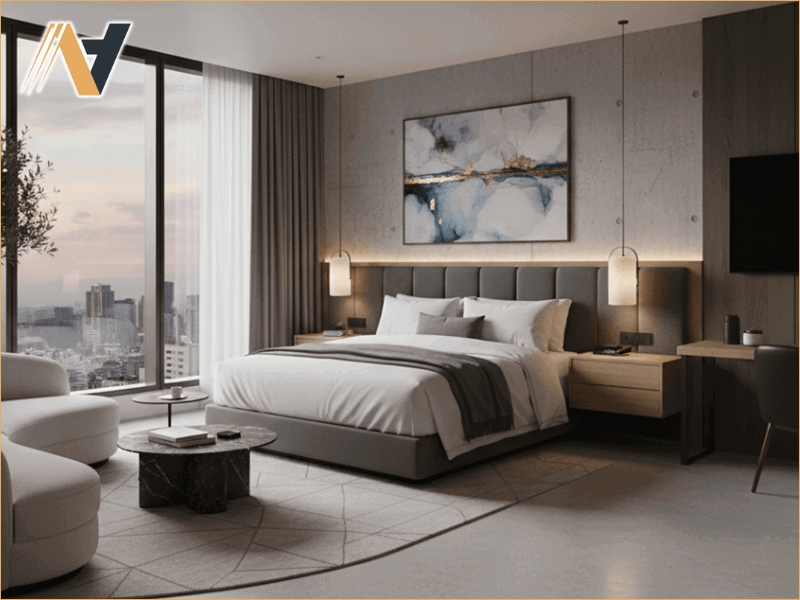
4. Project Management and Timeline Delays
Effective project management is essential in hotel interior construction, where multiple teams, tight schedules, and strict quality requirements must be coordinated simultaneously. When management is weak or poorly structured, it often leads to delays, cost overruns, and inconsistent execution across different phases of the project.
4.1 Inefficient scheduling of construction phases
Poorly planned schedules can cause overlap or gaps between design, production, and installation stages. This disrupts workflow, reduces productivity, and often forces teams to rush critical tasks, which can negatively impact both construction quality and final finishing standards.
4.2 Delayed material delivery
Late delivery of materials is a common issue that directly stalls installation progress. When key components do not arrive on time, contractors are forced to pause work or reorganize sequences, leading to extended timelines and increased operational costs for the entire project.
4.3 Lack of on-site supervision
Insufficient supervision during construction can result in inconsistent workmanship and unnoticed errors. Without proper monitoring, small issues may accumulate and become major defects, affecting overall quality control and reducing the reliability of the final hotel interior output.
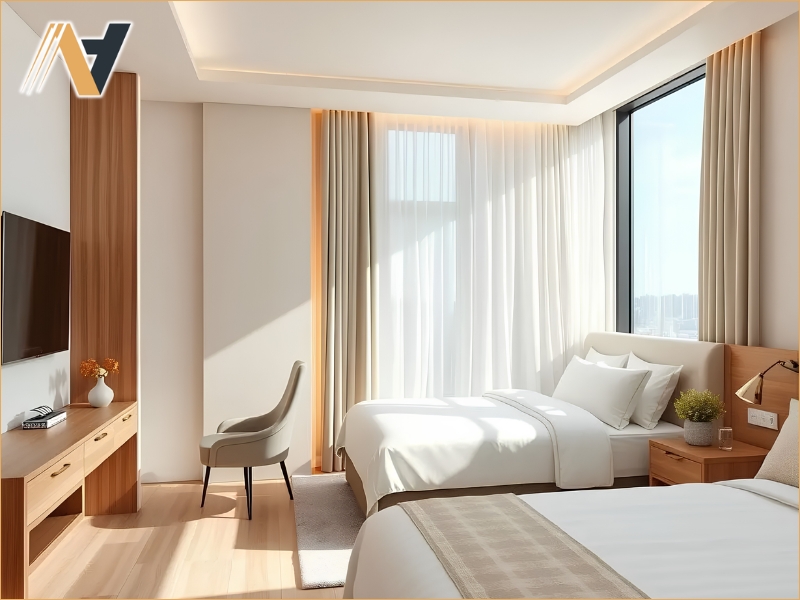
5. Quality Assurance and Post-Construction Issues
After construction is completed, many hotel projects still encounter problems that could have been avoided with stronger quality assurance processes. These issues often affect long-term performance, guest satisfaction, and maintenance costs, making post-construction control a critical stage in hotel interior projects.
5.1 Incomplete final inspection before handover
Skipping or rushing the final inspection process often leads to unnoticed defects such as surface damage, misaligned furniture, or unfinished detailing. A thorough inspection is essential to ensure every element meets design specifications and hospitality standards before the hotel becomes operational.
5.2 Lack of maintenance guidance for hotel staff
Without clear maintenance instructions, hotel staff may use incorrect cleaning methods or unsuitable products, which can gradually damage materials and reduce furniture lifespan. Providing proper guidelines helps preserve interior quality and ensures consistent upkeep across all areas.
5.3 Early wear and tear after operation
Poor construction quality or unsuitable material selection can result in rapid deterioration once the hotel is in use. This includes fading surfaces, loose fittings, and structural issues, all of which negatively impact guest experience and increase long-term repair and replacement costs.
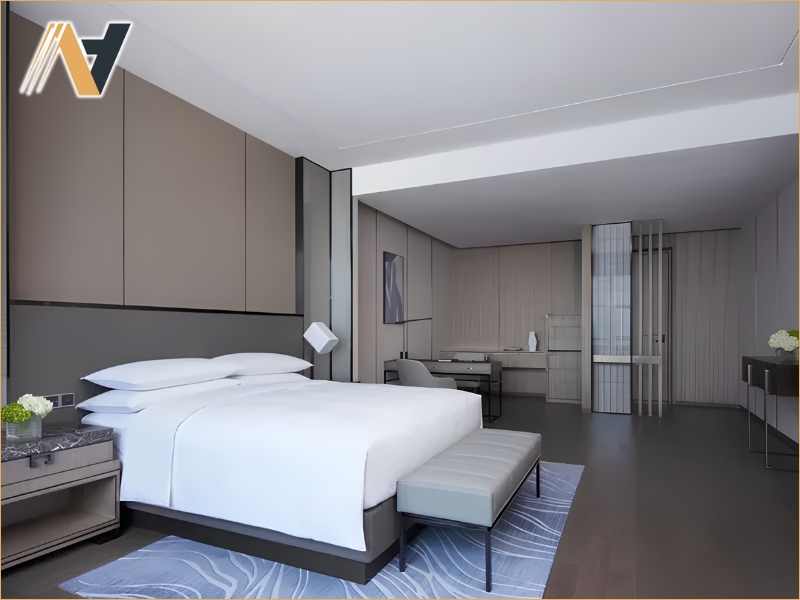
Conclusion
Avoiding common mistakes in hotel interior construction is essential to ensure durability, aesthetic consistency, and smooth project execution. From careful planning and material selection to precise installation and strict quality control, every stage plays a vital role in delivering a high-standard hospitality environment.
For professional support in achieving reliable and long-lasting hotel interiors, Ngoc Hoang Anh provides premium Vietnam hotel furniture solutions designed to meet strict construction and hospitality requirements.
Contact us today for expert consultation and bespoke hospitality furniture production.
-----
NGOC HOANG ANH TRADING COMPANY LIMITED
Tax Code: 3702874413
Address: No. 288/28/10 Huynh Van Luy Street, Zone 7, Phu Loi Ward, Ho Chi Minh City, Vietnam
Warehouse: No. 1/91, Thuan Giao 02 Street, Binh Thuan 2 Residential Quarter, Thuan Giao Ward, Ho Chi Minh City, Vietnam
Phone/Whatsapp/Wechat: +84342076666
Email: info@ngochoanganh.com.vn