Coastal Hotel Furniture Solutions: Moisture, Salt & Fade Resistance
Thứ 7, 18/07/2026
Administrator
189
Coastal hotels face unique environmental challenges such as high humidity, salt corrosion, and intense sunlight exposure. In this article, Ngoc Hoang Anh shares effective furniture solutions that ensure durability, aesthetic stability, and long-term performance for seaside hospitality projects.
1. Environmental Challenges in Coastal Hotel Interiors
Coastal hotel interiors are constantly exposed to a harsh natural environment that significantly affects the durability, appearance, and performance of furniture. Unlike inland properties, seaside hotels must deal with continuous humidity, salt-laden air, and strong UV exposure, all of which accelerate material degradation if not properly addressed from the design and manufacturing stage.
1.1 High humidity and its impact on furniture
Persistent humidity in coastal areas can penetrate wood-based materials and joints, leading to swelling, warping, or surface deformation over time. Without proper moisture-resistant treatment, furniture may lose structural stability, affecting both functionality and long-term aesthetic quality in hotel rooms.
1.2 Salt corrosion from sea air exposure
Salt particles carried by sea breeze can settle on furniture surfaces and hardware, gradually causing corrosion and material breakdown. Metal components, fittings, and low-quality finishes are particularly vulnerable, making anti-corrosion protection essential for maintaining durability in coastal hospitality environments.
1.3 UV exposure and color fading risks
Intense sunlight in coastal regions accelerates color fading and surface deterioration, especially for fabrics, wood finishes, and decorative coatings. Over time, this exposure can reduce visual appeal and make interiors appear aged, impacting the overall guest perception of hotel quality and luxury standards.
2. Material Selection for Coastal Hotel Furniture
Selecting the right materials is a critical foundation for ensuring long-term performance in coastal hotel environments. Because furniture is constantly exposed to humidity, salt air, and temperature fluctuations, every material choice must prioritize durability, stability, and resistance to environmental stress while still maintaining a refined hospitality aesthetic.
2.1 Moisture-resistant wood and engineered materials
Engineered wood such as marine plywood, MDF with moisture-resistant treatment, and properly kiln-dried solid wood are widely used in coastal hotels. These materials help minimize water absorption, reduce the risk of swelling or warping, and maintain structural integrity even under prolonged humidity exposure.
2.2 Anti-corrosion metals and durable hardware
Metal components such as hinges, handles, and structural frames should be made from stainless steel or coated alloys designed to resist corrosion. These solutions significantly reduce rust formation caused by salt in the air, ensuring smoother operation and extending the lifespan of furniture systems in demanding seaside conditions.
2.3 High-performance laminates and protective surface finishes
Advanced laminates, UV-resistant coatings, and waterproof surface layers provide an additional barrier against moisture, salt, and sunlight. These finishes not only protect the core material but also help preserve color stability and surface texture, maintaining a premium visual appearance over time.
3. Protective Finishing Technologies for Coastal Durability
In coastal hotel environments, protective finishing technologies play a crucial role in extending furniture lifespan and maintaining visual quality. Even with high-grade materials, without proper surface protection, constant exposure to humidity, salt particles, and UV rays can still lead to deterioration over time. Advanced finishing systems help create a strong defensive layer that preserves both structure and aesthetics.
3.1 Waterproof coating systems
Waterproof coatings form a protective barrier that prevents moisture penetration into furniture surfaces and internal structures. These systems are especially important for wooden and engineered materials, helping reduce swelling, cracking, and long-term deformation while maintaining stable performance in humid coastal conditions.
3.2 Anti-salt and anti-corrosion surface treatments
Specialized anti-salt treatments are designed to minimize the impact of saline air on furniture surfaces and metal components. By reducing oxidation and corrosion risks, these coatings help maintain structural integrity and ensure that fittings, frames, and exposed details remain durable and visually clean over time.
3.3 UV-resistant color finishing
UV-resistant finishes protect furniture from discoloration caused by prolonged sun exposure, which is common in coastal regions. These advanced coatings help preserve original tones, prevent fading, and maintain a consistent aesthetic quality, ensuring that hotel interiors retain their premium appearance even after long-term use.
4. Design Strategies for Long-Lasting Coastal Interiors
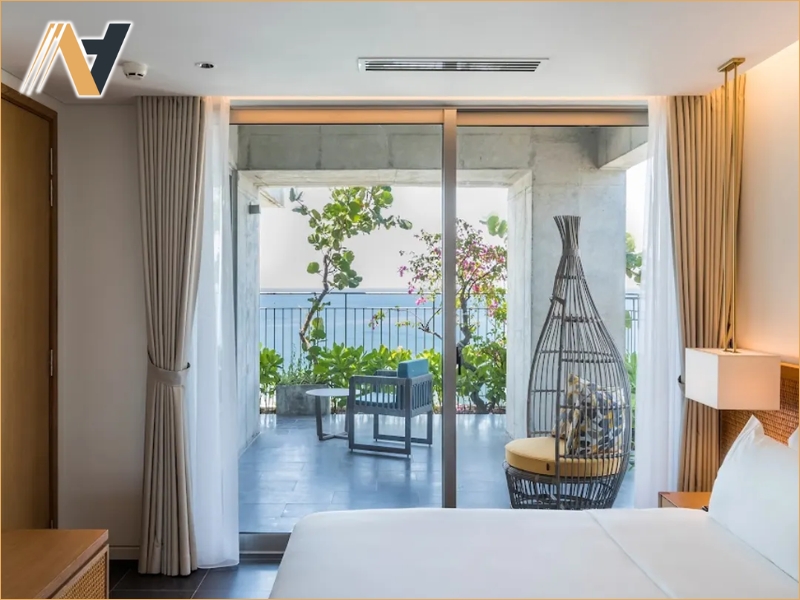
Beyond materials and surface treatments, thoughtful design strategies play an equally important role in ensuring hotel furniture performs well in coastal environments. A well-planned interior design approach can significantly reduce environmental impact, improve durability, and maintain a refined aesthetic over time, even under challenging seaside conditions.
4.1 Minimalist design for easier maintenance
A minimalist approach reduces unnecessary decorative details and complex structures that tend to accumulate dust, moisture, and salt particles. Simpler forms are easier to clean and maintain, helping hotels preserve a fresh appearance while also minimizing long-term maintenance effort and operational costs.
4.2 Modular furniture for flexible replacement
Modular furniture systems allow individual components to be replaced or upgraded without dismantling the entire setup. This flexibility is especially valuable in coastal hotels, where certain parts may be affected faster by environmental conditions, enabling faster maintenance and reducing downtime in guest rooms.
4.3 Elevated and ventilated furniture structures
Designing furniture with elevated bases and allowing proper airflow beneath and around structures helps reduce moisture buildup. Improved ventilation minimizes the risk of mold, wood degradation, and odor retention, ensuring a healthier and more durable interior environment for long-term hospitality use.
5. Maintenance Practices for Coastal Hotel Furniture
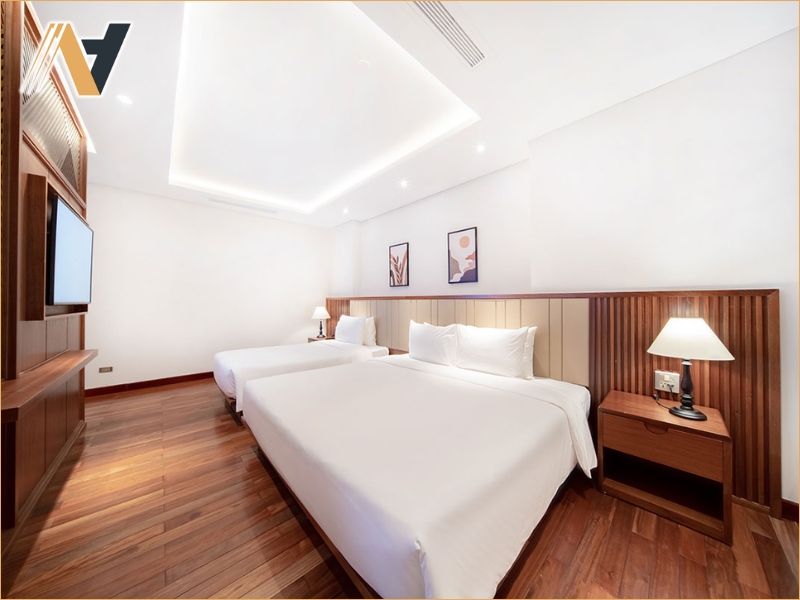
Even with high-quality materials and protective finishes, regular maintenance remains essential to ensure long-term durability in coastal hotel environments. A consistent care routine helps minimize the effects of humidity, salt exposure, and UV radiation, while preserving both the structural integrity and visual appeal of interior furniture.
5.1 Routine cleaning to remove salt buildup
Frequent cleaning is crucial to prevent salt particles from accumulating on furniture surfaces and hardware. Using appropriate non-corrosive cleaning agents helps protect finishes while maintaining a clean, polished appearance, reducing the risk of long-term surface damage and corrosion.
5.2 Protective waxing and surface care treatments
Periodic application of protective waxes or surface conditioning products helps reinforce existing coatings and create an additional barrier against moisture and salt. These treatments also enhance surface smoothness and color depth, contributing to a more refined and well-maintained interior look.
5.3 Regular inspection and preventive maintenance
Routine inspections allow early detection of issues such as loose fittings, surface wear, or moisture damage. Addressing minor problems promptly helps prevent larger structural failures, extends furniture lifespan, and ensures consistent performance across all hotel interior spaces.
Conclusion
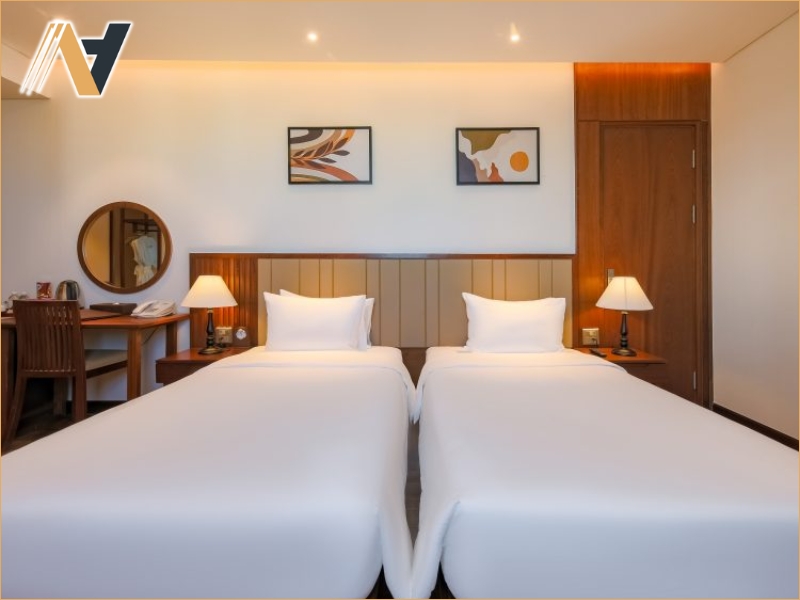
Coastal hotel interiors demand a carefully balanced approach that combines durable material selection, advanced protective finishes, smart design strategies, and consistent maintenance practices. When these elements are integrated effectively, hotels can significantly reduce the impact of humidity, salt, and UV exposure while preserving long-term aesthetic and functional quality.
For coastal hospitality projects requiring reliable and long-lasting solutions, Ngoc Hoang Anh provides premium Vietnam hotel furniture OEM services, delivering customized furniture designed to withstand harsh seaside conditions while maintaining refined luxury standards.
Contact us today for expert consultation and bespoke hospitality furniture production.
-----
NGOC HOANG ANH TRADING COMPANY LIMITED
Tax Code: 3702874413
Address: No. 288/28/10 Huynh Van Luy Street, Zone 7, Phu Loi Ward, Ho Chi Minh City, Vietnam
Warehouse: No. 1/91, Thuan Giao 02 Street, Binh Thuan 2 Residential Quarter, Thuan Giao Ward, Ho Chi Minh City, Vietnam
Phone/Whatsapp/Wechat: +84342076666
Email: info@ngochoanganh.com.vn