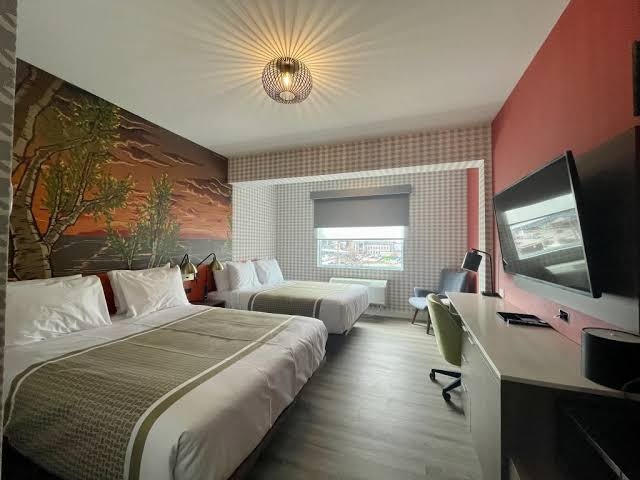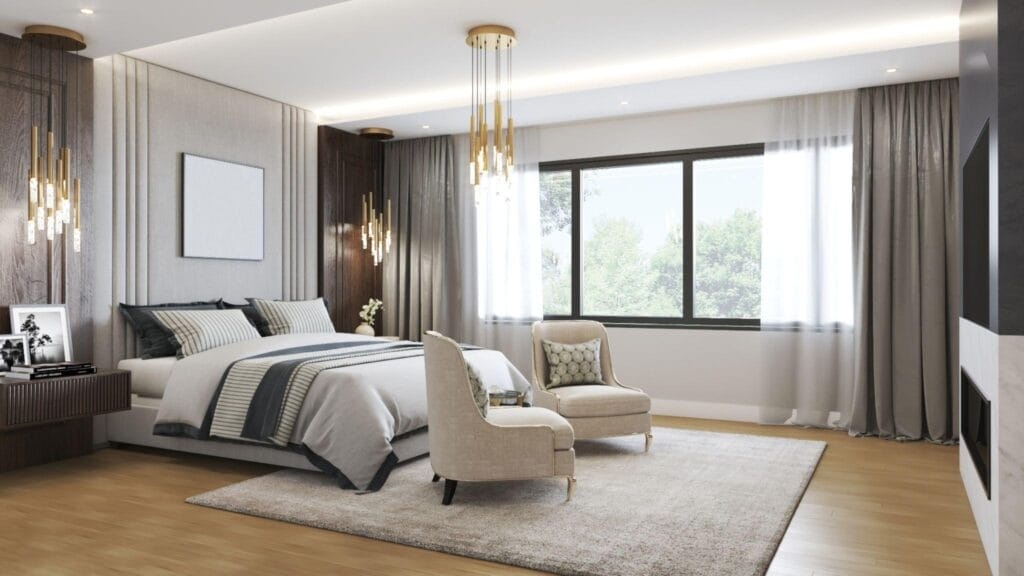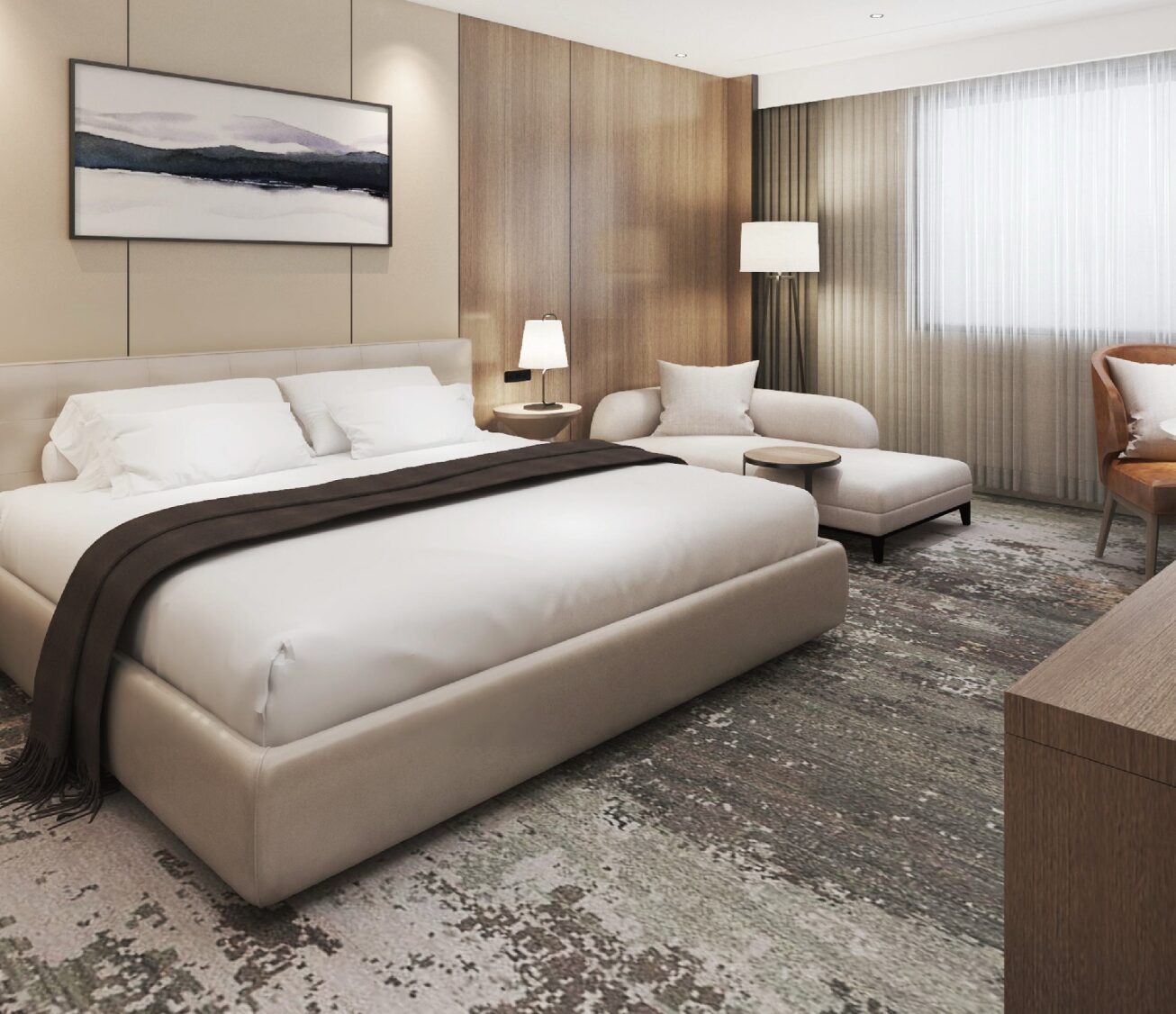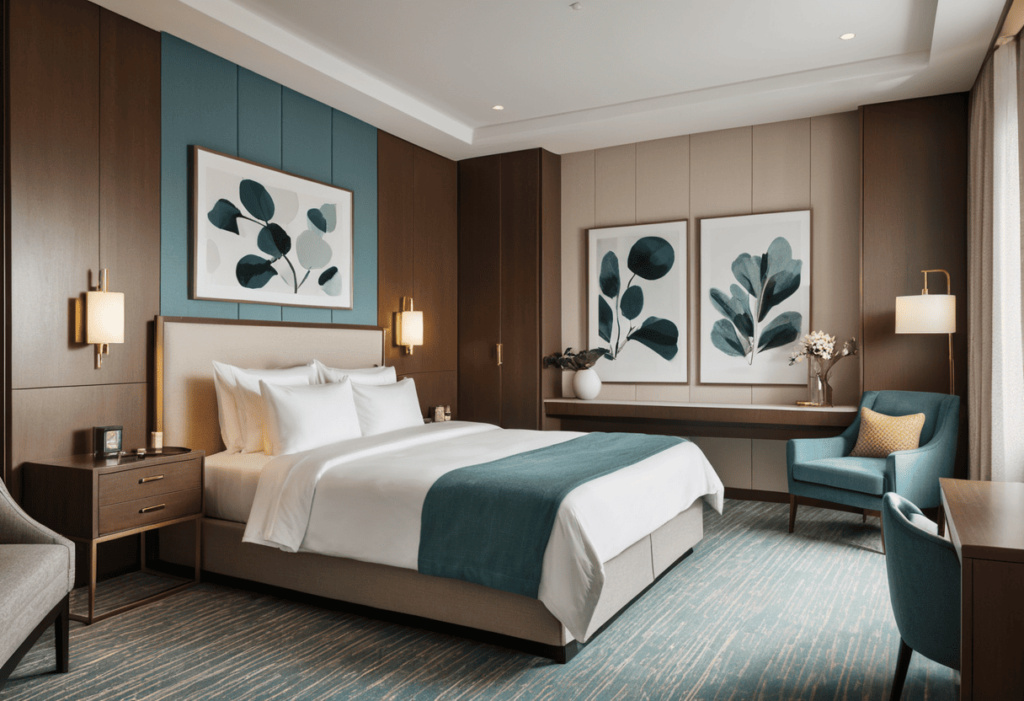
A headboard that fits against the wall versus a freestanding headboard - which is the better option?
Thứ 2, 29/12/2025
Administrator
702
Choosing between built-in and freestanding headboards is an important design and operational decision in hotel guestrooms. Each option affects durability, maintenance, flexibility, and guest perception differently. This article from Ngoc Hoang Anh provides an overview to help hotels select the most suitable headboard solution.
1. Understanding Built-In Headboards in Hotel Guestrooms
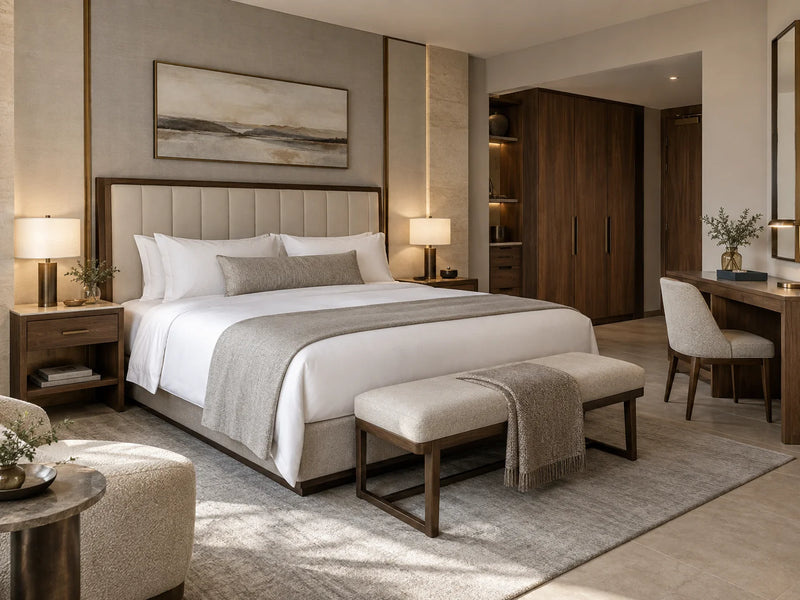
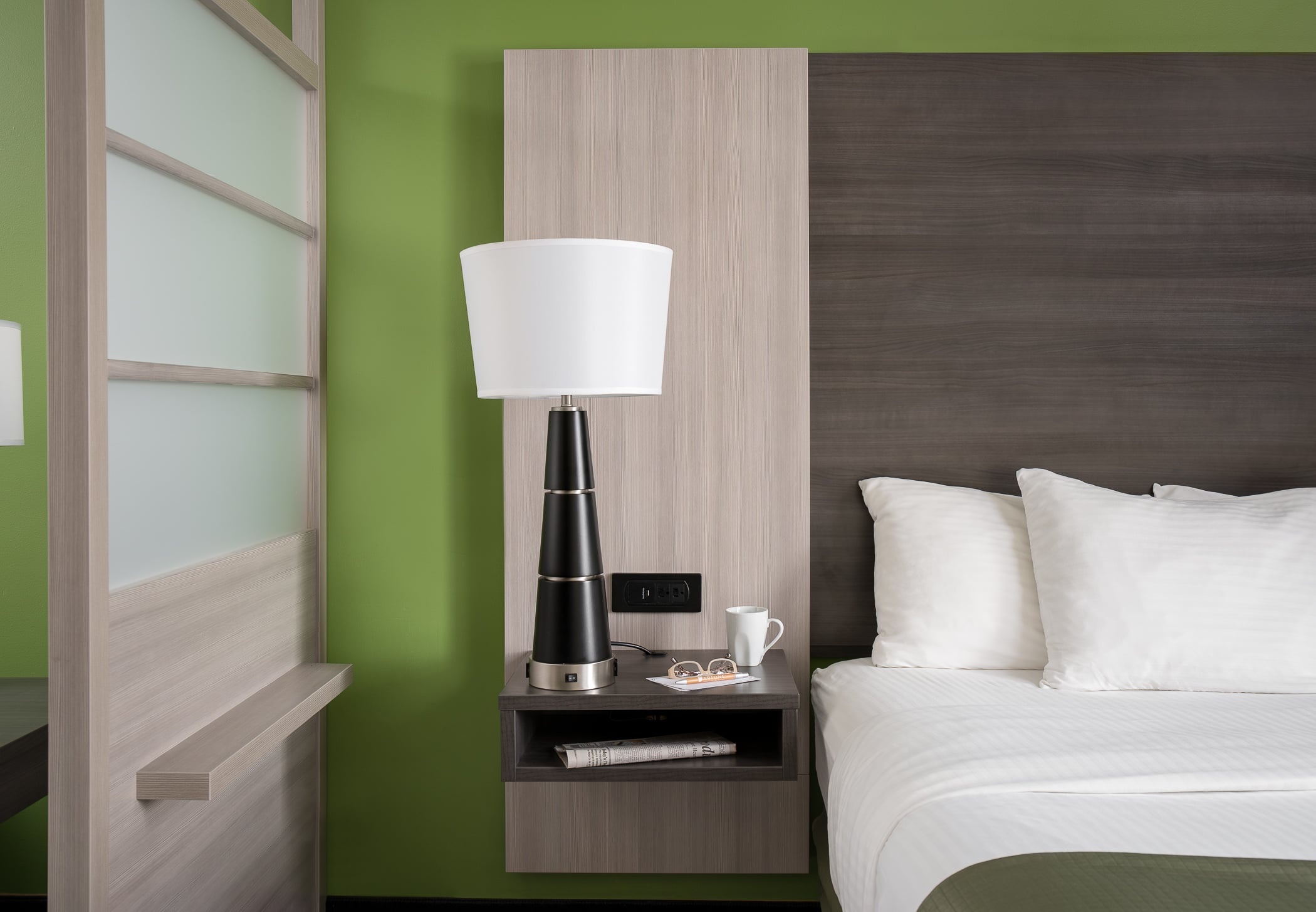
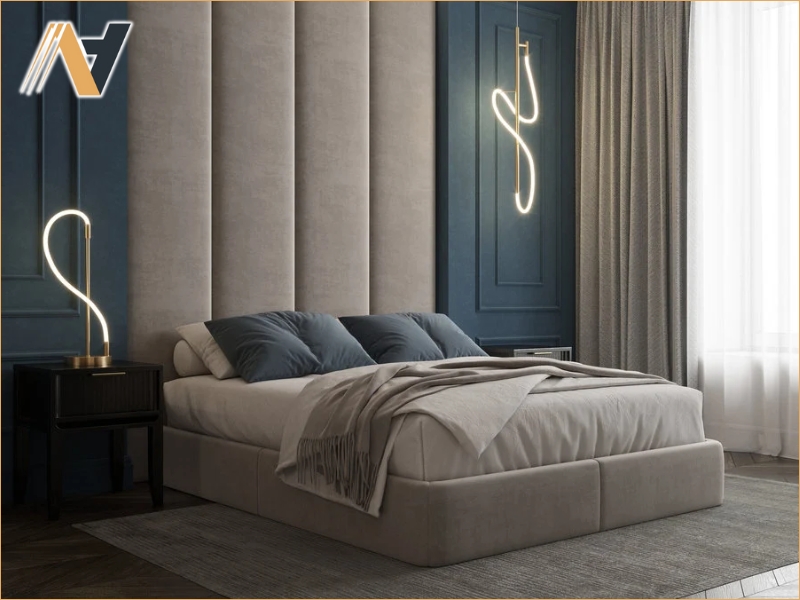
Built-in headboards are fixed directly to the wall and often integrated with wall panels, lighting, or architectural finishes. This solution emphasizes a permanent design statement and seamless visual continuity within the guestroom, making it a common choice in many upscale hotel projects.
1.1 Structural Integration with Walls and Panels
Built-in headboards are anchored to wall structures rather than bed frames. This integration allows the headboard to act as part of the architectural envelope, reducing movement and increasing perceived solidity during guest use.
1.2 Visual Impact and Design Continuity
By extending across the width of the bed wall, built-in headboards create a strong visual focal point. They support consistent materials, finishes, and proportions, helping guestrooms feel cohesive and intentionally designed.
1.3 Limitations in Flexibility and Replacement
Because built-in headboards are permanently fixed, modifications require wall work and coordination with multiple trades. This reduces flexibility during refurbishment and can increase downtime when replacement or redesign is needed.
2. Understanding Freestanding Headboards
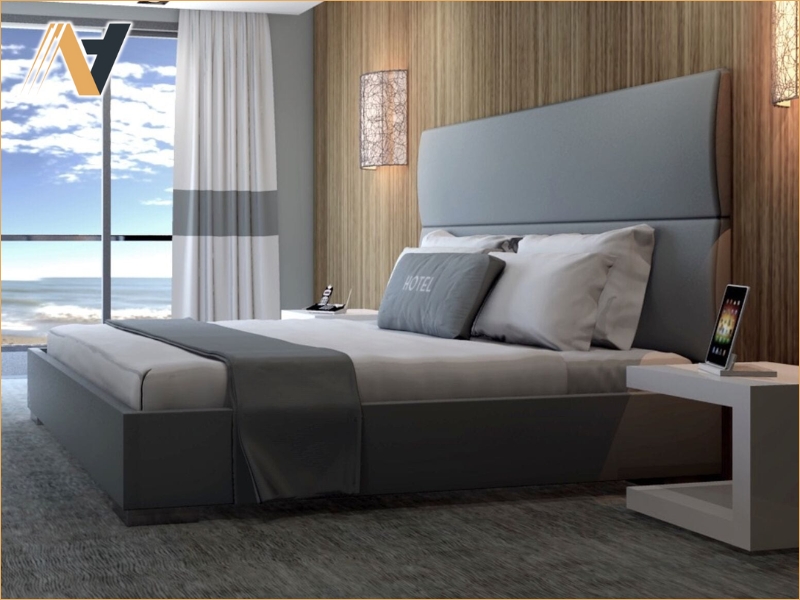
Freestanding headboards are attached directly to the bed frame rather than fixed to the wall. This approach emphasizes flexibility, easier installation, and adaptability across different room layouts and renovation cycles.
2.1 Independent Structure and Installation Flexibility
Because freestanding headboards move with the bed, installation is simpler and does not require wall modification. This independence allows faster room setup and easier coordination during fit-out or refurbishment.
2.2 Ease of Replacement and Maintenance
Freestanding headboards can be replaced or repaired without affecting wall finishes. This reduces downtime during maintenance and allows hotels to update design elements with minimal operational disruption.
2.3 Compatibility with Different Bed Frame Systems
This headboard type works well with various bed frame constructions, including metal and hybrid systems. Compatibility across bed types supports standardization and simplifies future furniture upgrades.
3. Durability and Performance Under High Usage
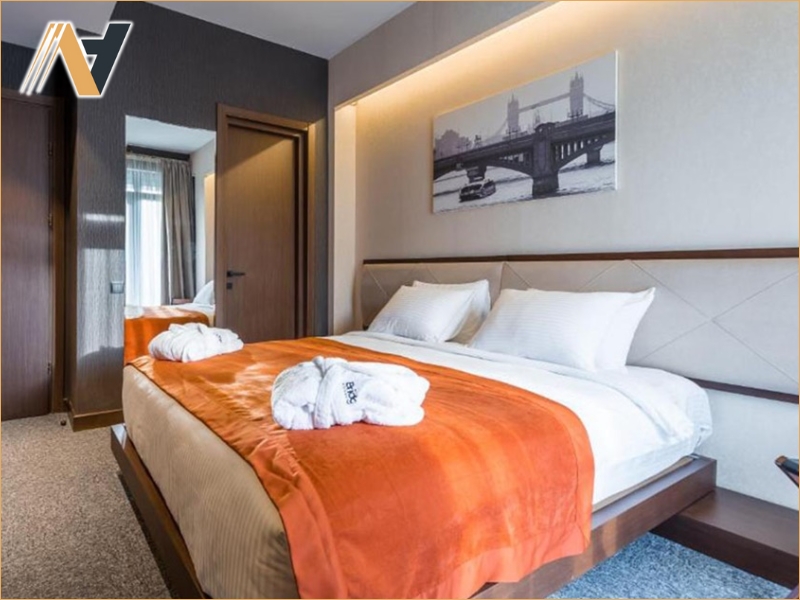
In high-occupancy hotels, headboards are subjected to frequent contact, pressure, and movement. The way a headboard is constructed and fixed directly affects its long-term durability and day-to-day performance.
3.1 Load Transfer and Stress Points
Built-in headboards transfer load directly to the wall structure, reducing stress on the bed frame but increasing reliance on wall integrity. Freestanding headboards concentrate load at the bed frame connection, requiring reinforced joints to prevent loosening over time.
3.2 Impact of Housekeeping and Guest Handling
Daily housekeeping activities involve moving beds, changing linens, and cleaning surfaces. Freestanding headboards move with the bed and are less exposed to wall damage, while built-in headboards remain stable but are more vulnerable to surface wear from repeated contact.
3.3 Long-Term Wear and Structural Stability
Over extended use, built-in headboards tend to maintain alignment but are harder to adjust if issues arise. Freestanding headboards may require periodic tightening, yet they offer easier intervention before minor wear develops into structural failure.
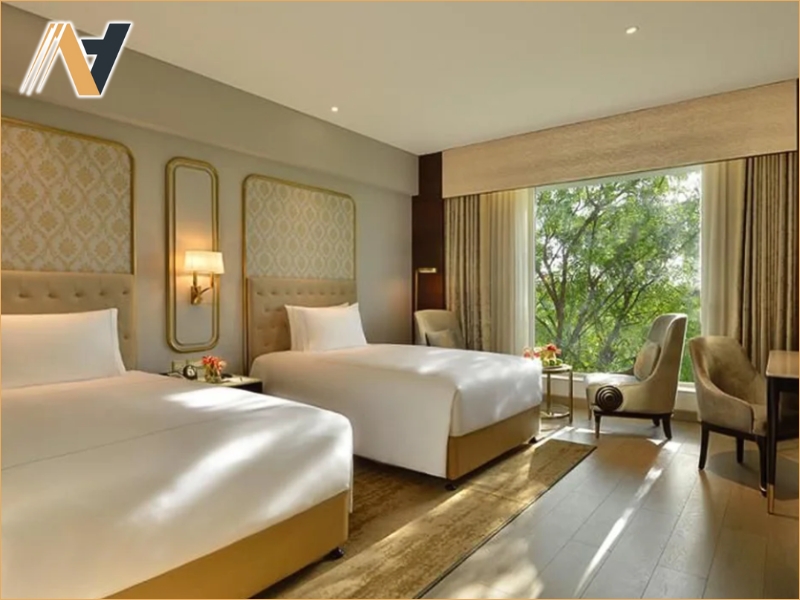
4. Operational and Maintenance Considerations
Daily hotel operations place practical demands on headboard solutions that go beyond design intent. Cleaning efficiency, repair access, and downtime risk all influence long-term suitability in active hotel environments.
4.1 Cleaning Access and Surface Protection
Built-in headboards often limit access to wall edges and joints, making thorough cleaning more time-consuming. Freestanding headboards allow easier access around the bed, reducing housekeeping effort and minimizing wall surface damage.
4.2 Repair, Refurbishment, and Downtime Risks
When damage occurs, built-in headboards typically require coordination with carpentry and wall finishing works, extending room downtime. Freestanding headboards can be removed or replaced more quickly, allowing hotels to restore rooms to service with minimal disruption.
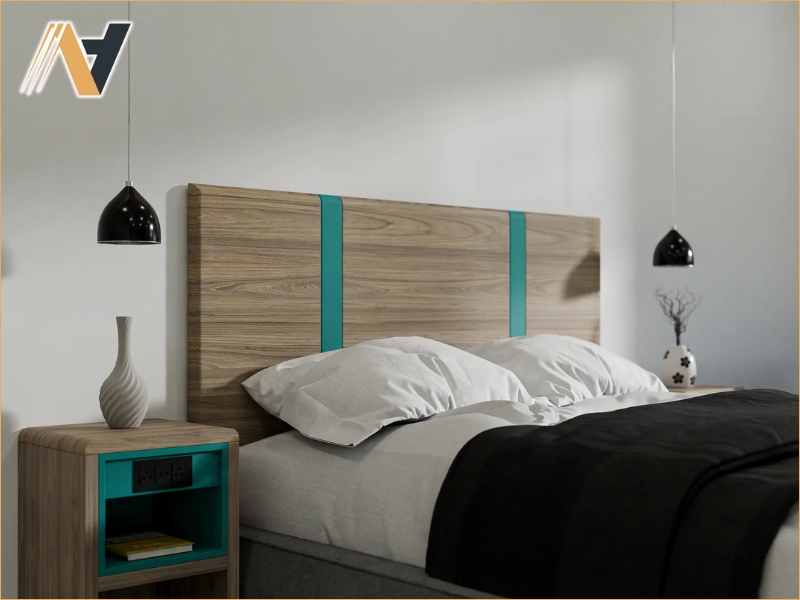
5. Design Strategy and Life Cycle Cost Implications
Choosing between built-in and freestanding headboards should be guided by long-term design strategy rather than short-term aesthetics. Each option carries different implications for renovation planning, cost control, and brand consistency over time.
5.1 Design Longevity and Future Renovation Plans
Built-in headboards support strong, cohesive design concepts but can limit flexibility during future renovations. Freestanding headboards allow easier updates, making them suitable for hotels anticipating periodic design refreshes.
5.2 Life Cycle Cost and Replacement Strategy
Built-in headboards often involve higher replacement and labor costs when damaged or redesigned. Freestanding headboards enable targeted replacement, helping hotels better control life cycle cost and minimize disruption.
5.3 Matching Headboard Type with Hotel Positioning
Luxury and design-led hotels may favor built-in headboards for visual impact, while business and high-occupancy hotels benefit from the operational efficiency of freestanding solutions. Aligning headboard choice with positioning ensures both performance and brand coherence.
Conclusion
Both built-in and freestanding headboards offer distinct advantages depending on a hotel’s design intent, operational intensity, and long-term renovation strategy. Built-in headboards create a strong architectural statement and visual continuity, while freestanding options provide greater flexibility, easier maintenance, and faster replacement in high-usage environments. The optimal choice lies in balancing aesthetics with real operational demands.
By aligning headboard design with life cycle cost considerations and hotel positioning, operators can achieve both durability and design coherence. With expertise in manufacturing high-performance Vietnam hotel furniture, Ngoc Hoang Anh supports hotels in selecting and producing headboard solutions tailored to long-term use, maintenance efficiency, and evolving design needs.
Contact us today for expert consultation and bespoke hospitality furniture production.
-----
NGOC HOANG ANH TRADING COMPANY LIMITED
Tax Code: 3702874413
Address: No. 288/28/10 Huynh Van Luy Street, Zone 7, Phu Loi Ward, Ho Chi Minh City, Vietnam
Warehouse: No. 1/91, Thuan Giao 02 Street, Binh Thuan 2 Residential Quarter, Thuan Giao Ward, Ho Chi Minh City, Vietnam
Phone/Whatsapp/Wechat: +84342076666
Email: info@ngochoanganh.com.vn