The Role of Lighting in Enhancing Hotel Interior Experience
Thứ 3, 21/07/2026
Administrator
112
Lighting plays a defining role in shaping the atmosphere, comfort, and emotional perception of hotel interiors. In this article, Ngoc Hoang Anh explores how strategic lighting design enhances spatial quality, guest experience, and the overall sense of luxury in modern hospitality environments.
1. Importance of Lighting in Hotel Interior Design
Lighting is one of the most influential elements in hotel interior design, shaping not only visibility but also the emotional and psychological experience of guests. A well-planned lighting system enhances spatial perception, highlights architectural details, and creates a refined atmosphere that defines the overall quality of a hospitality space.
1.1 Lighting as a key element of spatial perception
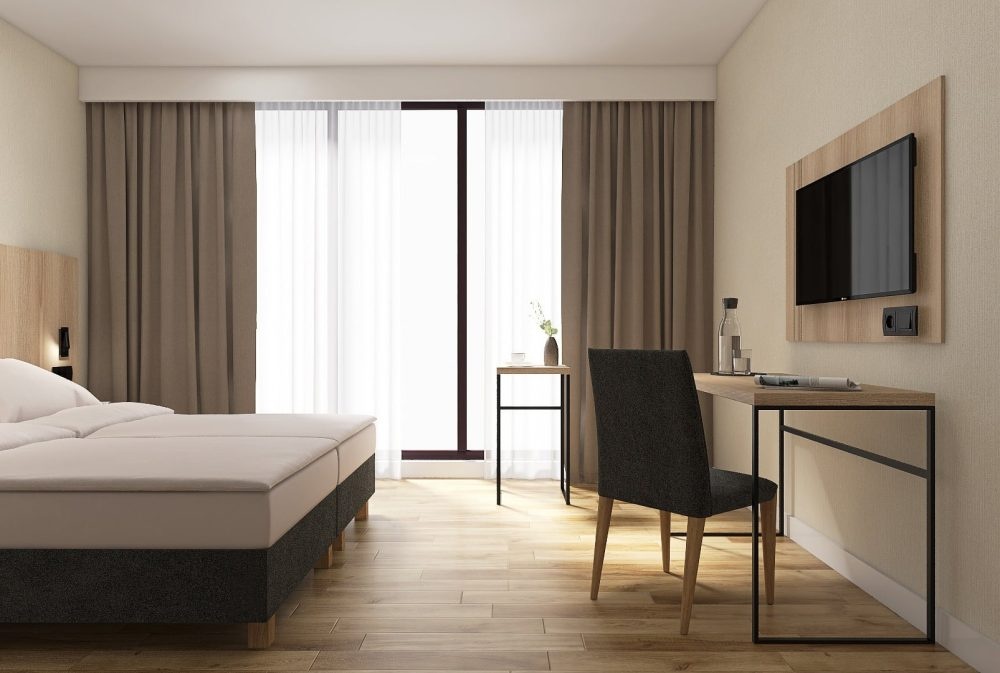
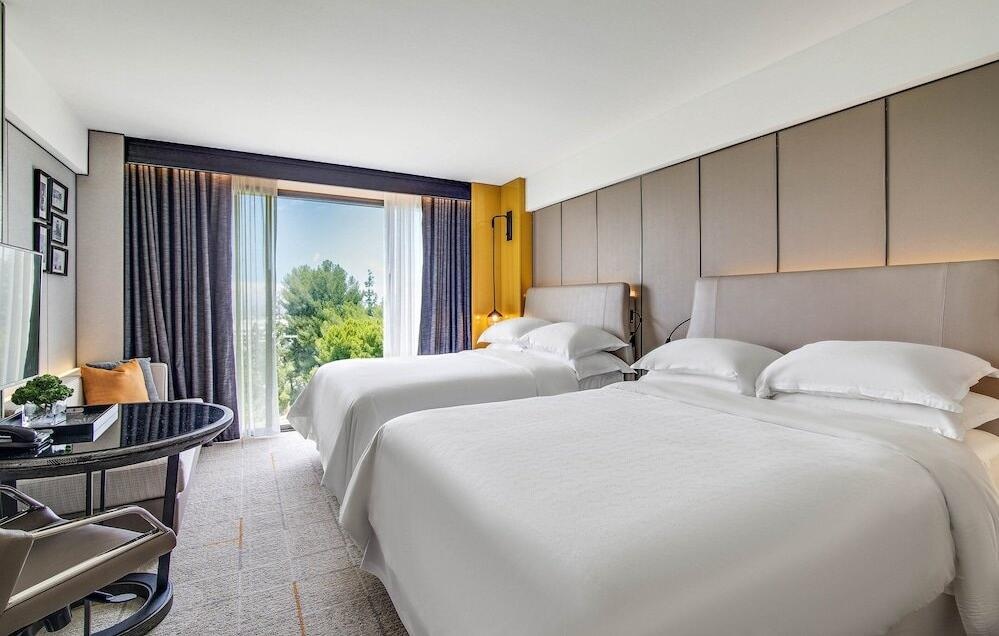
Proper lighting design can transform how guests perceive room size and proportions. Bright, evenly distributed lighting makes spaces feel more open and airy, while softer, layered lighting creates intimacy and warmth, allowing hotels to tailor the atmosphere according to functional and aesthetic goals.
1.2 Role of lighting in guest comfort and experience
Comfort in hospitality environments is strongly influenced by lighting quality. Balanced illumination reduces eye strain, supports daily activities, and creates a relaxing ambiance that improves overall guest satisfaction. Thoughtfully designed lighting also enhances sleep quality and in-room usability.
1.3 Lighting as part of brand identity
Beyond functionality, lighting contributes significantly to a hotel’s brand identity. Signature lighting styles, fixture designs, and color temperatures help establish a distinctive visual language, reinforcing the hotel’s positioning and creating a memorable impression that differentiates it in the competitive hospitality market.
2. Types of Lighting Layers in Hotel Spaces
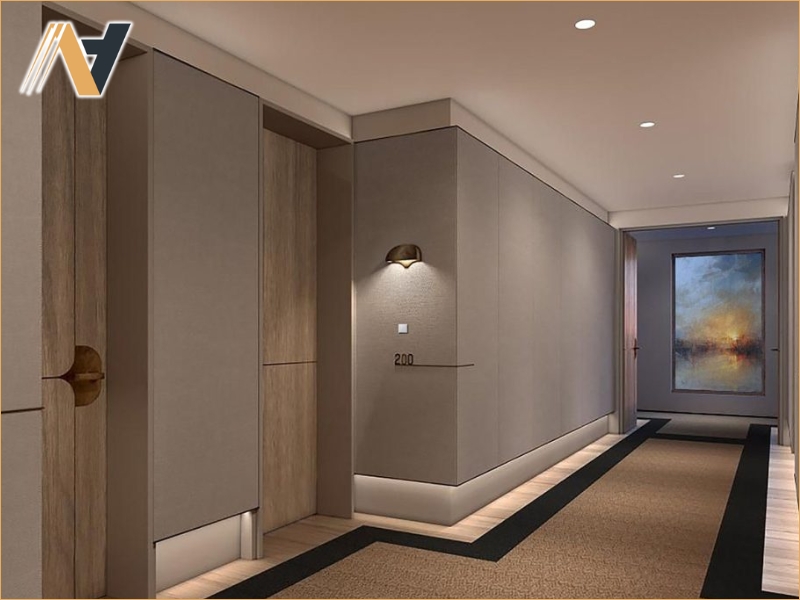
A professional hotel lighting design is built on a layered approach that combines different types of lighting to create depth, balance, and functionality. Each layer serves a distinct purpose, and when integrated properly, they work together to enhance both the aesthetic quality and usability of the space.
2.1 Ambient lighting for overall illumination
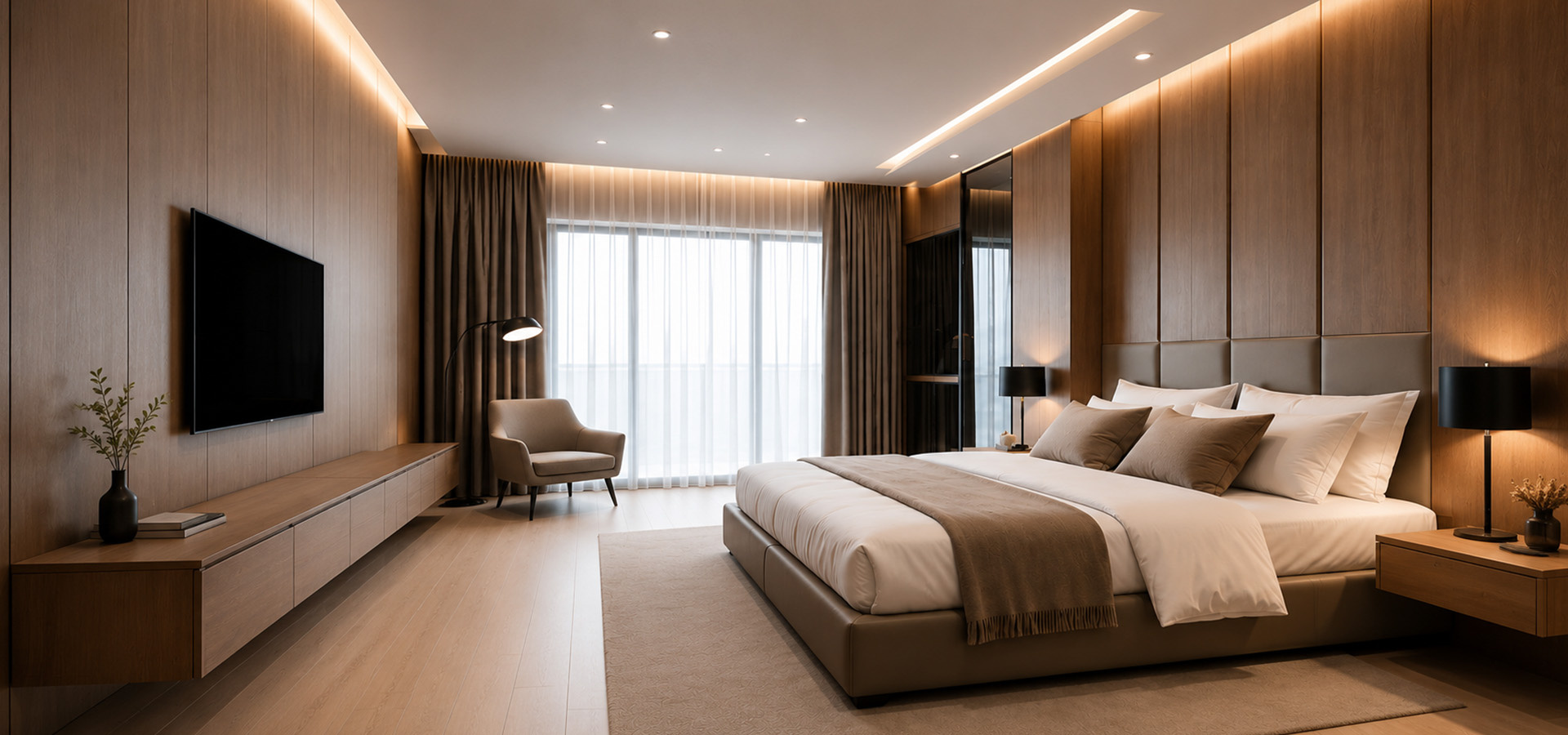
Ambient lighting provides the foundational level of brightness in hotel interiors. It ensures uniform illumination across the space, allowing guests to move comfortably and safely. Typically achieved through ceiling lights, recessed fixtures, or indirect lighting, this layer sets the overall tone of the room.
2.2 Task lighting for functional activities
Task lighting is designed to support specific activities such as reading, working, or grooming. Positioned strategically in areas like bedside tables, desks, and bathrooms, it delivers focused illumination that improves functionality while maintaining visual comfort for guests.
2.3 Accent lighting for visual emphasis
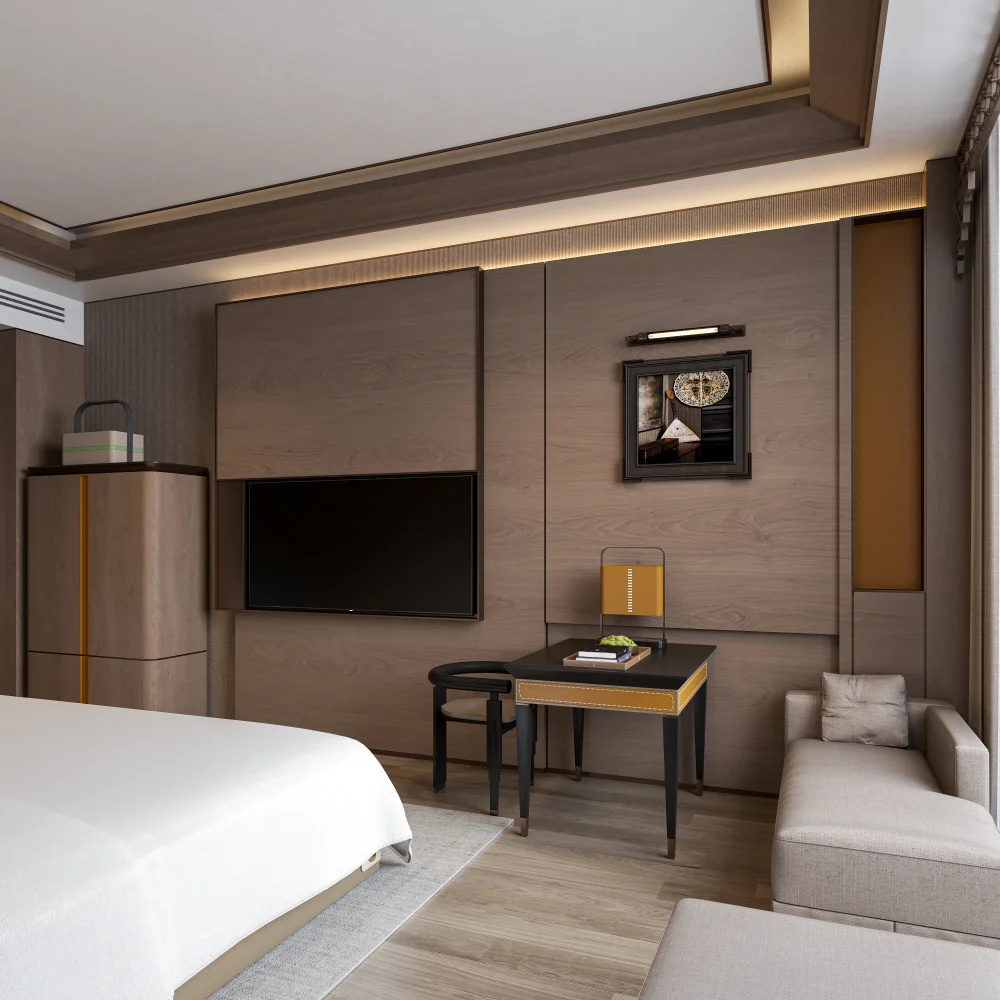
Accent lighting is used to highlight architectural features, decorative elements, or artwork within the hotel interior. By creating contrast and depth, it enhances visual interest and adds a sense of luxury, helping to elevate the overall guest experience and interior sophistication.
3. Lighting Strategies for Different Hotel Spaces
Each area within a hotel serves a different function and therefore requires a tailored lighting strategy. By adjusting intensity, color temperature, and fixture placement, hotels can create distinct atmospheres that support guest comfort, operational efficiency, and a cohesive luxury experience throughout the property.
3.1 Guest rooms and personalized lighting control
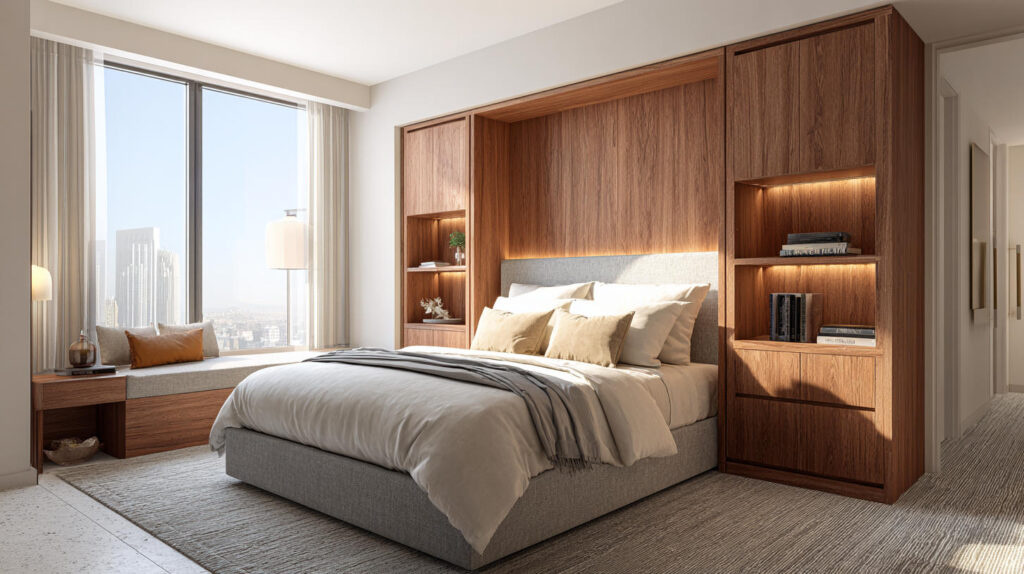
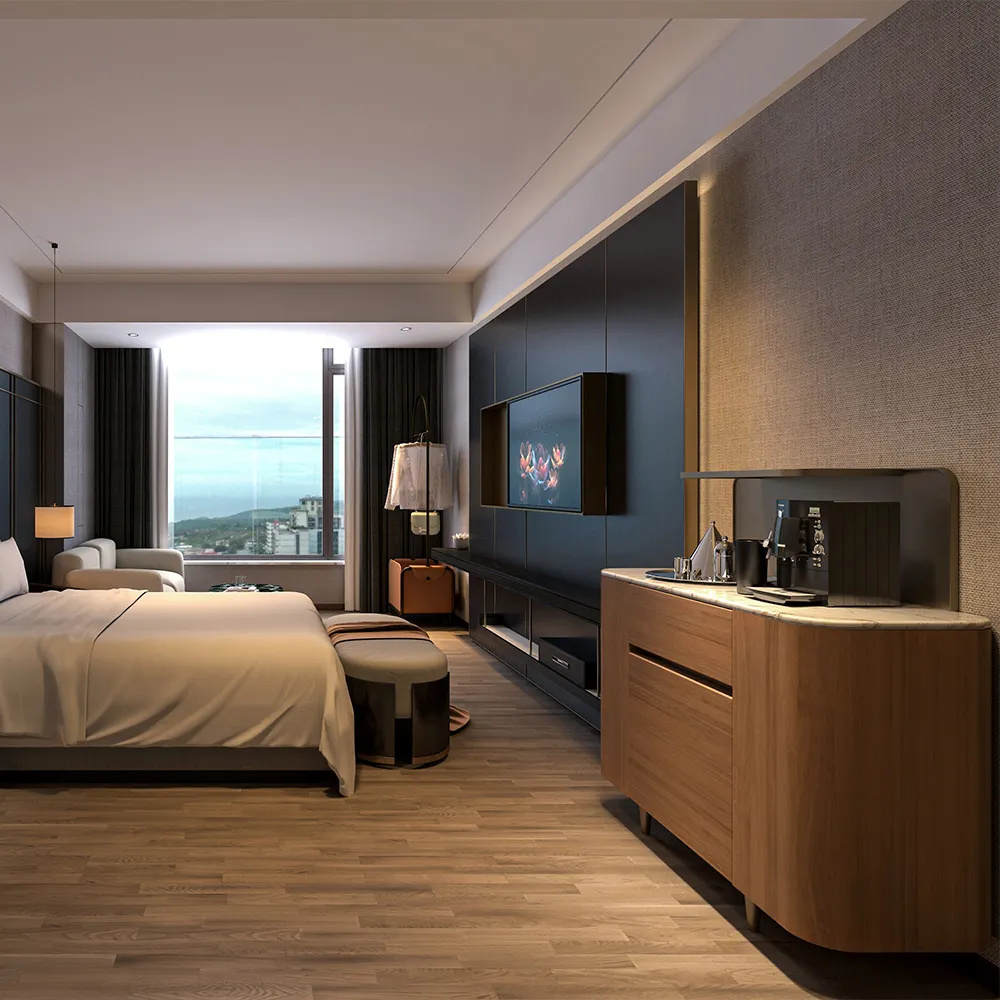
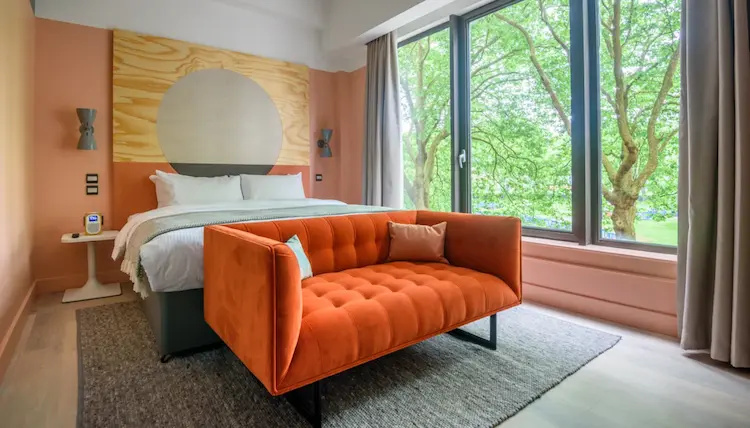
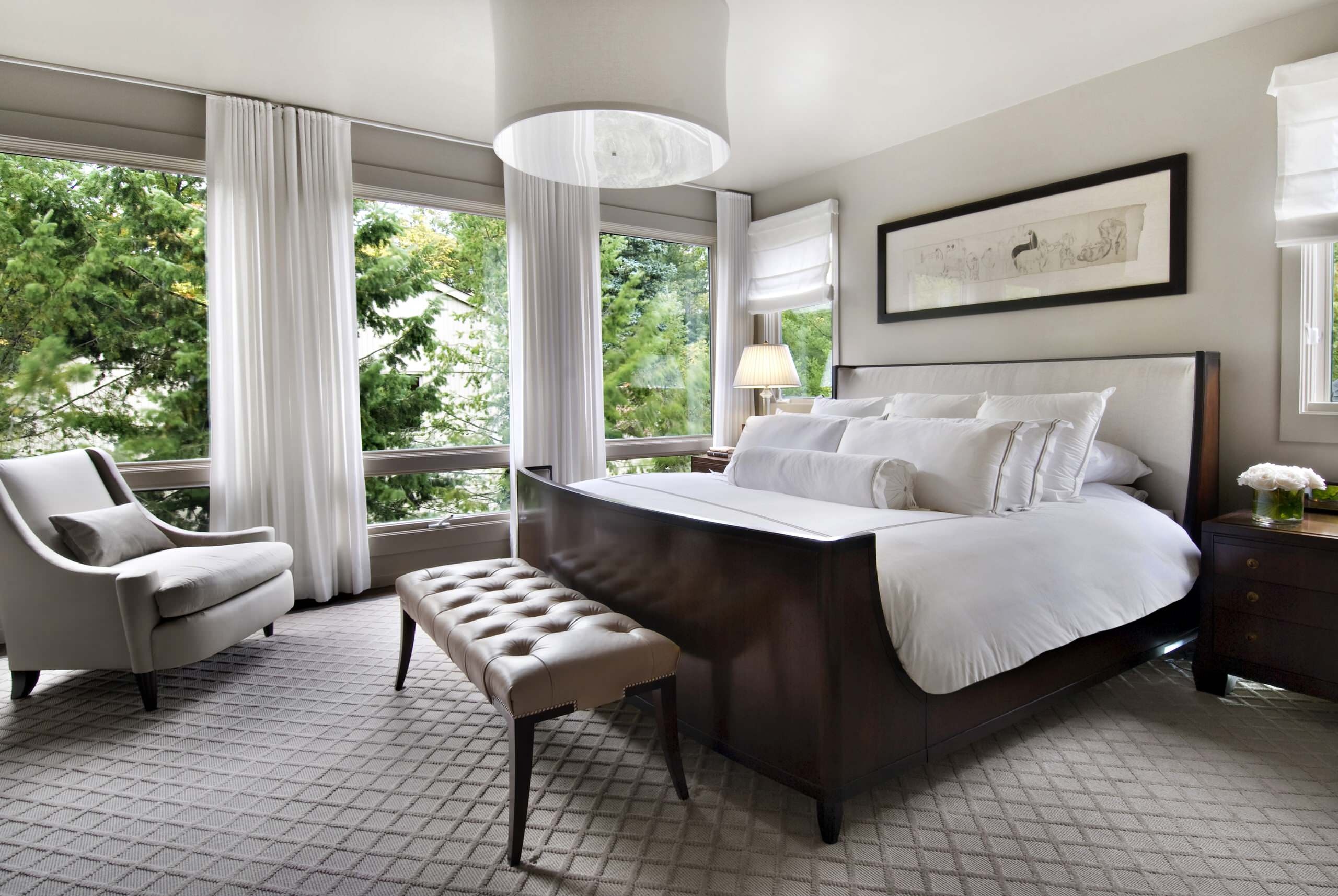
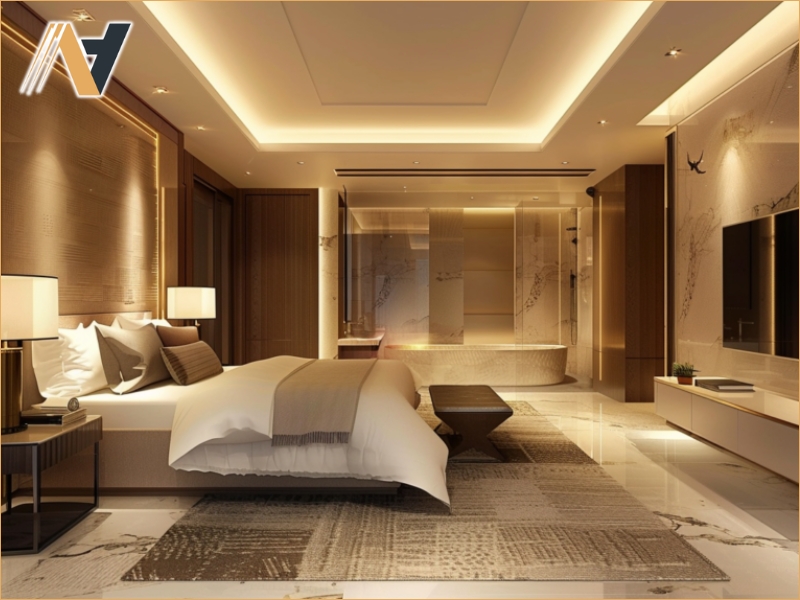
Guest rooms require flexible lighting systems that allow users to adjust brightness and mood according to their needs. Layered lighting setups such as bedside lamps, ceiling lights, and indirect lighting help create a comfortable environment for both rest and daily activities, enhancing personalization and overall satisfaction.
3.2 Lobby and reception lighting impact
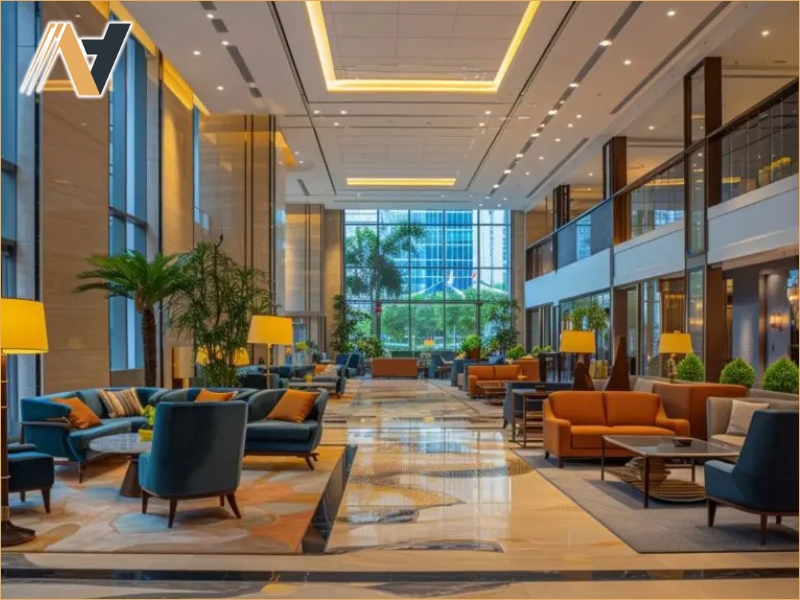
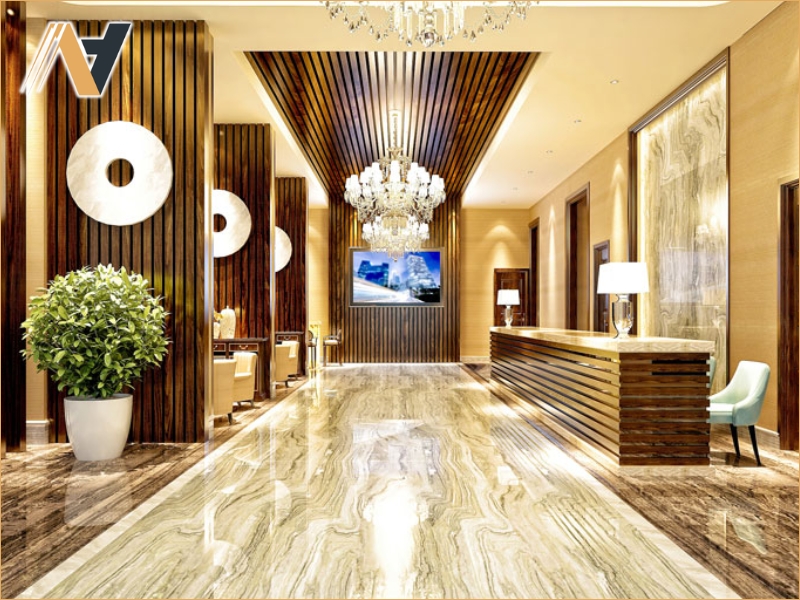
The lobby is the first impression of a hotel, making lighting design especially important in this area. Grand, well-balanced illumination combined with accent lighting helps highlight architectural features and create a welcoming yet luxurious atmosphere that reflects the hotel’s brand identity and positioning.
3.3 Restaurant and lounge lighting atmosphere
Dining and lounge areas benefit from warm, ambient lighting that encourages relaxation and social interaction. Carefully controlled light levels enhance food presentation, improve mood, and create an inviting environment where guests feel comfortable spending extended time.
.jpg)
4. Impact of Lighting on Mood and Luxury Perception
Lighting has a direct influence on how guests emotionally perceive hotel interiors, shaping feelings of comfort, elegance, and overall luxury. Beyond its functional role, lighting acts as a psychological design tool that defines atmosphere and strengthens the sensory experience of hospitality spaces.
4.1 Warm lighting for relaxation and comfort
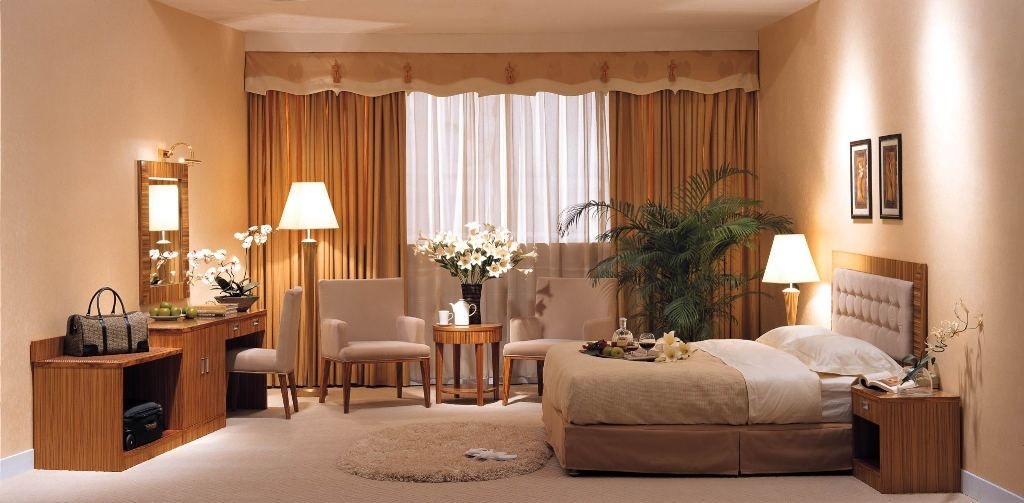
Warm lighting creates a soft and inviting atmosphere that promotes relaxation and rest. Commonly used in guest rooms and lounges, this lighting style reduces visual stress and enhances emotional comfort, making spaces feel more intimate, calm, and welcoming for hotel guests.
4.2 Cool lighting for modern and clean aesthetics
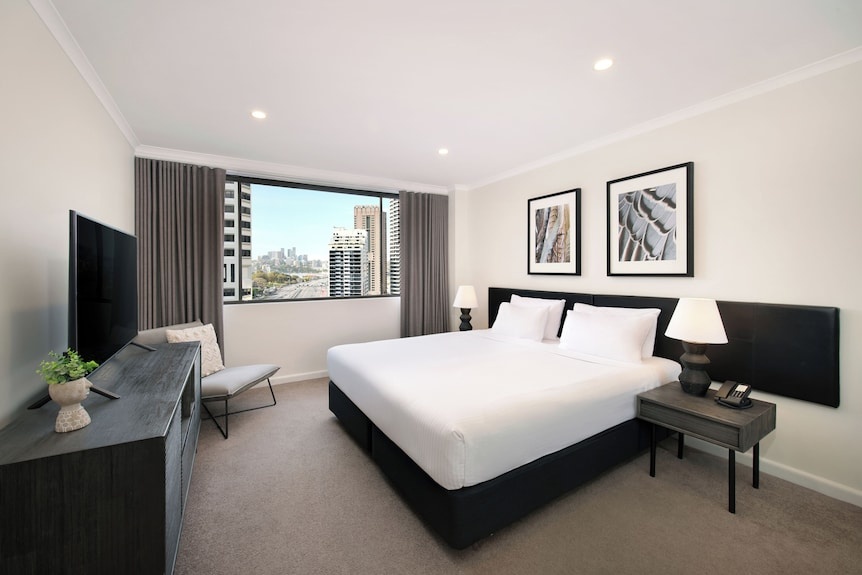
Cool lighting delivers a crisp and contemporary look, often used in work areas, bathrooms, and modern-designed interiors. It enhances clarity and visibility while reinforcing a sense of cleanliness, structure, and efficiency, aligning well with minimalist and business-oriented hotel concepts.
4.3 Dynamic lighting for immersive experiences
Dynamic lighting systems allow hotels to adjust brightness and color temperature based on time of day or specific events. This flexibility creates immersive environments that can shift from energetic to relaxing moods, enhancing guest engagement and elevating the overall luxury experience.
5. Smart Lighting and Energy Efficiency in Hotels
Modern hotel lighting design increasingly integrates smart technologies and energy-efficient solutions to enhance operational performance while maintaining high-quality guest experiences. This approach not only reduces energy consumption but also improves control, flexibility, and long-term sustainability in hospitality environments.
5.1 Automated lighting control systems
Automated lighting systems use sensors, timers, and centralized controls to adjust illumination based on occupancy and usage patterns. This ensures that lights are only used when needed, improving convenience for guests while significantly reducing unnecessary energy waste across hotel operations.
5.2 Energy-efficient LED lighting solutions
LED technology has become the standard in hotel lighting due to its low energy consumption, long lifespan, and consistent light quality. By replacing traditional lighting systems with LEDs, hotels can lower maintenance costs while maintaining a stable and visually comfortable lighting environment.
5.3 Integration with smart hotel management systems
Lighting systems can be integrated with broader smart hotel platforms, allowing centralized control through mobile devices or management software. This integration enables seamless coordination with room settings, climate control, and occupancy systems, creating a more efficient and personalized guest experience.
Conclusion
Lighting is a fundamental element that shapes the atmosphere, functionality, and luxury perception of hotel interiors. When applied strategically through layered design, space-specific planning, and smart technologies, lighting not only enhances guest comfort but also elevates the overall identity and value of the hospitality experience.
For hotel projects seeking cohesive and high-end interior solutions, Ngoc Hoang Anh provides Vietnam hotel furniture OEM services that integrate seamlessly with modern lighting concepts, ensuring both aesthetic harmony and operational efficiency in premium hospitality spaces.
Contact us today for expert consultation and bespoke hospitality furniture production.
-----
NGOC HOANG ANH TRADING COMPANY LIMITED
Tax Code: 3702874413
Address: No. 288/28/10 Huynh Van Luy Street, Zone 7, Phu Loi Ward, Ho Chi Minh City, Vietnam
Warehouse: No. 1/91, Thuan Giao 02 Street, Binh Thuan 2 Residential Quarter, Thuan Giao Ward, Ho Chi Minh City, Vietnam
Phone/Whatsapp/Wechat: +84342076666
Email: info@ngochoanganh.com.vn