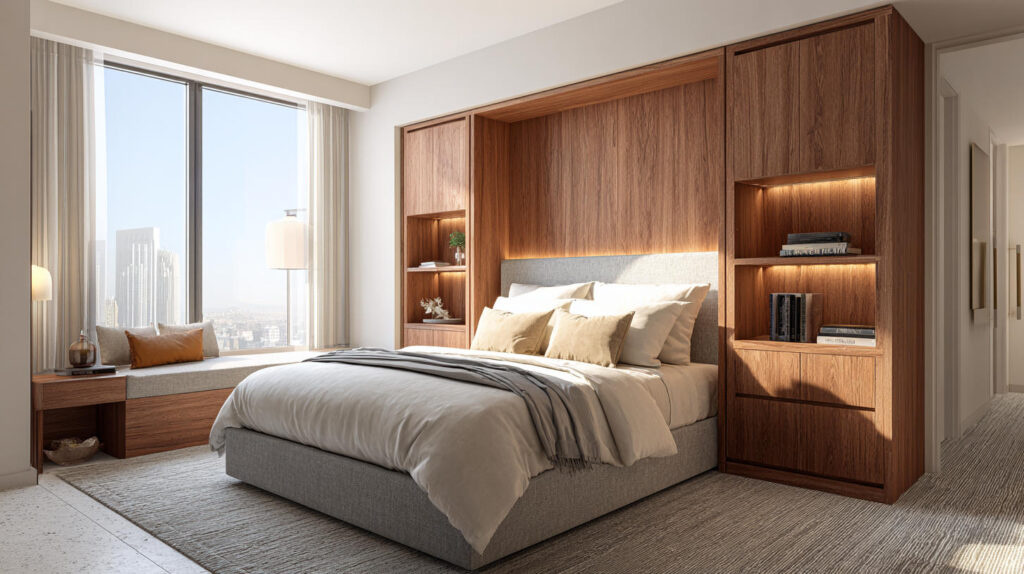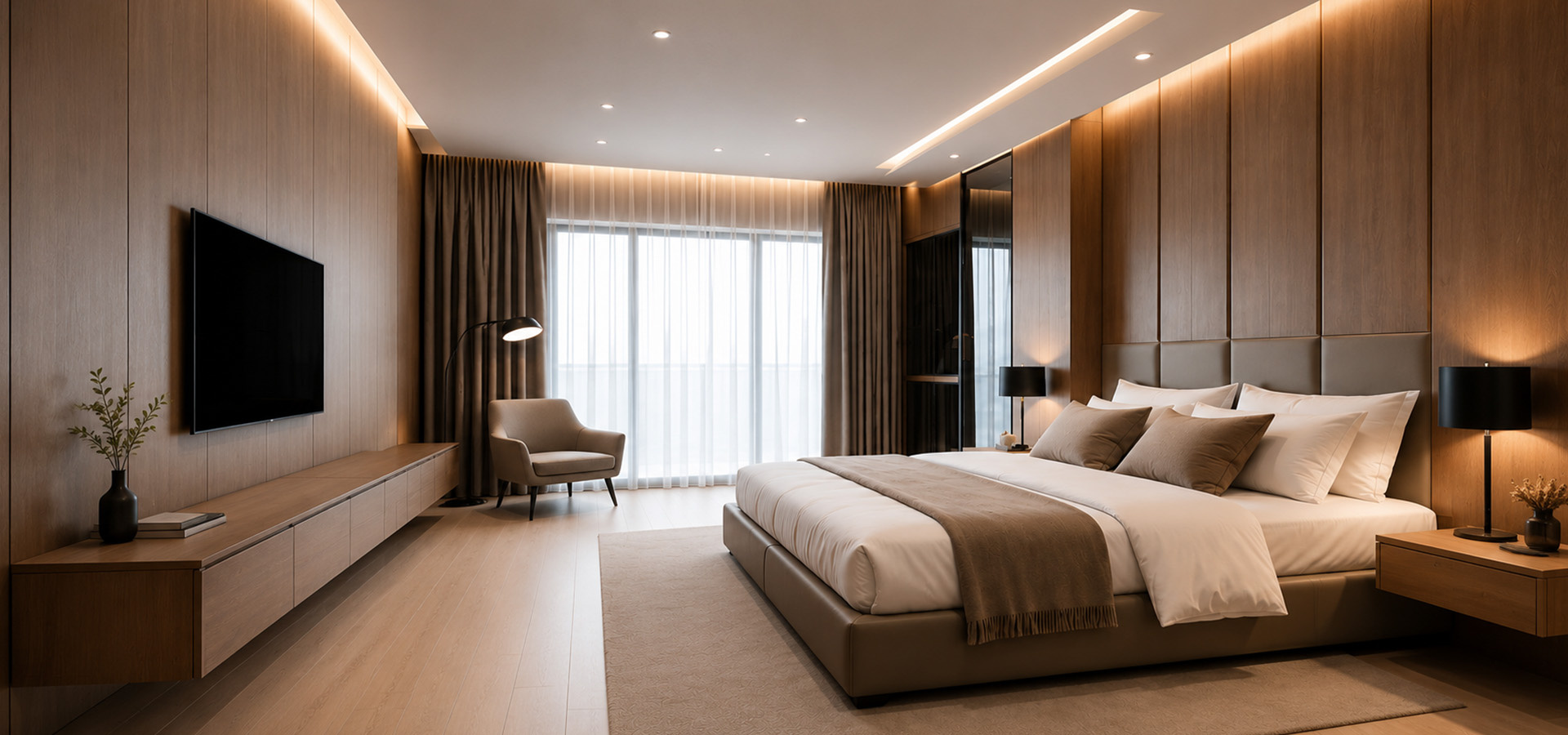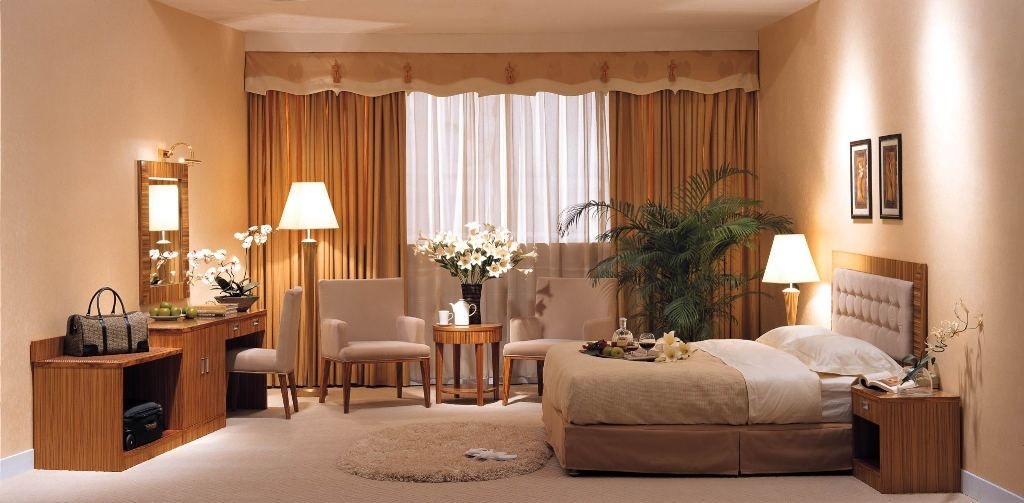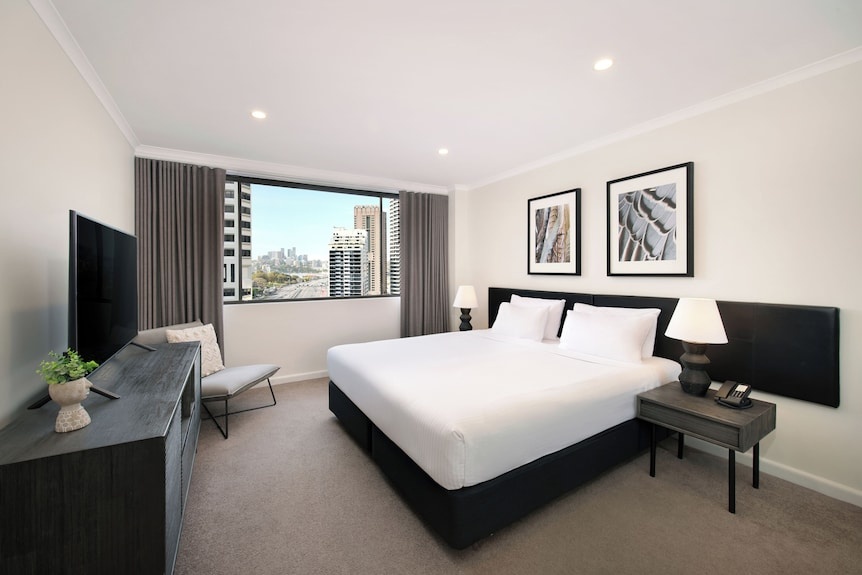
Phased hotel furniture replacement plan to optimize costs
Thứ 7, 12/09/2026
Administrator
30
Hotels can optimize renovation costs by developing a phased hotel furniture replacement plan that prioritizes essential upgrades, spreads investment over time, and minimizes disruption to daily operations. In this article, Ngoc Hoang Anh shares practical strategies for more cost-efficient furniture replacement.
1. Assessing existing hotel furniture before replacement
Assessing existing hotel furniture before replacement helps property owners understand the actual condition of each item, identify urgent upgrades, and avoid unnecessary spending on furniture that can still be repaired or reused while creating a practical foundation for phased renovation planning.
1.1 Inspecting the condition of existing furniture
Each furniture item should be inspected for structural damage, surface deterioration, loose connections, worn hardware, moisture damage, and signs of prolonged use, allowing hotels to determine whether the product remains safe and functional or requires replacement to maintain expected quality and guest comfort.
1.2 Identifying furniture that requires immediate replacement
Furniture with serious structural defects, unstable components, significant damage, poor functionality, or an outdated appearance that negatively affects guest experience should be prioritized for replacement, helping hotels direct limited budgets toward the most critical improvements instead of replacing all furniture at the same time.
1.3 Evaluating repair and refurbishment opportunities
Furniture that remains structurally sound can often be restored through surface refinishing, hardware replacement, upholstery renewal, or minor repairs, allowing hotels to extend its useful life and reduce immediate investment while reserving the budget for furniture items that genuinely require complete replacement.
2. Prioritizing hotel furniture replacement by importance
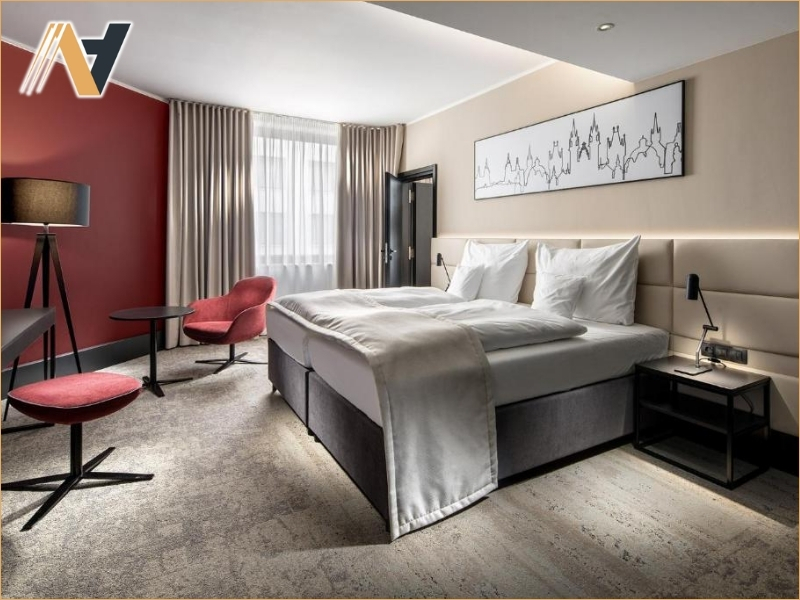
Prioritizing hotel furniture replacement allows properties to focus limited budgets on items with the greatest impact on safety, guest experience, functionality, and overall appearance, ensuring that essential improvements are completed first while less critical furniture can be upgraded during later renovation phases.
2.1 Replacing damaged and high-risk furniture
Furniture with serious structural damage, unstable frames, broken connections, or deteriorated components should be replaced first because these issues can affect guest safety and daily operations, making urgent replacement more important than purely cosmetic improvements and helping hotels address the most critical risks within their available budget.
2.2 Prioritizing high-use furniture in guest rooms
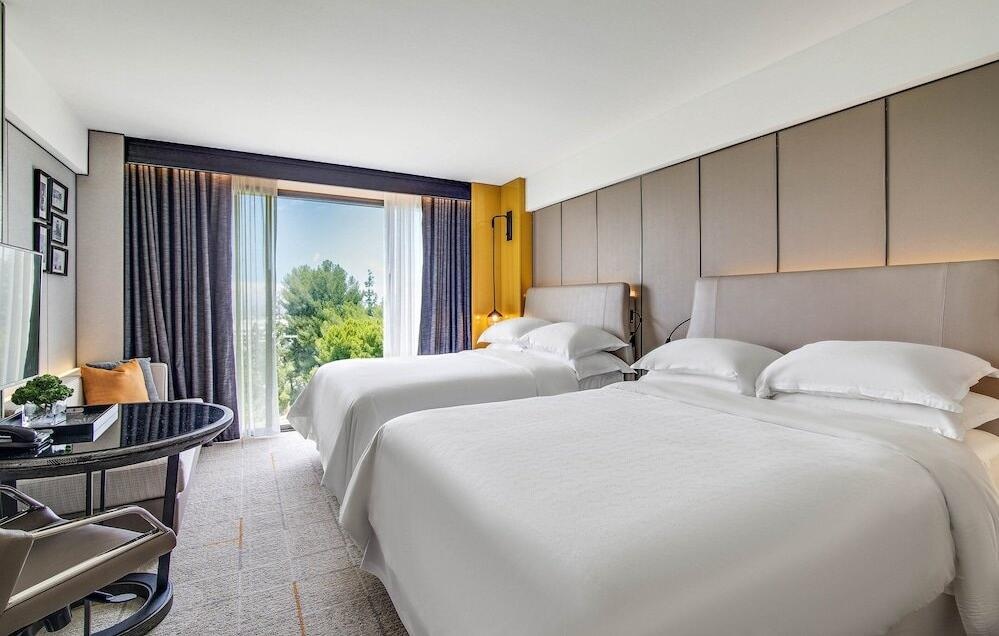
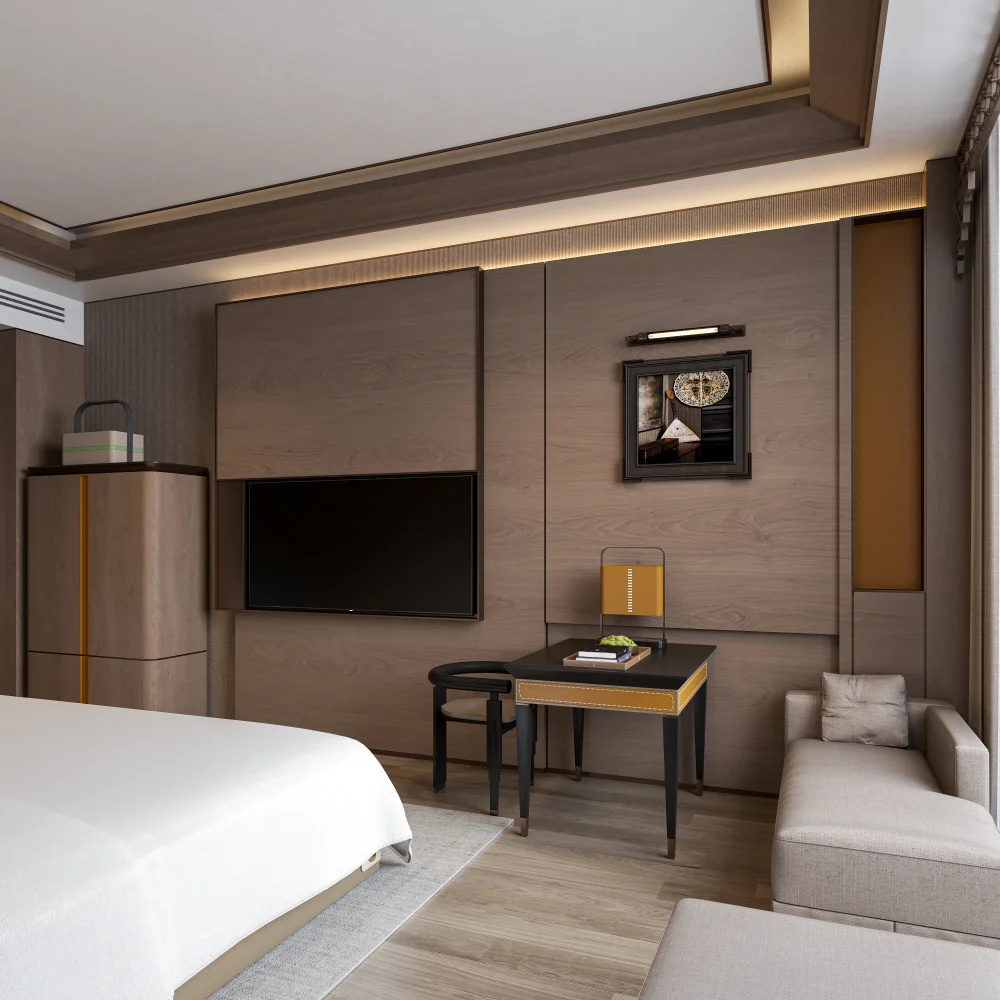
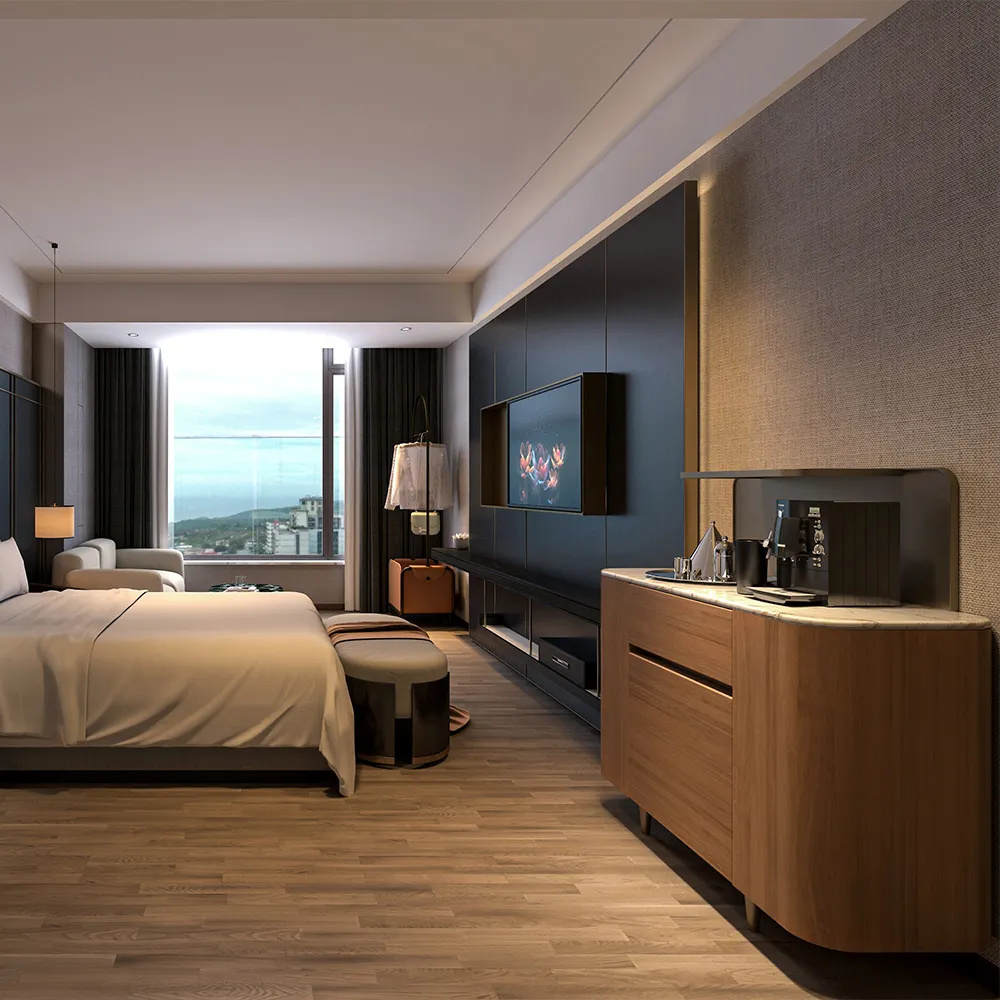
Frequently used items such as beds, bedside tables, desks, chairs, wardrobes, and storage cabinets should receive higher replacement priority because their condition directly influences guest comfort and daily room functionality, allowing hotels to create noticeable improvements while focusing investment on furniture that experiences the greatest operational demand.
2.3 Upgrading highly visible furniture in key areas
Furniture located in hotel lobbies, reception areas, restaurants, lounges, and other highly visible spaces can strongly influence first impressions and perceived property quality, so replacing outdated or worn pieces in these areas can provide significant aesthetic value without requiring the hotel to renovate every furniture category simultaneously.
3. Developing a phased hotel furniture replacement schedule
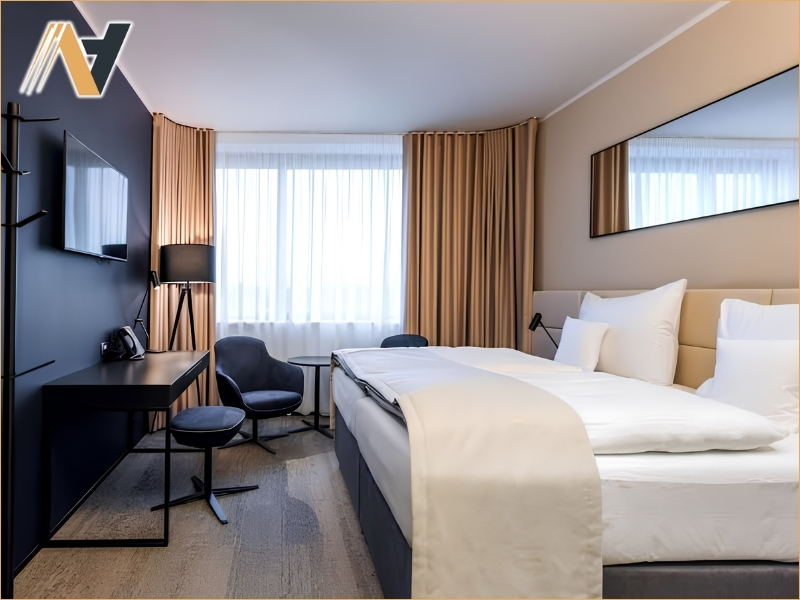
A phased hotel furniture replacement schedule helps properties divide renovation investment into manageable stages, allowing each phase to focus on specific room categories or furniture groups while maintaining operational continuity, controlling cash flow, and ensuring that replacement activities follow clear priorities.
3.1 Dividing replacement into room-by-room phases
Hotels can divide furniture replacement by room floors, room categories, or specific accommodation areas to make the project easier to manage and monitor, allowing completed rooms to return to operation while subsequent areas are gradually upgraded without requiring the entire property to close during renovation.
3.2 Scheduling upgrades during suitable operating periods
Replacement work should be scheduled during periods of lower occupancy or planned maintenance to reduce the impact on room availability and hotel revenue, while coordinating delivery, installation, and inspection activities carefully can help shorten downtime and ensure each upgraded room is ready before returning to regular operation.
3.3 Coordinating furniture replacement with renovation plans
Furniture replacement should be coordinated with flooring, wall finishes, lighting, electrical systems, and other renovation activities whenever possible, helping hotels avoid repeated labor costs, unnecessary dismantling, and additional installation work while ensuring that new furniture fits seamlessly into the updated interior environment.
4. Controlling costs through standardized hotel furniture solutions
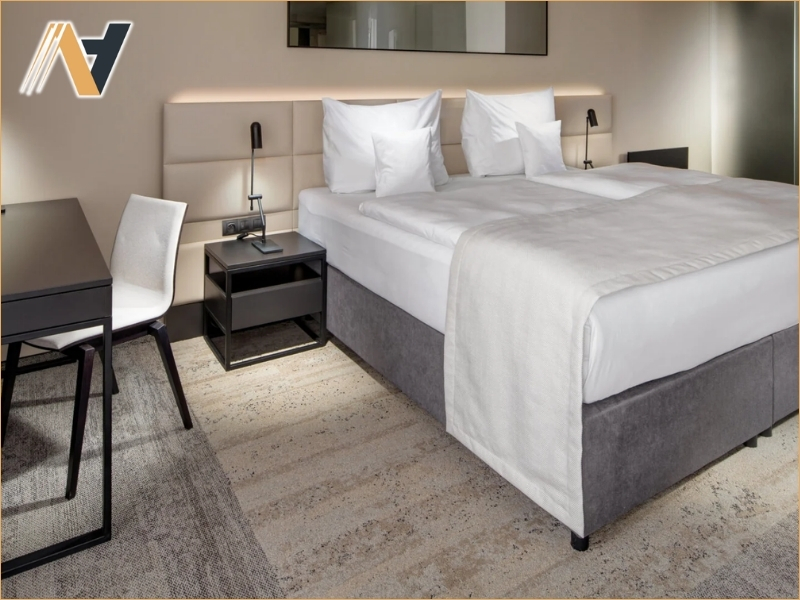
Standardized hotel furniture solutions help properties control replacement costs by simplifying material selection, production, installation, and future maintenance, while ensuring that furniture replaced across different phases remains visually consistent and compatible with the hotel's overall interior design.
4.1 Standardizing materials and furniture specifications
Hotels should establish consistent specifications for materials, dimensions, colors, finishes, hardware, and construction methods across replacement phases, allowing manufacturers to reproduce furniture accurately while reducing procurement complexity, minimizing specification changes, and maintaining a cohesive appearance between newly upgraded and existing rooms.
4.2 Choosing durable materials for long-term value
Selecting durable materials at the beginning can reduce the frequency of future replacements and associated labor costs, making quality plywood, engineered wood, metal components, durable upholstery, and suitable surface finishes valuable choices for hotels seeking to balance initial investment with long-term operational performance.
4.3 Using modular and replaceable furniture components
Modular furniture allows individual components such as panels, hardware, storage modules, or surface elements to be replaced without purchasing an entirely new product, helping hotels reduce future expenses while making subsequent upgrade phases faster, more flexible, and easier to coordinate with changing room categories or design requirements.
5. Working with a professional hotel furniture manufacturer
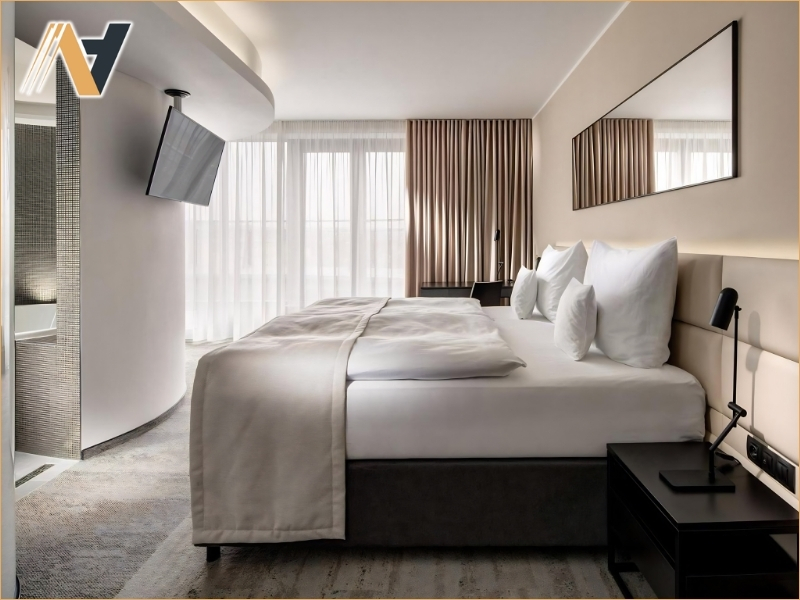
Working with a professional hotel furniture manufacturer helps properties implement phased replacement plans more efficiently, from product development and material selection to production and delivery, while maintaining consistent quality and design standards across every stage of the renovation process.
5.1 Developing a customized phased replacement plan
A professional manufacturer can review the hotel's furniture requirements, room categories, design concept, budget, and replacement schedule to develop suitable production solutions for each phase, helping property owners prioritize essential items while ensuring future furniture orders remain compatible with the existing interior system.
5.2 Maintaining consistency across different production phases
Using the same manufacturing partner throughout multiple replacement stages makes it easier to maintain consistent materials, colors, dimensions, finishes, hardware, and construction standards, ensuring that furniture produced at different times still creates a unified appearance across guest rooms and other hotel spaces.
5.3 Building a long-term furniture supply partnership
A long-term partnership with a reliable manufacturer can simplify future furniture replacement, renovation, and expansion projects because product specifications and design standards can be maintained over time, allowing hotels to reorder compatible furniture more efficiently while reducing the risks associated with changing suppliers between renovation phases.
Conclusion
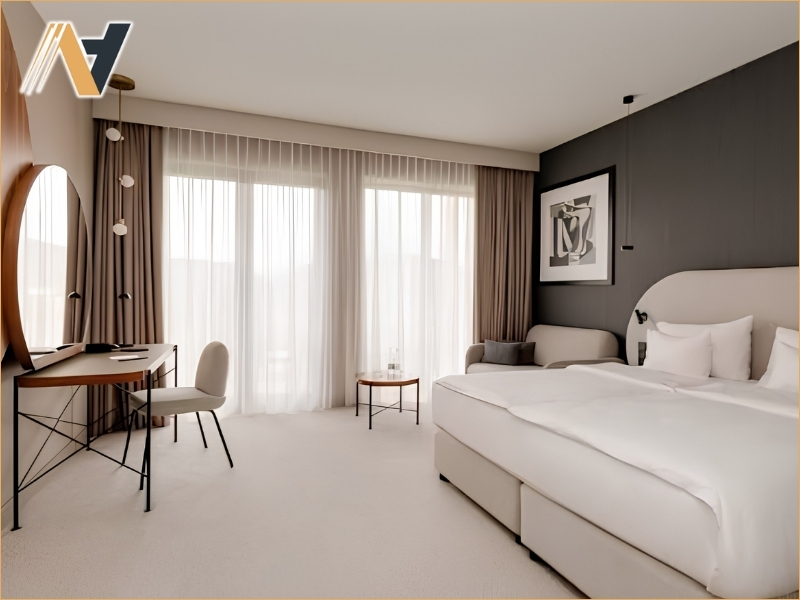
A phased hotel furniture replacement plan allows properties to control investment, prioritize essential upgrades, and minimize disruption while maintaining consistent quality across different renovation stages. Careful assessment, strategic scheduling, standardized specifications, and the right manufacturing partner can help hotels achieve greater long-term value from every furniture investment.
For hotels seeking refined, durable, and fully customized solutions, Ngoc Hoang Anh offers premium Vietnam hotel furniture tailored to support phased replacement plans and evolving hospitality interior requirements.
Contact us today for expert consultation and bespoke hospitality furniture production.
-----
NGOC HOANG ANH TRADING COMPANY LIMITED
Tax Code: 3702874413
Address: No. 288/28/10 Huynh Van Luy Street, Zone 7, Phu Loi Ward, Ho Chi Minh City, Vietnam
Warehouse: No. 1/91, Thuan Giao 02 Street, Binh Thuan 2 Residential Quarter, Thuan Giao Ward, Ho Chi Minh City, Vietnam
Phone/Whatsapp/Wechat: +84342076666
Email: info@ngochoanganh.com.vn