Outdoor Furniture Design Solutions for Tropical Coastal Climates
Thứ 4, 03/12/2025
Administrator
223
Coastal hotels and resorts require outdoor furniture that endures harsh tropical conditions while maintaining elegance. Humidity, salt exposure, and intense sunlight influence how materials age and perform. In this article, Ngoc Hoang Anh highlights key design strategies for creating durable and refined outdoor spaces in tropical climates.
1. Environmental Challenges in Tropical Coastal Locations
Outdoor furniture in tropical coastal areas faces constant exposure to elements that accelerate wear and aging. High humidity, salty air, strong winds, and intense sunlight all contribute to material degradation. Understanding these environmental pressures helps hotels and resorts choose furniture that remains elegant and functional despite the challenging climate.
1.1 Salt, Wind, and Constant Moisture Exposure
Salt particles in the air cling to surfaces and speed up corrosion, especially on metal frames. Continuous moisture and strong coastal winds further strain materials, requiring furniture that can withstand persistent environmental stress.
1.2 UV Intensity and Material Fading Risks
Powerful sunlight in tropical regions causes colors to fade and surfaces to degrade. UV exposure weakens fabrics and finishes, making it essential to select materials designed to retain their appearance under harsh light.
1.3 Guest Comfort and Safety in Coastal Conditions
High temperatures and humidity affect how comfortable furniture feels to the touch. Designs must remain stable on sandy or uneven ground while ensuring that surfaces do not become overly hot or slippery for guests.
2. Material Selection for Long-Term Performance
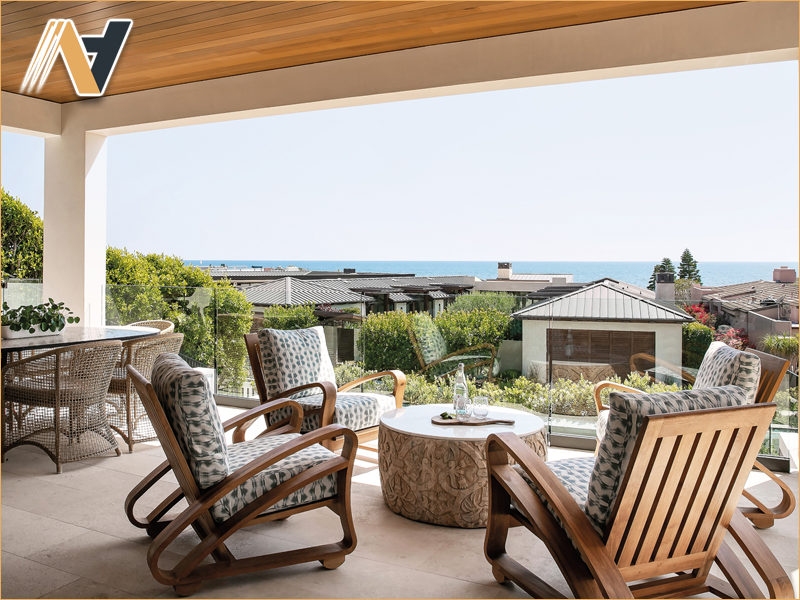
Choosing the right materials is essential to ensure that outdoor furniture remains stable and elegant in tropical coastal environments. Constant exposure to salt, moisture, and sunlight demands materials with high resistance to corrosion, fading, and deformation. Durable and weather-ready selections help resorts maintain an inviting outdoor atmosphere throughout the year.
2.1 Aluminum and Stainless-Steel Frames for Corrosion Resistance
These metals perform well near the ocean thanks to their natural resistance to rust. Lightweight aluminum and high-grade stainless steel provide structural strength while enduring salt exposure with minimal degradation.
2.2 Weatherproof Woods such as Teak or Treated Hardwoods
Teak and selected hardwoods contain natural oils that repel moisture, making them ideal for humid climates. Their warm tones complement coastal scenery while offering long-lasting durability.
2.3 High-Performance Resin and Synthetic Rattan for Stability
Modern resin and synthetic rattan withstand harsh sunlight without cracking or fading. They mimic natural textures yet offer superior resistance to humidity and daily outdoor use.
2.4 Outdoor Fabrics Designed to Resist Mold and UV Damage
Specialized textiles such as solution-dyed acrylics prevent mold buildup and maintain vibrant colors under strong UV light. These fabrics stay comfortable and dry quickly after rain or sea spray.
3. Structural Design Features That Improve Durability
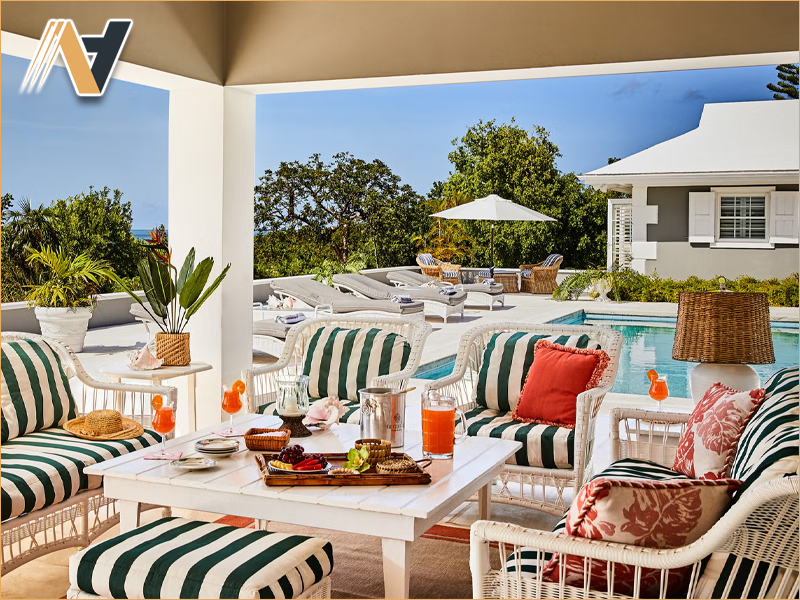
Beyond material choice, structural design determines how well outdoor furniture withstands the demands of coastal climates. Strong joints, smart ventilation, and stable foundations help prevent damage from winds, moisture, and uneven ground. These thoughtful design elements ensure that outdoor pieces remain safe, functional, and visually refined.
3.1 Reinforced Joints and Connections for Windy Conditions
Sturdy joinery and reinforced connections prevent wobbling and structural fatigue. These reinforcements help furniture endure strong coastal winds without compromising long-term stability.
3.2 Drainage and Ventilation Systems for Faster Drying
Furniture designed with perforations, mesh, or elevated frames allows water to drain quickly. This enhances drying time, reduces mold risk, and improves the comfort of seating surfaces after rain.
3.3 Stable Bases Suitable for Sandy or Uneven Ground
Wide or weighted bases provide balance on soft or irregular terrain. This stability prevents tipping and ensures guest safety in outdoor dining or lounging areas.
4. Aesthetic Approaches That Complement Coastal Landscapes
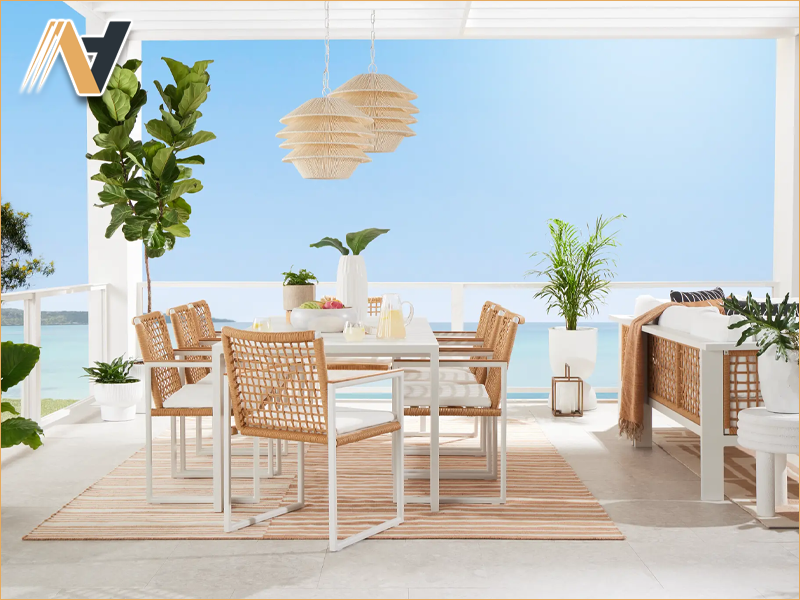
The visual identity of outdoor spaces in coastal hotels depends on how well furniture blends with the surrounding environment. Soft colors, natural forms, and weather-friendly finishes create a calm and inviting mood. Thoughtful aesthetic choices help reinforce the resort’s connection to the coastline while maintaining a refined sense of luxury.
4.1 Light and Natural Color Palettes that Reflect Beachfront Mood
Shades inspired by sand, shells, and driftwood enhance the relaxing atmosphere. These tones soften the transition between indoor and outdoor areas and feel naturally suited to coastal scenery.
4.2 Soft Curves and Organic Shapes that Blend with the Landscape
Curved lines and gentle contours echo the natural shapes of waves and shoreline. These forms complement the environment and create a visual flow that feels peaceful and cohesive.
4.3 Finishes that Maintain Elegance Despite Weather Stress
Weather-resistant coatings and matte textures help furniture retain a polished look. These finishes also reduce the appearance of salt marks and sun exposure, preserving aesthetic appeal over time.
5. Maintenance Strategies to Extend Outdoor Furniture Lifespan
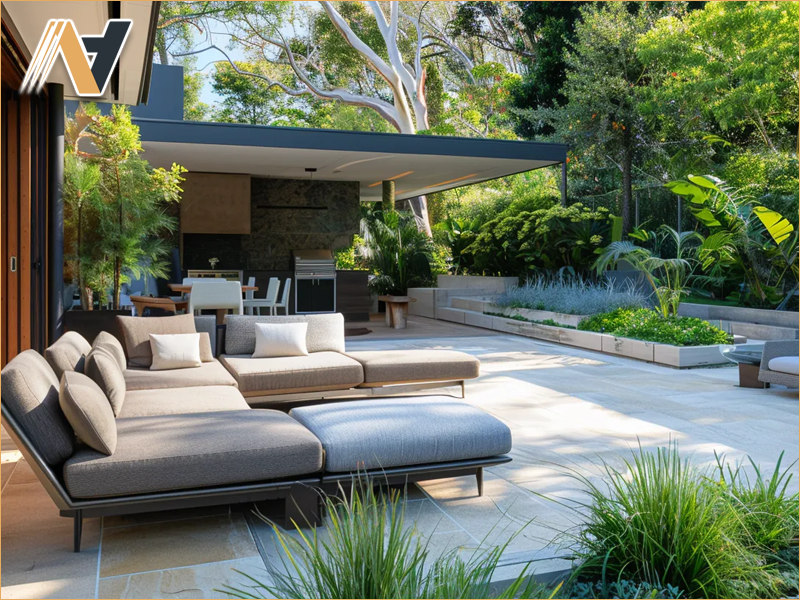
Regular care is essential to keep outdoor furniture in coastal hotels looking elegant and performing reliably. Salt, sand, and strong sunlight can accelerate wear, making consistent upkeep a critical part of long-term durability. Proper maintenance routines help preserve both appearance and structural integrity throughout changing seasons.
5.1 Cleaning Routines That Protect Materials from Salt and Sand
Frequent rinsing and gentle cleaning remove salt deposits that can damage surfaces. Keeping sand away from joints and frames prevents unnecessary abrasion and prolongs structural strength.
5.2 Seasonal Care and Storage Solutions for Long-Term Durability
Placing cushions in covered storage during heavy rain or storms reduces moisture buildup. Using protective covers or relocating lightweight pieces during extreme weather helps maintain the furniture’s condition over time.
Conclusion
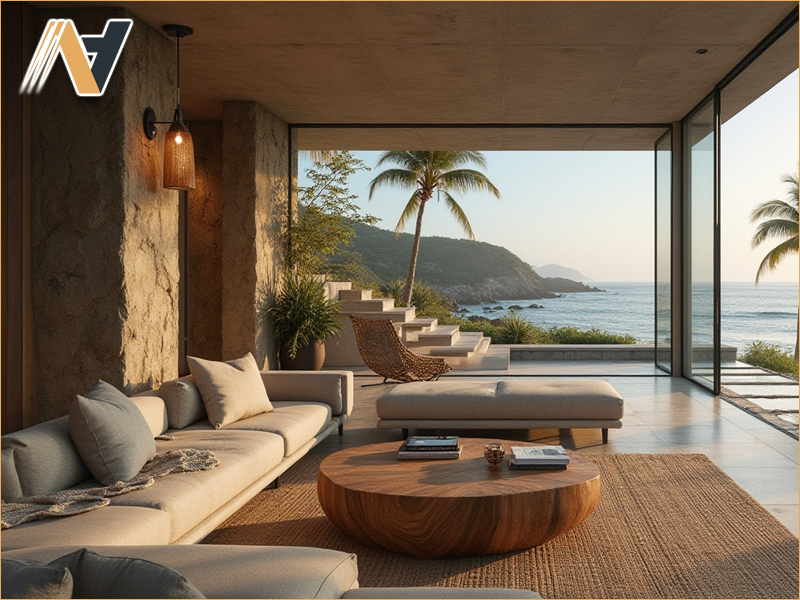
Designing outdoor furniture for tropical coastal climates requires balancing beauty with resilience. With the right materials, structural features, and maintenance strategies, hotels can create inviting spaces that withstand harsh weather while retaining elegance. For resorts seeking refined and durable coastal solutions, Ngoc Hoang Anh offers expertly crafted Vietnam hotel furniture tailored for tropical outdoor environments.
Contact us today for expert consultation and bespoke hospitality furniture production.
-----
NGOC HOANG ANH TRADING COMPANY LIMITED
Tax Code: 3702874413
Address: No. 288/28/10 Huynh Van Luy Street, Zone 7, Phu Loi Ward, Ho Chi Minh City, Vietnam
Warehouse: No. 1/91, Thuan Giao 02 Street, Binh Thuan 2 Residential Quarter, Thuan Giao Ward, Ho Chi Minh City, Vietnam
Phone/Whatsapp/Wechat: +84342076666
Email: info@ngochoanganh.com.vn