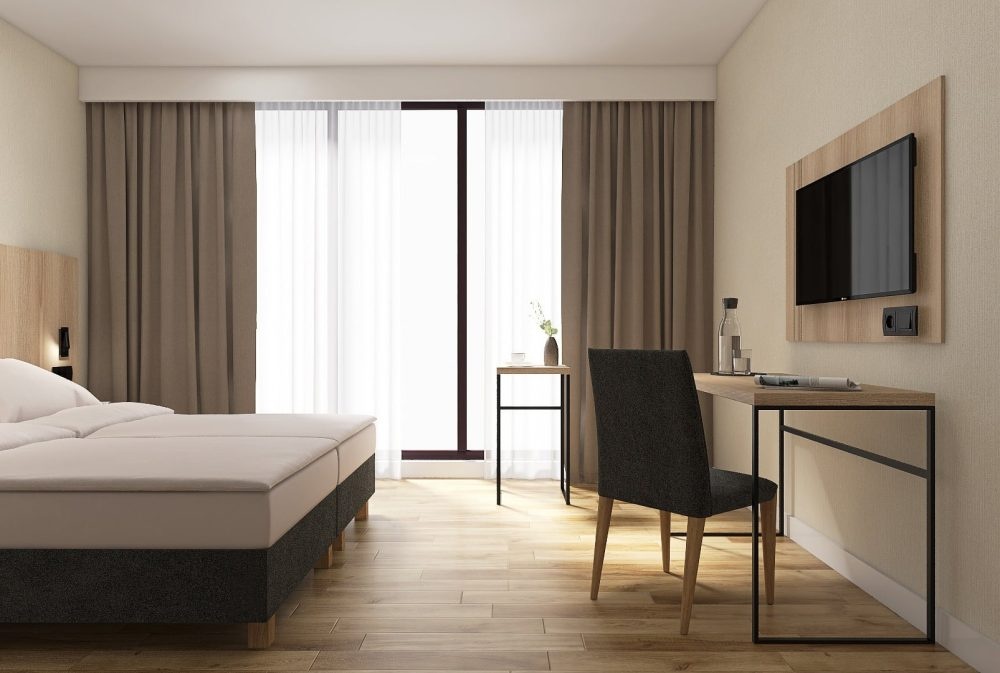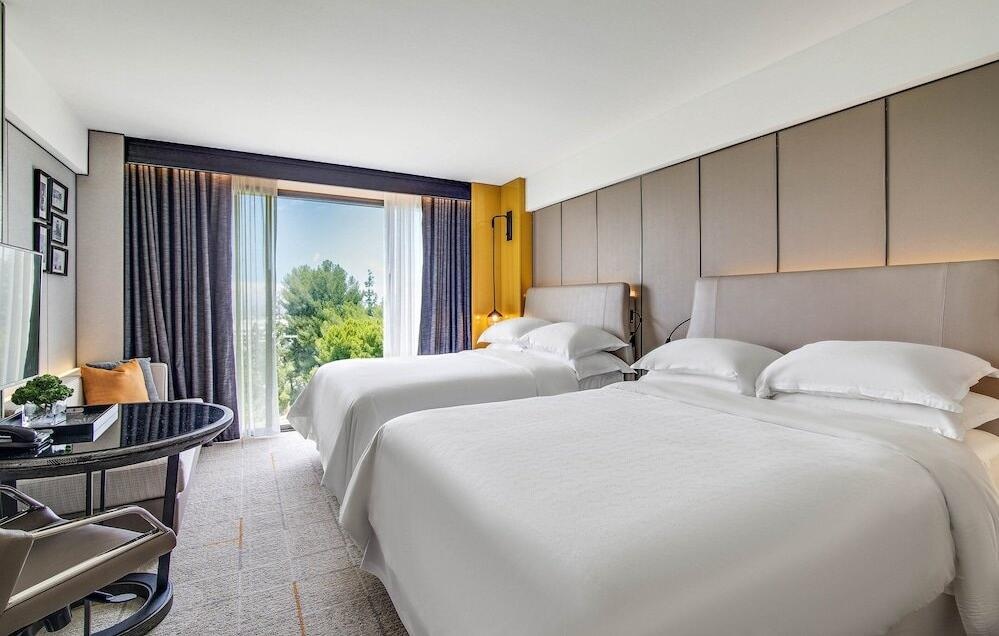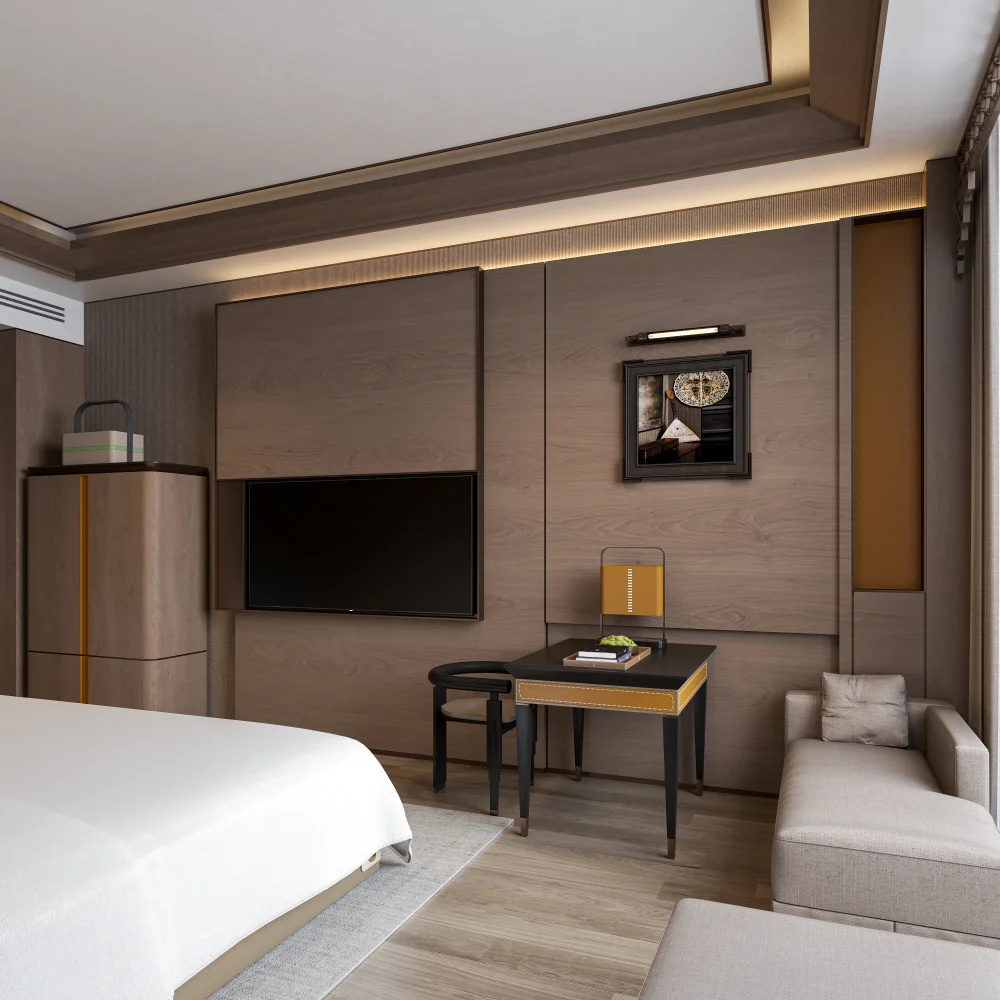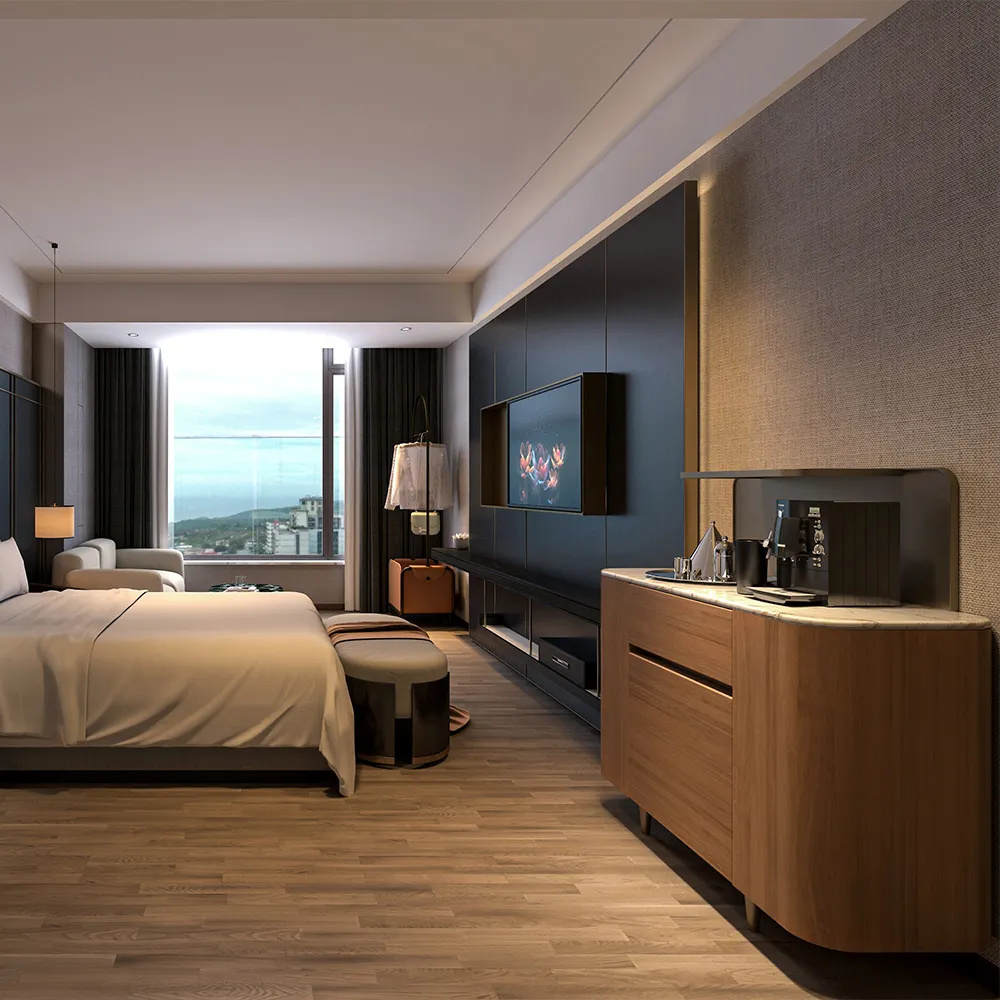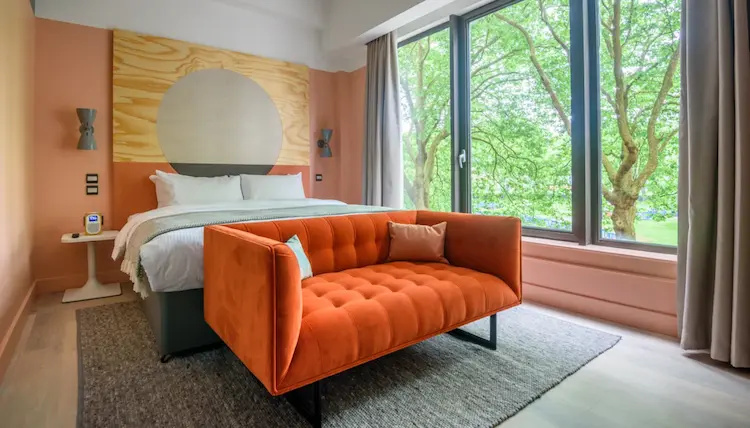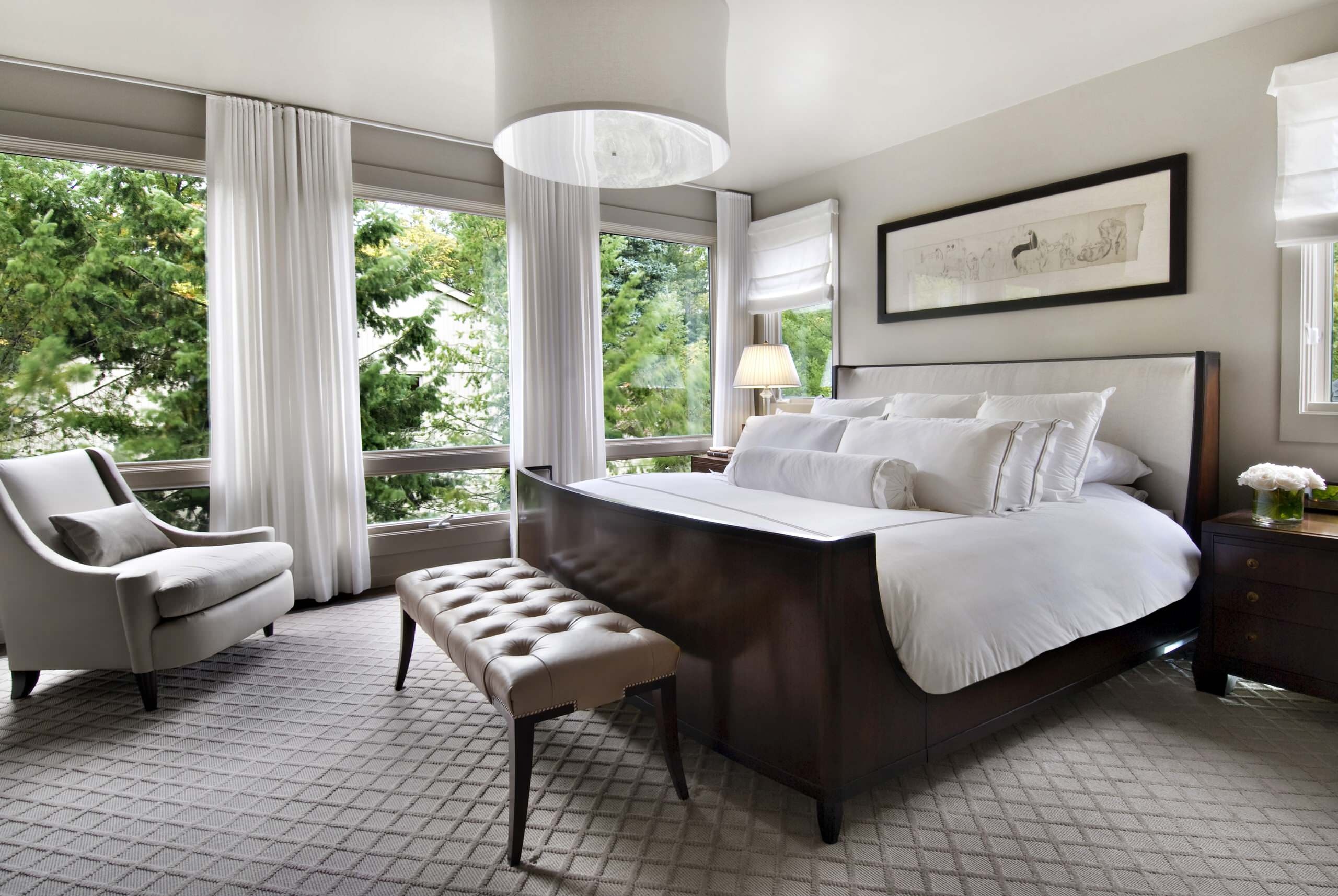
Low-Maintenance Hotel Interior Design for Reduced Operating Costs
Thứ 3, 21/07/2026
Administrator
104
Low-maintenance interior design is becoming a key strategy in modern hospitality, helping hotels reduce operational costs while maintaining high aesthetic standards. In this article, Ngoc Hoang Anh shares practical design approaches that improve durability, simplify maintenance, and enhance long-term efficiency in hotel interiors.
1. Understanding the Concept of Low-Maintenance Hotel Design
Low-maintenance hotel interior design is a strategic approach that focuses on reducing daily upkeep requirements, minimizing repair frequency, and extending the lifespan of interior elements. The goal is to create hospitality spaces that remain visually appealing and highly functional over time while requiring less operational effort from housekeeping and maintenance teams.
1.1 Definition and core principles
Low-maintenance design prioritizes durable materials, simplified structures, and practical layouts that are easy to clean and maintain. Every element in the interior is selected based on its resistance to wear, ease of cleaning, and long-term performance, ensuring that the hotel can operate efficiently without compromising on design quality.
1.2 Why hotels prioritize low-maintenance solutions
Hotels adopt low-maintenance strategies to reduce labor costs, shorten cleaning time, and minimize disruptions caused by repairs or replacements. In high-occupancy environments, efficient maintenance directly contributes to smoother operations, better resource allocation, and improved overall profitability.
1.3 Balance between aesthetics and practicality
A successful low-maintenance design must still maintain a strong sense of luxury and visual appeal. The challenge lies in combining practical materials and simplified structures with refined design language, ensuring that functionality does not compromise the elegant and high-end atmosphere expected in modern hospitality spaces.
2. Material Selection for Low-Maintenance Hotel Interiors
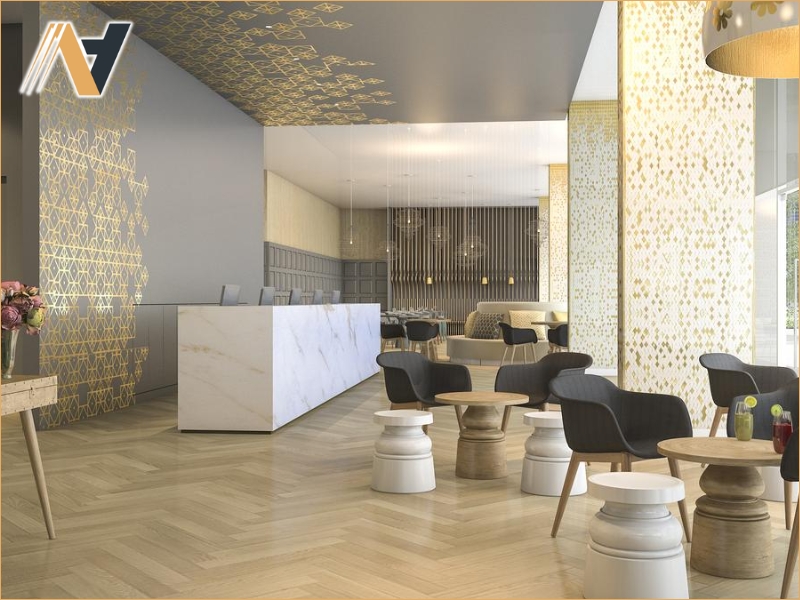
Material selection is one of the most important factors in creating a low-maintenance hotel interior. The right materials help reduce cleaning effort, resist daily wear and tear, and maintain a consistent aesthetic quality over time, especially in high-traffic hospitality environments where durability is essential.
2.1 Stain-resistant and highly durable surfaces
Hotel furniture and interior surfaces should be made from materials that resist scratches, stains, and impact damage. High-pressure laminates, engineered wood with protective coatings, and durable upholstery fabrics help maintain a clean appearance while reducing the need for frequent restoration or replacement.
2.2 Moisture-resistant and anti-mold materials
In areas exposed to humidity such as bathrooms, coastal hotels, or poorly ventilated spaces, moisture-resistant materials are essential. Treated wood, waterproof panels, and anti-mold finishes help prevent swelling, deformation, and biological growth, ensuring long-term stability and hygiene.
2.3 Easy-to-clean finishes and protective coatings
Smooth, non-porous surfaces with advanced protective coatings significantly reduce dust and dirt accumulation. These finishes allow housekeeping teams to clean faster and more efficiently while maintaining a polished, high-end look that aligns with modern hospitality standards.
3. Furniture Design Strategies to Reduce Maintenance Effort
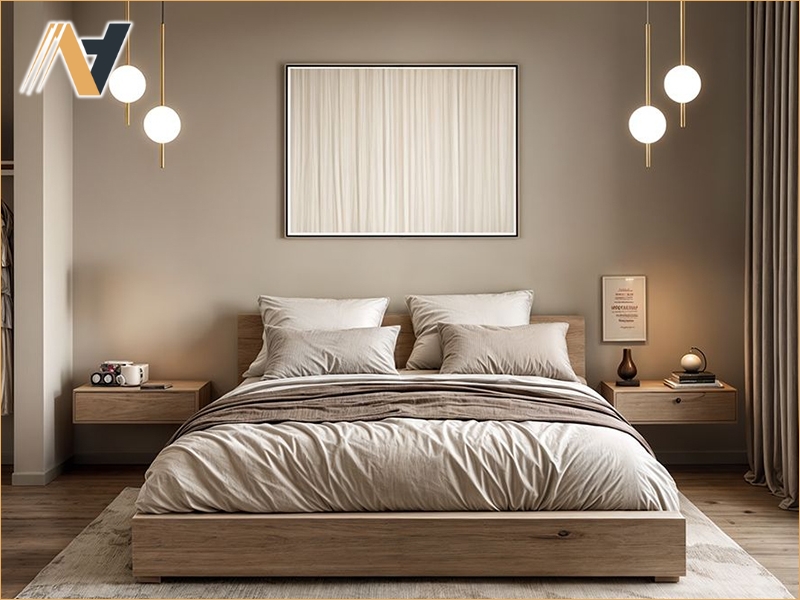
Beyond materials, furniture design plays a crucial role in determining how easy a hotel interior is to maintain. Thoughtfully engineered furniture reduces cleaning complexity, minimizes damage risks, and ensures long-term operational efficiency while still maintaining a refined and consistent hospitality aesthetic.
3.1 Simple structural design with fewer detailing elements
Furniture with clean lines and minimal decorative detailing is significantly easier to maintain. By avoiding overly complex grooves, carvings, or layered surfaces, hotels can reduce dust accumulation and simplify daily cleaning routines, ensuring interiors remain fresh with less effort and time.
3.2 Modular furniture systems for easy repair and replacement
Modular furniture allows individual components to be replaced or upgraded without dismantling the entire unit. This approach reduces downtime, lowers maintenance costs, and extends product lifespan, making it highly suitable for hotels with high guest turnover and continuous usage demands.
3.3 Built-in and integrated furniture solutions
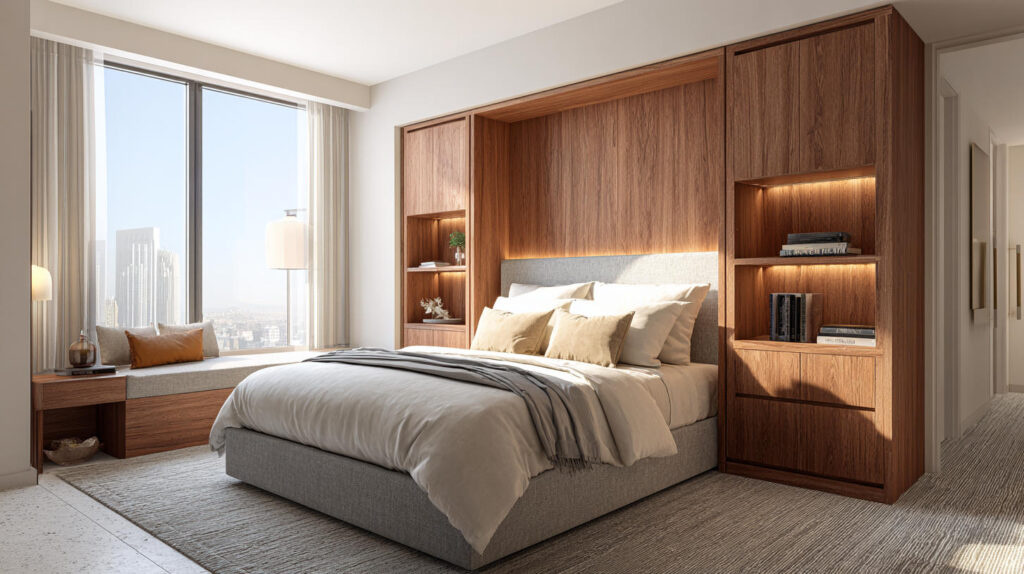
Integrated furniture such as built-in wardrobes, wall-mounted desks, and concealed storage systems help minimize loose items and exposed surfaces. This not only improves space efficiency but also simplifies cleaning processes, creating a more organized and low-maintenance interior environment.
4. Interior Layout and Spatial Planning for Efficiency
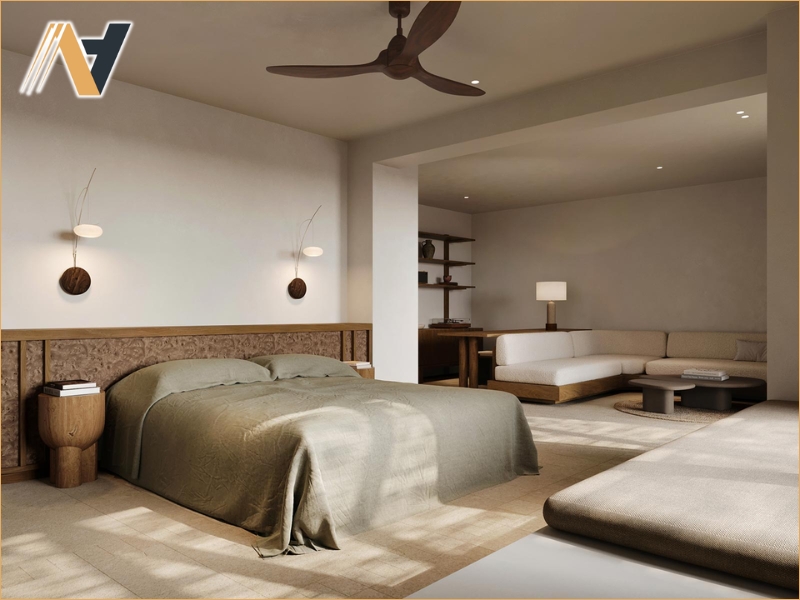
A well-structured interior layout is essential in low-maintenance hotel design because it directly impacts how efficiently spaces can be cleaned, inspected, and maintained. By optimizing circulation, reducing clutter, and organizing functional zones logically, hotels can significantly lower operational workload while maintaining a refined and comfortable guest environment.
4.1 Open and accessible space planning
Open layouts with clear pathways allow housekeeping staff to move easily between areas without obstruction. Proper spacing between furniture pieces ensures faster cleaning, reduces missed spots, and improves overall operational efficiency, especially in high-occupancy hotel environments.
4.2 Minimalist room layouts with controlled furniture density
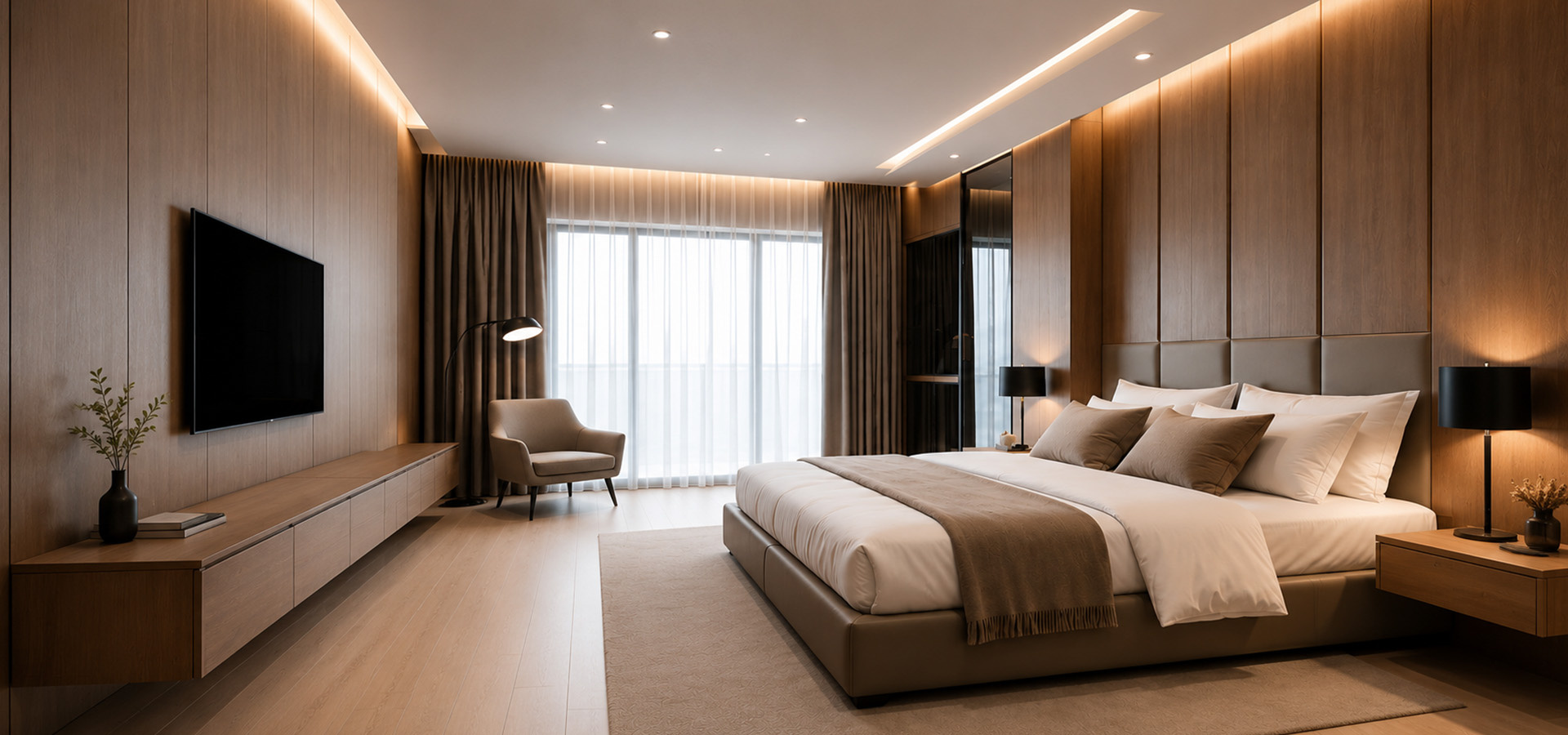
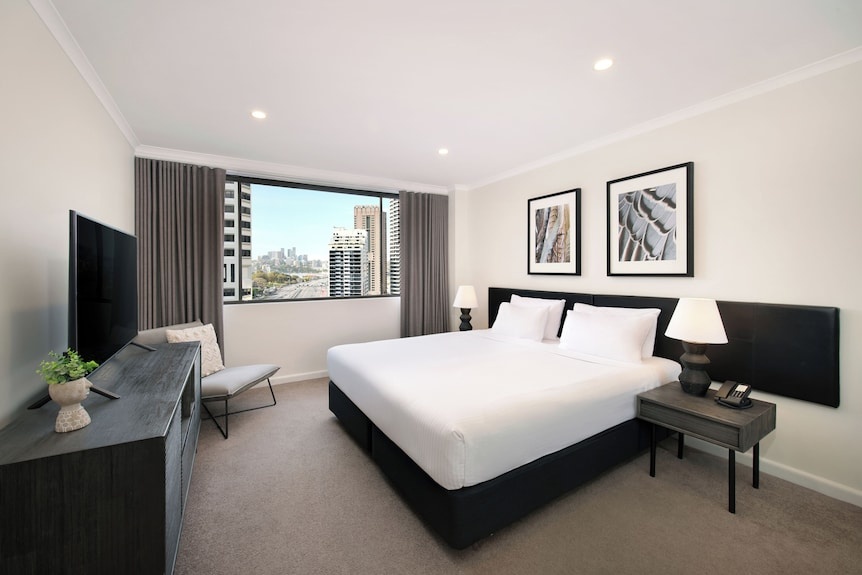
A minimalist approach focuses on using only essential furniture elements, eliminating unnecessary items that create clutter. This not only enhances visual clarity but also reduces dust accumulation points, making daily maintenance faster, simpler, and more cost-effective.
4.3 Functional zoning for easier management and cleaning
Dividing the room into clear functional zones such as sleeping, working, and storage areas helps streamline maintenance routines. When each zone is logically arranged, cleaning processes become more systematic, reducing time spent and ensuring consistent hygiene standards across the entire space.
.jpg)
5. Maintenance Optimization and Operational Benefits
Low-maintenance hotel interior design delivers significant long-term advantages by streamlining operational processes, reducing workload for staff, and improving overall cost efficiency. When materials, furniture, and layouts are optimized for easy upkeep, hotels can maintain consistent quality standards with less time, effort, and financial investment.
5.1 Reduced cleaning time and labor costs
Efficient interior design minimizes complex surfaces and hard-to-reach areas, allowing housekeeping teams to clean rooms faster and more effectively. This reduction in cleaning time directly lowers labor costs while improving staff productivity and operational turnaround between guest stays.
5.2 Extended furniture lifespan and lower replacement frequency
Durable materials, modular construction, and simplified designs help reduce wear and damage over time. As a result, furniture requires fewer repairs and replacements, significantly lowering long-term capital expenditure while maintaining a stable and consistent interior appearance.
5.3 Improved consistency in guest experience quality
A well-maintained, low-maintenance interior ensures that hotel rooms consistently meet high standards of cleanliness and functionality. This stability enhances guest satisfaction, strengthens brand reputation, and supports repeat bookings by delivering a reliable and high-quality hospitality experience.
Conclusion
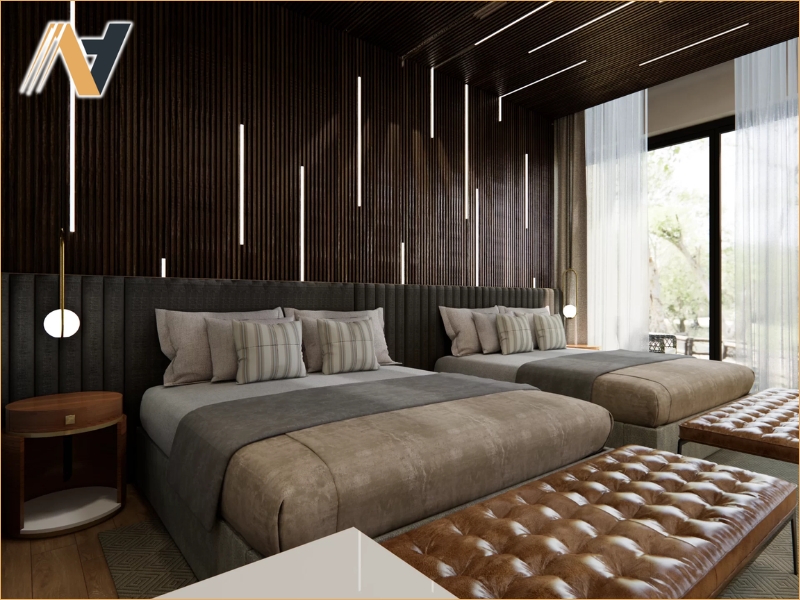
Low-maintenance hotel interior design is a strategic solution that helps reduce operational costs while maintaining long-term durability, efficiency, and aesthetic consistency. By combining smart material selection, simplified furniture design, and optimized spatial planning, hotels can significantly improve maintenance efficiency without compromising guest experience.
For hospitality projects seeking durable and cost-efficient solutions, Ngoc Hoang Anh provides Vietnam hotel furniture OEM services with expertly designed products that support low-maintenance operation and long-term performance in modern hotel environments.
Contact us today for expert consultation and bespoke hospitality furniture production.
-----
NGOC HOANG ANH TRADING COMPANY LIMITED
Tax Code: 3702874413
Address: No. 288/28/10 Huynh Van Luy Street, Zone 7, Phu Loi Ward, Ho Chi Minh City, Vietnam
Warehouse: No. 1/91, Thuan Giao 02 Street, Binh Thuan 2 Residential Quarter, Thuan Giao Ward, Ho Chi Minh City, Vietnam
Phone/Whatsapp/Wechat: +84342076666
Email: info@ngochoanganh.com.vn