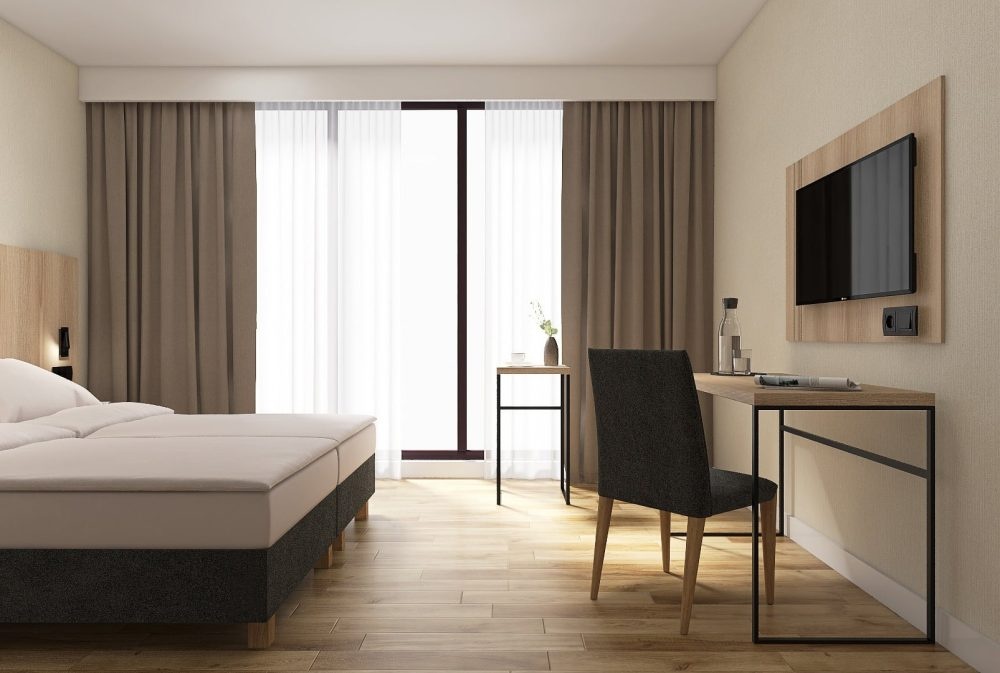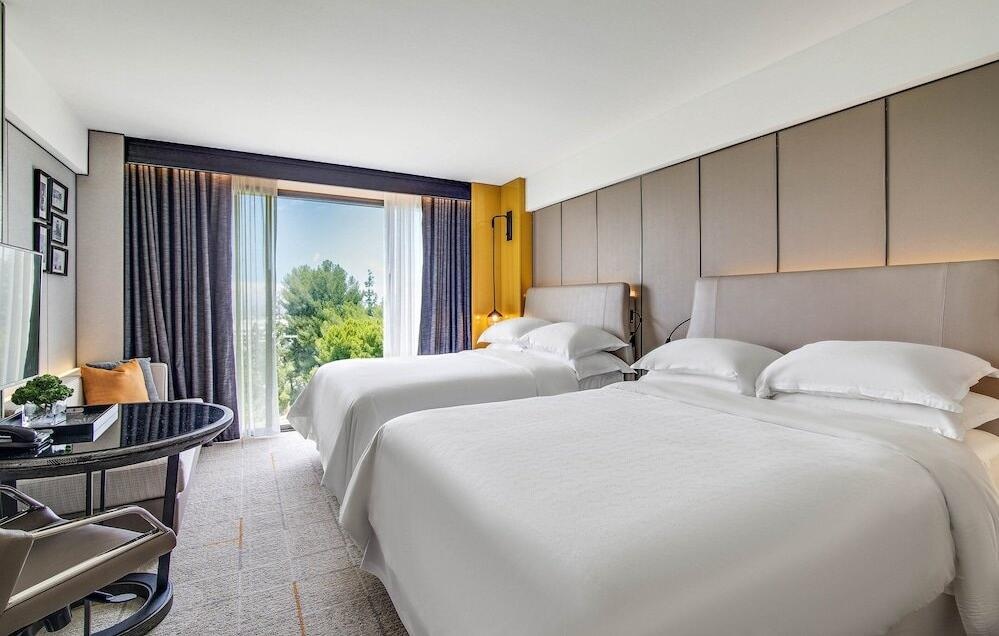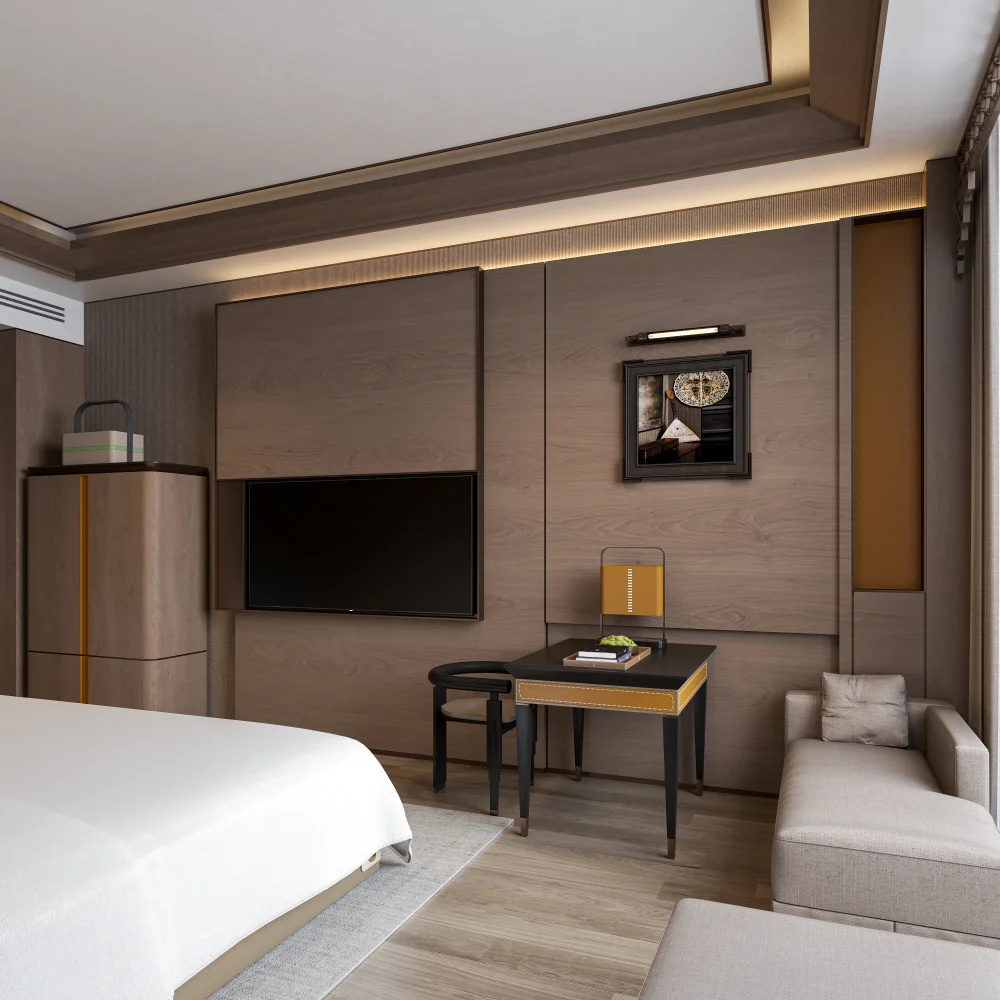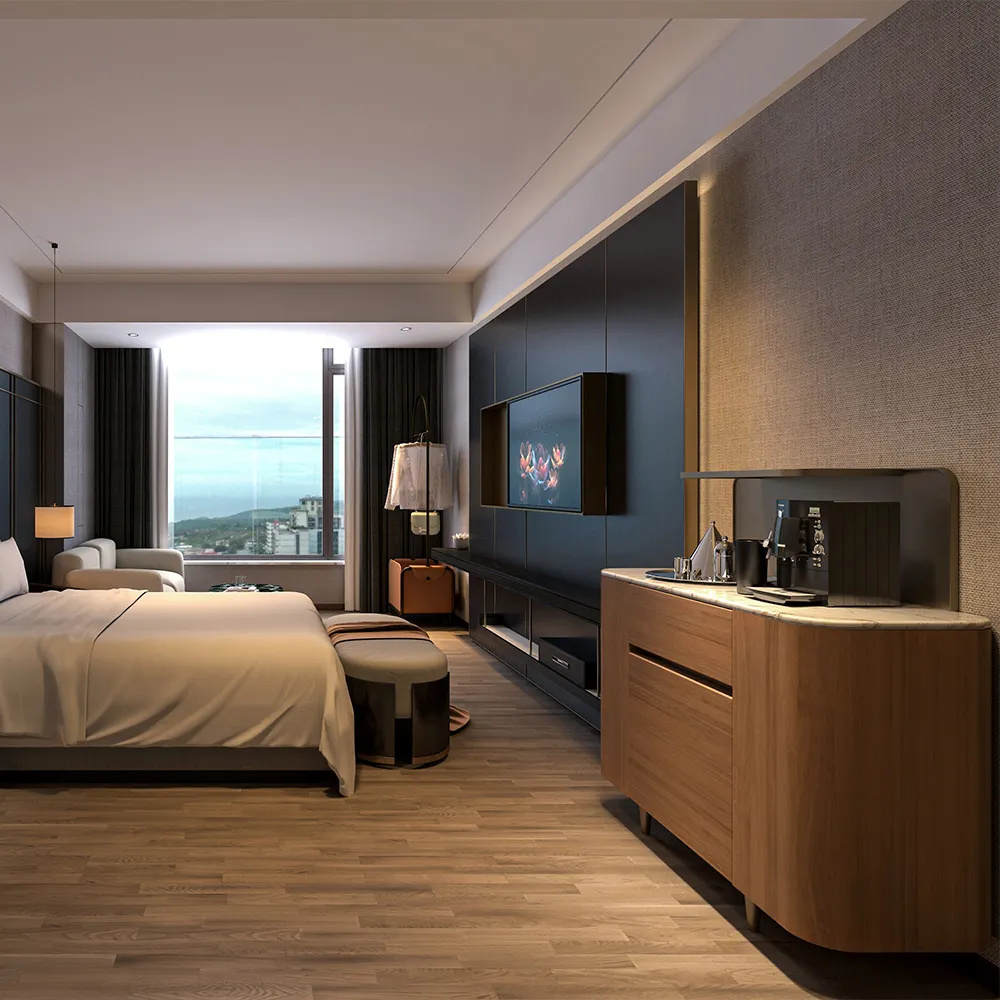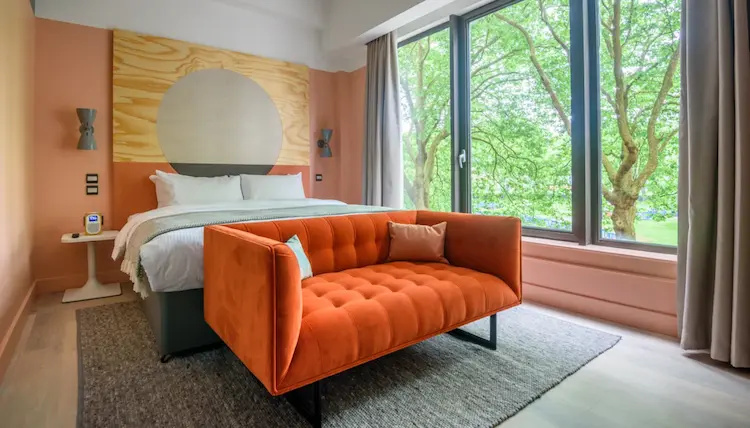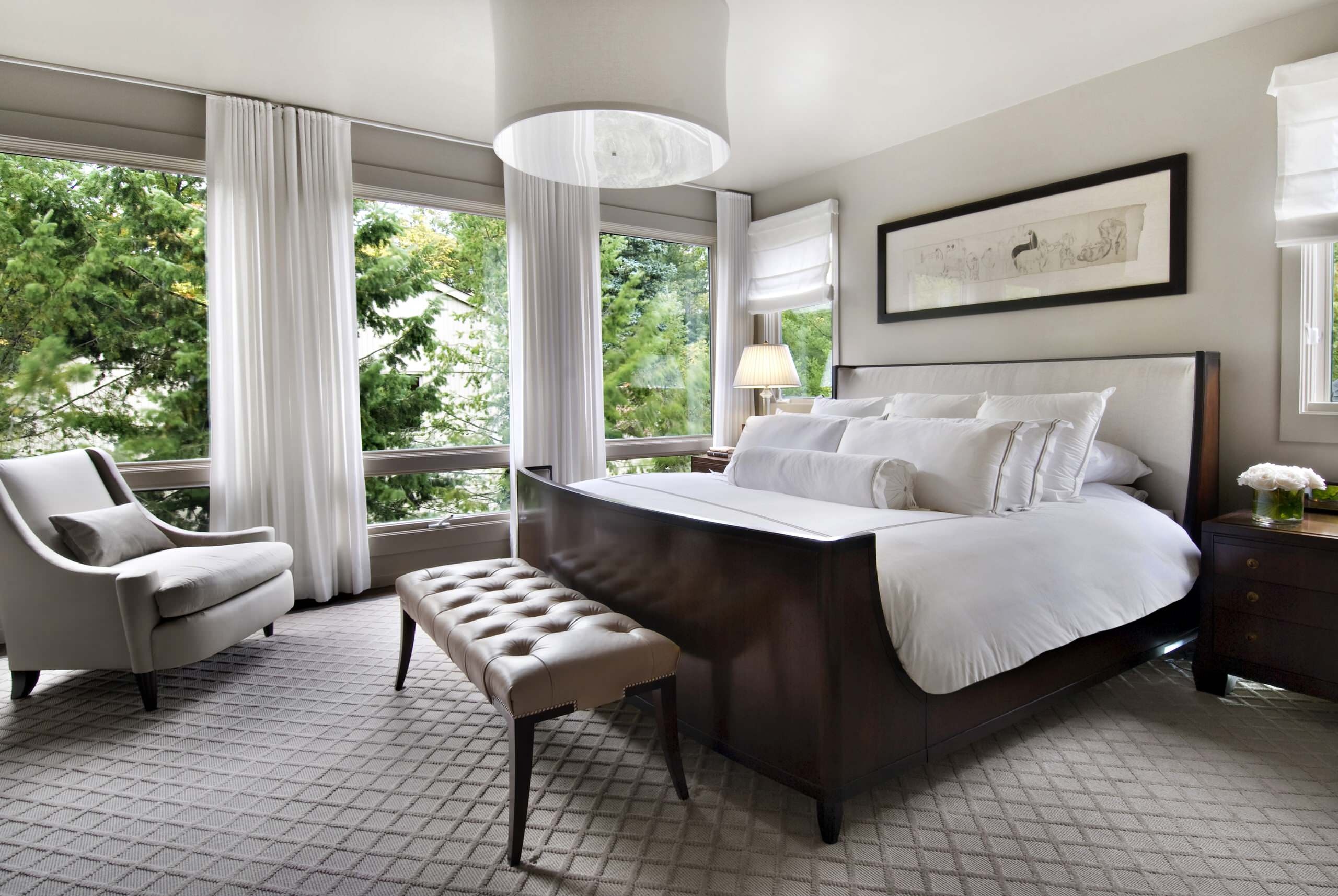
How to Arrange Hotel Room Furniture to Enhance Guest Experience
Thứ 6, 17/04/2026
Administrator
218
Furniture arrangement in hotel rooms plays a crucial role in shaping guest experience. Beyond aesthetics, a well-planned layout can improve comfort, usability, and emotional satisfaction throughout the stay. Strategic placement of furniture helps optimize space, enhance functionality, and create a more relaxing environment. In this article, Ngoc Hoang Anh shares key principles to arrange hotel room interiors effectively.
1. Prioritizing Functional Zoning
Functional zoning is the foundation of effective hotel room design, directly influencing how guests interact with the space. A well-zoned layout ensures that each activity sleeping, working, and relaxing has a clearly defined area, helping the room feel more organized, comfortable, and intuitive to use.
1.1 Separating sleeping, working, and relaxation areas
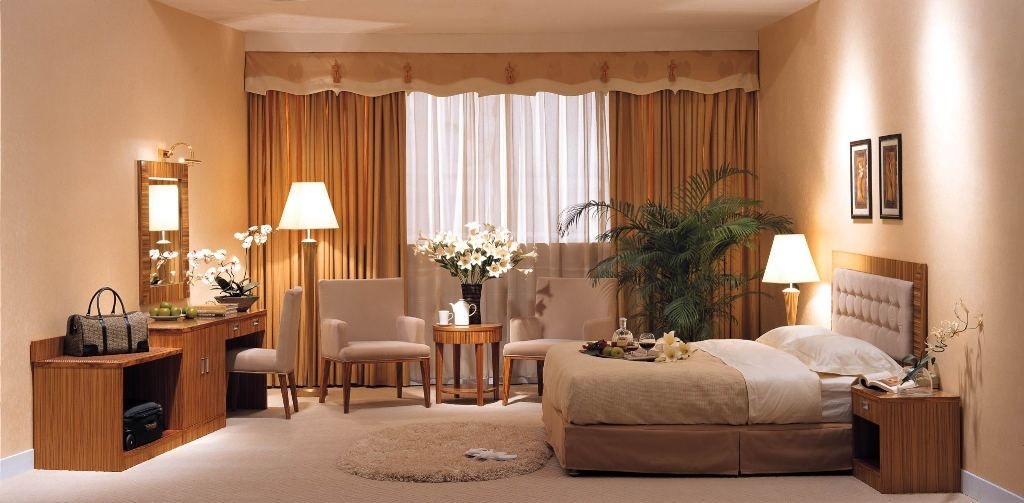
Even in compact rooms, it is important to distinguish between key functional zones. The bed, work desk, and seating area should be arranged in a way that each serves its purpose without interfering with the others.
1.2 Maintaining logical flow between zones
The transition between different areas should feel natural and seamless. Guests should be able to move easily from one zone to another without confusion or obstruction, enhancing both comfort and usability.
1.3 Avoiding overlapping functions in small spaces
When functions overlap such as using the bed as a workspace the overall experience can be compromised. Proper zoning helps maintain clarity, ensuring each area supports a specific activity efficiently.
2. Optimizing Bed Placement for Comfort
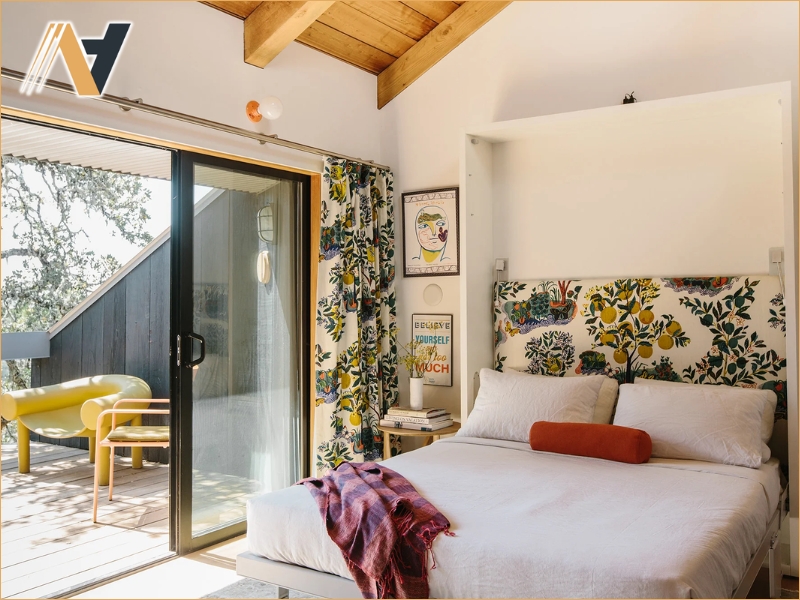
The bed is the central element of any hotel room and has the greatest impact on guest comfort. Proper placement not only enhances usability but also improves the overall perception of space and relaxation. A well-positioned bed creates balance, supports easy movement, and contributes to a more enjoyable stay.
2.1 Positioning the bed as the focal point
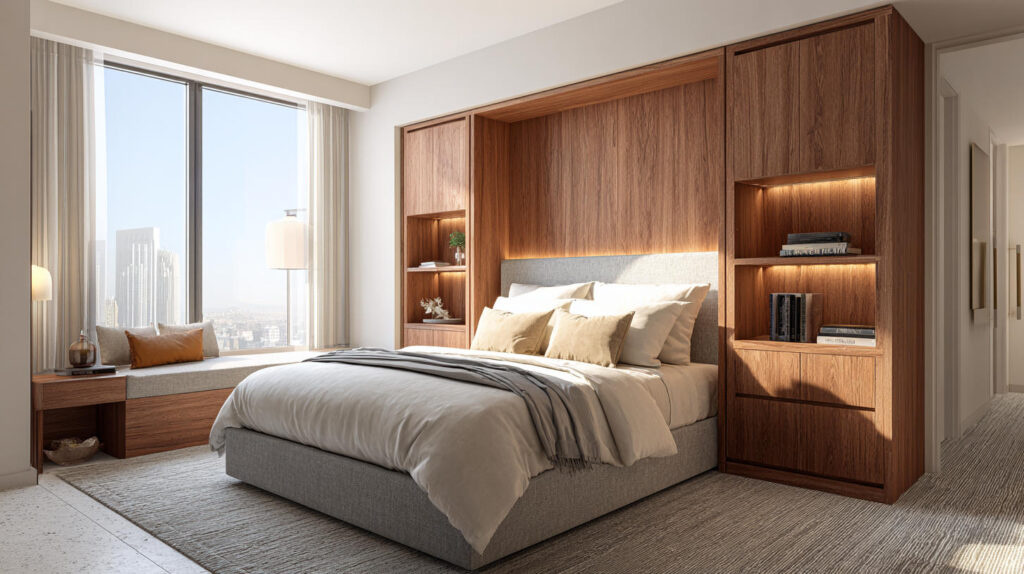
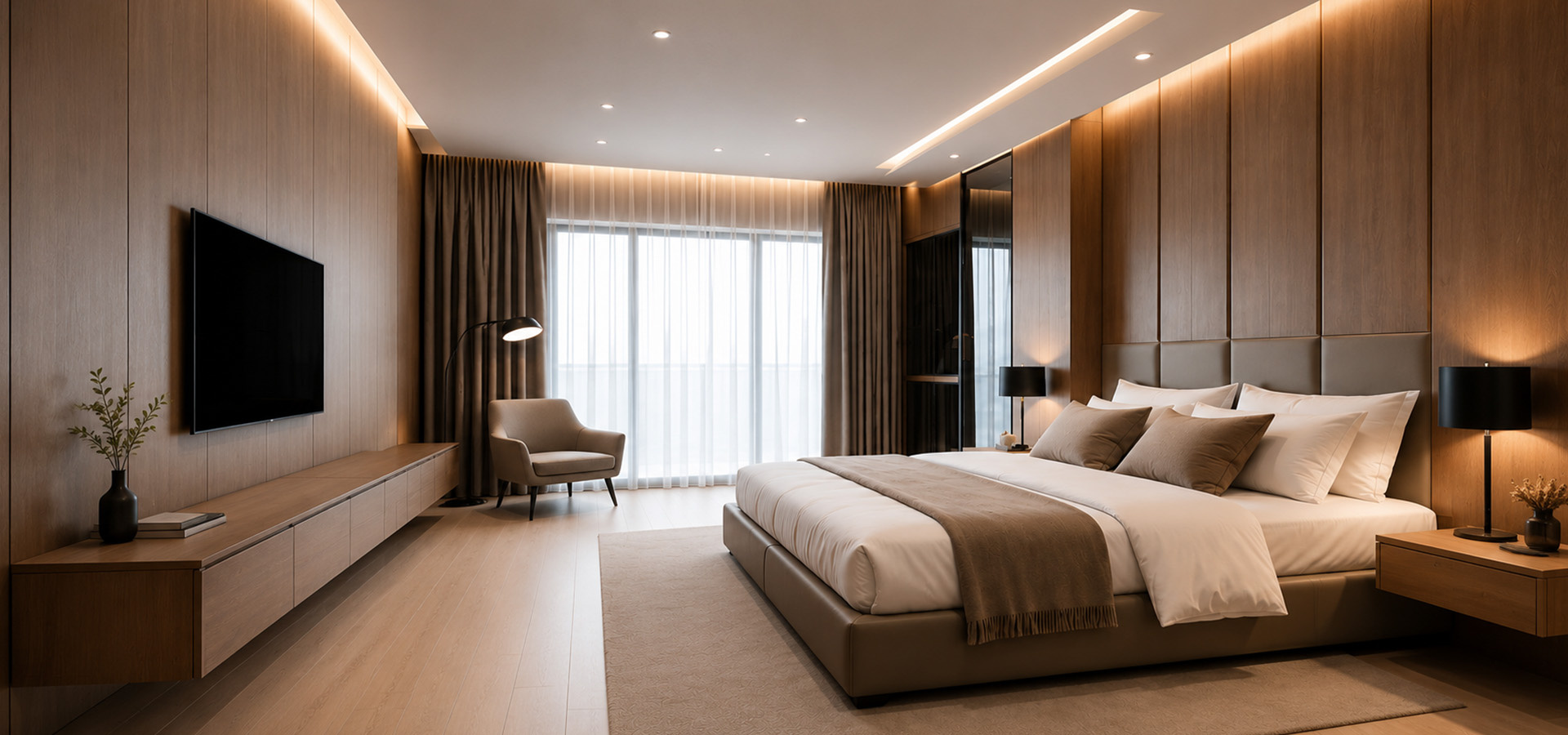
The bed should be placed in a prominent and visually balanced position, often centered against a main wall. This helps establish a clear focal point and creates a sense of order and symmetry within the room.
2.2 Ensuring easy access from both sides
Guests should be able to access the bed comfortably from both sides without obstruction. Adequate spacing improves convenience, especially for double occupancy, and enhances overall usability.
2.3 Aligning with natural light and views
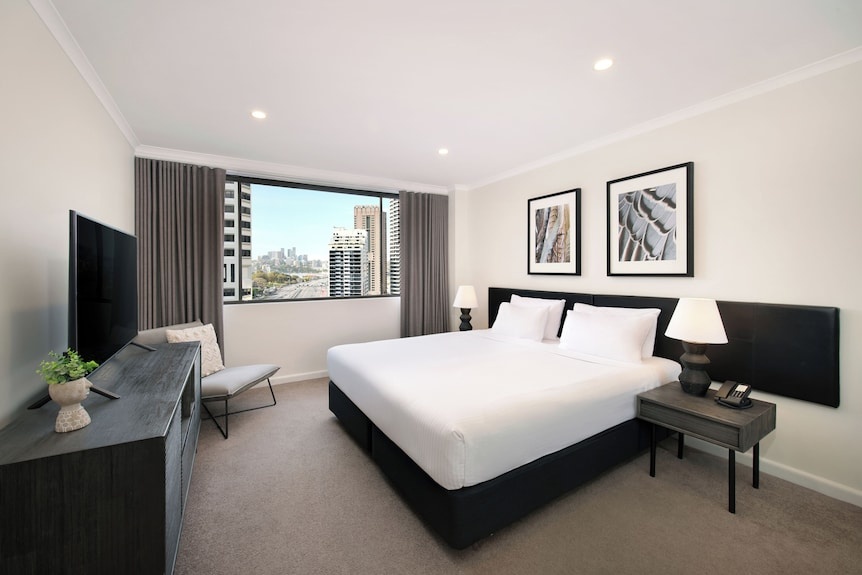
Whenever possible, the bed should be oriented to take advantage of natural light and external views. This positioning enhances relaxation and creates a more pleasant and inviting atmosphere for guests.
3. Enhancing Circulation and Accessibility
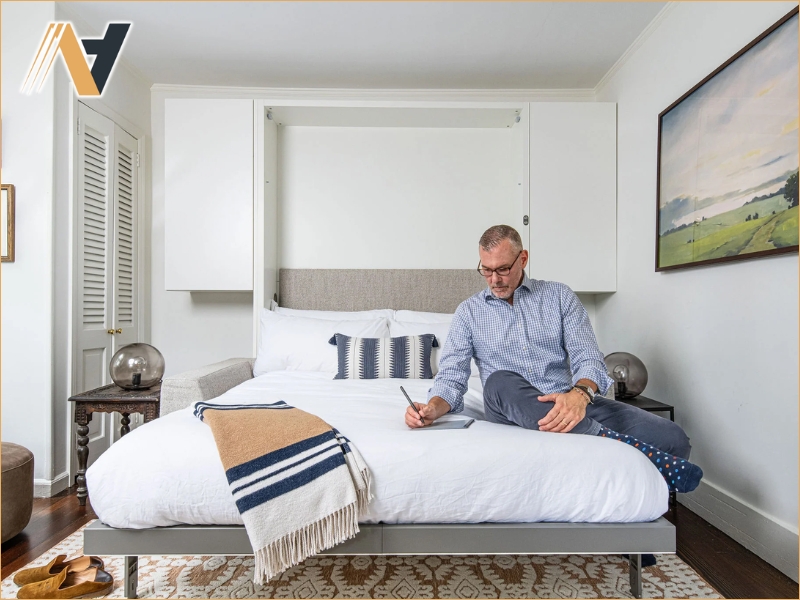
Smooth circulation and easy accessibility are essential for creating a comfortable and user-friendly hotel room. A well-organized layout allows guests to move freely without obstruction, reducing frustration and improving overall satisfaction. Proper spacing and thoughtful furniture placement help the room feel more open and functional.
3.1 Keeping clear walking paths
Clear pathways between the entrance, bed, bathroom, and other key areas are crucial. Sufficient walking space ensures guests can navigate the room easily without feeling cramped or restricted.
3.2 Avoiding furniture obstruction
Furniture should be arranged to avoid blocking doors, windows, or important functional areas. Proper positioning prevents inconvenience and helps maintain a clean, organized layout.
3.3 Designing for ergonomic movement
Ergonomic design considers how guests interact with the space on a daily basis. Adequate spacing, comfortable reach distances, and logical placement of furniture contribute to a smoother and more intuitive user experience.
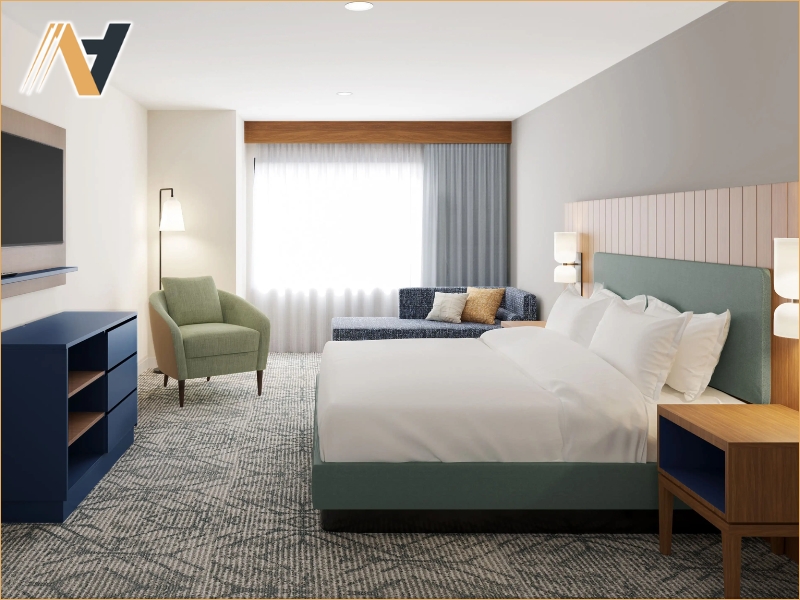
4. Creating Comfortable Seating and Work Areas
Seating and work areas play an important role in enhancing the overall guest experience, especially as hotel rooms are increasingly used for both relaxation and productivity. A well-designed arrangement ensures comfort, usability, and efficient use of space without making the room feel crowded.
4.1 Proper placement of desks and chairs
Work desks should be positioned in well-lit areas, preferably near natural light sources. Chairs must be ergonomic and easy to move, ensuring guests can work comfortably without affecting other functional zones in the room.
4.2 Integrating relaxation seating zones
A small seating area with a lounge chair or sofa adds value to the guest experience. Placing it near windows or open space helps create a relaxing corner where guests can unwind.
4.3 Balancing functionality and space efficiency
Furniture should be selected and arranged to serve multiple purposes without overcrowding the room. Compact, well-proportioned pieces help maintain a balance between comfort and available space.
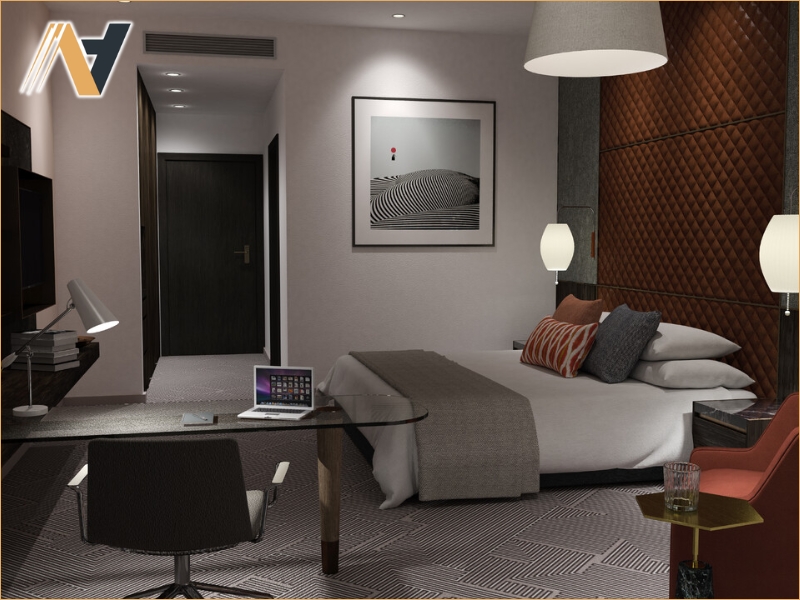
5. Using Lighting and Visual Balance
Lighting and visual balance play a crucial role in enhancing both the functionality and atmosphere of a hotel room. A well-balanced arrangement of light and furniture helps create depth, improve usability, and make the space feel more comfortable and visually appealing for guests.
5.1 Layered lighting for different functions
Combining ambient, task, and accent lighting allows the room to adapt to different activities. This layered approach ensures sufficient brightness for work while maintaining a relaxing atmosphere for rest.
5.2 Balancing furniture proportions
Furniture should be proportionate to the room size to avoid a crowded or empty feeling. Proper scale and spacing help create visual harmony and improve the overall perception of space.
5.3 Creating a harmonious and uncluttered layout
A clean and well-organized layout enhances comfort and reduces visual stress. Limiting unnecessary elements and maintaining balance between furniture and open space helps create a more relaxing environment.
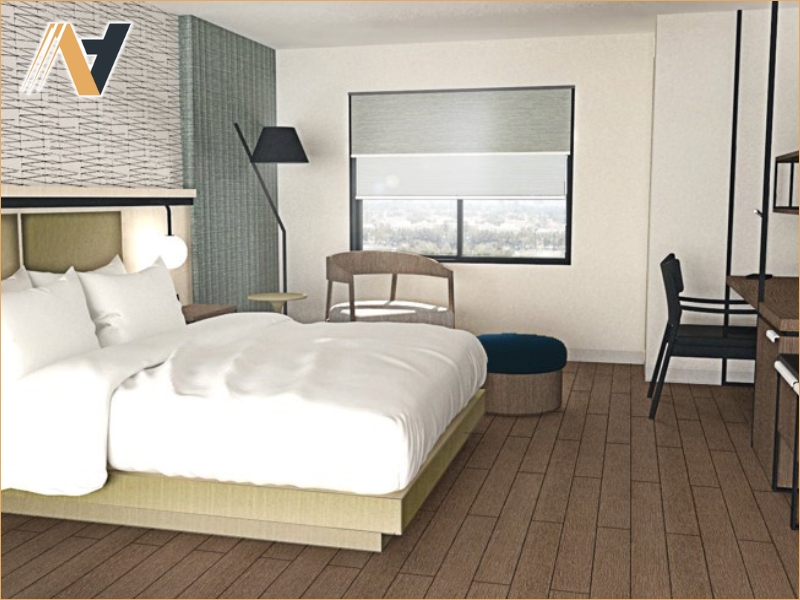
Conclusion
Effective furniture arrangement is a key factor in enhancing the overall guest experience in hotel rooms. By prioritizing functional zoning, optimizing bed placement, ensuring smooth circulation, and thoughtfully designing seating and work areas, hotels can create spaces that are both practical and comfortable.
In addition, the use of proper lighting and visual balance helps elevate the atmosphere, making the room feel more spacious, relaxing, and inviting. These elements work together to shape how guests perceive and interact with the space throughout their stay.
For hospitality projects seeking optimized layouts and high-quality solutions, Ngoc Hoang Anh provides premium Vietnam hotel furniture designed to improve functionality, durability, and guest satisfaction. Contact us today for expert consultation and customized furniture solutions.
-----
NGOC HOANG ANH TRADING COMPANY LIMITED
Tax Code: 3702874413
Address: No. 288/28/10 Huynh Van Luy Street, Zone 7, Phu Loi Ward, Ho Chi Minh City, Vietnam
Warehouse: No. 1/91, Thuan Giao 02 Street, Binh Thuan 2 Residential Quarter, Thuan Giao Ward, Ho Chi Minh City, Vietnam
Phone/Whatsapp/Wechat: +84342076666
Email: info@ngochoanganh.com.vn