Hotel Lobby Interior Design: How to Create a Professional and Attractive Reception Area
Chủ nhật, 19/04/2026
Administrator
1359
The hotel lobby is the first point of contact between guests and the property, making it a crucial space that shapes first impressions. A well-designed reception area must balance aesthetics, functionality, and brand identity while ensuring smooth operations. In this article, Ngoc Hoang Anh explores how to create a professional and attractive hotel lobby interior.
1. Creating a Strong First Impression
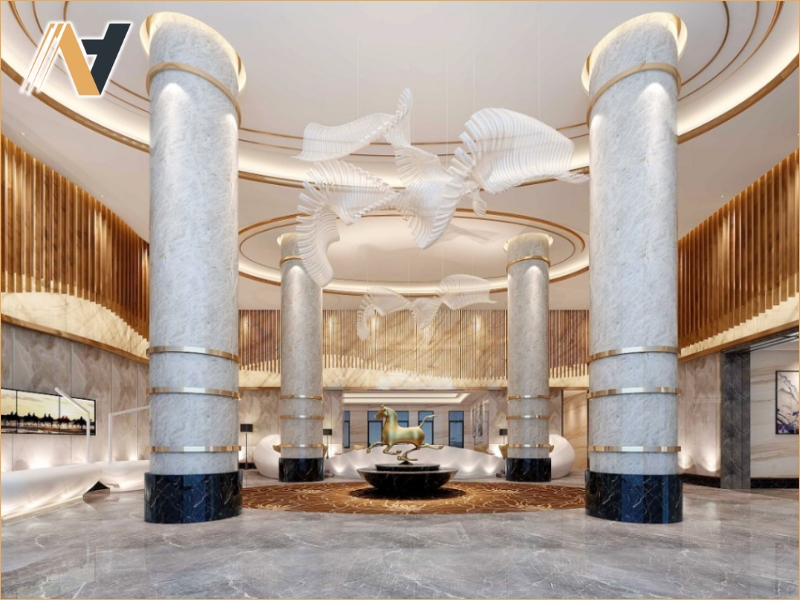
The hotel lobby is the first space guests encounter, making it a decisive factor in shaping their overall perception of the property. A well-designed reception area should immediately communicate professionalism, comfort, and brand identity. Every visual and spatial element must work together to create a memorable and welcoming first impression.
1.1 Designing a visually striking entrance
The entrance sets the tone for the entire lobby experience. Elements such as lighting, materials, and architectural features should be carefully selected to create an inviting and impactful arrival moment that captures attention from the first glance.
1.2 Positioning the reception desk as a focal point
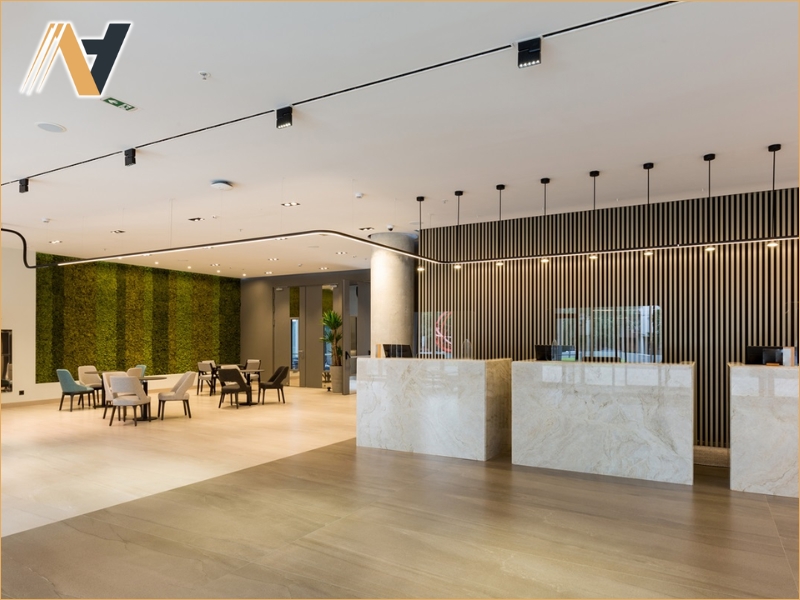
The reception desk should be clearly visible and strategically placed to guide guests upon entry. Its design and position must create a natural focal point, ensuring easy orientation while reinforcing a sense of organization and professionalism.
1.3 Reflecting brand identity through design
The lobby design should consistently express the hotel’s brand through colors, materials, and forms. This helps create a recognizable identity and ensures guests immediately understand the style and positioning of the hotel.
2. Functional Layout and Guest Flow Optimization
A well-organized layout is essential in hotel lobby design to ensure smooth operations and a comfortable guest experience. Beyond visual appeal, the space must support efficient movement, reduce congestion, and allow guests to navigate easily between different functional areas such as reception, waiting, and service zones.
2.1 Clear circulation paths for check-in and check-out
Circulation routes should be clearly defined to guide guests naturally from the entrance to the reception desk and other key areas. This helps minimize confusion, reduces waiting time, and ensures a smoother check-in and check-out process.
2.2 Separating waiting, reception, and service areas
Different functional zones should be arranged logically to avoid overlap. Separating waiting lounges, reception counters, and service areas helps maintain order, improve efficiency, and create a more comfortable environment for guests.
2.3 Ensuring accessibility and convenience
The layout must be accessible to all guests, including those with mobility needs. Adequate spacing, clear pathways, and convenient positioning of key areas enhance usability and create a more inclusive and user-friendly environment.
3. Furniture Selection and Arrangement
Furniture in the hotel lobby must balance aesthetics, durability, and functionality to support both guest comfort and daily operations. The selection and arrangement of furniture should create a welcoming environment while maintaining clear organization and efficient use of space, especially in high-traffic reception areas.
3.1 Reception desk design and ergonomics
The reception desk should be designed for both visual impact and practical use. Proper height, workspace layout, and storage integration help staff work efficiently while maintaining a professional and approachable appearance.
3.2 Comfortable seating for waiting areas
Seating in the lobby should prioritize comfort and accessibility. Sofas, lounge chairs, and coffee tables need to be arranged to create inviting waiting areas without obstructing circulation paths.
3.3 Balancing aesthetics and durability
Lobby furniture must withstand frequent use while maintaining its appearance. Choosing high-quality materials and well-proportioned designs ensures long-term durability without compromising visual appeal.
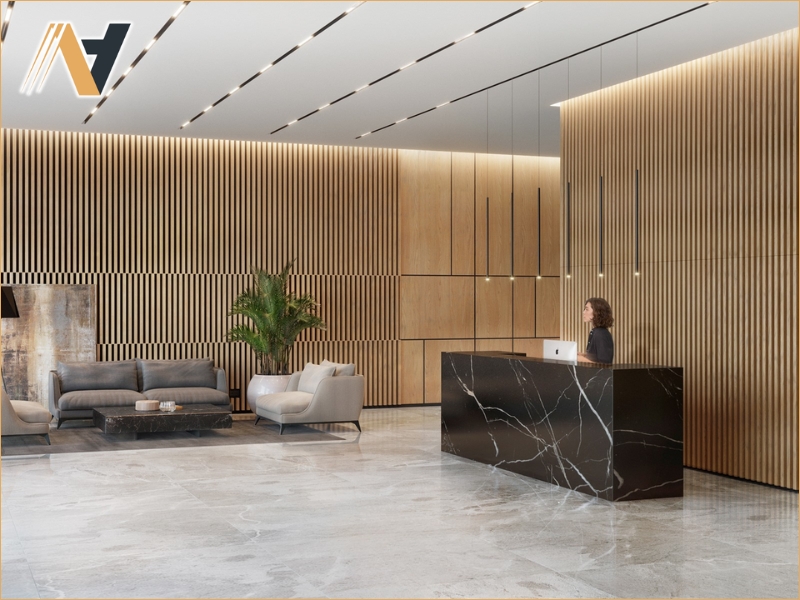
4. Lighting and Atmosphere Design
Lighting plays a critical role in shaping the mood and perception of a hotel lobby. A well-designed lighting system not only enhances visibility but also highlights architectural features, reinforces brand identity, and creates a welcoming atmosphere that leaves a lasting impression on guests.
4.1 Combining natural and artificial lighting
Maximizing natural light helps create a bright and open environment during the day. This should be complemented by artificial lighting to maintain consistency and comfort in the evening or low-light conditions.
4.2 Highlighting key design features
Accent lighting can be used to draw attention to focal points such as the reception desk, artwork, or architectural details. This adds depth to the space and enhances its visual impact.
4.3 Creating a welcoming and luxurious ambiance
Warm and well-balanced lighting tones help create a comfortable and inviting atmosphere. Proper lighting design contributes to a sense of luxury and ensures guests feel relaxed as soon as they enter the lobby.
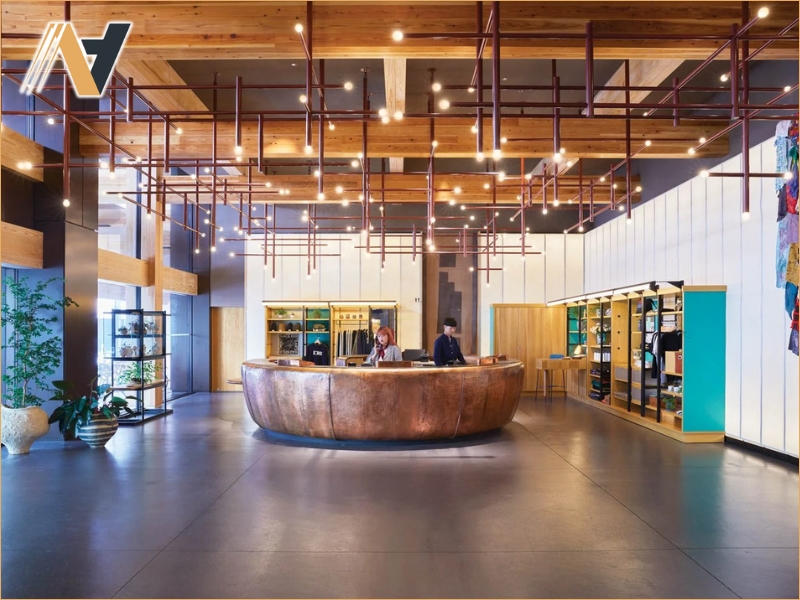
5. Branding, Décor, and Guest Experience
Branding and décor elements are essential in shaping the identity and emotional impact of a hotel lobby. Beyond functionality, these elements help create a memorable experience that reflects the hotel’s concept and values. A well-curated combination of décor, materials, and spatial details can significantly enhance guest perception from the moment they arrive.
5.1 Using décor elements to reinforce identity
Decorative elements such as artwork, patterns, and signature materials should align with the hotel’s brand concept. Consistency in design language helps create a recognizable identity and strengthens the overall visual impression.
5.2 Incorporating art, greenery, and materials
Art pieces, indoor plants, and carefully selected materials add depth and character to the lobby. These elements create a more dynamic and engaging environment while enhancing the sense of comfort and connection.
5.3 Enhancing emotional connection with guests
A thoughtfully designed lobby can evoke positive emotions and make guests feel welcomed. By combining aesthetics with comfort, hotels can create a space that is not only functional but also memorable and emotionally engaging.
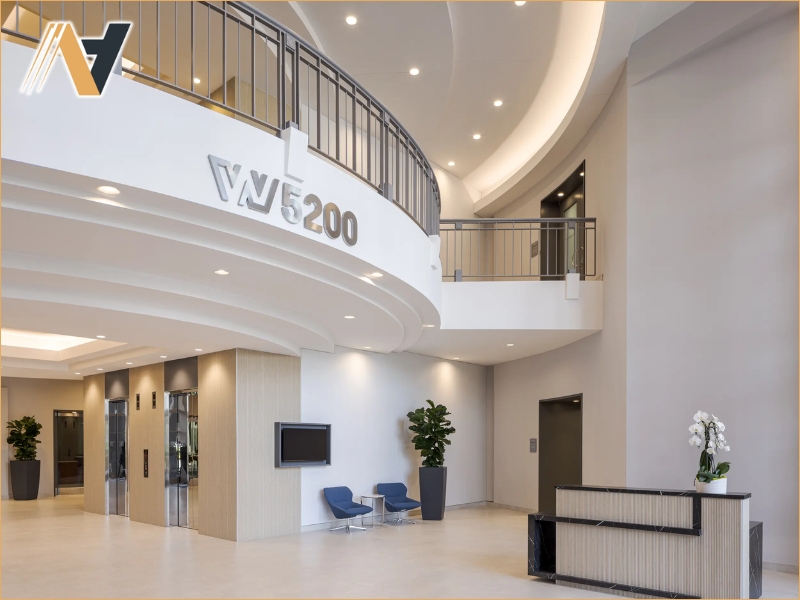
Conclusion
A well-designed hotel lobby is more than just a reception area it is a strategic space that shapes first impressions and sets the tone for the entire guest experience. By combining strong visual impact, functional layout, appropriate furniture, and thoughtful lighting, hotels can create a lobby that is both professional and inviting.
In addition, the integration of branding and décor elements helps reinforce identity and build an emotional connection with guests. Every detail, from spatial flow to material selection, contributes to a cohesive and memorable environment.
For hospitality projects seeking high-quality and customized solutions, Ngoc Hoang Anh provides premium Vietnam hotel furniture designed for hotel lobbies, ensuring durability, refined aesthetics, and optimized functionality. Contact us today for expert consultation and tailored furniture solutions.
-----
NGOC HOANG ANH TRADING COMPANY LIMITED
Tax Code: 3702874413
Address: No. 288/28/10 Huynh Van Luy Street, Zone 7, Phu Loi Ward, Ho Chi Minh City, Vietnam
Warehouse: No. 1/91, Thuan Giao 02 Street, Binh Thuan 2 Residential Quarter, Thuan Giao Ward, Ho Chi Minh City, Vietnam
Phone/Whatsapp/Wechat: +84342076666
Email: info@ngochoanganh.com.vn