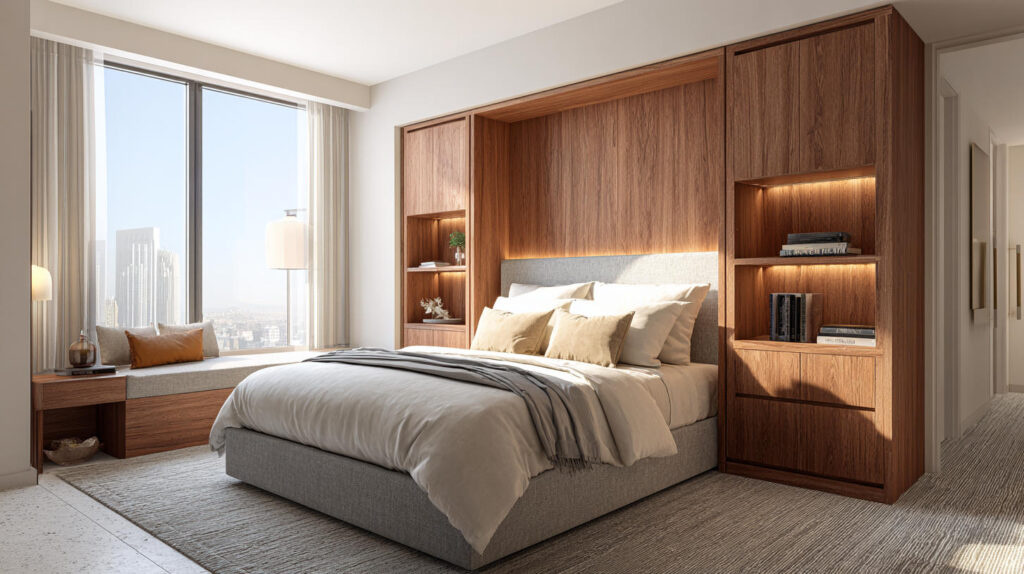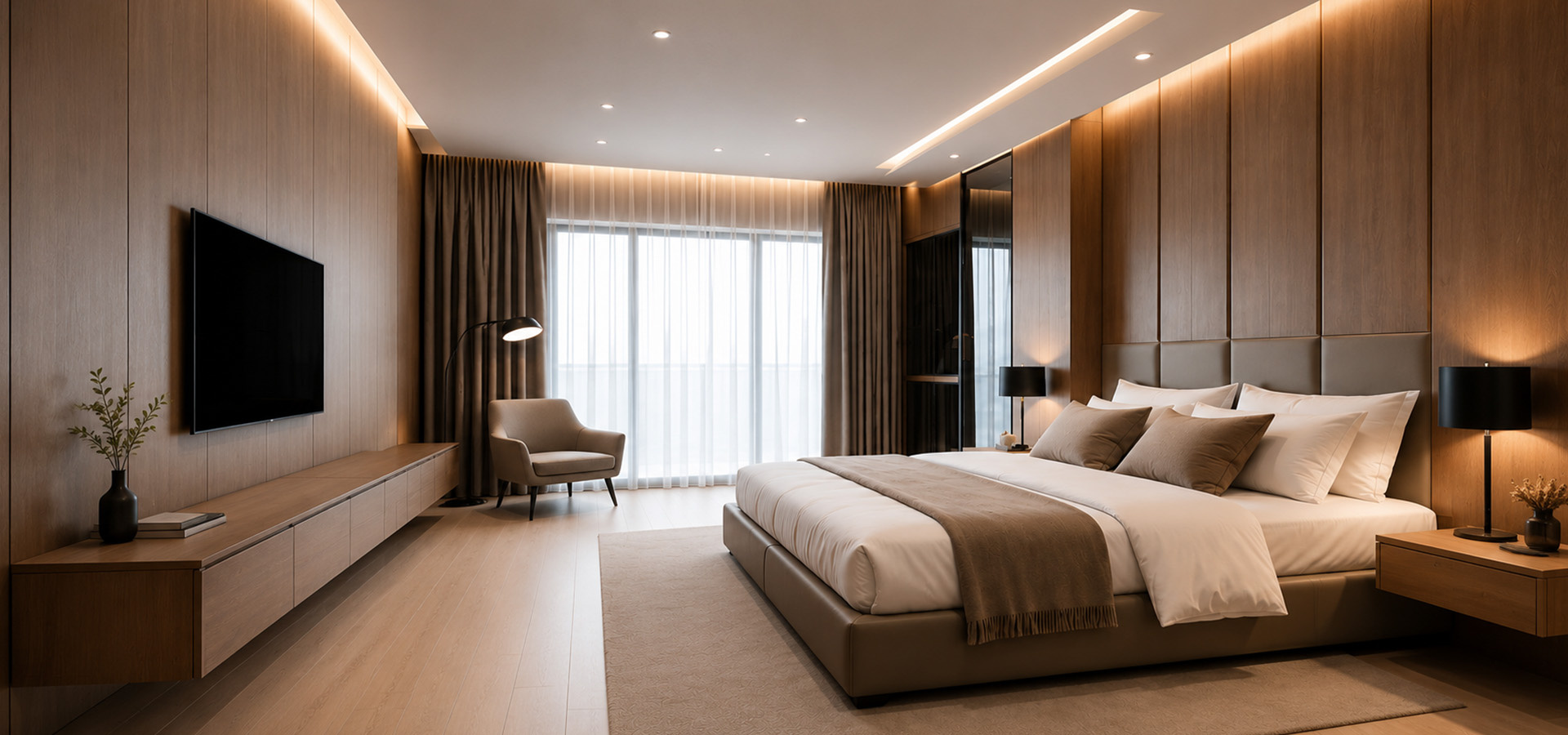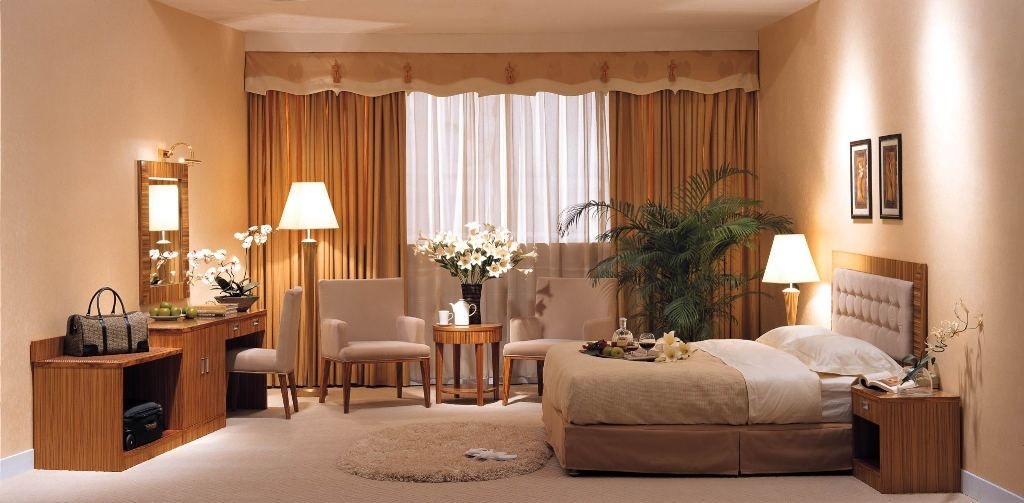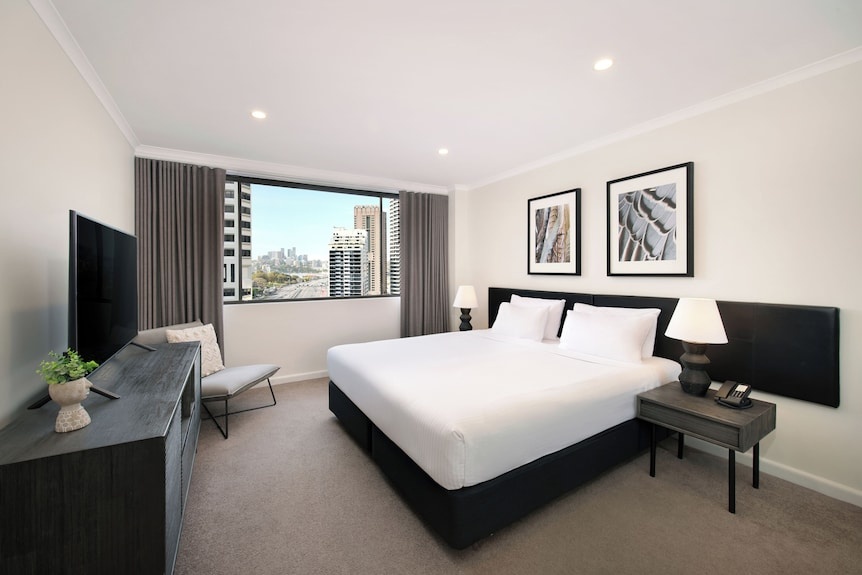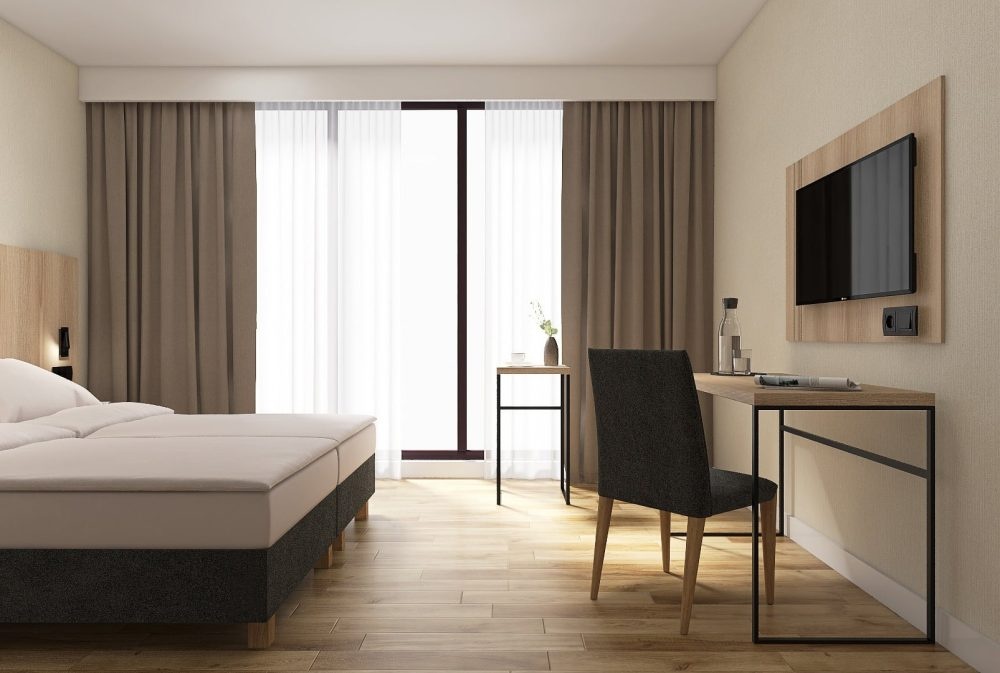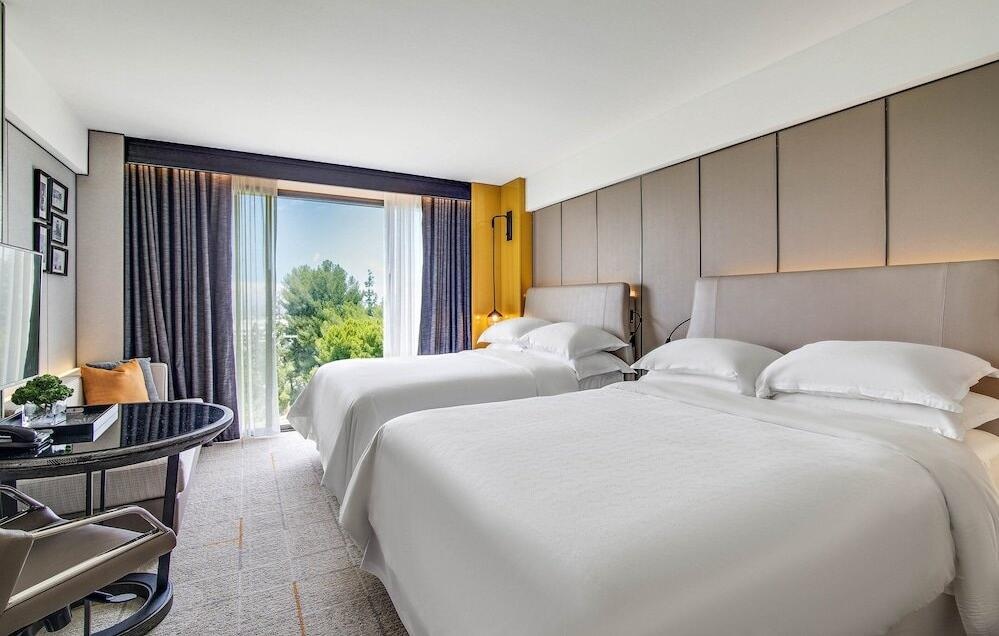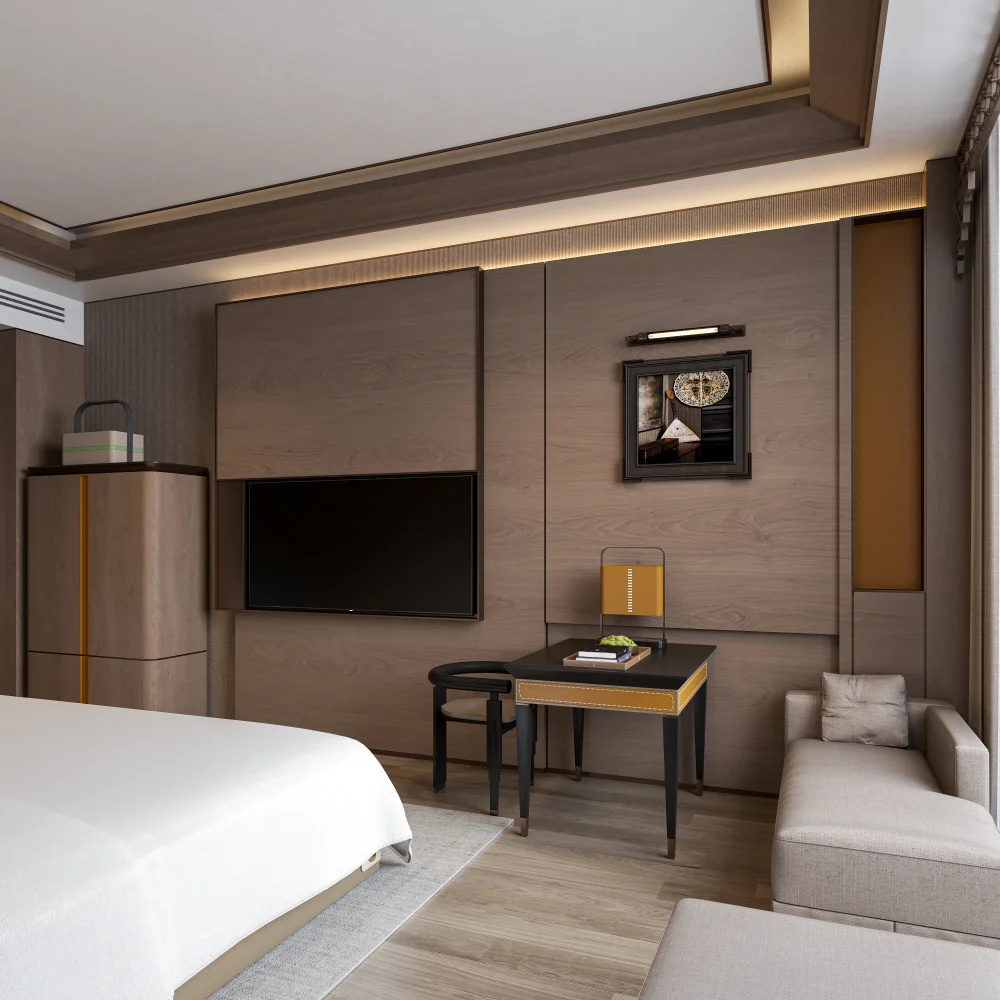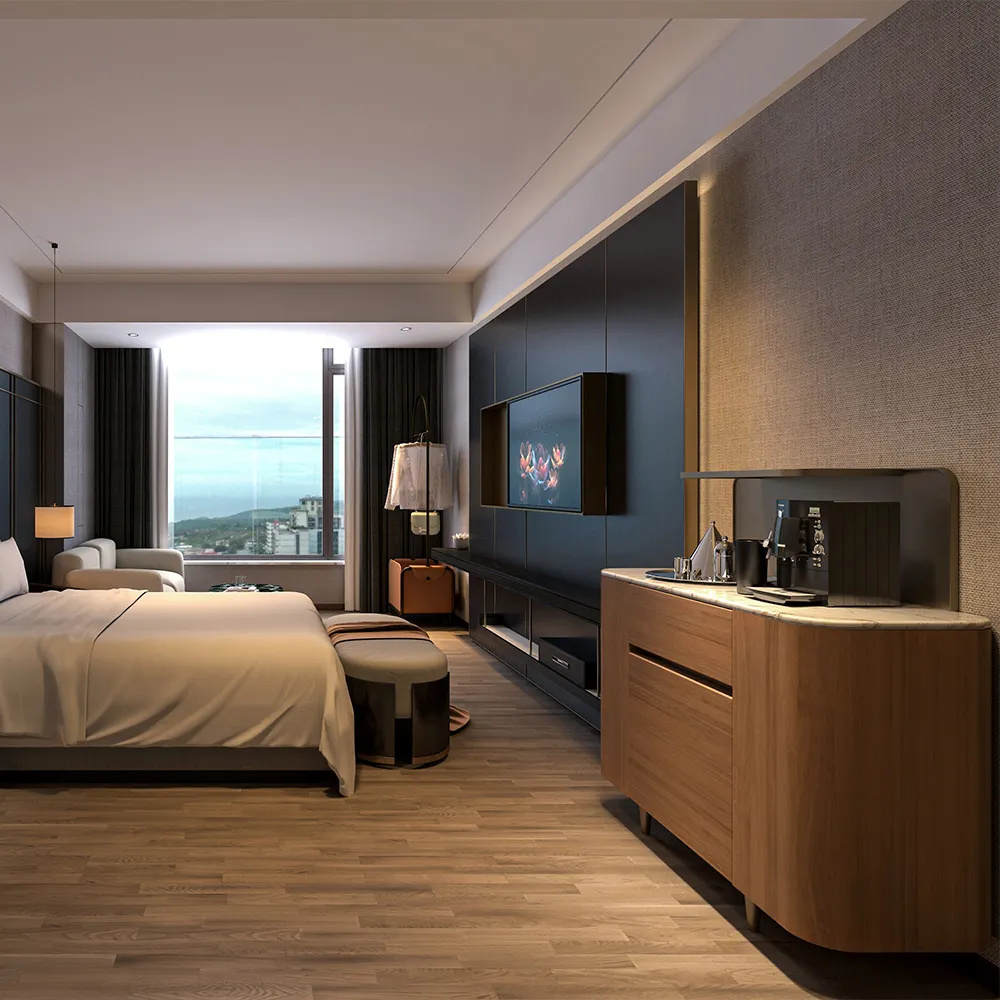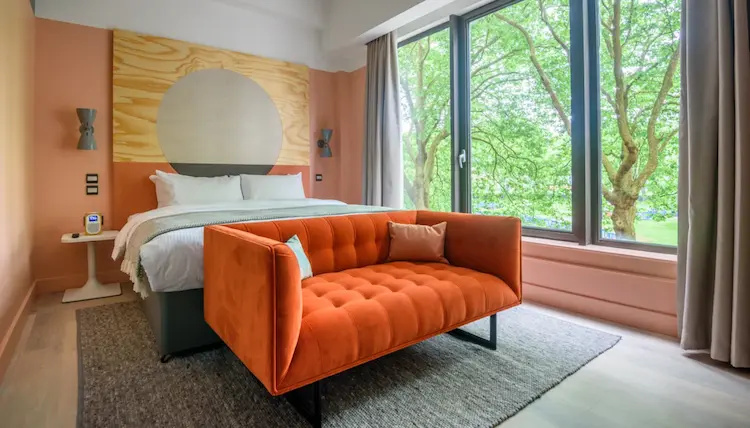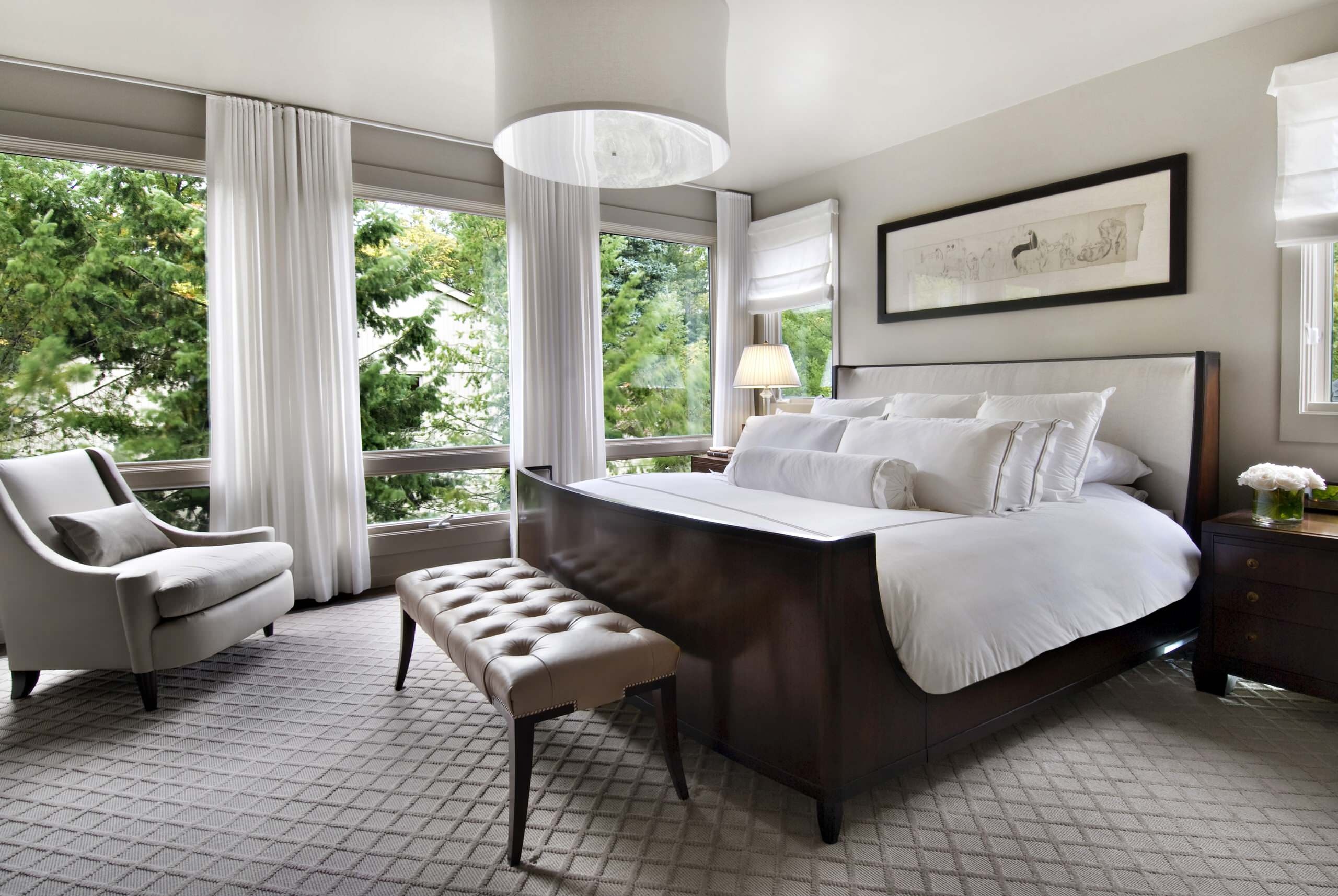
Hotel Bedroom Interior Design Standards for 3-5 Star Hotels
Thứ 5, 16/04/2026
Administrator
333
Hotel bedroom design standards vary significantly between 3-star and 5-star properties, reflecting differences in comfort level, materials, and guest expectations. However, all categories must meet certain fundamental requirements in functionality, safety, and aesthetics. In this article, Ngoc Hoang Anh outlines the key interior design standards for hotel bedrooms from 3 to 5 stars.
1. Space Planning and Layout Standards
Space planning is a fundamental requirement in hotel bedroom design, directly impacting comfort, usability, and guest satisfaction. From 3-star to 5-star hotels, layouts must be carefully organized to ensure efficient use of space while maintaining a clear and comfortable flow between functional areas.
1.1 Minimum room size requirements by star rating
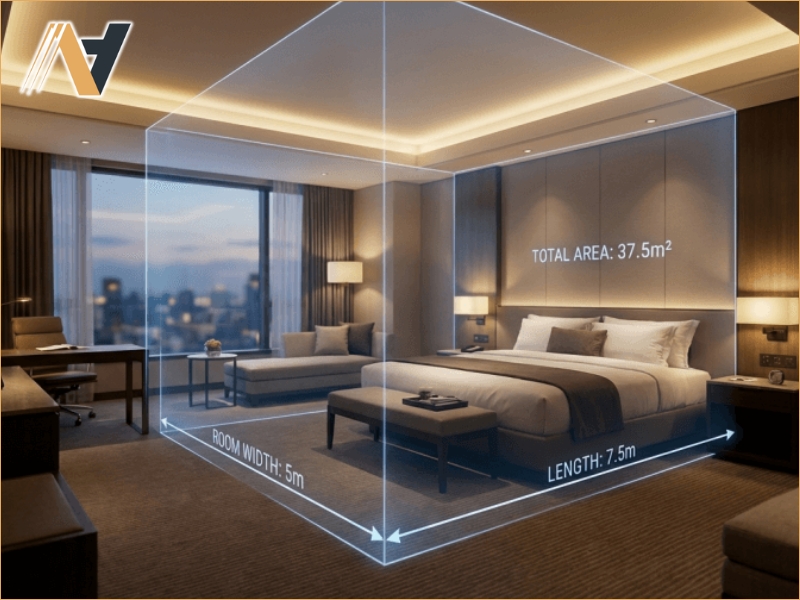
Room size standards vary depending on hotel classification. 3-star hotels typically offer more compact rooms that meet basic comfort needs, while 4- and 5-star hotels provide larger spaces to accommodate additional functions and enhance the sense of luxury and openness.
1.2 Functional zoning for sleeping, working, and storage
A well-designed hotel room should clearly define areas for sleeping, working, and storage. Even in smaller rooms, these zones must be logically arranged to ensure convenience and avoid overlapping functions that could reduce comfort.
1.3 Efficient circulation and accessibility
Proper circulation space allows guests to move easily within the room without obstruction. Furniture placement should support smooth movement, ensure accessibility, and create a balanced layout that feels both practical and spacious.
2. Furniture Standards and Specifications
Furniture in hotel bedrooms must meet strict standards in size, durability, and functionality to ensure long-term use and consistent guest comfort. The level of quality and refinement increases from 3-star to 5-star hotels, but all categories require well-designed, ergonomic, and reliable furniture that supports daily operations.
2.1 Bed size and mattress quality requirements
The bed is the most important element in any hotel room. Standard sizes such as twin, queen, or king must comply with international dimensions, while mattress quality should provide proper support, comfort, and durability, especially in higher-star hotels where guest expectations are greater.
2.2 Wardrobe, desk, and seating standards
Essential furniture pieces such as wardrobes, work desks, and seating must be designed for practicality and ease of use. They should provide sufficient storage and workspace while maintaining a compact and organized layout, particularly in 3-star hotels.
2.3 Material durability and construction quality
Hotel furniture must withstand frequent use, so materials and construction techniques are critical. Strong frames, high-quality finishes, and durable surfaces ensure longevity, reduce maintenance costs, and maintain a consistent appearance over time.
3. Material and Finishing Standards
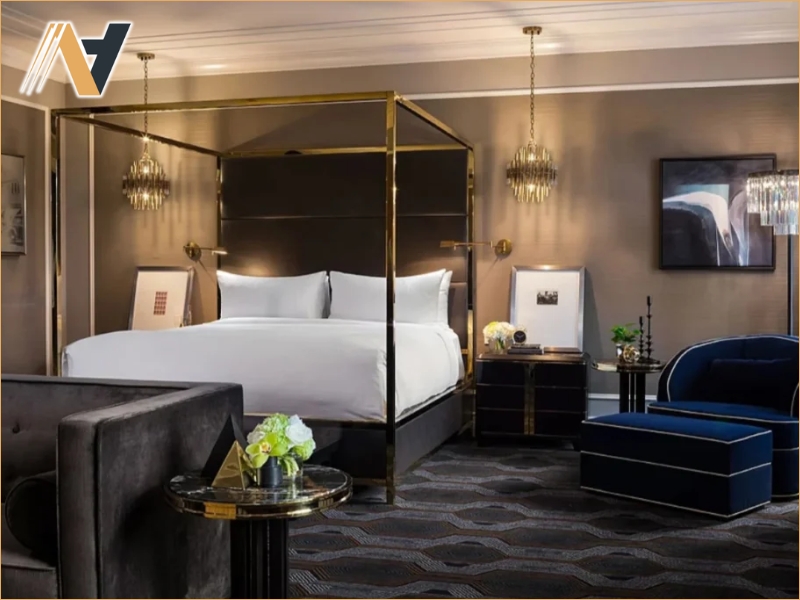
Material selection and finishing quality play a crucial role in defining the overall standard of a hotel bedroom. From 3-star to 5-star hotels, materials must ensure durability, safety, and ease of maintenance, while higher-end properties require more refined textures and premium finishes to enhance the guest experience.
3.1 Use of high-quality and safe materials
All hotel categories must use materials that meet safety and hygiene standards, including low-emission finishes and non-toxic components. Surfaces should be resistant to wear, easy to clean, and suitable for long-term use in a hospitality environment.
3.2 Surface finishes for durability and maintenance
Finishes such as laminates, veneers, or protective coatings help extend the lifespan of furniture and interior elements. These surfaces must resist scratches, moisture, and stains while maintaining a consistent appearance under frequent use.
3.3 Differences between 3-star and 5-star material choices
3-star hotels typically use cost-effective yet durable materials, while 4- and 5-star hotels prioritize natural materials, premium finishes, and more refined detailing. This difference contributes significantly to the perceived level of luxury and comfort.
4. Lighting and Electrical Systems
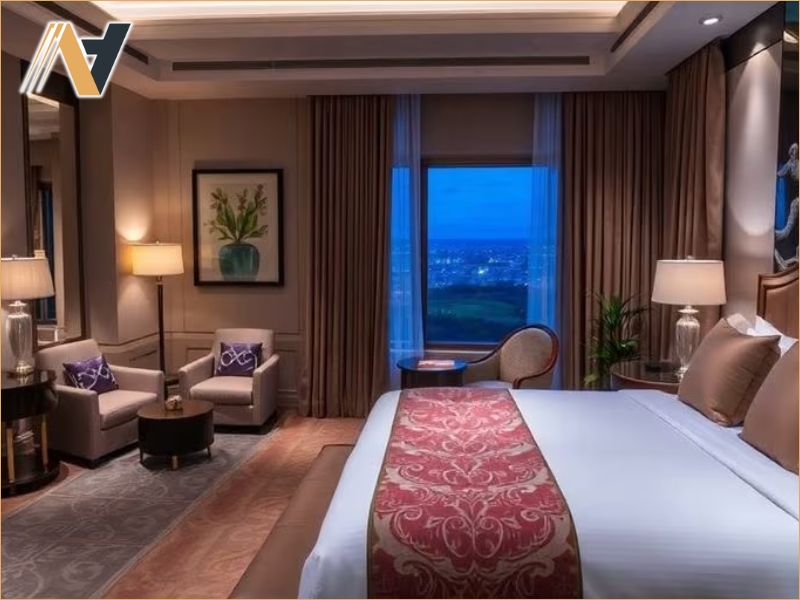
Lighting and electrical systems are essential components in hotel bedroom design, directly influencing comfort, usability, and overall guest experience. From 3-star to 5-star hotels, these systems must be carefully planned to ensure functionality, safety, and a pleasant atmosphere, with higher categories offering more advanced and flexible solutions.
4.1 Natural and artificial lighting balance
A well-designed room should maximize natural light through windows while complementing it with appropriate artificial lighting. This balance helps create a bright and welcoming environment during the day and a comfortable ambiance at night.
4.2 Bedside lighting and task lighting requirements
Bedside lamps, reading lights, and desk lighting are essential for guest convenience. These lighting elements should be easily accessible, adjustable, and positioned to support different activities without causing glare or discomfort.
4.3 Power outlets and smart control systems
Rooms must include sufficient power outlets placed conveniently for guest use. In higher-end hotels, smart control systems for lighting, temperature, and curtains enhance convenience and provide a more personalized and modern experience.
5. Comfort, Safety, and Guest Experience
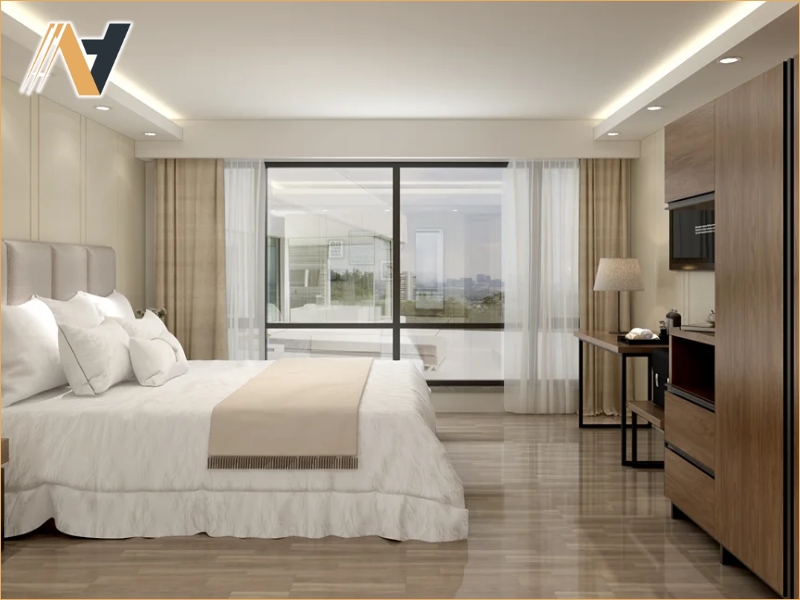
Comfort, safety, and overall guest experience are the ultimate goals of hotel bedroom design across all star categories. While 3-star hotels focus on essential comfort and functionality, 4- and 5-star properties elevate these factors through enhanced acoustic performance, climate control, and refined ergonomic design to deliver a more relaxing and premium stay.
5.1 Acoustic insulation and privacy
Proper sound insulation is crucial to ensure a quiet and restful environment. Walls, doors, and windows should be designed to minimize noise from adjacent rooms or outside, helping guests maintain privacy and sleep quality.
5.2 Thermal comfort and air quality
Temperature control systems and proper ventilation are essential for guest comfort. High-quality air conditioning, good airflow, and clean air standards contribute to a healthier and more pleasant indoor environment.
5.3 Safety standards and ergonomic design
Hotel rooms must comply with safety regulations, including fire safety systems and secure furniture installation. Ergonomic design of beds, seating, and layout also ensures ease of use and reduces physical discomfort during the stay.
Conclusion
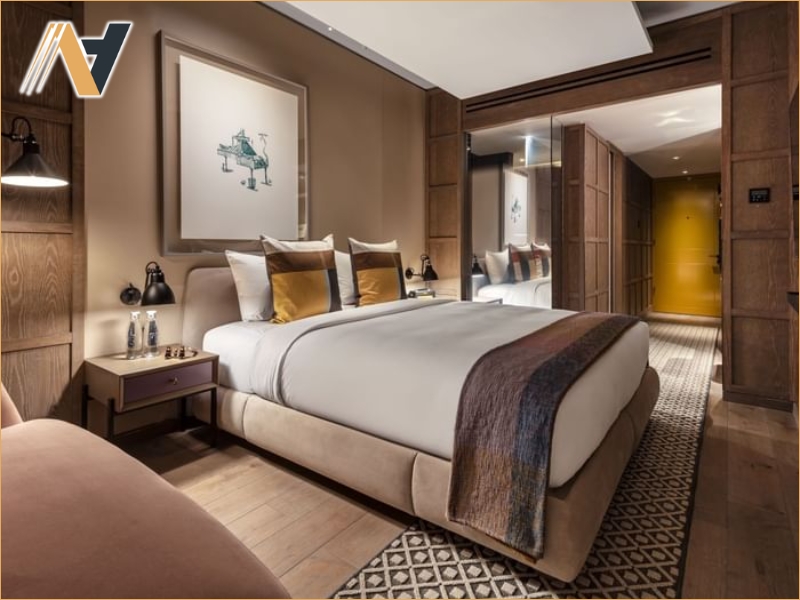
Designing hotel bedrooms for 3-5 star standards requires a careful balance between functionality, durability, and guest comfort. From space planning and furniture specifications to material selection, lighting systems, and safety requirements, every element must be thoughtfully considered to meet industry expectations and enhance the overall guest experience.
While 3-star hotels focus on practicality and cost efficiency, 4- and 5-star properties elevate design through premium materials, refined details, and advanced technologies. These differences not only affect visual quality but also shape how guests perceive comfort and service.
For projects seeking reliable and high-quality solutions, Ngoc Hoang Anh provides premium Vietnam hotel furniture designed to meet international hotel standards, ensuring durability, aesthetics, and professional craftsmanship. Contact us today for expert consultation and customized furniture solutions.
-----
NGOC HOANG ANH TRADING COMPANY LIMITED
Tax Code: 3702874413
Address: No. 288/28/10 Huynh Van Luy Street, Zone 7, Phu Loi Ward, Ho Chi Minh City, Vietnam
Warehouse: No. 1/91, Thuan Giao 02 Street, Binh Thuan 2 Residential Quarter, Thuan Giao Ward, Ho Chi Minh City, Vietnam
Phone/Whatsapp/Wechat: +84342076666
Email: info@ngochoanganh.com.vn