Hotel Bathroom Interior Design: Standards and Latest Trends
Chủ nhật, 19/04/2026
Administrator
251
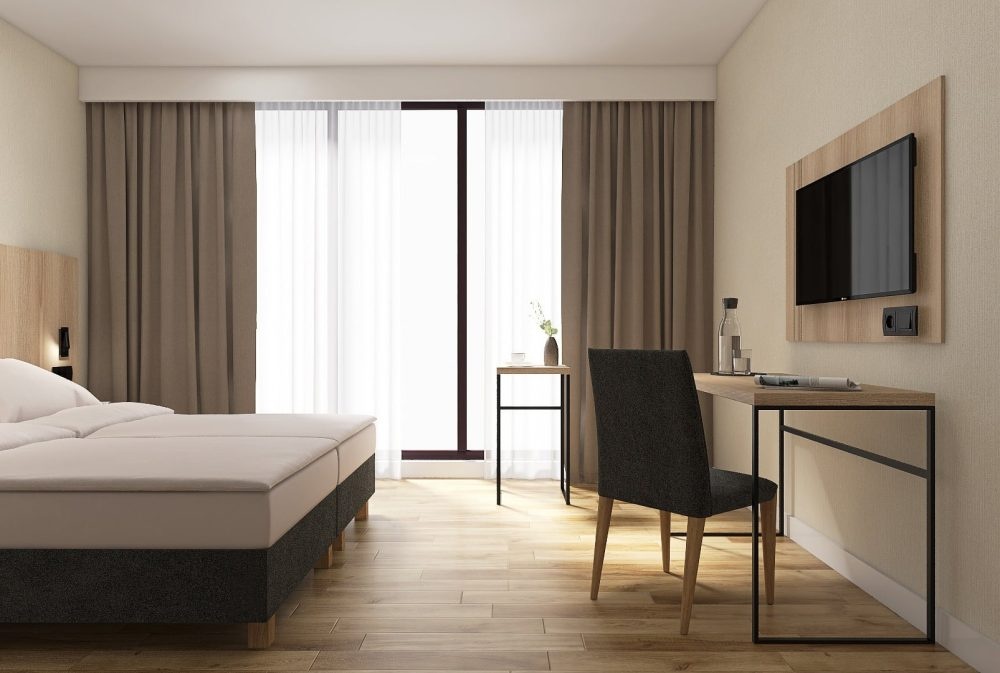
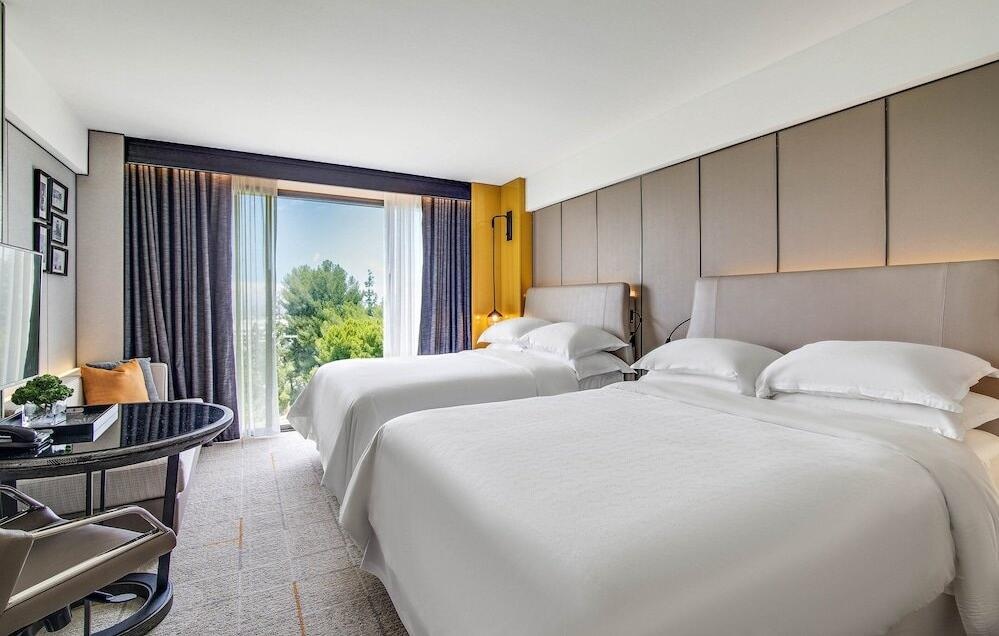
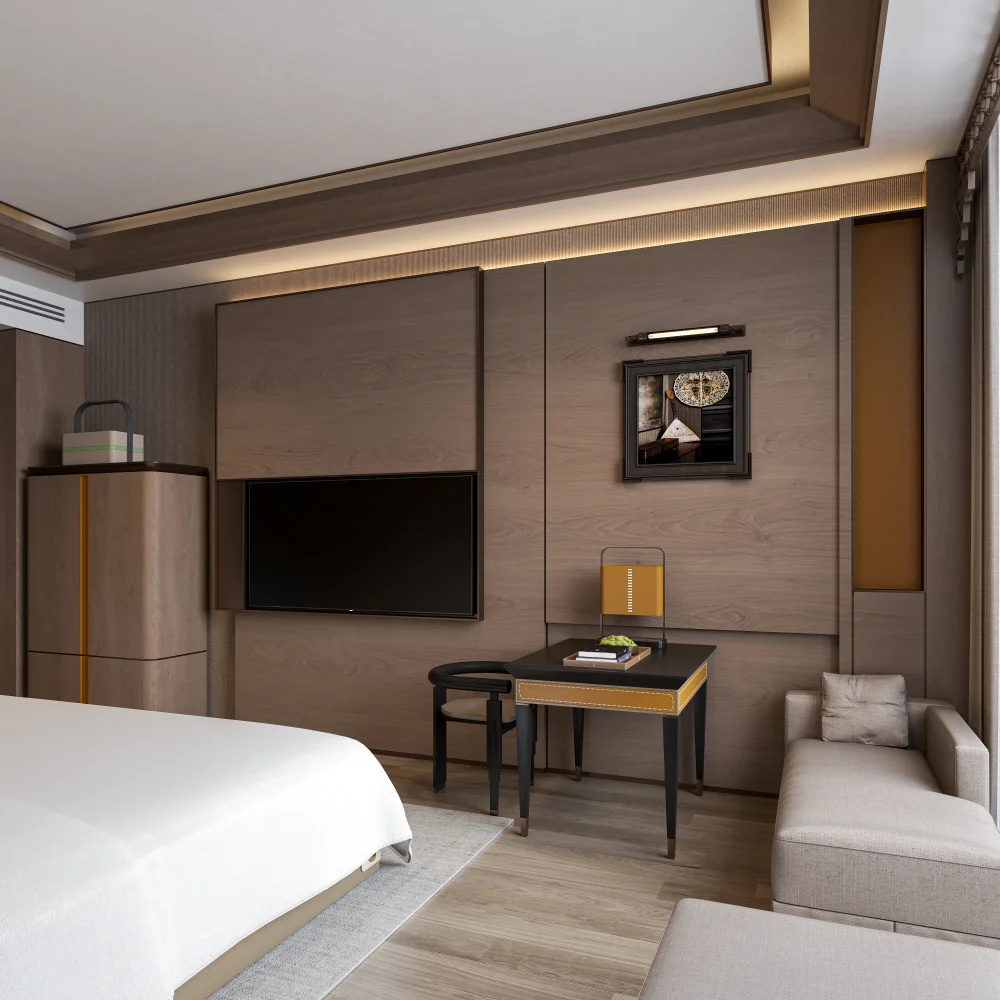
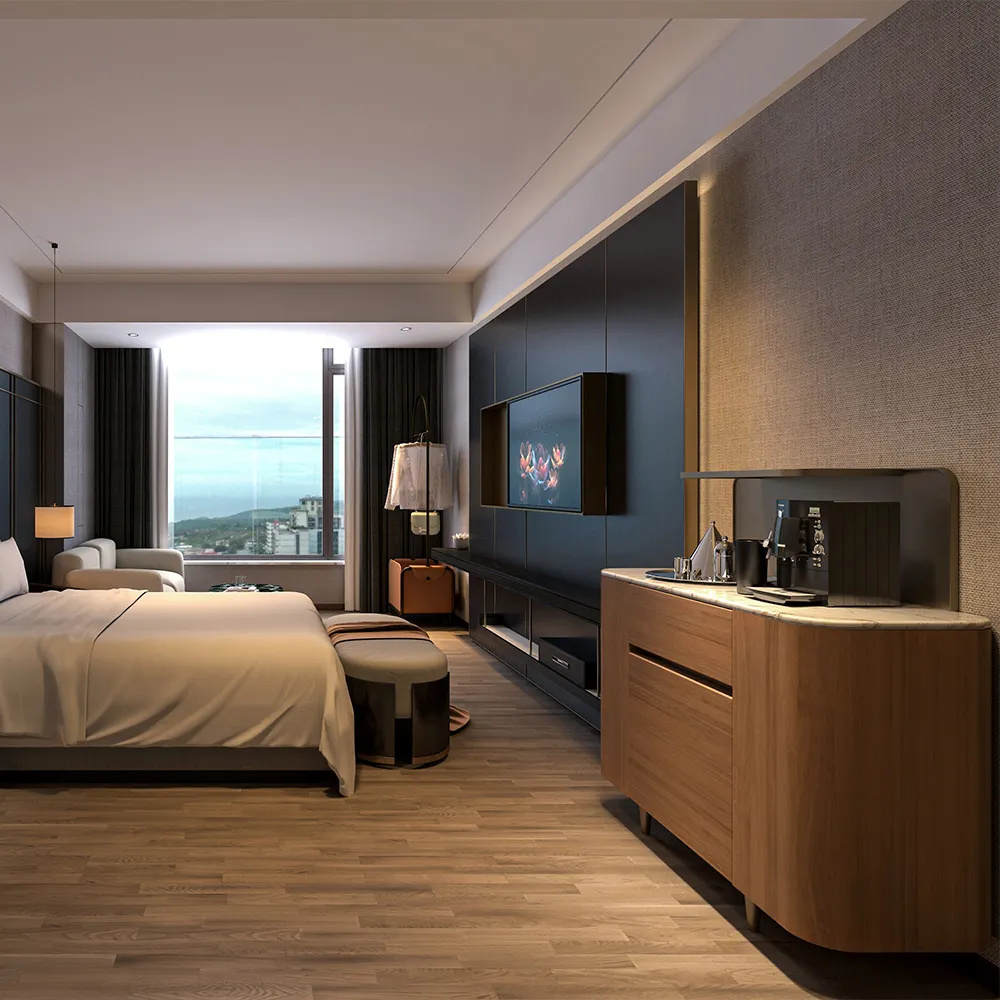
Hotel bathrooms are no longer just functional spaces they play a key role in enhancing guest comfort and overall experience. From 3-star to luxury hotels, bathroom design must meet strict standards while also reflecting modern trends in aesthetics and technology. In this article, Ngoc Hoang Anh explores essential standards and the latest trends in hotel bathroom interiors.
1. Space Planning and Functional Layout
Effective space planning is essential in hotel bathroom design, especially as rooms often have limited area but high usage demands. A well-organized layout ensures comfort, hygiene, and ease of use while supporting daily maintenance operations. Clear zoning and logical arrangement help create a more efficient and user-friendly environment.
1.1 Zoning wet and dry areas effectively
Separating wet zones (shower, bathtub) from dry areas (sink, toilet) helps maintain cleanliness and safety. This division prevents water from spreading across the floor and improves overall usability for guests.
1.2 Ensuring efficient circulation within limited space
Even in compact bathrooms, circulation paths must allow comfortable movement. Proper placement of fixtures ensures guests can use each function without obstruction or inconvenience.
1.3 Accessibility and ergonomic considerations
Bathroom design should consider ease of use for all guests. Proper fixture heights, reachable storage, and safe layouts contribute to a more comfortable and accessible experience.
.jpg)
2. Material Standards and Waterproofing
Materials and waterproofing systems are critical in hotel bathroom design due to constant exposure to moisture and high usage frequency. Selecting the right materials ensures durability, safety, and long-term performance, while proper waterproofing prevents structural damage and reduces maintenance costs over time.
2.1 Moisture-resistant and anti-slip materials
Bathroom surfaces should be made from materials that resist water absorption and prevent slipping. Tiles, stone, and treated surfaces with anti-slip properties help enhance safety while maintaining a clean and durable finish.
2.2 High-quality waterproofing systems
A reliable waterproofing system is essential to protect walls, floors, and structural components from water damage. Proper installation helps prevent leakage, mold growth, and long-term deterioration of the bathroom.
2.3 Durability and ease of maintenance
Materials should be easy to clean and resistant to stains, scratches, and chemical exposure. Durable finishes help maintain the bathroom’s appearance over time while reducing maintenance effort and operational costs.
3. Fixtures and Equipment Standards
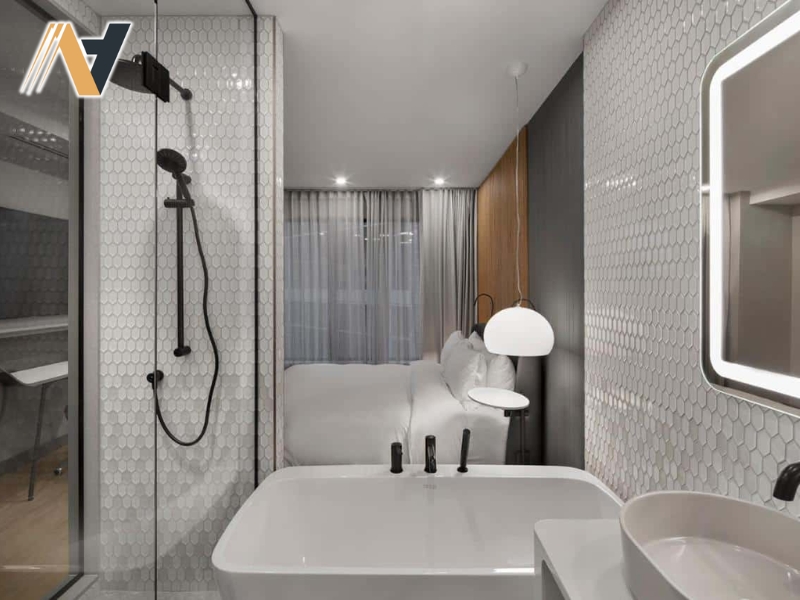
Fixtures and bathroom equipment are essential elements that directly impact usability, hygiene, and guest satisfaction. In hotel bathrooms, these components must meet strict standards in quality, durability, and ergonomic design to ensure consistent performance under frequent use while maintaining a clean and modern appearance.
3.1 Sink, toilet, and shower specifications
Core fixtures such as sinks, toilets, and showers must comply with standard dimensions and performance requirements. They should be easy to use, water-efficient, and designed to provide comfort while maintaining hygiene and reliability.
3.2 Quality of fittings and accessories
Fittings such as faucets, showerheads, and hardware should be made from corrosion-resistant materials with smooth operation. High-quality accessories enhance both functionality and the overall aesthetic of the bathroom.
3.3 Differences between standard and luxury hotels
Standard hotels typically use functional and cost-effective fixtures, while luxury hotels prioritize premium brands, advanced features, and refined design. This difference significantly influences both comfort level and perceived quality.
4. Lighting and Ventilation Design
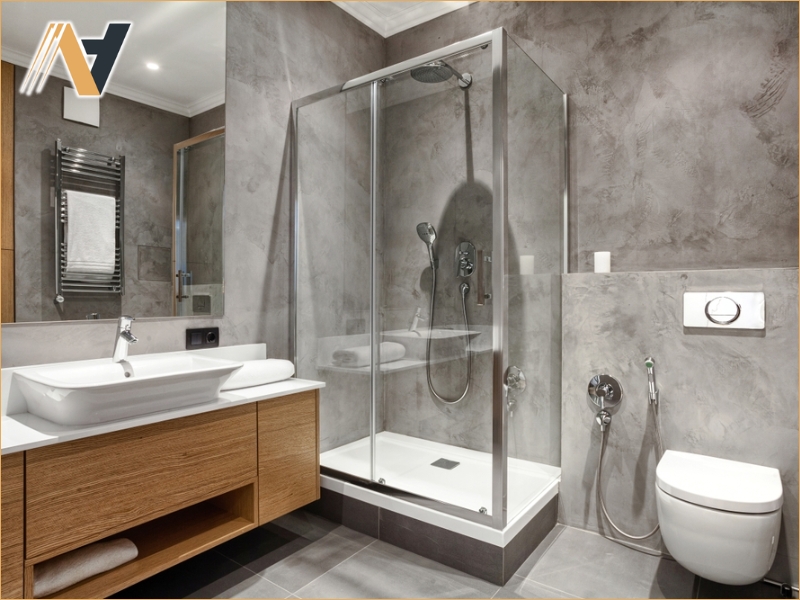
Lighting and ventilation are essential elements in hotel bathroom design, directly affecting comfort, hygiene, and overall usability. A well-designed system ensures sufficient visibility for daily activities while maintaining proper air circulation to control humidity and prevent mold or unpleasant odors.
4.1 Functional and ambient lighting layers
Bathroom lighting should combine task lighting for activities such as grooming with softer ambient lighting for comfort. Proper layering ensures clear visibility without harsh glare, creating a balanced and pleasant environment.
4.2 Proper ventilation and humidity control
Effective ventilation systems help remove moisture and maintain air quality. Exhaust fans, natural ventilation, or integrated systems are necessary to prevent dampness, protect materials, and ensure a fresh atmosphere.
4.3 Enhancing comfort and usability
Good lighting and airflow improve the overall bathroom experience by making the space more comfortable and user-friendly. These factors contribute significantly to guest satisfaction and long-term maintenance efficiency.
5. Modern Trends in Hotel Bathroom Design
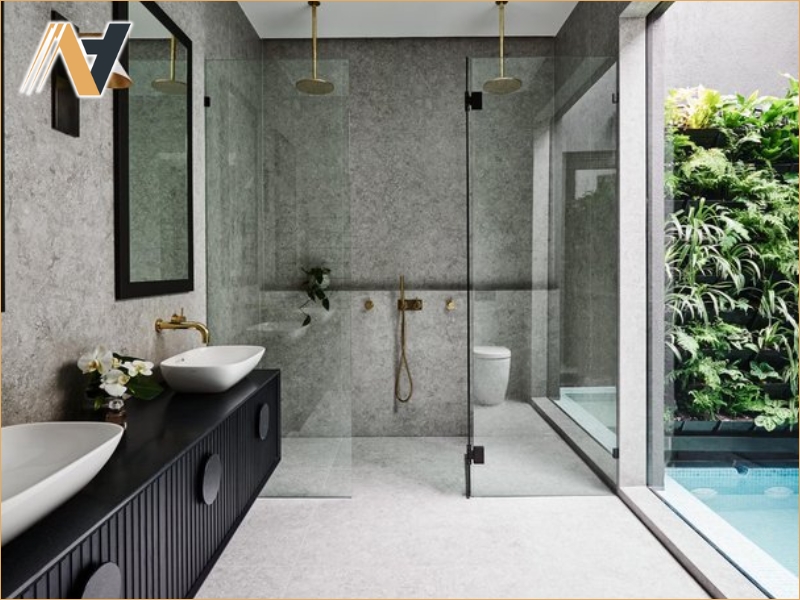
Hotel bathroom design is evolving to meet higher guest expectations, combining functionality with wellness, technology, and sustainability. Modern trends focus on creating spaces that are not only practical but also relaxing and visually appealing, turning the bathroom into an important part of the overall hospitality experience.
5.1 Minimalist and spa-like concepts
Clean lines, neutral colors, and uncluttered layouts define modern hotel bathrooms. Many designs take inspiration from spa environments, using natural materials and soft lighting to create a calm and relaxing atmosphere.
5.2 Smart bathroom technology integration
Advanced features such as sensor faucets, smart mirrors, and automated lighting systems are increasingly common. These technologies enhance convenience, hygiene, and personalization for guests.
5.3 Sustainable and eco-friendly solutions
Water-saving fixtures, energy-efficient lighting, and environmentally friendly materials are becoming standard in hotel bathrooms. These solutions help reduce environmental impact while maintaining high levels of comfort and performance.
Conclusion
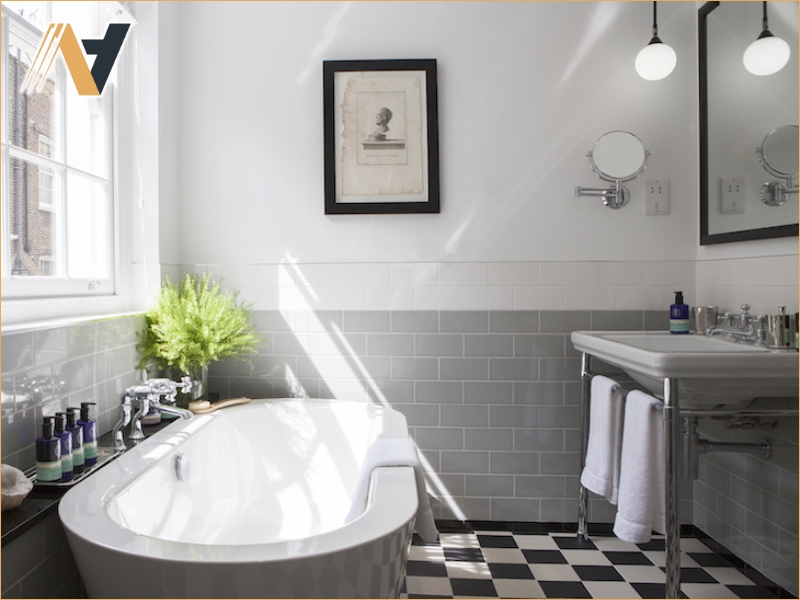
Hotel bathroom design requires a careful balance between functionality, durability, hygiene, and modern aesthetics. From space planning and material selection to fixture standards and ventilation systems, every element must be optimized to ensure comfort and long-term performance.
At the same time, emerging trends such as minimalist design, smart technology, and sustainable solutions are reshaping how hotel bathrooms are experienced. These innovations not only improve usability but also enhance guest satisfaction and brand perception.
For hospitality projects seeking high-quality and reliable solutions, Ngoc Hoang Anh provides premium Vietnam hotel furniture and interior solutions designed to meet modern hotel standards, ensuring durability, aesthetics, and long-term efficiency. Contact us today for expert consultation and customized solutions.
-----
NGOC HOANG ANH TRADING COMPANY LIMITED
Tax Code: 3702874413
Address: No. 288/28/10 Huynh Van Luy Street, Zone 7, Phu Loi Ward, Ho Chi Minh City, Vietnam
Warehouse: No. 1/91, Thuan Giao 02 Street, Binh Thuan 2 Residential Quarter, Thuan Giao Ward, Ho Chi Minh City, Vietnam
Phone/Whatsapp/Wechat: +84342076666
Email: info@ngochoanganh.com.vn