Flexible Interior Solutions for Hotels That Frequently Upgrade Room Categories
Thứ 6, 04/09/2026
Administrator
48
Hotels that frequently upgrade room categories need flexible interior solutions that can adapt to changing layouts, design concepts, and guest expectations while reducing replacement costs and renovation disruptions. In this article, Ngoc Hoang Anh shares practical solutions for more adaptable hotel interiors.
1. Understanding the need for flexible hotel interior solutions
Flexible hotel interior solutions help properties respond efficiently when room categories are upgraded, redesigned, or repositioned, allowing furniture, layouts, and finishes to adapt without requiring a complete replacement of existing interiors.
1.1 Identifying common challenges when upgrading room categories
Hotels that regularly upgrade room categories often face challenges related to changing layouts, different furniture requirements, inconsistent design standards, and unexpected renovation costs, especially when existing interiors were designed for only one room configuration and cannot be easily modified or reused.
1.2 Planning interiors based on future room configurations
Interior planning should consider potential changes in room categories from the beginning, including room size, furniture arrangement, storage requirements, working areas, and guest amenities, so that key furniture pieces can be repositioned, replaced, or upgraded without causing major structural changes or unnecessary renovation work.
1.3 Balancing flexibility, aesthetics, and operational efficiency
A flexible hotel interior should maintain a consistent visual identity while allowing different room categories to offer distinct levels of comfort and functionality, helping hotels create clear product differentiation while simplifying housekeeping, maintenance, furniture replacement, and future renovation processes.
2. Prioritizing modular and multifunctional hotel furniture
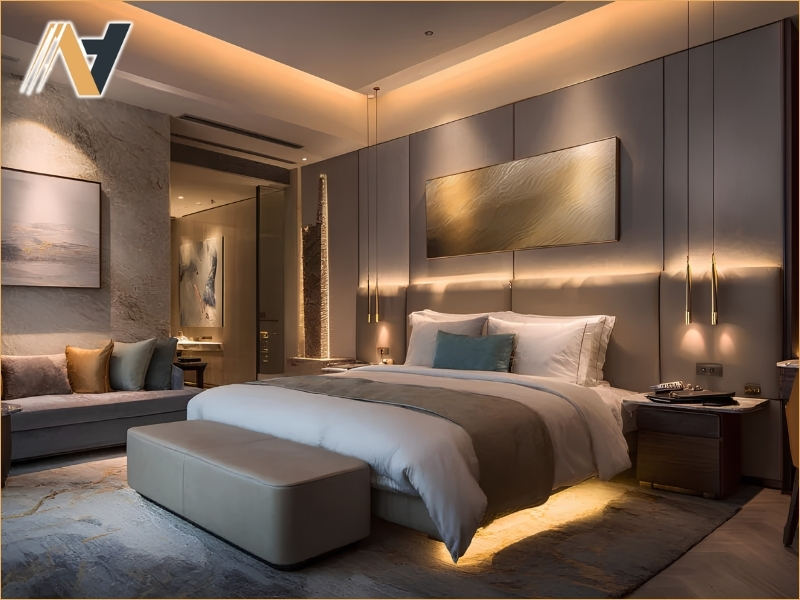
Modular and multifunctional hotel furniture provides greater flexibility when room categories change, allowing hotels to rearrange, combine, or replace individual components instead of rebuilding entire interiors, while supporting consistent aesthetics, efficient space utilization, and better control over renovation costs.
2.1 Using modular furniture that can be reconfigured
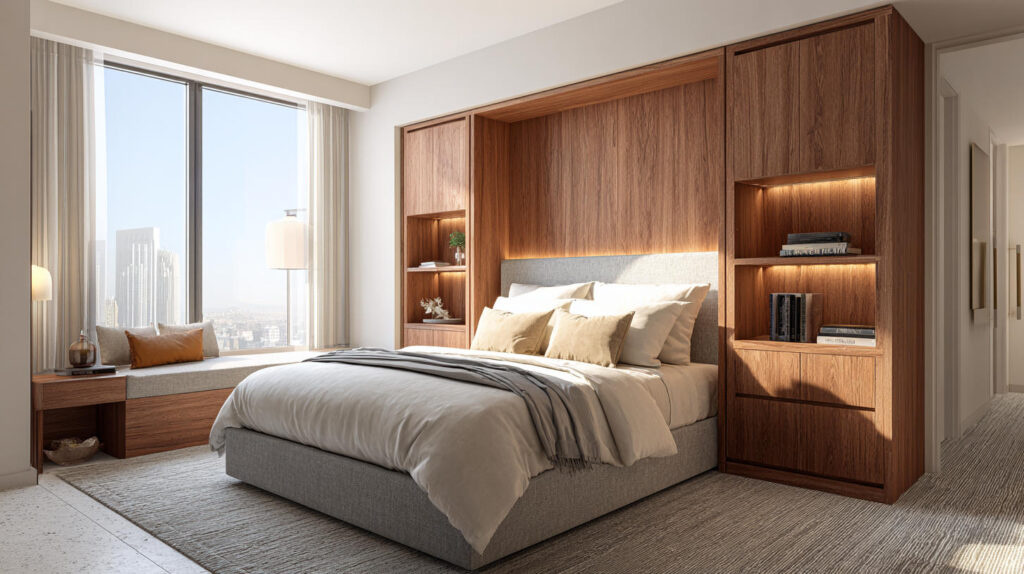
Modular furniture allows individual components such as wardrobes, cabinets, desks, bedsides, and storage units to be repositioned or combined according to new room layouts, helping hotels adapt existing interiors to upgraded room categories while minimizing construction work, furniture replacement, and operational disruption during renovation.
2.2 Choosing multifunctional pieces for different room categories
Multifunctional furniture can serve several purposes within the same space, such as desks with integrated storage, benches with compartments, or flexible bedside units, making it easier for hotels to adjust room functionality according to different guest requirements without significantly increasing the amount of furniture or reducing usable space.
2.3 Designing furniture that supports easy replacement and upgrades
Furniture should be designed with replaceable components, standardized dimensions, and accessible hardware so that damaged surfaces, fittings, or individual modules can be upgraded without replacing the entire product, helping hotels maintain a consistent appearance while extending furniture lifespan and reducing long-term renovation expenses.
3. Selecting durable and adaptable materials for frequent renovation
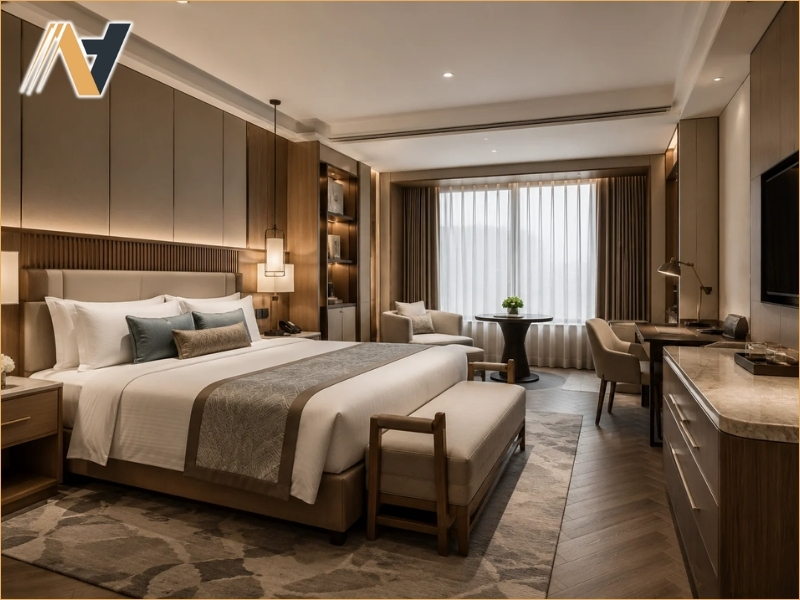
Choosing durable and adaptable materials is essential for hotels that frequently upgrade room categories, as suitable surfaces, finishes, colors, and standardized components can withstand intensive use while remaining visually versatile and easier to maintain, replace, or coordinate with future interior concepts.
3.1 Choosing durable materials for frequent hotel use
Hotel furniture should use materials that can withstand frequent guest use, cleaning, movement, and regular maintenance without quickly losing their appearance or structural stability, helping properties reduce premature replacement while ensuring upgraded rooms maintain a consistent level of quality throughout their operating life.
3.2 Selecting versatile colors and finishes
Neutral colors, timeless textures, and adaptable finishes make it easier to refresh hotel rooms without replacing all furniture, allowing the same furniture system to work across different room categories while decorative elements, fabrics, lighting, or accent colors can be changed to create a more premium or distinctive visual identity.
3.3 Using standardized components for easier maintenance
Standardized panels, hardware, fittings, dimensions, and furniture components can simplify maintenance and future upgrades because replacement parts are easier to source and install, helping hotels reduce repair time, maintain consistency between rooms, and adapt existing furniture systems when room categories or design concepts change.
4. Creating a flexible design system across different room categories
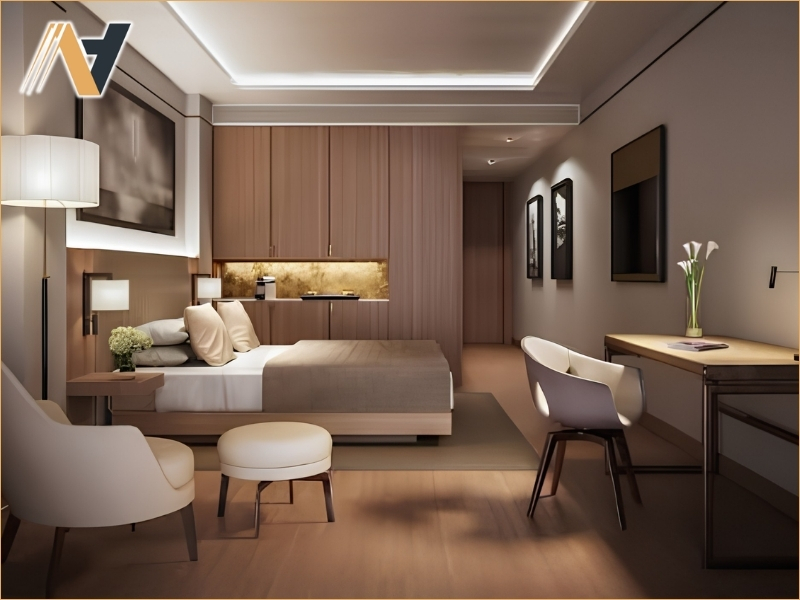
A flexible design system helps hotels maintain a recognizable brand identity while adapting interiors to different room categories, allowing changes in furniture arrangements, decorative details, and functional requirements without creating visual inconsistencies or requiring complete redesigns whenever a room is upgraded.
4.1 Establishing consistent design elements across room types
Hotels should define common design elements such as furniture proportions, material palettes, wood tones, hardware styles, lighting characteristics, and decorative language across room categories, creating a unified visual identity while allowing individual rooms to have different layouts, furniture quantities, and levels of amenities.
4.2 Creating visual differences between room categories
Different room categories can be distinguished through carefully selected upgrades such as premium materials, larger furniture pieces, enhanced storage, refined decorative details, or additional functional features, allowing hotels to create clear differences in guest experience without developing completely separate furniture systems for every room type.
4.3 Optimizing layouts for different room sizes and functions
Furniture dimensions and configurations should be planned according to different room sizes, circulation requirements, sleeping arrangements, working areas, and storage needs, ensuring that each category remains comfortable and functional while using compatible furniture systems that can be adjusted or reused when the hotel changes its room structure.
5. Working with professional hotel furniture manufacturers
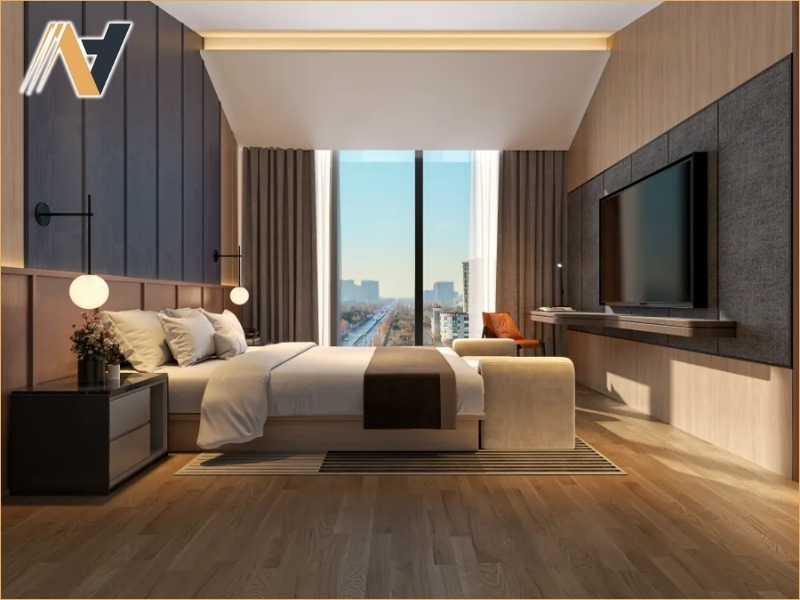
Working with a professional hotel furniture manufacturer gives properties greater control over customization, production consistency, material quality, and future upgrades, helping create flexible furniture systems that can serve multiple room categories while supporting efficient renovation and long-term operational requirements.
5.1 Developing customized and upgrade-friendly furniture
Professional manufacturers can develop furniture according to specific room dimensions, functional requirements, and design concepts, while incorporating modular structures, replaceable components, and standardized fittings that make future upgrades easier and reduce the need to replace complete furniture sets when hotel room categories change.
5.2 Standardizing production for multiple room categories
A standardized furniture system allows manufacturers to produce compatible products for different room categories while maintaining consistent dimensions, materials, finishes, and construction quality, helping hotels simplify procurement, installation, maintenance, and future expansion across multiple rooms or properties.
5.3 Building a long-term partnership for continuous hotel upgrades
A reliable furniture manufacturer can support hotels beyond the initial production stage by maintaining design specifications, material standards, and product information for future orders, making it easier to reproduce existing furniture, modify selected components, or develop upgraded versions as room categories and business strategies evolve.
Conclusion
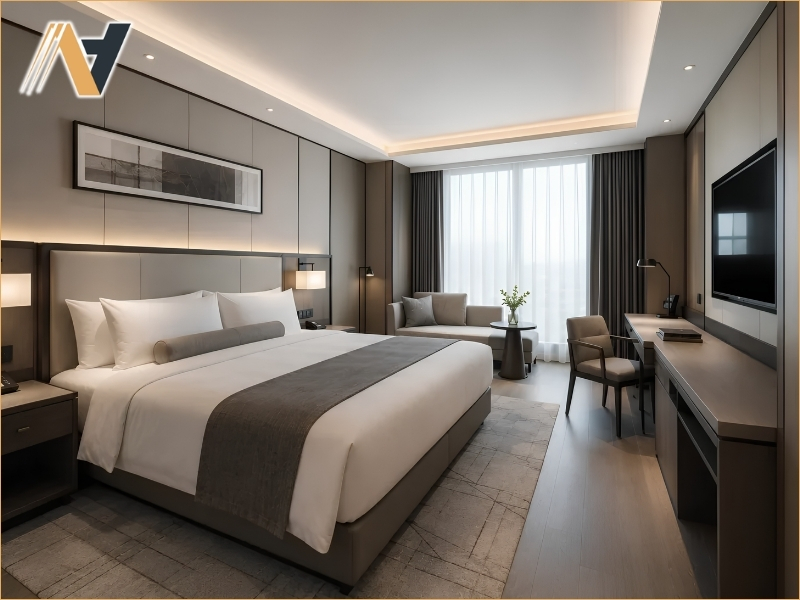
Flexible interior solutions allow hotels that frequently upgrade room categories to adapt spaces more efficiently while controlling renovation costs and minimizing operational disruptions. By prioritizing modular furniture, multifunctional designs, durable materials, standardized components, and adaptable design systems, properties can maintain consistent brand identity while responding to changing guest expectations.
Ngoc Hoang Anh provides Vietnam hotel furniture OEM services with customized manufacturing solutions, supporting hotels in developing flexible, durable, and scalable furniture systems for long-term operation and continuous room upgrades.
-----
NGOC HOANG ANH TRADING COMPANY LIMITED
Tax Code: 3702874413
Address: No. 288/28/10 Huynh Van Luy Street, Zone 7, Phu Loi Ward, Ho Chi Minh City, Vietnam
Warehouse: No. 1/91, Thuan Giao 02 Street, Binh Thuan 2 Residential Quarter, Thuan Giao Ward, Ho Chi Minh City, Vietnam
Phone/Whatsapp/Wechat: +84342076666
Email: info@ngochoanganh.com.vn