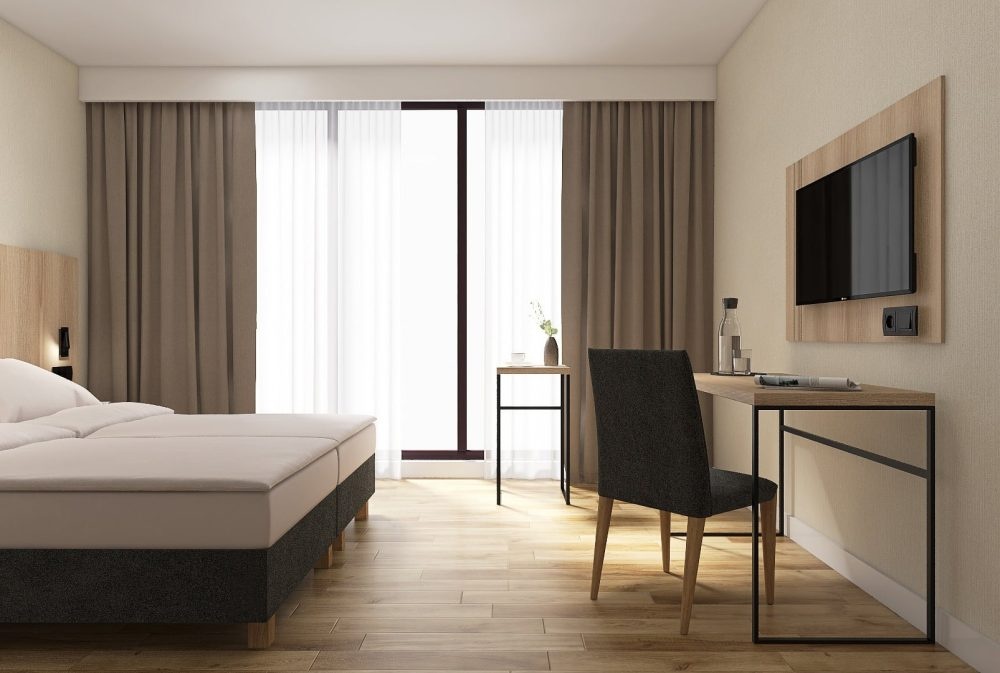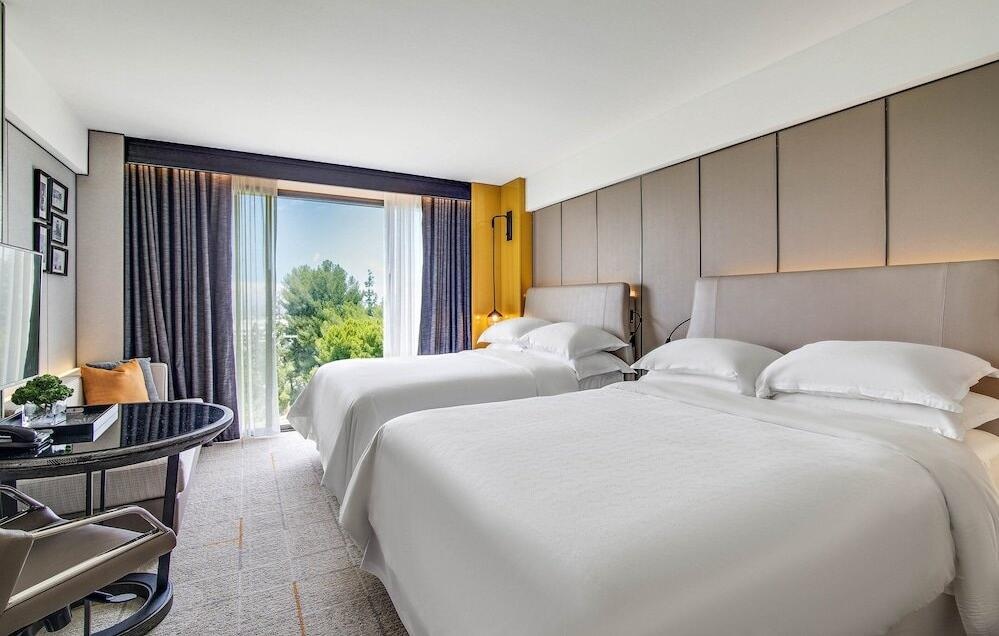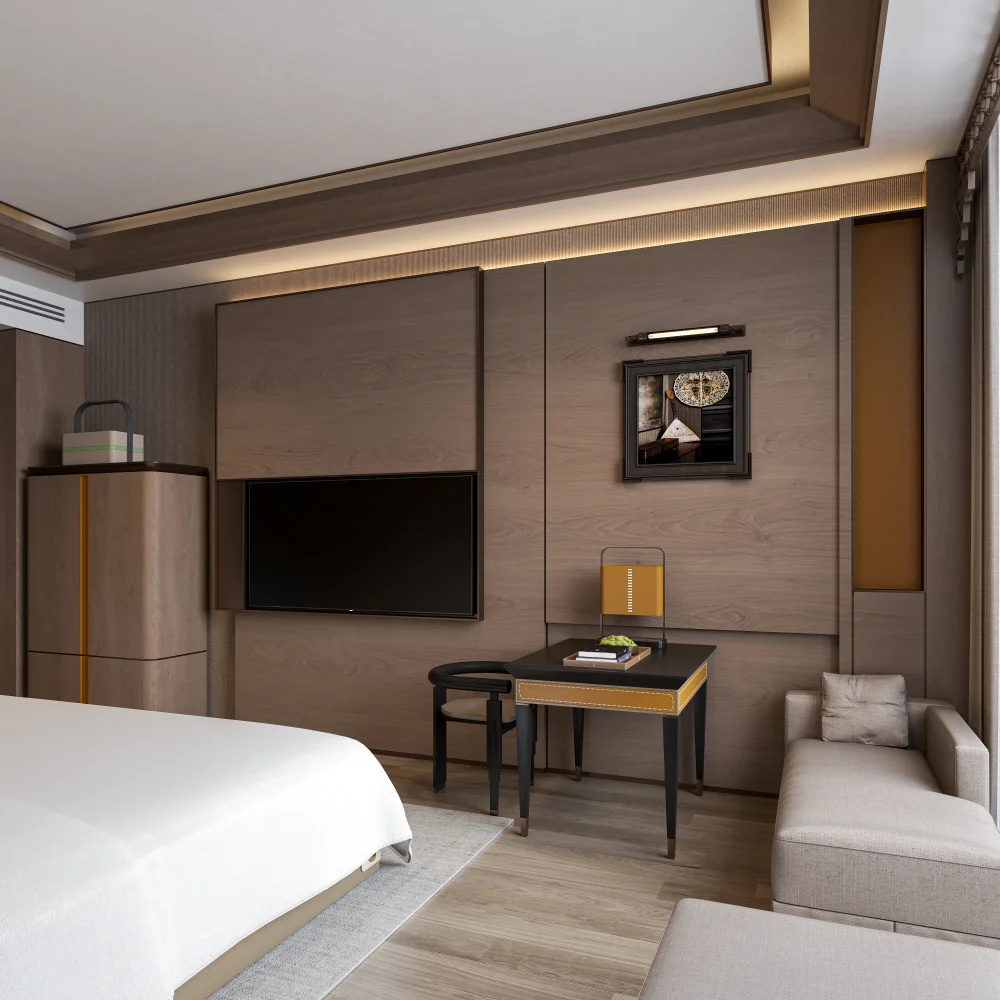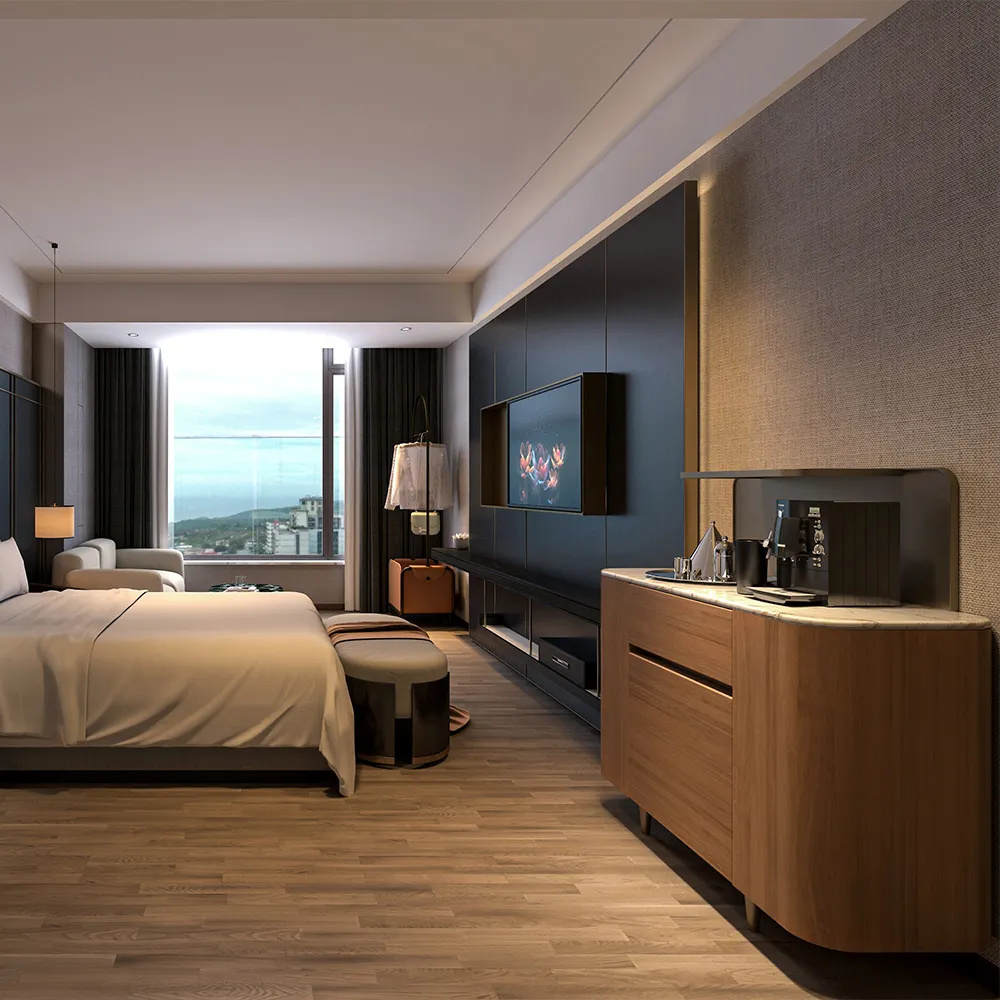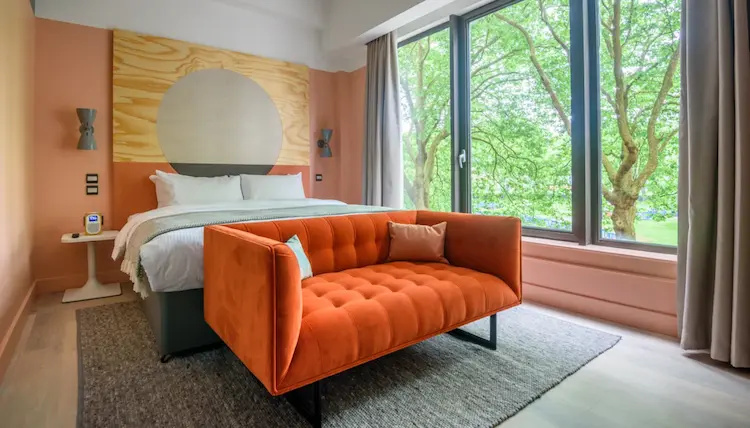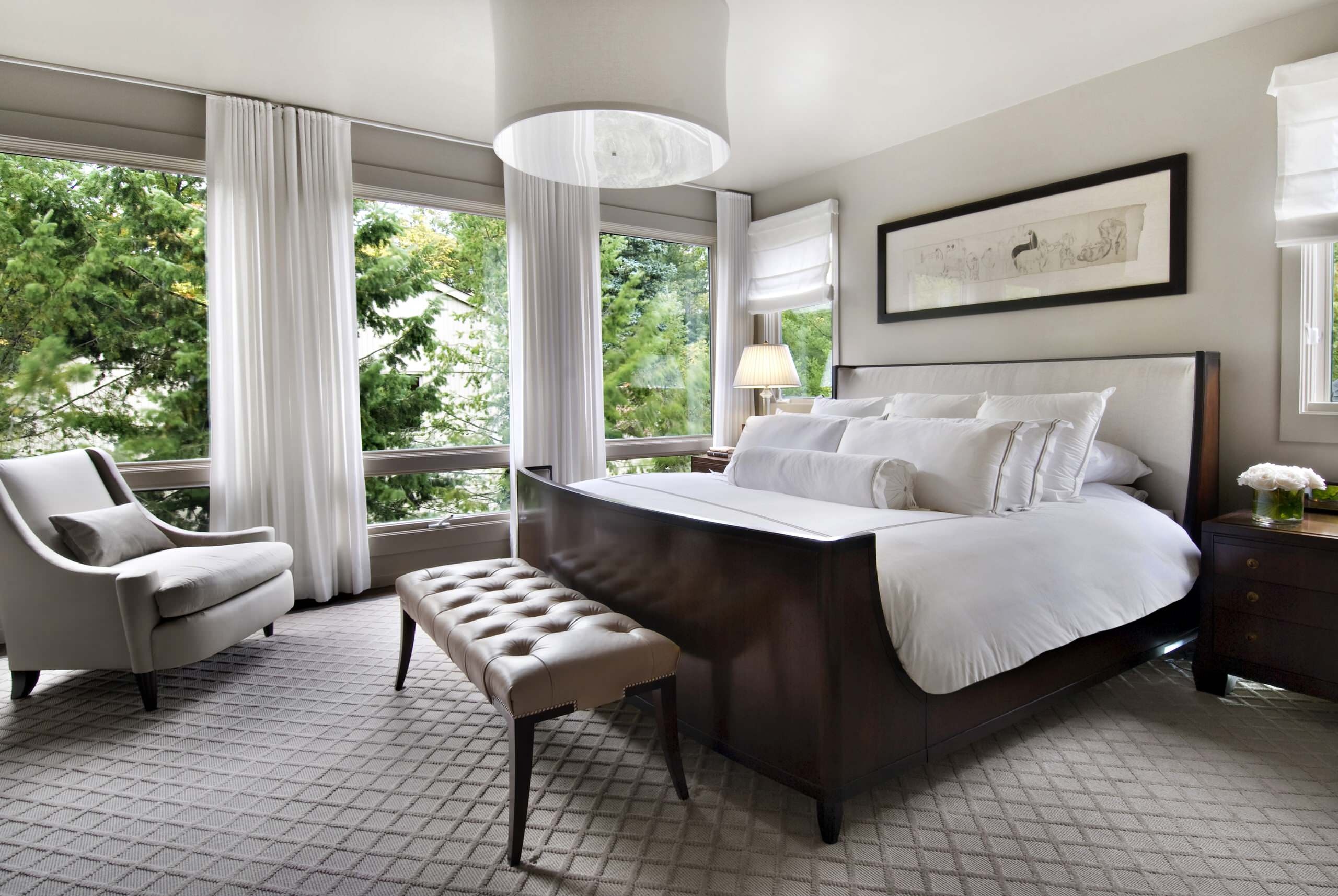
Essential Safety Standards in Hotel Interior Design
Thứ 2, 20/07/2026
Administrator
118
Safety is a fundamental requirement in hotel interior design, ensuring both guest well-being and operational reliability. In this article, Ngoc Hoang Anh explores key safety standards that every hospitality project must follow to create secure, functional, and compliant hotel spaces.
1. Fire Safety Standards in Hotel Interior Design
Fire safety is the most critical foundation in hotel interior design, as hospitality environments must ensure rapid response, safe evacuation, and minimized risk in emergency situations. Every design decision, from material selection to spatial planning, must comply with strict fire safety regulations to protect guests and support efficient emergency management.
1.1 Fire-resistant material requirements
All interior elements, including furniture, wall panels, curtains, and flooring, should use certified fire-retardant or low-flammability materials. These materials help slow the spread of fire, reduce smoke toxicity, and provide valuable time for evacuation, making them essential for maintaining safety in high-occupancy hotel environments.
1.2 Emergency evacuation route planning
Clear and well-structured evacuation routes are essential for guiding guests safely during emergencies. Hotel layouts must ensure unobstructed pathways, visible exit signage, and logical circulation flow that allows quick movement from guest rooms and public areas to designated safety exits without confusion or delay.
1.3 Smoke detection and alarm system integration
Proper placement of smoke detectors and alarm systems throughout guest rooms, corridors, and common areas ensures early detection of fire hazards. Integrated alarm systems provide timely alerts, enabling coordinated evacuation and reducing potential risks, while also enhancing overall compliance with modern hotel safety standards.
2. Structural and Furniture Safety Standards
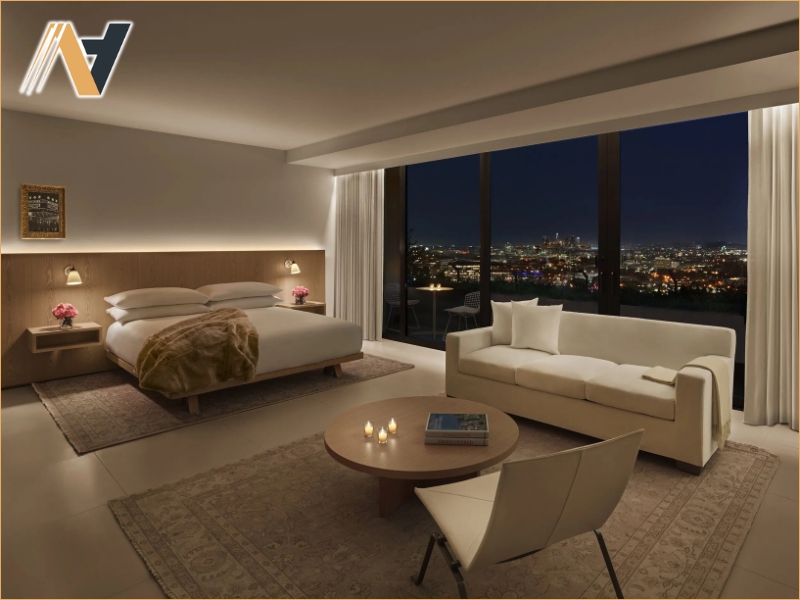
Structural and furniture safety standards are essential in hotel interior design to ensure stability, durability, and user protection throughout daily operations. Since hotel furniture is subjected to frequent use by different guests, every component must be engineered and installed to minimize risk while maintaining long-term performance and visual quality.
2.1 Load-bearing and stability requirements
Hotel furniture must be designed to withstand continuous and intensive usage without deformation or failure. Beds, seating, cabinets, and tables should meet proper load-bearing standards to ensure stability, preventing tipping, collapsing, or structural weakening during normal guest activities.
2.2 Safe furniture edges and finishing
To reduce the risk of injury, furniture should feature rounded edges, smooth surfaces, and carefully finished corners. This is especially important in compact hotel rooms where movement space is limited, helping prevent accidental bumps or cuts while enhancing overall user safety and comfort.
2.3 Secure installation and fixing systems
Proper installation methods, including wall anchoring and floor fixing where necessary, are crucial for maintaining furniture stability. Secure fastening systems help prevent movement or displacement of heavy items, ensuring safety during use and maintaining a consistent, professional interior layout in high-traffic hospitality environments.
3. Electrical and Lighting Safety Standards
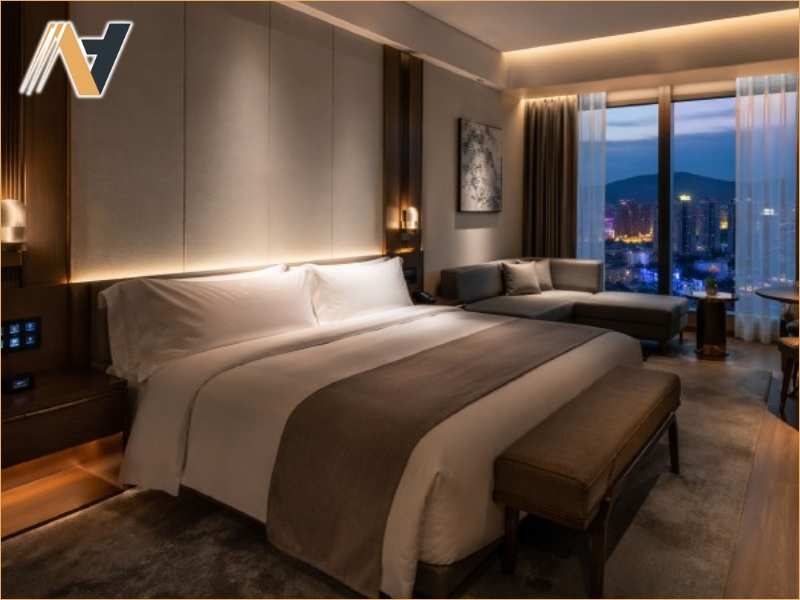
Electrical and lighting systems play a vital role in hotel interior design, directly impacting guest safety, comfort, and operational reliability. Proper planning and installation are essential to prevent electrical hazards, ensure stable performance, and create a safe and well-lit hospitality environment that meets international safety expectations.
3.1 Safe wiring and cable management
All electrical wiring must be properly insulated, concealed, and organized to avoid exposure and physical damage. Effective cable management reduces the risk of short circuits, fire hazards, and tripping accidents, while also maintaining a clean and professional interior appearance across guest rooms and public areas.
3.2 Overload protection and circuit safety systems
Hotels require reliable electrical systems equipped with circuit breakers, surge protection, and load distribution controls. These safety mechanisms help prevent system overloads caused by high energy consumption, ensuring stable power supply and reducing the risk of electrical failures or fire incidents.
3.3 Safe lighting installation and heat control
Lighting fixtures must be installed with proper spacing and heat resistance considerations to avoid overheating and electrical risks. Using energy-efficient and certified lighting systems not only enhances guest comfort but also ensures long-term safety and compliance with modern hospitality standards.
4. Hygiene and Material Safety Standards
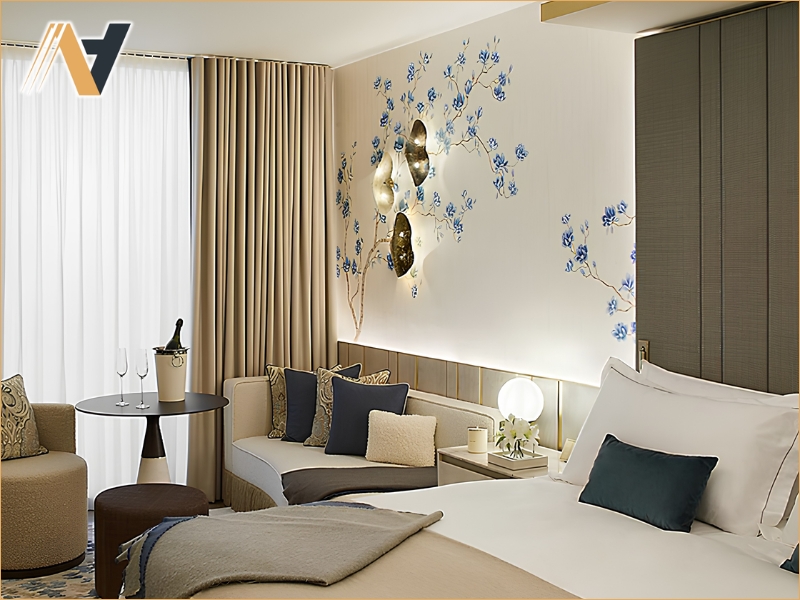
Hygiene and material safety standards are essential in hotel interior design to ensure a healthy, comfortable, and long-lasting environment for guests. Material selection directly affects indoor air quality, cleanliness, and durability, making it a key factor in maintaining both safety compliance and premium hospitality experiences.
4.1 Non-toxic and eco-friendly material selection
Hotel interiors should prioritize materials with low VOC emissions and certified safety standards to protect guest health. Non-toxic adhesives, finishes, and coatings help improve indoor air quality while supporting sustainable design practices that align with modern hospitality expectations.
4.2 Easy-to-clean and hygienic surface design
Surfaces in high-contact areas such as furniture, countertops, and wall panels should be designed for easy cleaning and maintenance. Smooth, non-porous materials help reduce dust accumulation and bacterial growth, ensuring a consistently clean and visually refined hotel environment.
4.3 Moisture resistance and mold prevention
In humid environments, especially bathrooms and coastal hotels, moisture-resistant materials are crucial to prevent mold growth and structural deterioration. Properly treated wood, waterproof finishes, and ventilation-friendly designs help maintain hygiene standards and extend the lifespan of interior components.
5. Accessibility and Guest Safety Standards
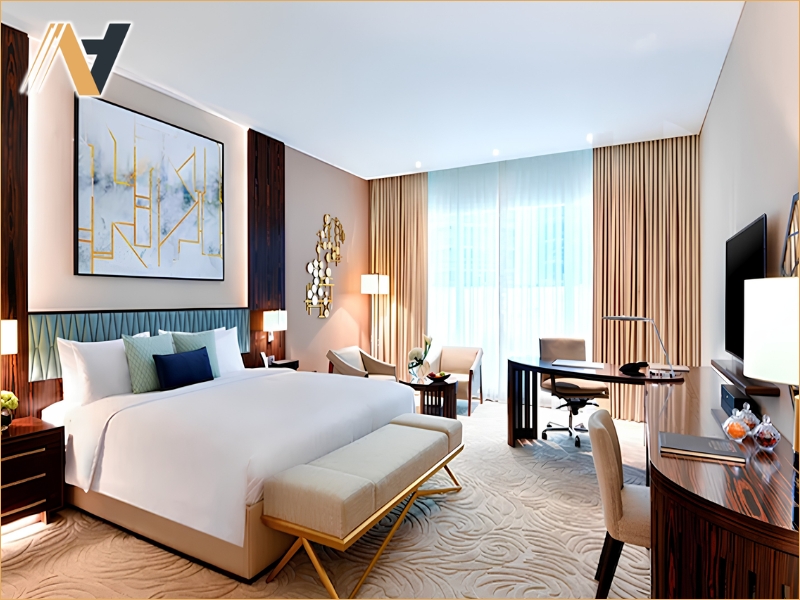
Accessibility and guest safety standards are essential in hotel interior design to ensure that all guests, including the elderly and people with disabilities, can move and use hotel facilities comfortably and safely. A well-designed accessible environment not only improves inclusivity but also enhances overall guest satisfaction and brand reputation in modern hospitality.
5.1 Barrier-free room design
Hotel rooms should be designed with barrier-free access, allowing easy movement for wheelchair users and guests with limited mobility. Wide doorways, level flooring, and strategically arranged furniture help eliminate physical obstacles, creating a more inclusive and user-friendly living space.
5.2 Bathroom safety features and anti-slip solutions
Bathrooms require special attention to safety, including anti-slip flooring, grab bars, and properly positioned fixtures. These elements help reduce the risk of accidents in wet areas while ensuring guests can use facilities with confidence and independence.
5.3 Clear signage and intuitive navigation systems
Effective signage and wayfinding systems are essential for guiding guests throughout the hotel. Clear, well-placed signs with universal symbols improve navigation, reduce confusion, and ensure a safer, more comfortable experience for all visitors, especially in emergency situations.
Conclusion
Ensuring safety standards in hotel interior design is a fundamental requirement that directly impacts guest well-being, operational efficiency, and regulatory compliance. From fire protection and structural integrity to electrical safety, hygiene, and accessibility, each element must be carefully planned to create a secure and reliable hospitality environment.
For hotel projects seeking high-quality and safety-compliant solutions, Ngoc Hoang Anh provides Vietnam hotel furniture OEM services with durable, well-engineered furniture designed to meet strict international hospitality safety standards while maintaining refined aesthetic value.
Contact us today for expert consultation and bespoke hospitality furniture production.
-----
NGOC HOANG ANH TRADING COMPANY LIMITED
Tax Code: 3702874413
Address: No. 288/28/10 Huynh Van Luy Street, Zone 7, Phu Loi Ward, Ho Chi Minh City, Vietnam
Warehouse: No. 1/91, Thuan Giao 02 Street, Binh Thuan 2 Residential Quarter, Thuan Giao Ward, Ho Chi Minh City, Vietnam
Phone/Whatsapp/Wechat: +84342076666
Email: info@ngochoanganh.com.vn