Criteria for Evaluating Hotel Furniture Quality Before Acceptance
Thứ 6, 04/09/2026
Administrator
33
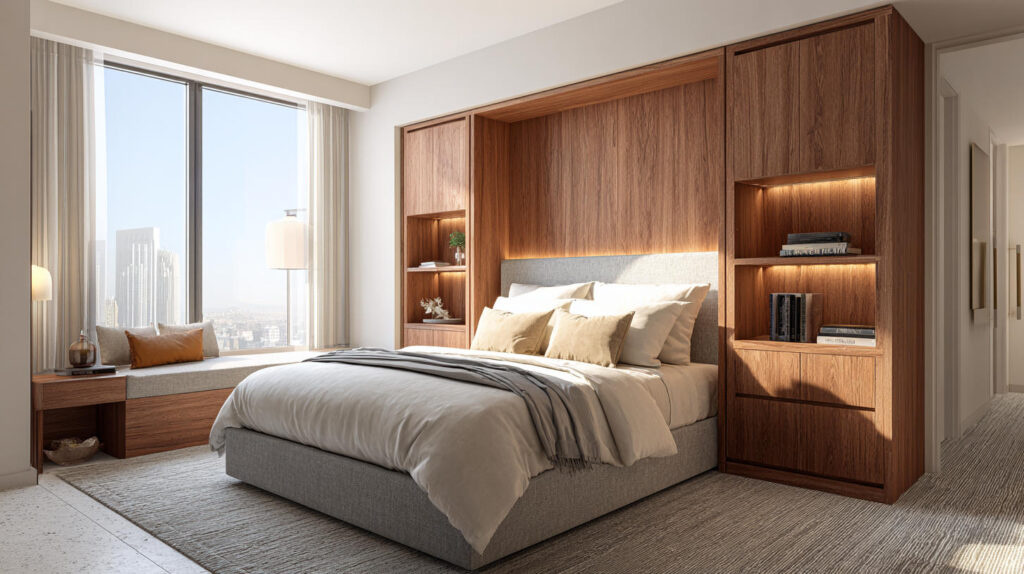
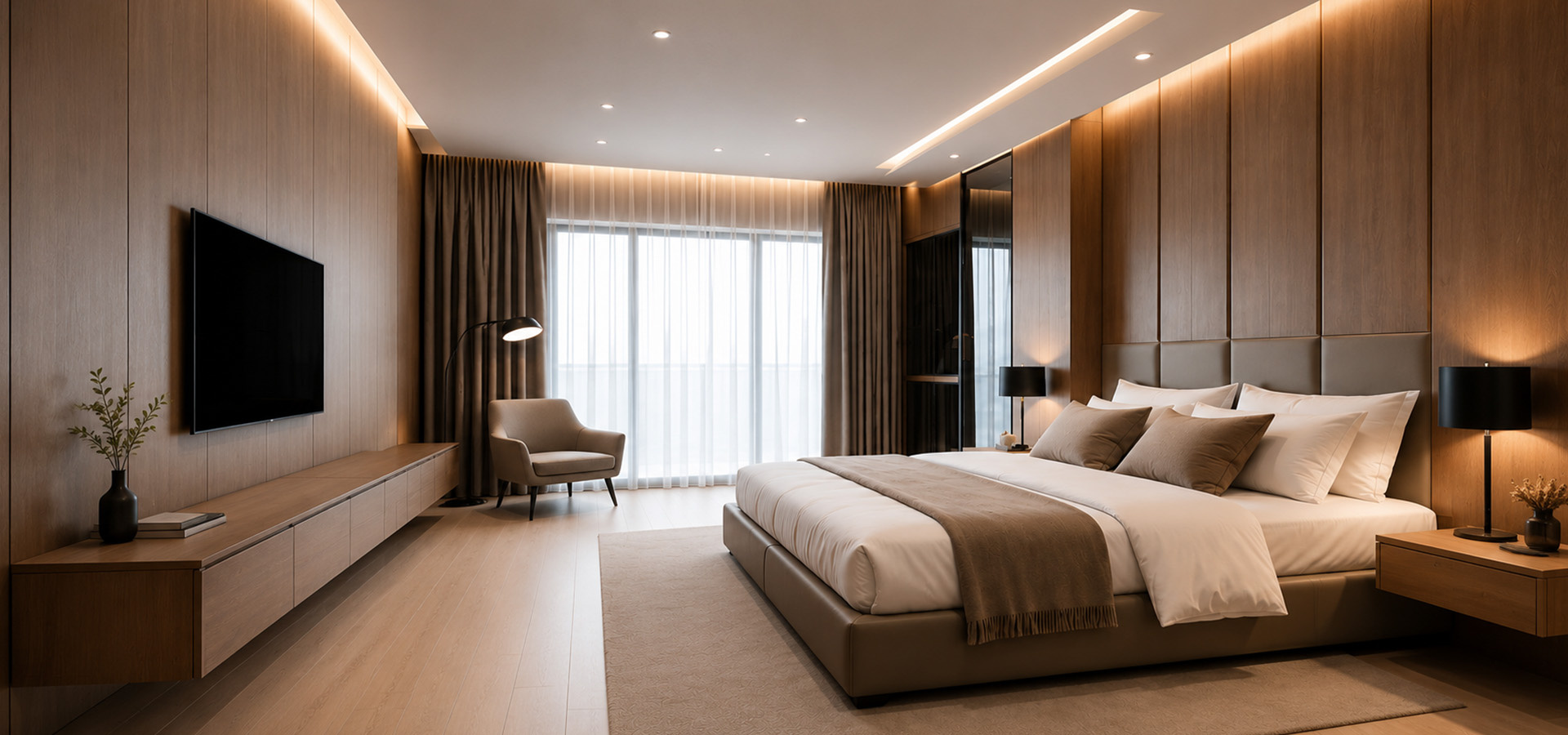
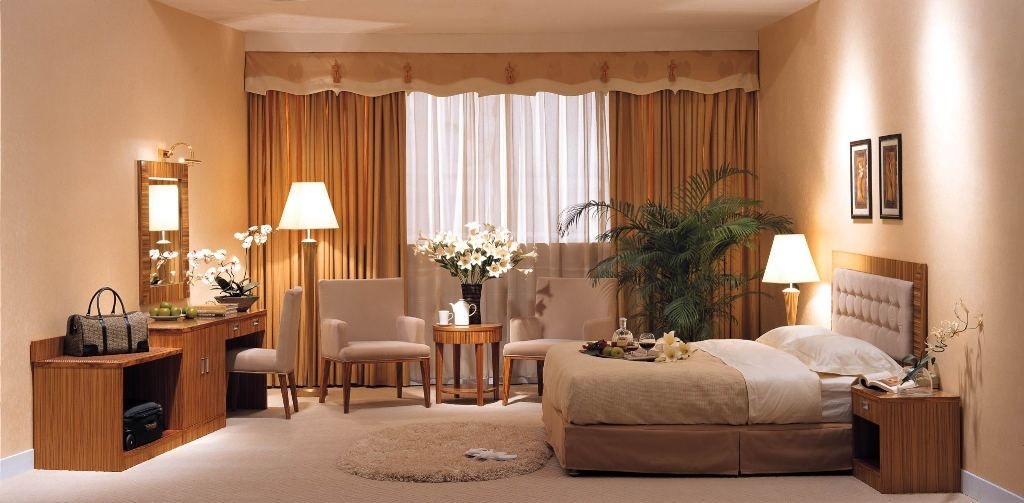
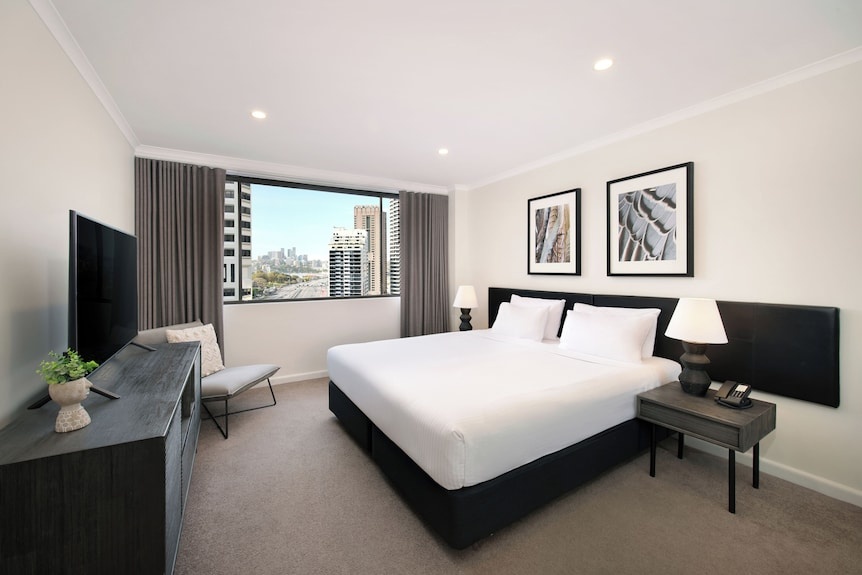
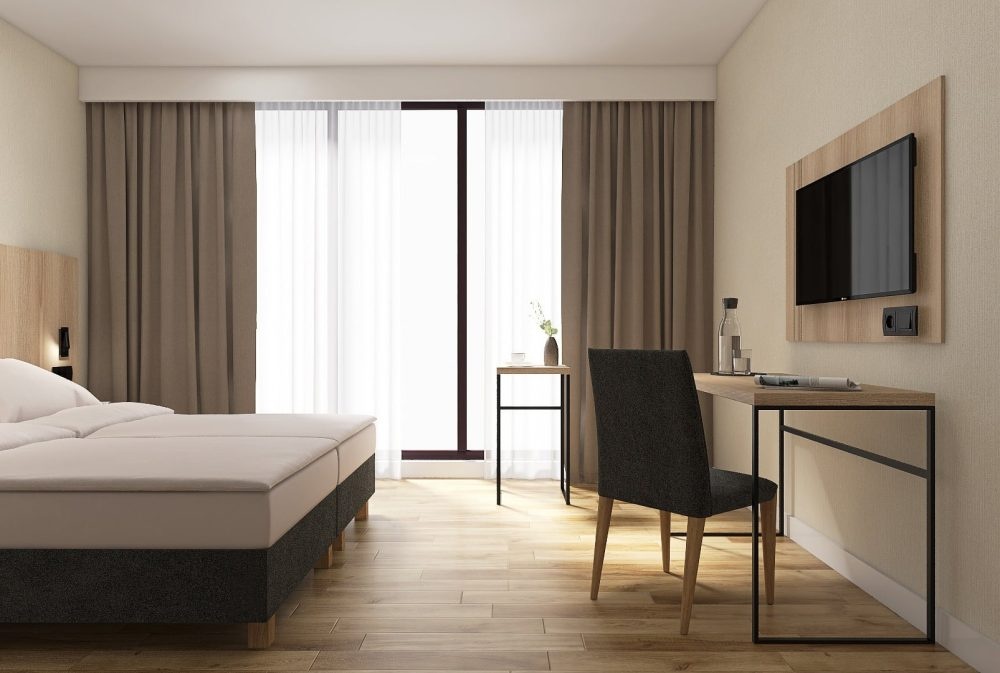
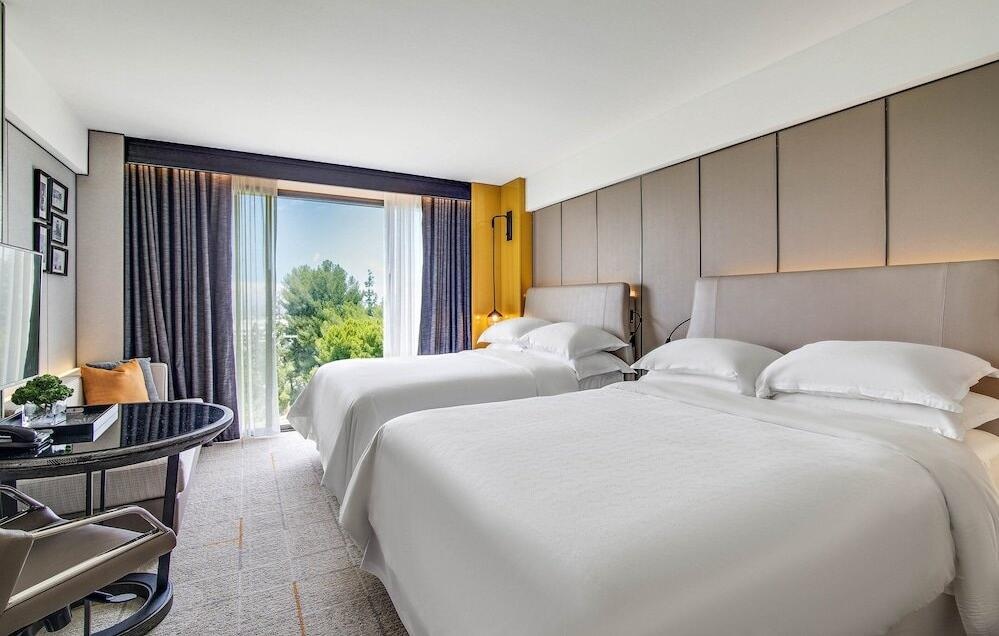
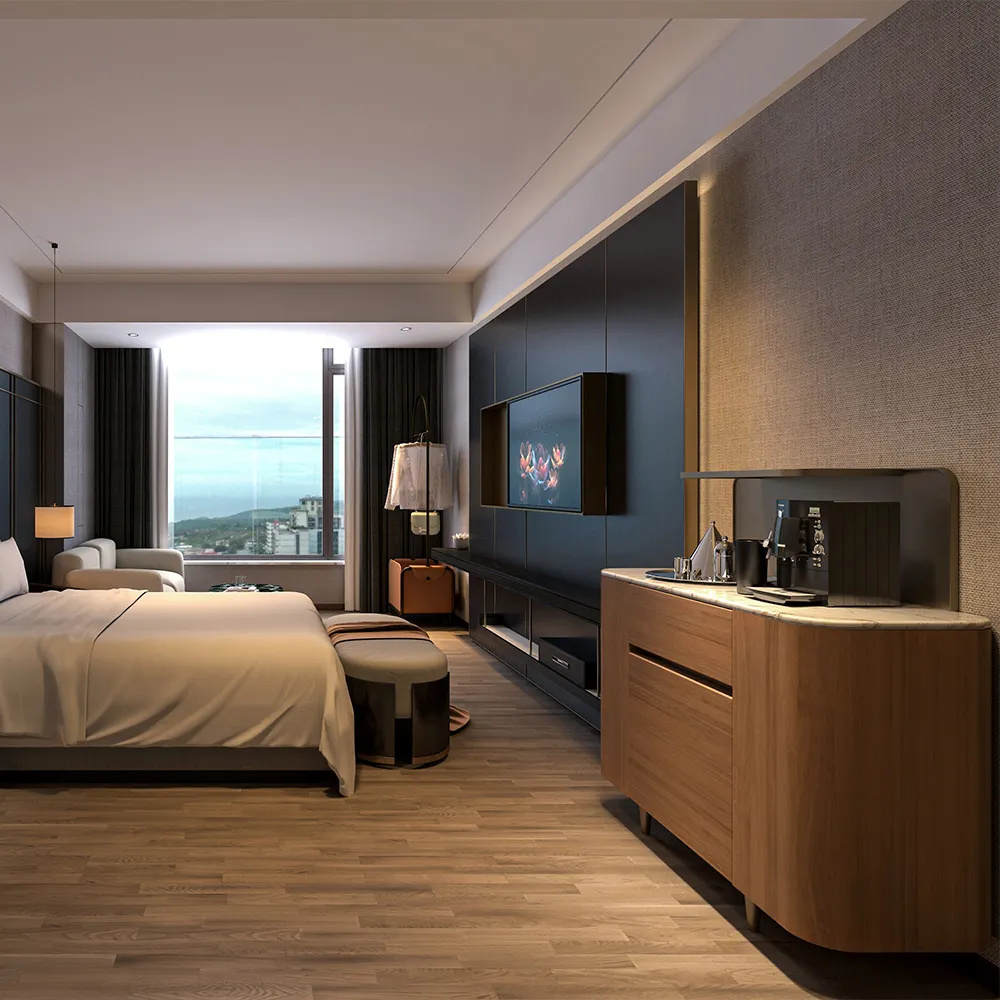
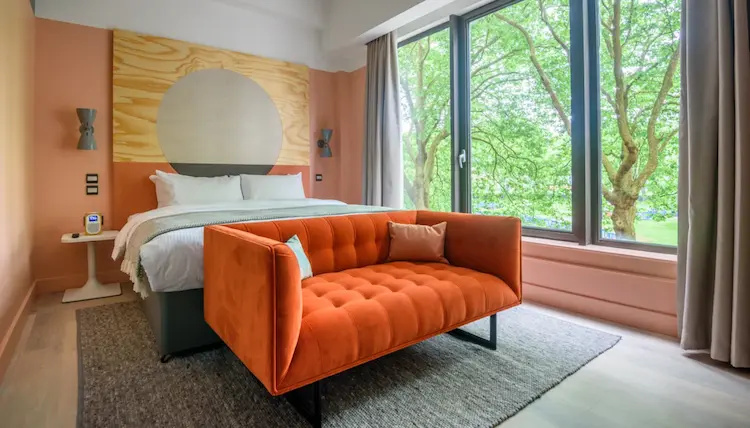
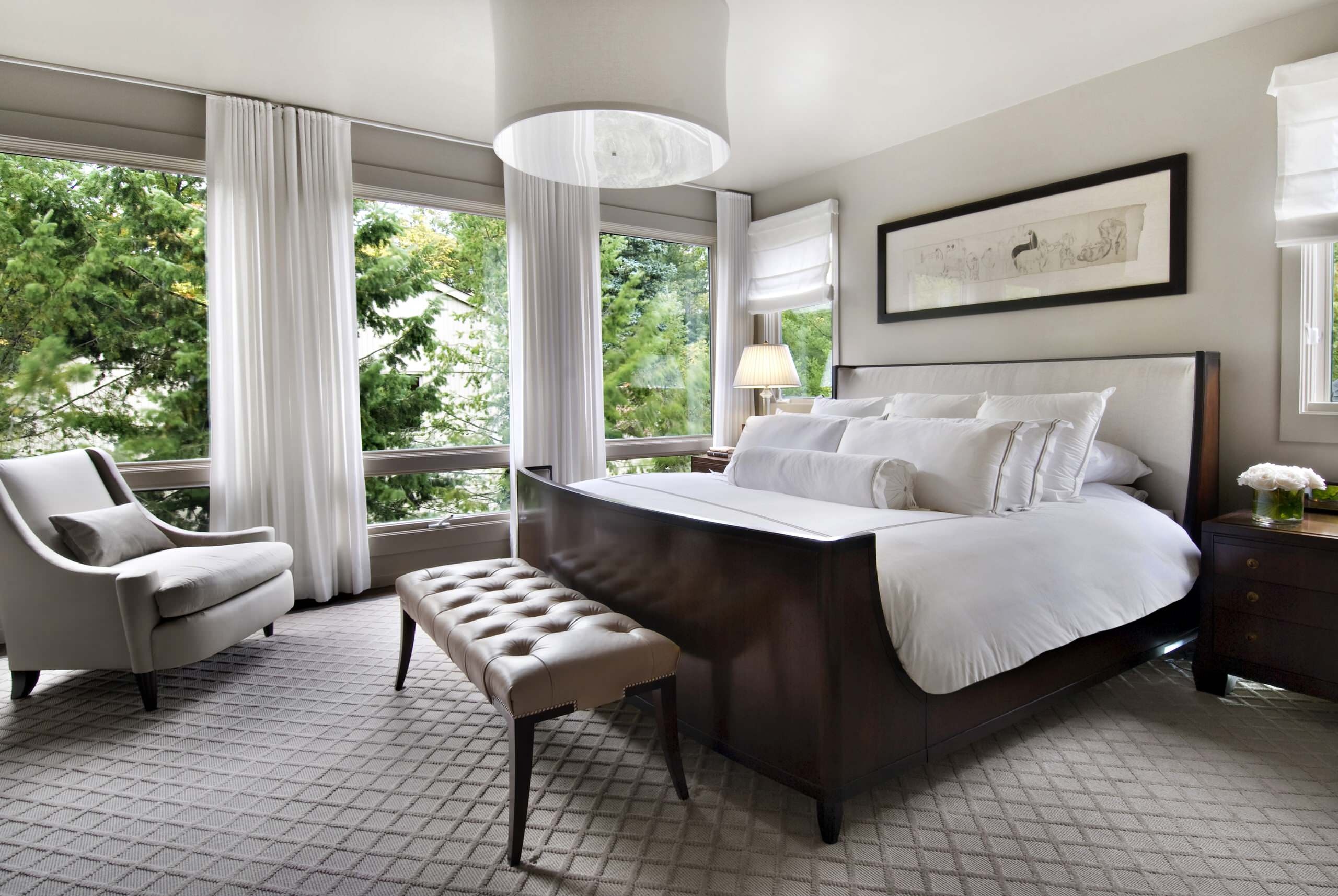
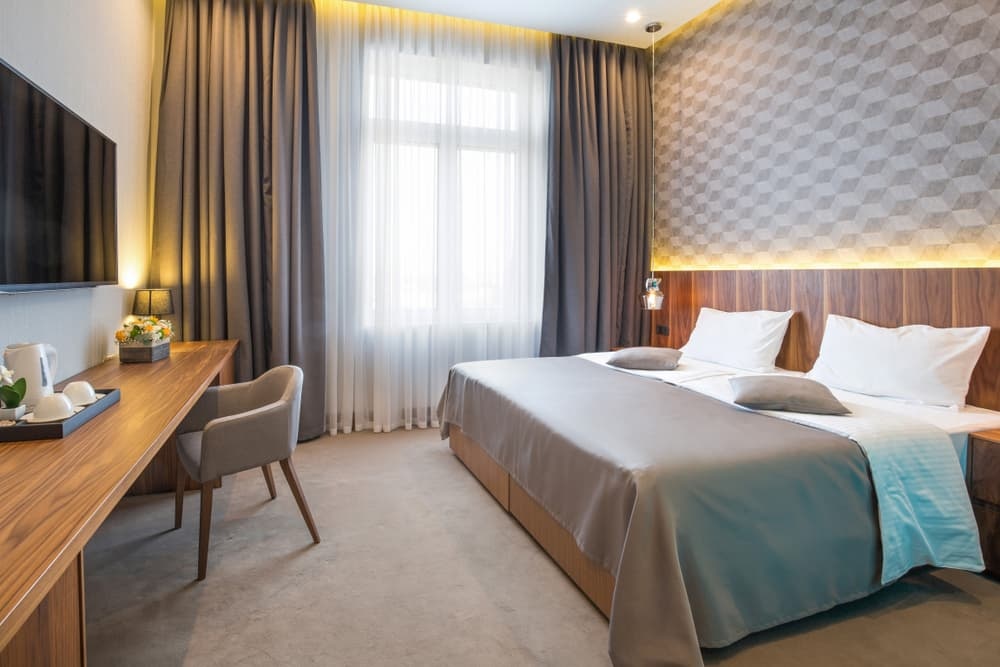
Hotel furniture quality should be carefully evaluated before acceptance to ensure every item meets required standards for materials, structure, finishing, functionality, safety, and durability while preventing defects from affecting the hotel's operations. In this article, Ngoc Hoang Anh highlights key criteria for evaluating hotel furniture quality before acceptance.
1. Checking the quality of hotel furniture materials
Material quality is one of the most important criteria when evaluating hotel furniture before acceptance, as the selected materials directly affect durability, appearance, safety, and long-term performance while ensuring that finished products match the approved specifications and project requirements.
1.1 Comparing materials with approved samples
The actual materials used in hotel furniture should be compared with approved samples, drawings, and project specifications to verify that the color, thickness, texture, surface finish, and material composition are consistent with what was agreed, helping prevent unauthorized substitutions that may reduce product quality or affect the overall interior design.
1.2 Checking material types and specifications
Inspectors should verify whether wood, plywood, MDF, metal, glass, fabric, hardware, and other components meet the specified types, dimensions, grades, and technical requirements, ensuring that each furniture item uses the correct materials and provides the expected level of strength, stability, appearance, and service performance.
1.3 Evaluating durability for hotel operations
Hotel furniture should be assessed for its ability to withstand frequent use, cleaning, movement, and daily operational conditions, with attention to material resistance against scratches, moisture, impact, and surface deterioration, helping ensure that furniture can maintain its functional and aesthetic quality throughout long-term hotel operations.
2. Evaluating hotel furniture structure and stability
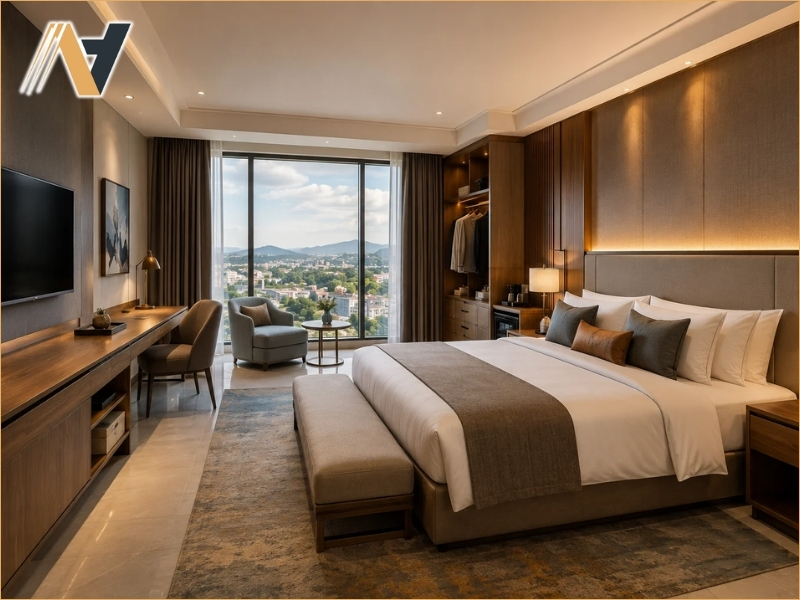
Structural quality is a critical criterion when evaluating hotel furniture before acceptance, as strong construction and secure connections help ensure that furniture remains stable, safe, and functional under frequent use while reducing the risk of damage or premature deterioration during hotel operations.
2.1 Checking frames and structural connections
Furniture frames, joints, screws, brackets, hinges, and other connection points should be carefully inspected to ensure they are securely assembled without looseness, gaps, deformation, or visible defects, helping confirm that each product has sufficient structural strength and can remain stable during regular hotel use.
2.2 Evaluating load-bearing capacity
Key furniture items such as beds, wardrobes, tables, chairs, luggage benches, and storage cabinets should be checked for their ability to withstand the expected loads during daily use, ensuring that the construction, supporting components, and connection points can perform safely without excessive movement, bending, or deformation.
2.3 Inspecting furniture stability after installation
After installation, each furniture item should be checked for balance, alignment, movement, and contact with the floor or supporting surface, while wall-mounted or fixed products should be inspected at their anchoring points to ensure secure installation and minimize safety risks throughout the hotel's operation.
3. Inspecting surface finishing and overall craftsmanship
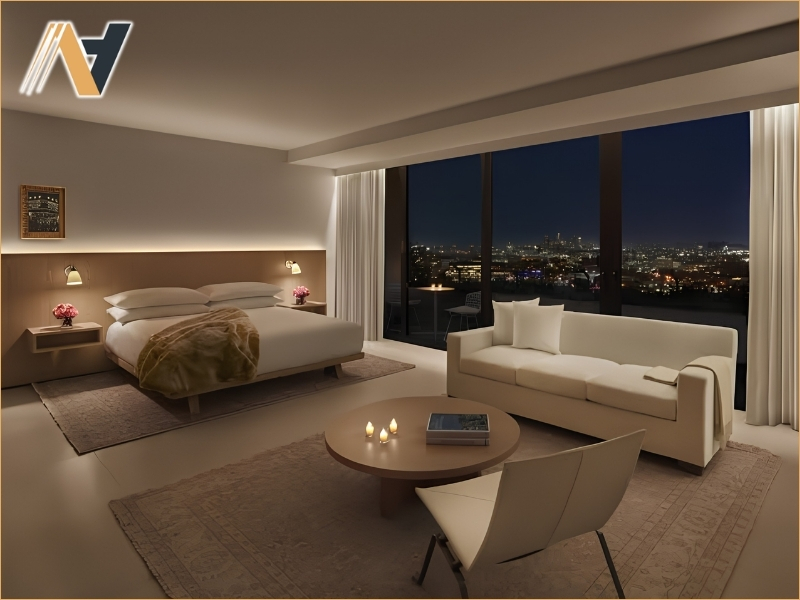
Surface finishing is one of the most visible criteria when evaluating hotel furniture before acceptance, as imperfections in color, texture, coating, edges, or craftsmanship can significantly affect the appearance of the interior and indicate problems in manufacturing quality or final finishing.
3.1 Checking surface flatness and uniformity
Furniture surfaces should be inspected for flatness, smoothness, consistent thickness, and uniform finishing, with particular attention to scratches, dents, bubbles, cracks, uneven surfaces, or other visible defects that could affect both the appearance and practical performance of the finished products.
3.2 Evaluating colors, textures, and finishes
Colors, wood grains, patterns, coatings, and surface textures should be compared with approved samples to ensure consistency between furniture items and the overall interior concept, while differences in tone, gloss, texture, or finishing quality should be identified and corrected before final acceptance.
3.3 Inspecting edges, corners, and detailed craftsmanship
Edges, corners, joints, handles, decorative details, and other finishing points should be carefully examined to ensure they are clean, precise, smooth, and properly processed, reducing the risk of sharp edges, peeling surfaces, exposed materials, or other defects that could affect safety and long-term usability.
4. Assessing dimensions, functionality, and usability
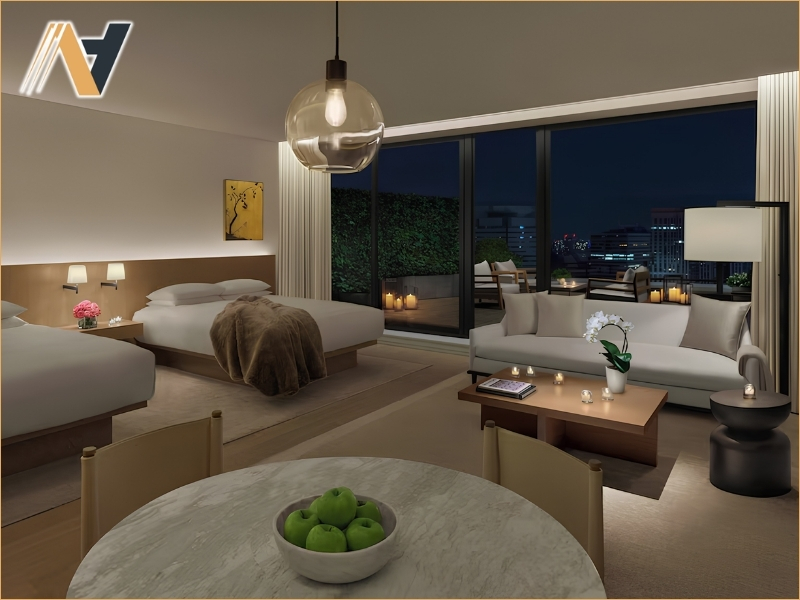
Dimensions and functionality should be carefully checked before hotel furniture acceptance to ensure every product matches approved drawings, fits the designated space, operates correctly, and provides safe, convenient use for guests and hotel staff throughout daily operations.
4.1 Comparing dimensions with approved drawings
The actual dimensions of beds, wardrobes, desks, cabinets, tables, chairs, and other furniture should be measured and compared with approved technical drawings to ensure that products fit the allocated spaces, maintain proper circulation, and avoid conflicts with doors, walls, lighting fixtures, electrical outlets, or other interior elements.
4.2 Testing furniture functions and moving parts
All functional components such as drawers, doors, hinges, sliding mechanisms, adjustable parts, locks, and storage systems should be tested before acceptance to confirm smooth and reliable operation, while any unusual noise, resistance, misalignment, loose hardware, or malfunction should be identified and corrected before handover.
4.3 Evaluating convenience and safety during use
Furniture should be assessed from the perspective of actual hotel users, including accessibility, ergonomics, clearance, stability, and ease of operation, ensuring that guests can use each item comfortably and safely while hotel staff can efficiently perform cleaning, maintenance, room preparation, and daily operational tasks.
5. Checking hotel furniture consistency and installation quality
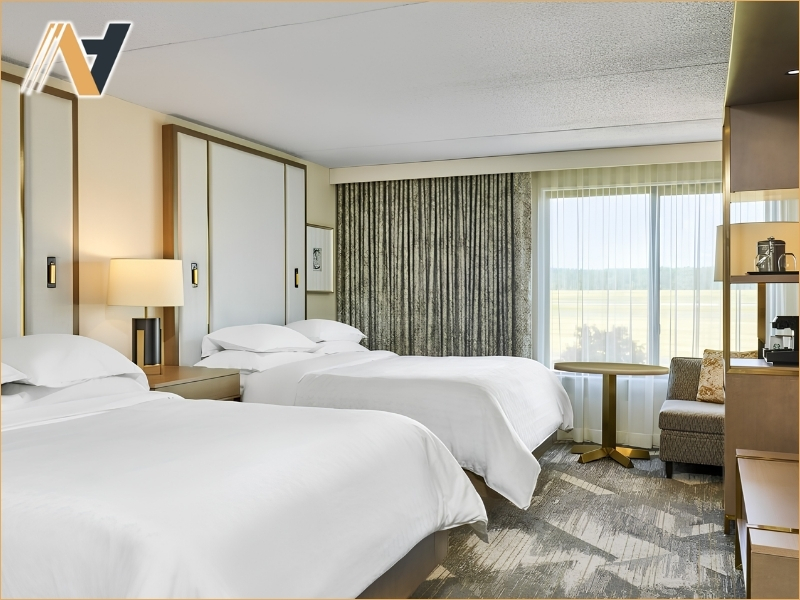
Furniture consistency and installation quality should be carefully evaluated before acceptance to ensure all items are correctly positioned, properly assembled, visually coordinated, and aligned with approved designs, creating a complete interior that meets both aesthetic expectations and practical hotel operating requirements.
5.1 Checking consistency across furniture items
Furniture should be inspected for consistency in dimensions, colors, materials, finishes, hardware, and design details across rooms and functional areas, ensuring that products from different production batches still maintain a unified appearance and support the hotel's overall interior concept and brand identity.
5.2 Evaluating installation accuracy
The installation process should be checked for accurate positioning, alignment, spacing, levelness, and secure fixing according to approved drawings and site requirements, with particular attention to wardrobes, wall-mounted cabinets, headboards, desks, and other fixed furniture that directly affects the finished appearance.
5.3 Inspecting cleaning and final finishing before handover
Before final acceptance, all furniture should be cleaned and inspected for dust, adhesive residue, protective film, scratches, installation marks, loose components, and other minor defects, ensuring that every item is presented in a complete and ready-to-use condition when the hotel officially receives the project.
Conclusion
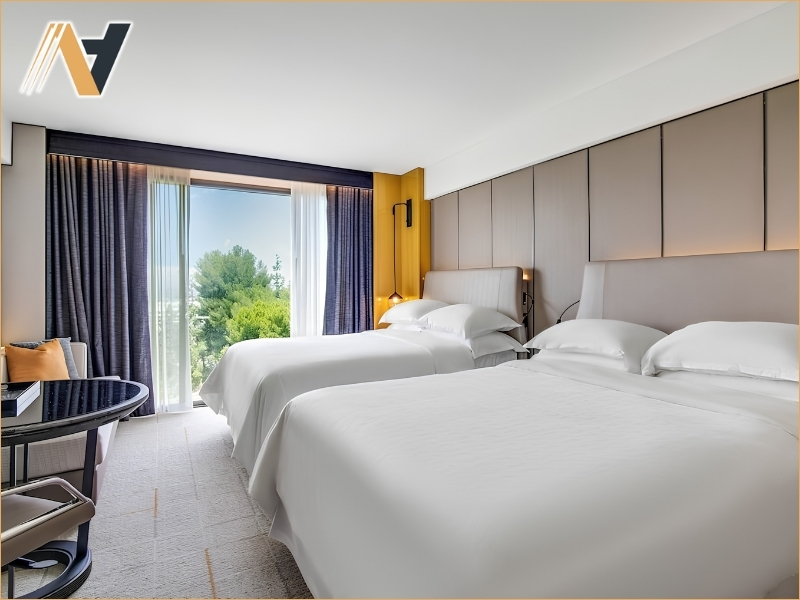
Evaluating hotel furniture quality before acceptance helps ensure that every item meets the required standards for materials, structure, finishing, dimensions, functionality, safety, and installation accuracy. A thorough inspection also allows defects to be identified and corrected before handover, reducing future maintenance issues and protecting the hotel's investment.
For hotels seeking reliable, durable, and professionally crafted solutions, Ngoc Hoang Anh offers premium Vietnam hotel furniture tailored to meet specific design concepts, functional requirements, and hospitality project standards.
Contact us today for expert consultation and bespoke hotel furniture manufacturing solutions.
-----
NGOC HOANG ANH TRADING COMPANY LIMITED
Tax Code: 3702874413
Address: No. 288/28/10 Huynh Van Luy Street, Zone 7, Phu Loi Ward, Ho Chi Minh City, Vietnam
Warehouse: No. 1/91, Thuan Giao 02 Street, Binh Thuan 2 Residential Quarter, Thuan Giao Ward, Ho Chi Minh City, Vietnam
Phone/Whatsapp/Wechat: +84342076666
Email: info@ngochoanganh.com.vn