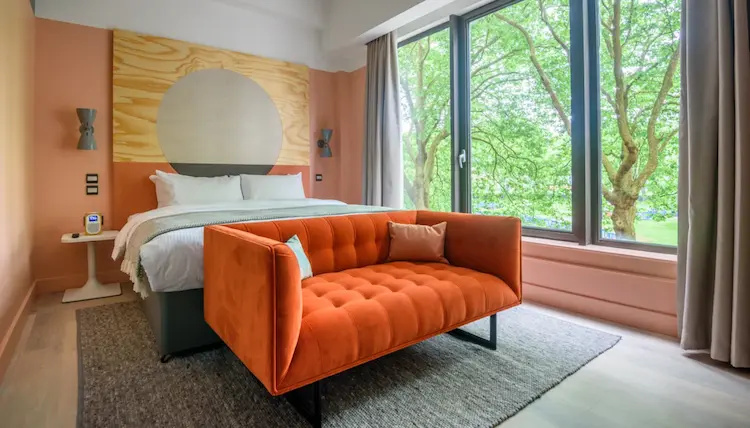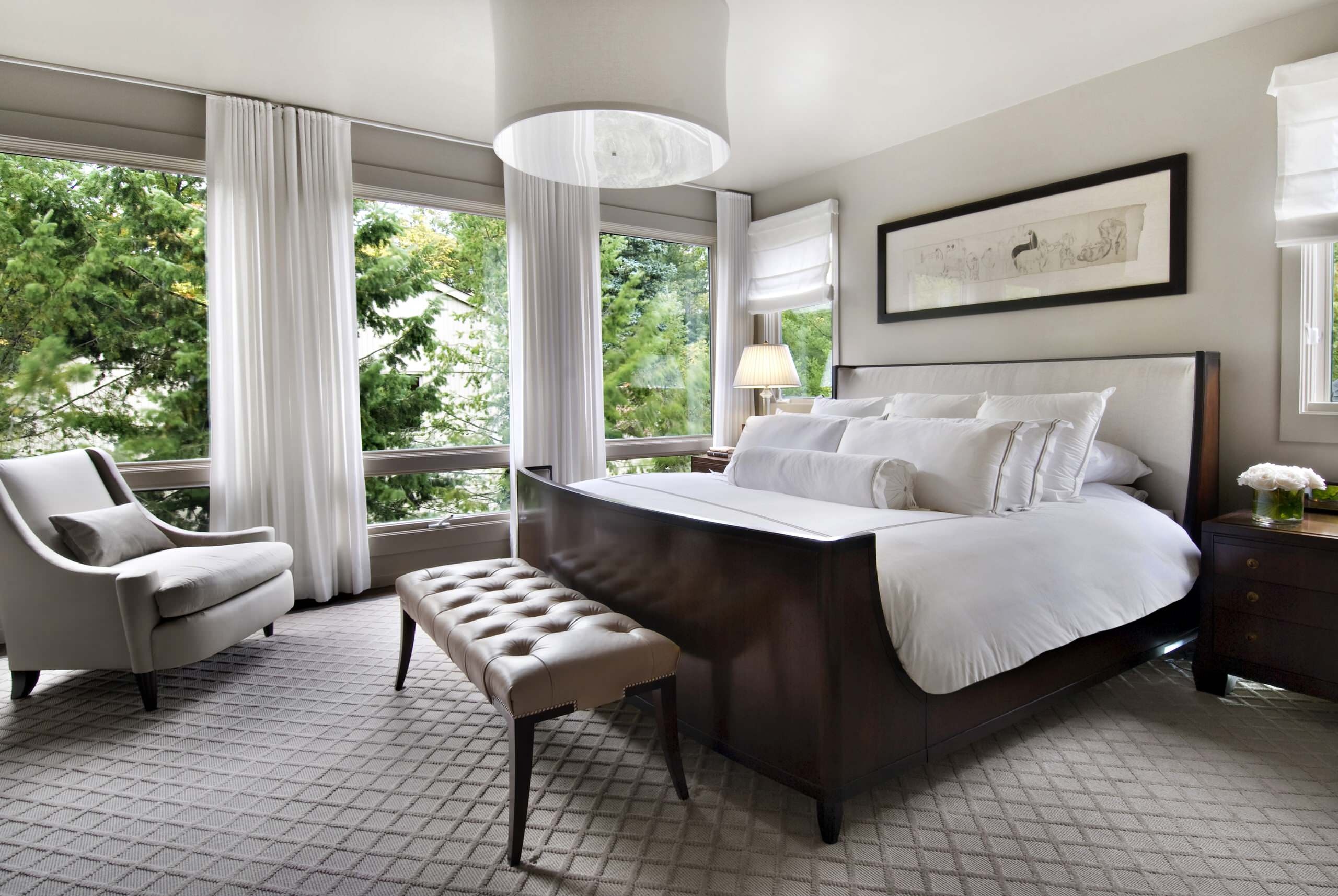
Common Mistakes When Designing Minibars for Small Hotel Rooms
Thứ 2, 09/03/2026
Administrator
265
Minibars are a standard feature in many hotel guestrooms, offering convenience and added service value for guests. However, in small rooms, designing a minibar requires careful consideration of space, ventilation, and furniture integration. Without proper planning, minibar units can easily create functional problems or disrupt the room layout. In this article, Ngoc Hoang Anh explores the most common mistakes when designing minibars for compact hotel rooms.
1. Poor Space Planning Around the Minibar
In small hotel guestrooms, space planning plays a crucial role in maintaining both comfort and functionality. If the minibar is not positioned carefully, it can disrupt circulation paths and reduce the usability of surrounding furniture. A well-designed minibar should integrate smoothly with the room layout without making the space feel crowded or restrictive.
1.1 Blocking circulation pathways
When the minibar is installed in narrow walkways or near the entrance, it may interfere with the natural movement of guests. This can make the room feel cramped and less comfortable to navigate.
1.2 Oversized minibar cabinets
Using a cabinet that is too large for the available space can quickly overwhelm a small guestroom. Compact and proportionate designs help maintain spatial balance while still providing necessary minibar functions.
1.3 Interfering with other furniture functions
Poor placement may cause conflicts with nearby furniture such as wardrobes, work desks, or luggage benches. Proper planning ensures that each furniture element can function without obstruction.
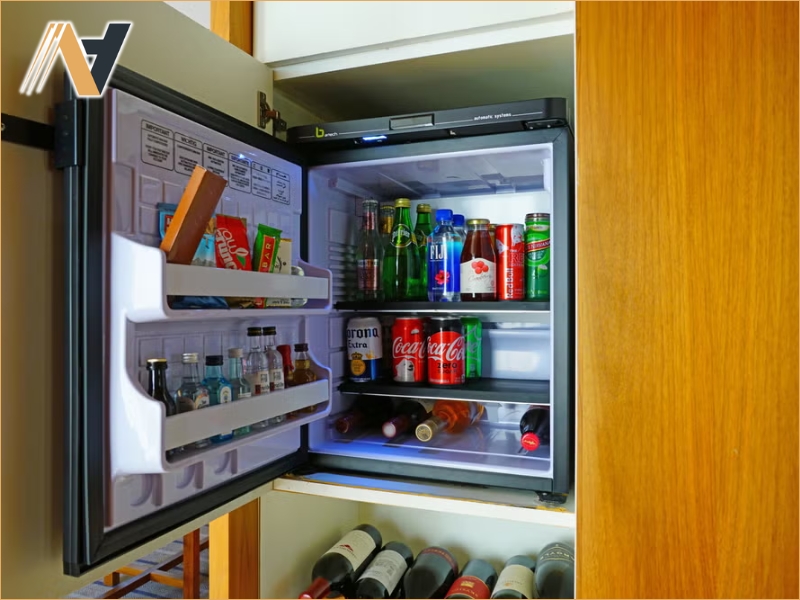
2. Insufficient Ventilation for the Minibar Refrigerator
One of the most common mistakes when designing minibar furniture is overlooking proper ventilation for the mini refrigerator. Refrigeration units generate heat during operation, and without adequate airflow, the equipment may struggle to maintain stable performance. In small hotel rooms, ensuring proper ventilation is essential for both efficiency and long-term durability.
2.1 Lack of ventilation openings
Minibar cabinets must include ventilation slots or openings that allow warm air to escape. Without these openings, heat can accumulate inside the cabinet and reduce the refrigerator’s cooling efficiency.
2.2 Incorrect placement against walls
Installing the minibar cabinet tightly against walls without leaving airflow clearance may restrict ventilation. Providing small gaps around the unit helps improve heat dissipation.
2.3 Reduced lifespan of refrigeration equipment
When ventilation is inadequate, the refrigerator must work harder to maintain cooling temperatures. Over time, this additional strain can shorten the operational lifespan of the appliance.
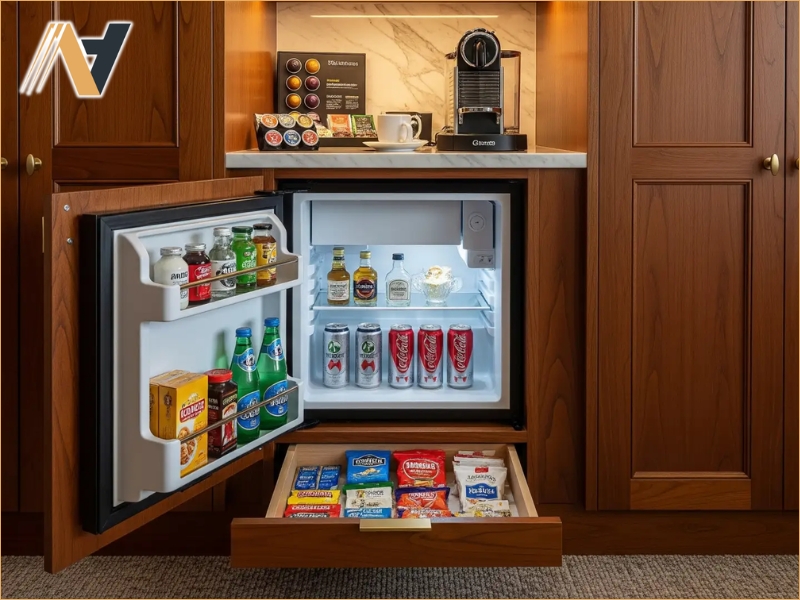
3. Inefficient Storage Organization
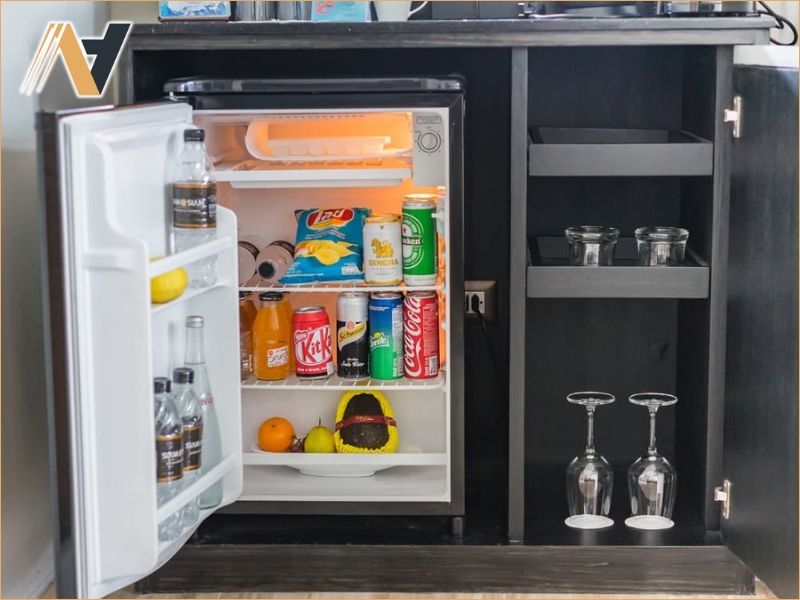
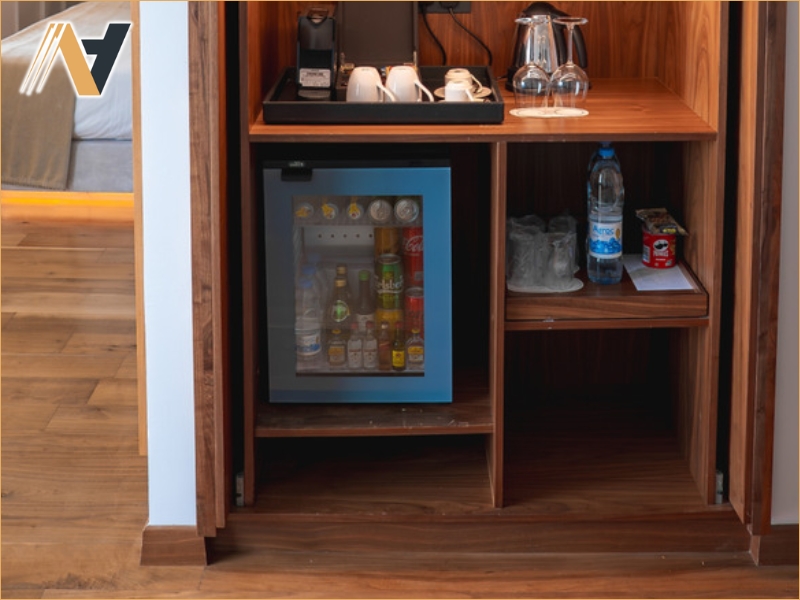
In compact hotel rooms, minibar furniture must use space efficiently while still accommodating essential items such as beverages, snacks, cups, and small appliances. Poor internal organization can make the minibar inconvenient for both guests and housekeeping staff. A well-structured layout helps maximize usability without increasing the overall cabinet size.
3.1 Limited space for beverages and snacks
Some minibar cabinets provide insufficient storage space for standard hotel items. Without properly sized compartments, it becomes difficult to arrange beverages and snacks neatly.
3.2 Poorly designed shelf dimensions
Shelves that are too shallow or too deep may reduce usability. Proper shelf sizing allows items to be stored securely while remaining easy for guests to access.
3.3 Lack of dedicated areas for accessories
Items such as cups, kettles, or trays require designated spaces within the minibar unit. Without clear storage zones, the cabinet can quickly become cluttered and disorganized.
4. Ignoring Electrical and Maintenance Access
Minibar units typically include electrical appliances such as refrigerators or kettles, which require proper power connections and occasional maintenance. If the furniture design does not account for these technical requirements, servicing the equipment can become difficult and time-consuming. Planning accessible electrical points and maintenance space is therefore an important aspect of minibar design.
4.1 Hard-to-reach power outlets
Electrical outlets should be positioned where technicians can easily access them when needed. Outlets that are hidden too deeply behind fixed panels may complicate repairs or replacements.
4.2 Limited access for equipment removal
The minibar cabinet should allow enough clearance for the refrigerator to be removed or replaced when necessary. Designs that tightly enclose the appliance may require dismantling parts of the furniture during maintenance.
4.3 Unorganized internal wiring
Messy or poorly arranged wiring inside the cabinet can make maintenance difficult and increase the risk of electrical issues. Organized cable routing helps keep the system safe and easy to service.
.jpg)
5. Overlooking Aesthetic Integration with the Room
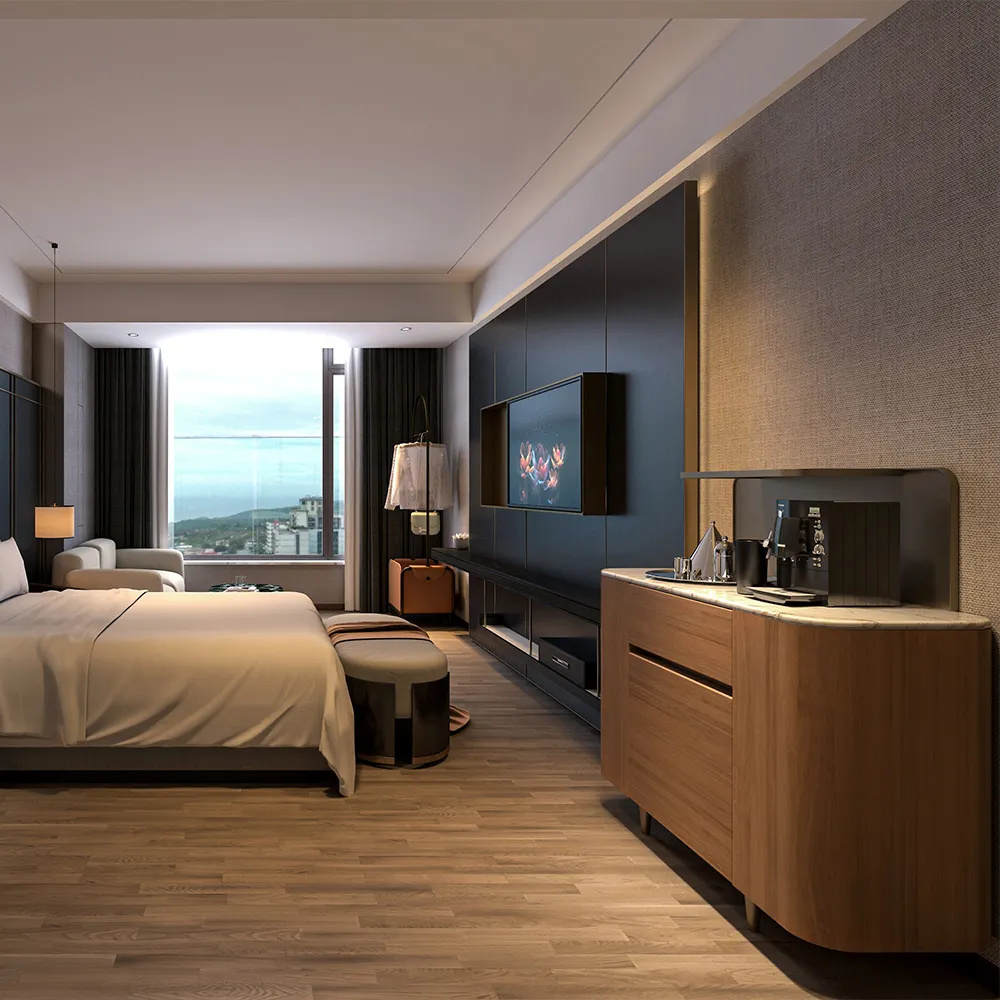
Although minibars are primarily functional elements, their design should still align with the overall interior concept of the guestroom. In small spaces especially, a poorly integrated minibar can disrupt the visual balance and make the room feel cluttered. Ensuring aesthetic consistency helps the minibar blend naturally with other furniture pieces.
5.1 Creating visual imbalance in compact spaces
If the minibar cabinet is too large or visually heavy, it may dominate the room and make the space feel smaller. Balanced proportions help maintain a harmonious interior layout.
5.2 Mismatched materials and finishes
The minibar should use materials and finishes that complement other furniture elements such as wardrobes, desks, or headboards. Consistency in color and texture helps create a unified design.
5.3 Excessive decorative details
In small guestrooms, overly decorative designs may create visual clutter. Simpler and cleaner furniture forms are often more suitable for compact hospitality spaces.
Conclusion
Designing minibars for small hotel rooms requires careful balance between functionality, space efficiency, and visual harmony. When space planning, ventilation, storage organization, and maintenance access are properly considered, minibar units can integrate smoothly into compact guestrooms without disrupting the overall layout. Avoiding common design mistakes also helps improve usability for guests while supporting efficient hotel operations.
From a manufacturing perspective, well-designed minibar furniture should combine durable materials, practical internal organization, and thoughtful integration with electrical appliances. These details ensure long-term performance while maintaining a clean and refined appearance within the room.
For hospitality projects seeking reliable and well-crafted solutions, Ngoc Hoang Anh provides premium Vietnam hotel furniture designed to support both functionality and modern hotel interiors. Contact us today for expert consultation and bespoke furniture manufacturing tailored to hospitality environments.
-----
NGOC HOANG ANH TRADING COMPANY LIMITED
Tax Code: 3702874413
Address: No. 288/28/10 Huynh Van Luy Street, Zone 7, Phu Loi Ward, Ho Chi Minh City, Vietnam
Warehouse: No. 1/91, Thuan Giao 02 Street, Binh Thuan 2 Residential Quarter, Thuan Giao Ward, Ho Chi Minh City, Vietnam
Phone/Whatsapp/Wechat: +84342076666
Email: info@ngochoanganh.com.vn