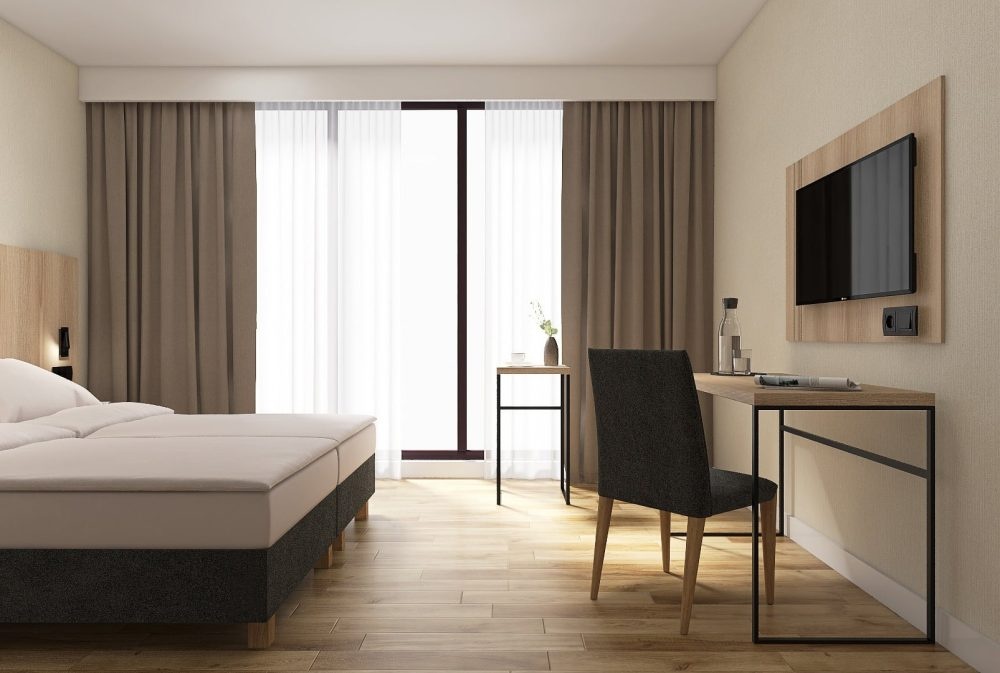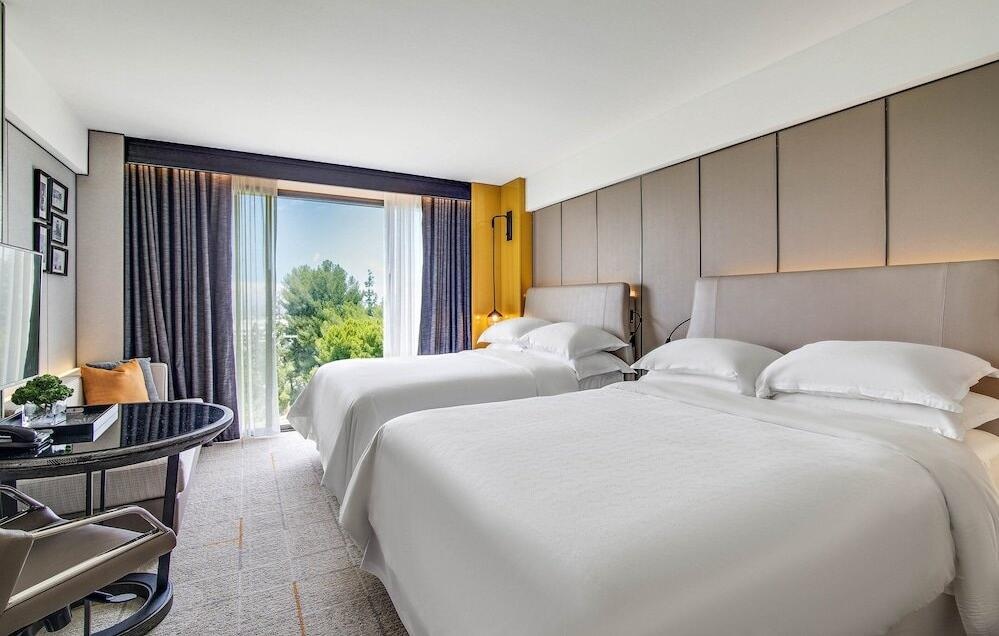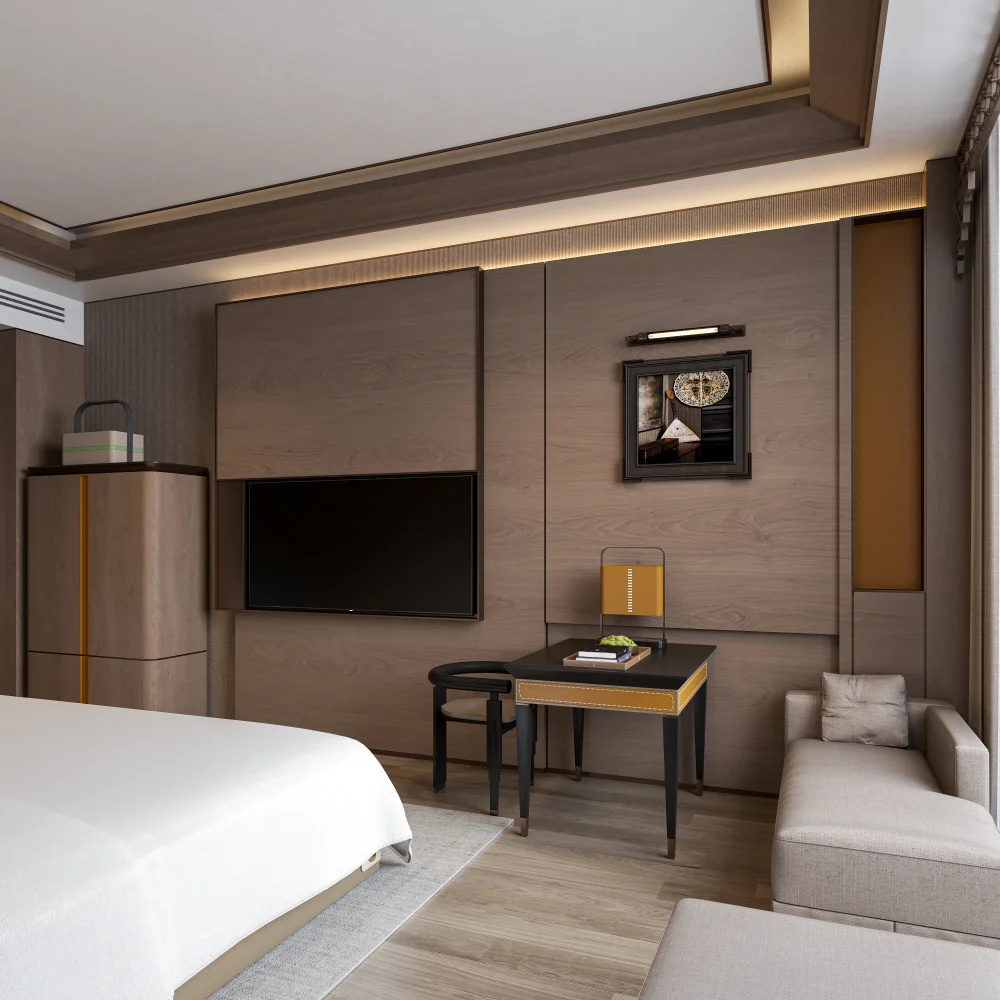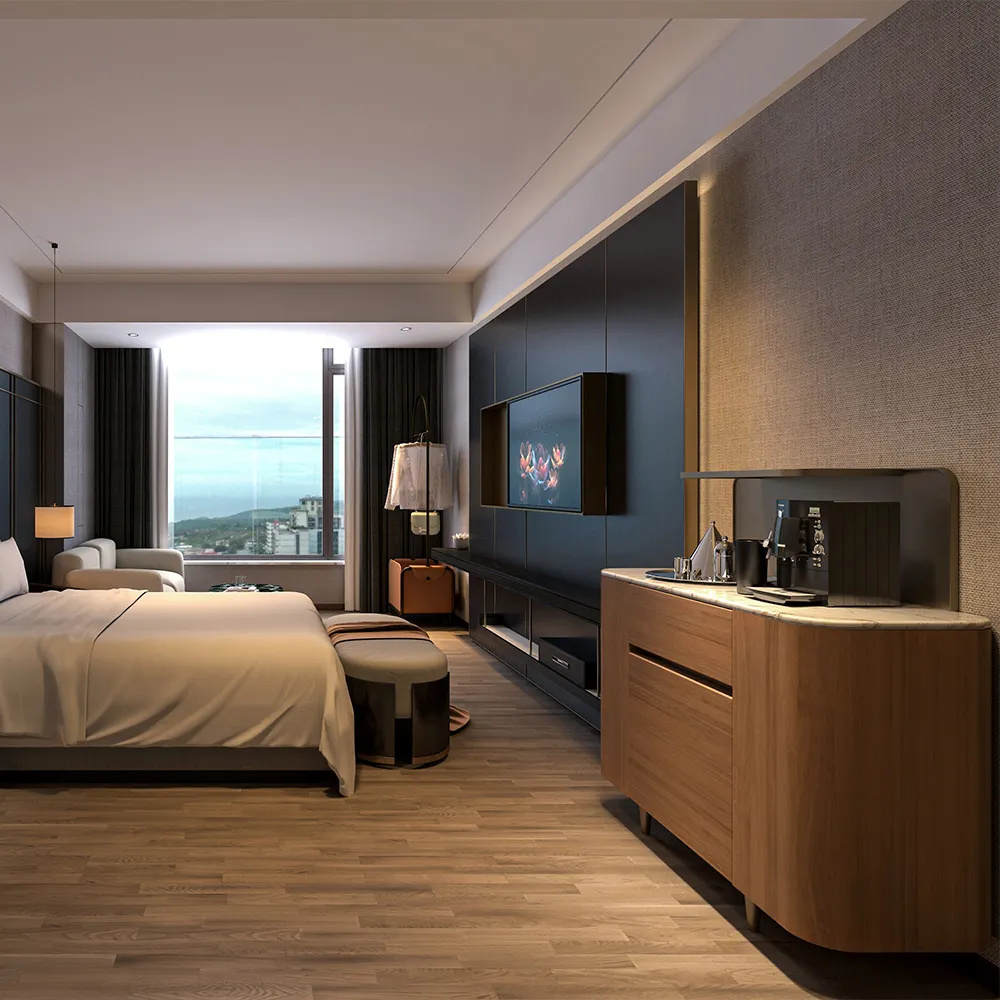
Common Chair Selection Mistakes That Make Hotel Rooms Look Smaller
Thứ 2, 09/03/2026
Administrator
227
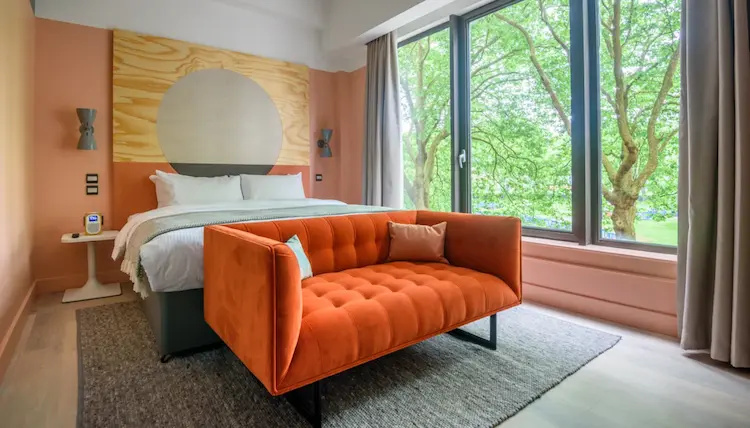
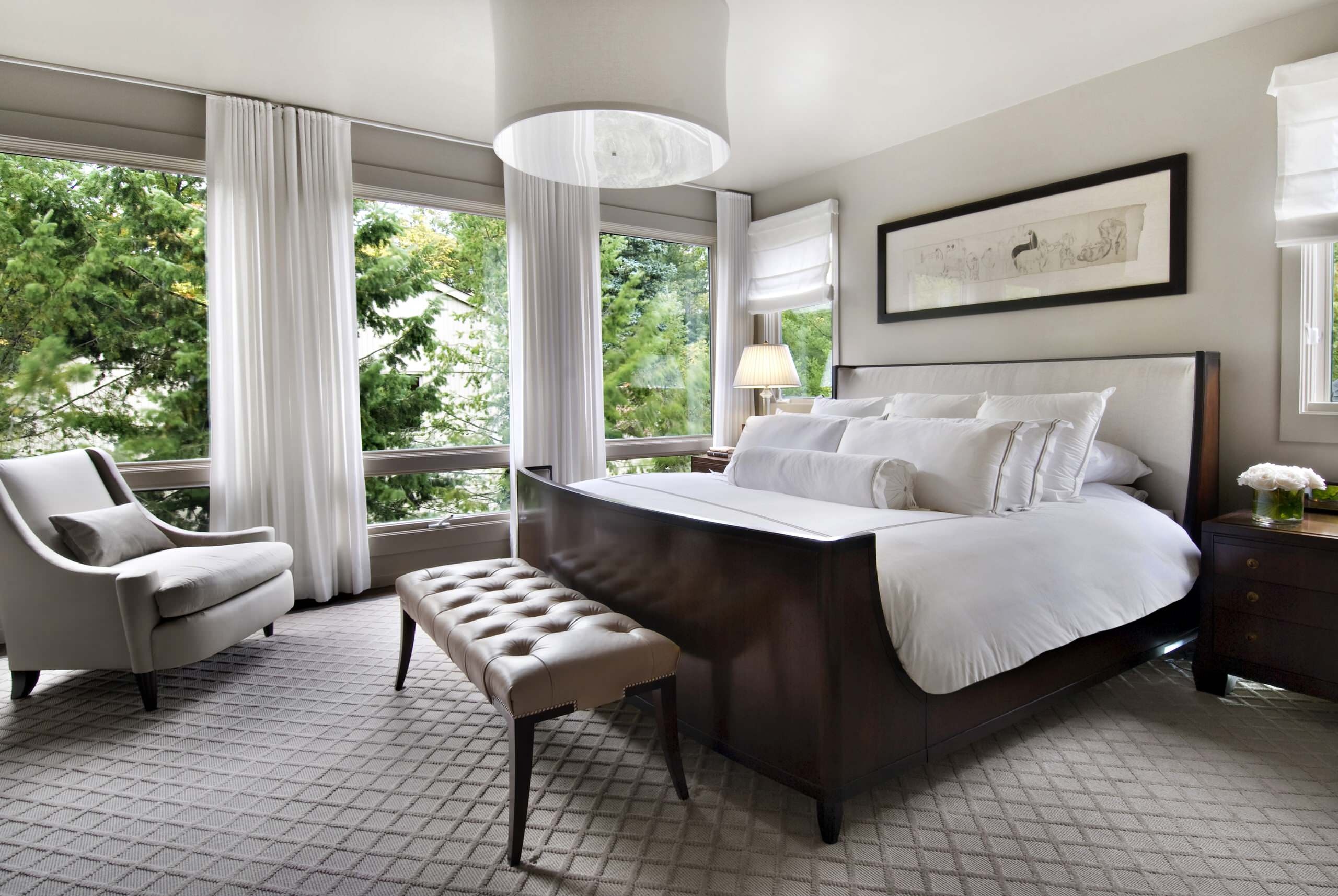
Seating furniture plays an important role in shaping the visual balance of a hotel guestroom. While chairs are necessary for comfort and functionality, the wrong design choice can unintentionally make the space appear smaller than it actually is. Elements such as size, shape, materials, and placement all influence how open or crowded a room feels. In this article, Ngoc Hoang Anh highlights common chair selection mistakes that can make hotel rooms look more cramped.
1. Choosing Chairs That Are Too Large for the Room
In hotel guestrooms, especially those with limited floor area, selecting chairs with oversized dimensions can quickly make the space feel crowded. While large seating may appear comfortable, it can disrupt the balance between furniture pieces and reduce the sense of openness in the room. Careful consideration of chair size is essential to ensure that seating provides comfort without overwhelming the available space.
1.1 Bulky armchairs occupying excessive floor space
Large armchairs with wide seats and thick cushions may take up more floor space than necessary. In compact rooms, this can restrict movement and make the layout feel tighter.
1.2 Thick armrests and heavy frames
Chairs designed with thick armrests or solid frames often appear visually heavy. These elements can make the seating area feel bulkier and reduce the perception of available space.
1.3 Chair dimensions that overwhelm nearby furniture
When the chair is significantly larger than surrounding furniture such as desks or side tables, it can disturb the visual balance of the room. Properly scaled seating helps maintain a harmonious interior layout.
2. Using Heavy or Solid Visual Designs
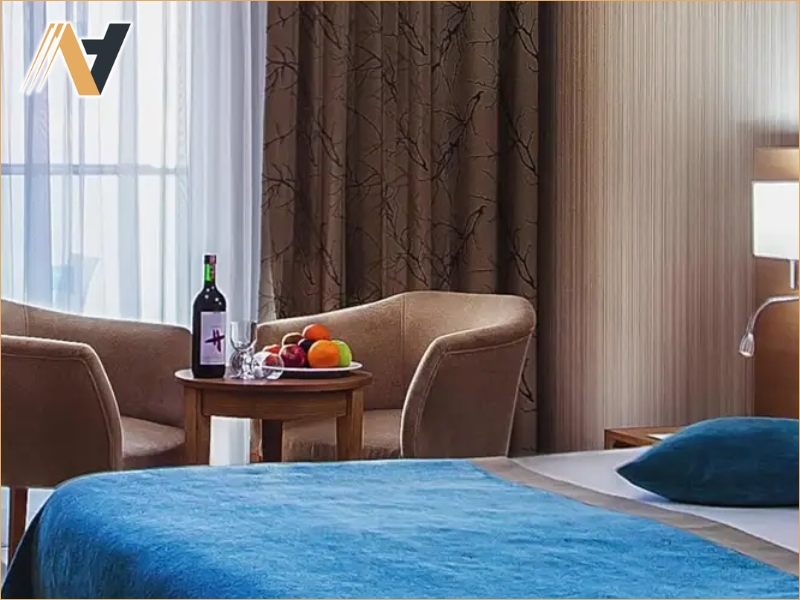
Beyond physical size, the visual weight of a chair can also influence how spacious a room appears. Chairs with dense structures, solid panels, or dark finishes may create a heavier visual presence within the interior. In smaller guestrooms, these elements can reduce the sense of openness and make the space feel more confined.
2.1 Solid panels that block visual openness
Chairs designed with fully enclosed sides or solid back panels may interrupt the visual flow of the room. Open-frame designs usually allow light and sightlines to pass through more easily.
2.2 Dark or dense upholstery that feels visually heavy
Dark-colored upholstery or thick fabrics can make furniture appear larger and heavier than it actually is. Lighter tones and simpler materials often help maintain a more spacious atmosphere.
2.3 Designs without leg clearance
Chairs that extend fully to the floor without visible legs can appear bulky and grounded. Designs with elevated legs create a lighter visual effect and help the room feel less crowded.
3. Ignoring Proportion Between Chair and Other Furniture
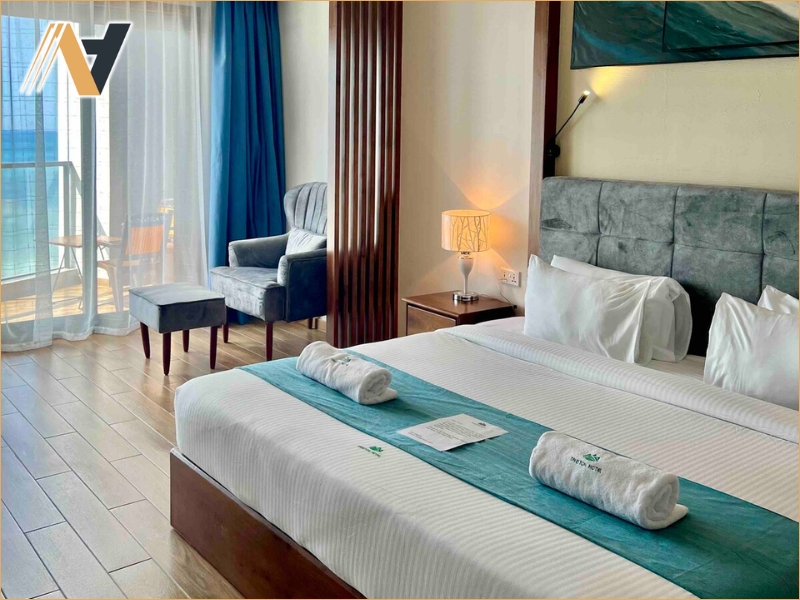
In a hotel guestroom, every furniture piece should be proportionally balanced with the surrounding elements. When chairs are selected without considering their relationship to desks, beds, or side tables, the room may appear visually unbalanced. This mismatch in scale can unintentionally make the space feel more crowded and less organized.
3.1 Chairs higher than nearby tables or desks
If the chair backrest rises significantly higher than the desk or side table next to it, the seating area may look visually dominant. Balanced height proportions help maintain a harmonious layout.
3.2 Seat depth larger than necessary
Chairs with overly deep seats may extend too far into the available space. In smaller rooms, this can reduce circulation space and make the seating area feel tighter.
3.3 Inconsistent furniture scale within the room
When the chair appears noticeably larger or heavier than other furniture pieces, it disrupts the visual rhythm of the interior. Choosing seating that matches the overall scale of the room helps maintain spatial balance.
4. Poor Placement Within the Room Layout
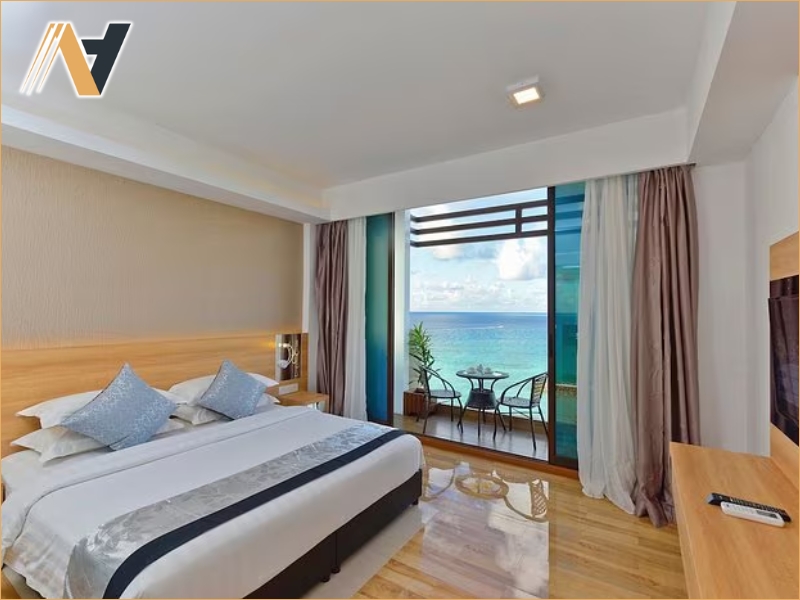
Even a well-designed chair can make a room feel cramped if it is positioned incorrectly within the layout. In hotel guestrooms where space is carefully optimized, the placement of seating must support smooth movement and maintain visual balance. Poor positioning can disrupt circulation paths and make the room appear more crowded than it actually is.
4.1 Blocking natural circulation paths
When chairs are placed along main walkways or near the entrance, they may interfere with the natural movement of guests within the room. This can make the space feel restricted and less comfortable to navigate.
4.2 Placing chairs too close to the bed or desk
If seating is positioned too tightly next to other furniture pieces, the room may appear visually cluttered. Maintaining small but clear spacing between elements helps preserve openness.
4.3 Creating visual clutter in small corners
Placing large chairs in narrow corners can make those areas look overcrowded. Choosing compact seating or repositioning the chair can help maintain a cleaner and more balanced layout.
5. Overlooking Lightweight and Space-Saving Designs
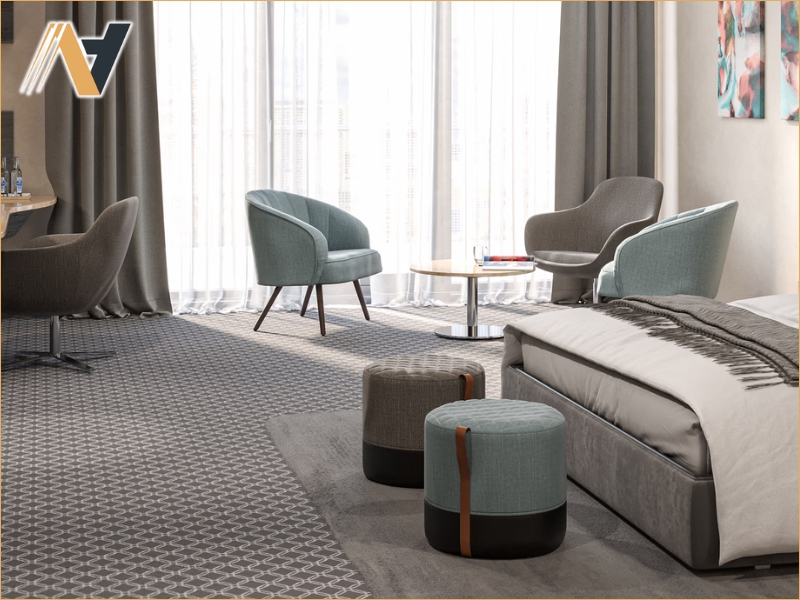
In compact hotel guestrooms, furniture that appears visually light can help maintain a sense of openness. When designers overlook lightweight chair designs, the seating area may unintentionally make the room feel heavier and more crowded. Selecting space-conscious furniture solutions allows seating to remain functional without overwhelming the interior.
5.1 Chairs with elevated legs and open bases
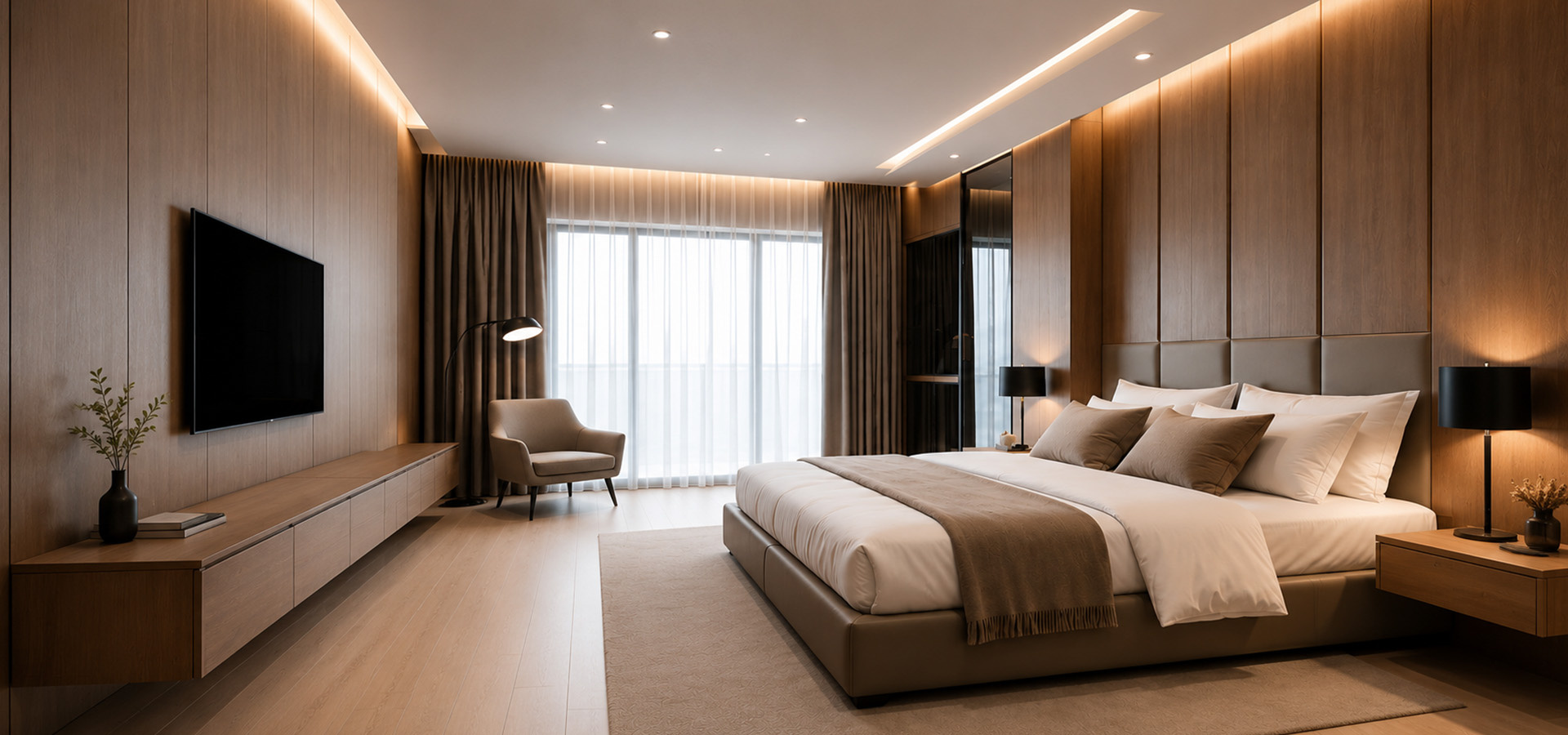
Chairs that stand on slender legs create visible space underneath the seat. This small design detail helps the room feel less dense and improves the perception of openness.
5.2 Compact lounge chairs instead of bulky armchairs
In smaller rooms, compact lounge chairs can provide comfortable seating without occupying excessive floor space. Their reduced size helps maintain better spatial balance.
5.3 Multi-functional seating solutions
Chairs that combine multiple functions, such as seating with integrated storage or flexible placement, can reduce the need for additional furniture. This approach helps keep the room organized and visually spacious.
Conclusion
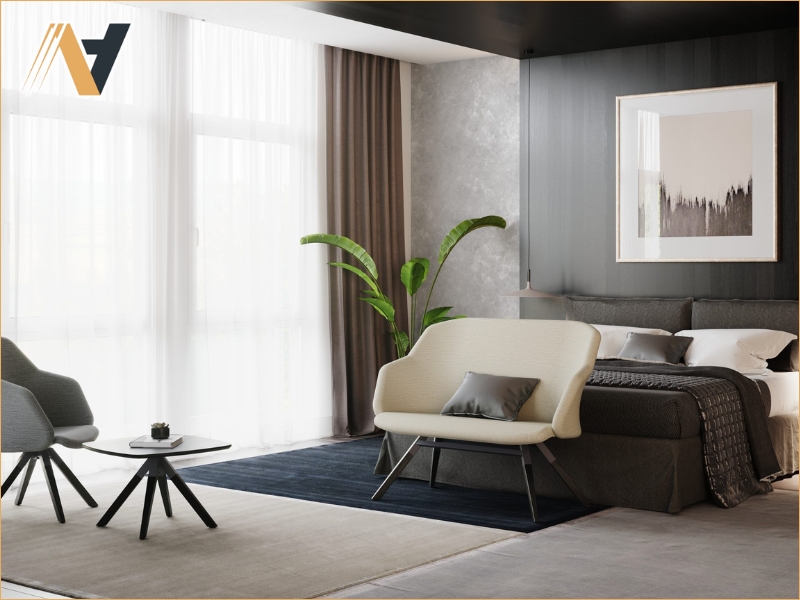
Selecting the right chair for a hotel guestroom involves more than simply choosing a comfortable seat. The size, shape, visual weight, and placement of seating furniture can all influence how spacious the room appears. Oversized chairs, heavy designs, poor proportions, and incorrect placement may unintentionally make even a well-designed room feel smaller than it actually is.
By carefully considering chair dimensions, maintaining visual balance with surrounding furniture, and choosing lightweight designs, designers can preserve both functionality and a sense of openness within the guestroom. Thoughtful seating selection helps create interiors that feel comfortable, organized, and visually balanced.
For hospitality projects seeking well-crafted and thoughtfully designed solutions, Ngoc Hoang Anh provides premium Vietnam hotel furniture tailored to modern hotel interiors. Contact us today for expert consultation and bespoke hospitality furniture manufacturing.
-----
NGOC HOANG ANH TRADING COMPANY LIMITED
Tax Code: 3702874413
Address: No. 288/28/10 Huynh Van Luy Street, Zone 7, Phu Loi Ward, Ho Chi Minh City, Vietnam
Warehouse: No. 1/91, Thuan Giao 02 Street, Binh Thuan 2 Residential Quarter, Thuan Giao Ward, Ho Chi Minh City, Vietnam
Phone/Whatsapp/Wechat: +84342076666
Email: info@ngochoanganh.com.vn