How Interior Layout Impacts Workplace Safety in Hotels
Thứ 3, 27/01/2026
Administrator
503
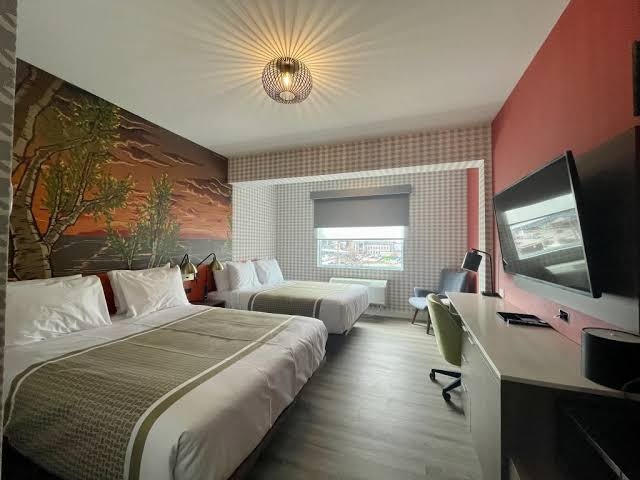
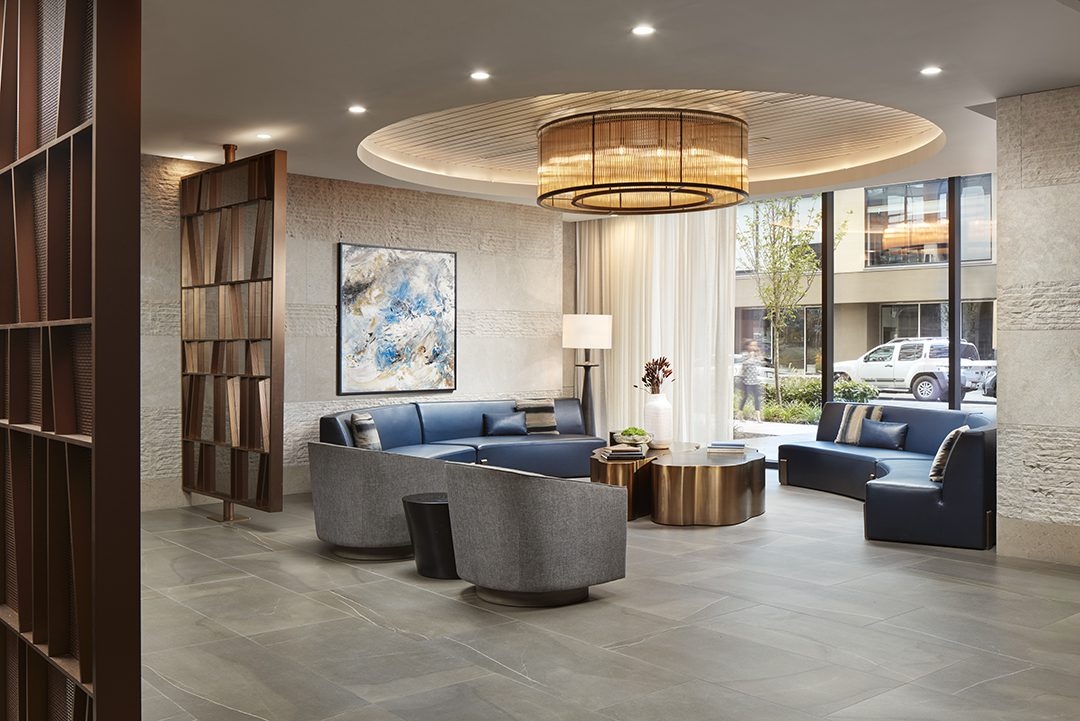
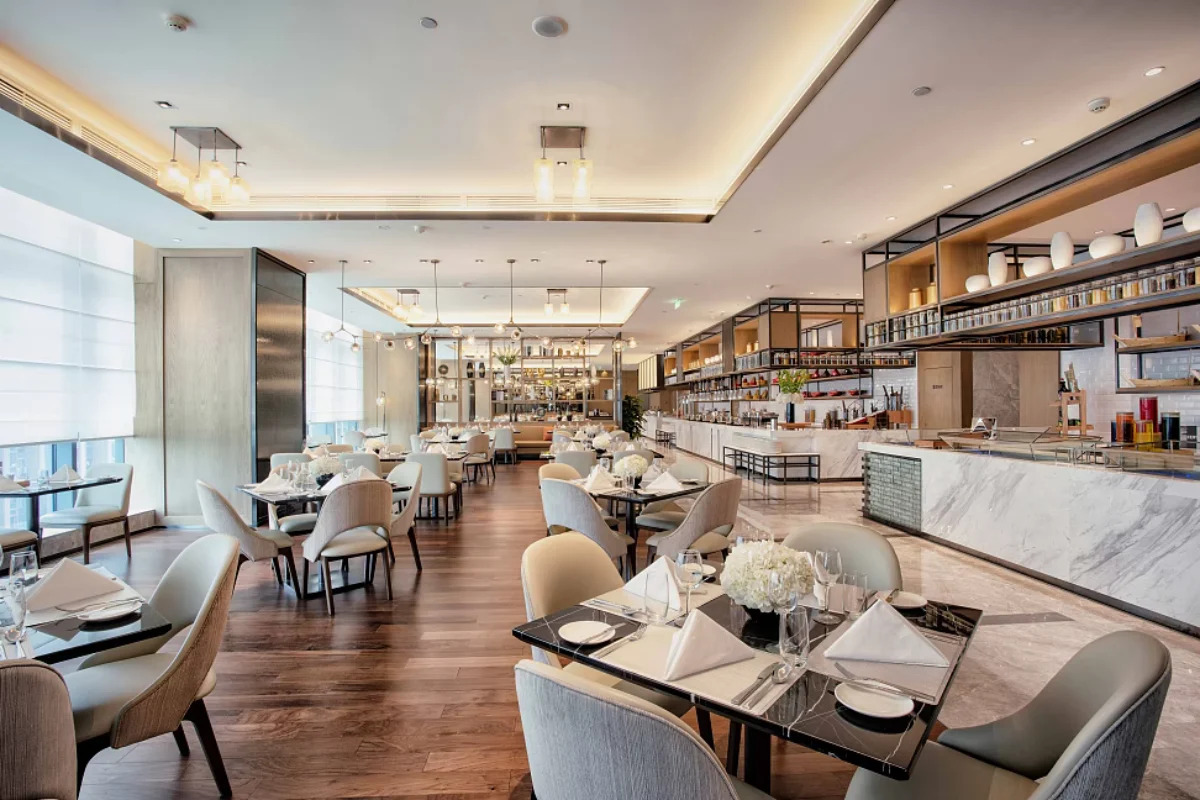
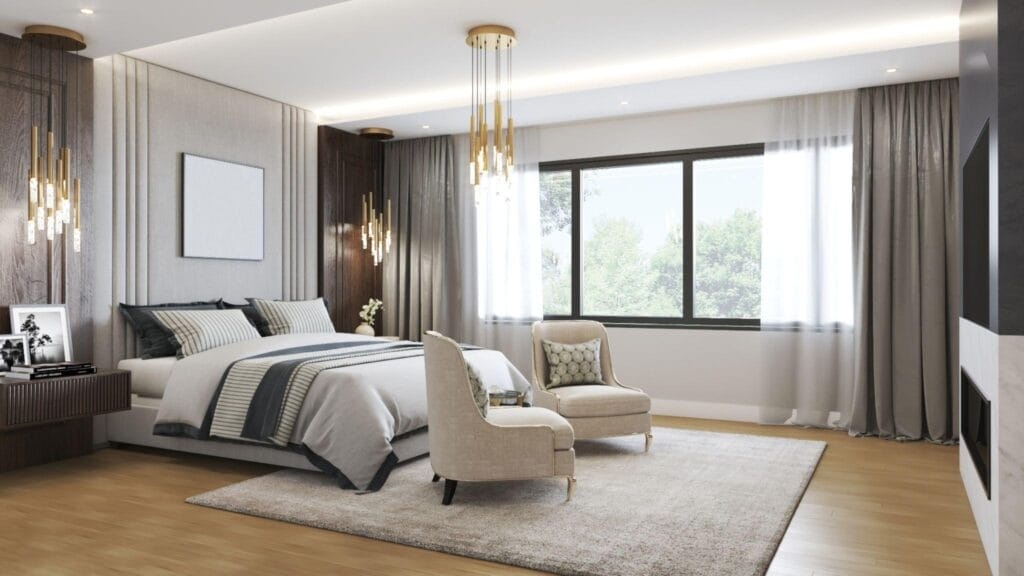
Interior layout in hotels is often discussed from a guest experience perspective, yet its impact on workplace safety is just as significant. From housekeeping routines to food service operations, the way furniture and built-in elements are arranged directly affects staff movement, physical strain, and accident risk. In this article, Ngoc Hoang Anh examines how thoughtful interior planning contributes to safer, more efficient hotel operations.
1. Circulation Planning and Safe Staff Movement
In hotel operations, staff movement is constant and repetitive. From housekeeping carts navigating guestroom floors to service teams moving between back-of-house zones, circulation planning directly influences safety outcomes. When interior layouts fail to anticipate these movement patterns, even well-trained staff are exposed to unnecessary risk.
1.1 Clearance Widths in Guestrooms and Back-of-House Areas
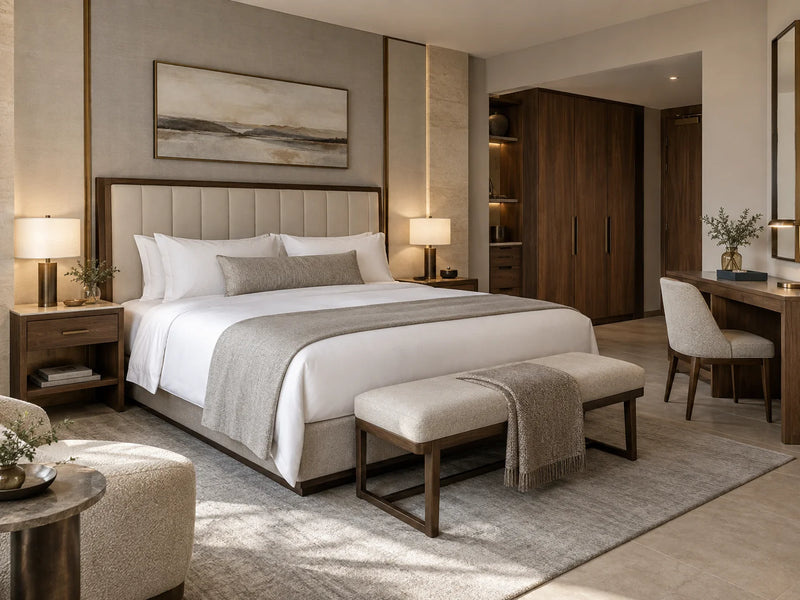
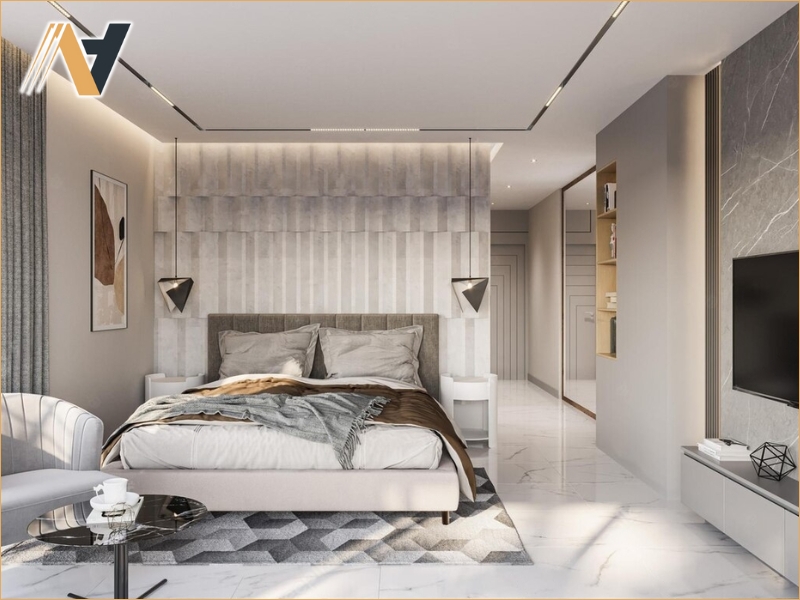
Insufficient clearance around beds, wardrobes, and built-in furniture forces staff to twist, bend, or squeeze through tight spaces. Over time, these repeated movements increase the risk of musculoskeletal strain and accidental impact injuries.
1.2 Furniture Placement Along Primary Movement Paths
Furniture positioned too close to doorways, corridors, or service routes disrupts natural walking lines. Housekeeping carts and service equipment are more likely to collide with fixed furniture, increasing the likelihood of accidents and material damage.
1.3 Avoiding Blind Corners and Obstructed Sightlines
Poorly planned layouts with visual obstructions create blind spots, especially in service corridors and shared operational areas. Limited visibility heightens the risk of collisions between staff members, particularly during peak operation hours.
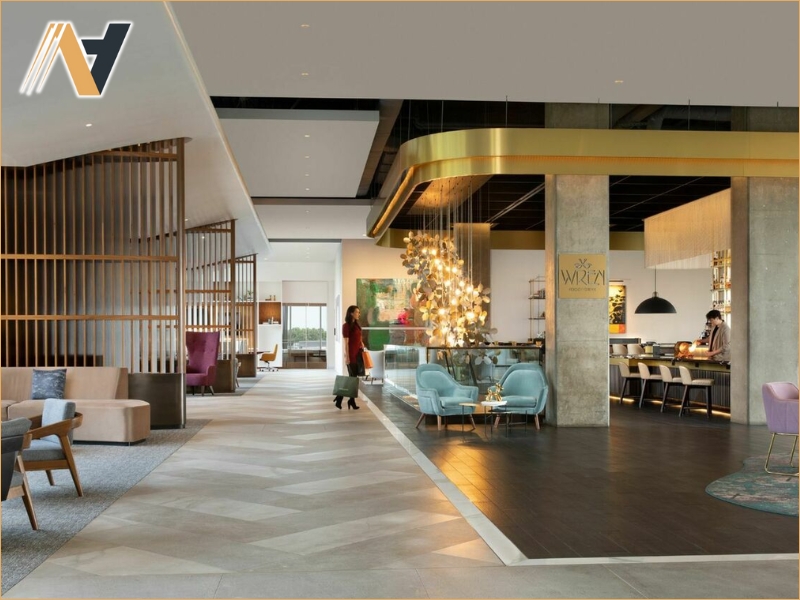
2. Furniture Height and Ergonomic Risk Exposure
Ergonomic risk in hotels often develops gradually through repetitive daily tasks. The height and positioning of furniture play a critical role in how safely staff can perform their duties. When interior elements are not aligned with human movement and reach, physical strain becomes an unavoidable part of routine operations.
2.1 Work Surface Heights for Housekeeping Tasks
Housekeeping staff interact constantly with beds, vanities, and work surfaces. Beds that are too low increase bending and lifting strain, while countertops set at improper heights force awkward postures. Over time, these conditions contribute to fatigue, back injuries, and reduced work efficiency.
2.2 Storage Access That Reduces Overreaching
Storage furniture positioned too high or too deep encourages overreaching and unstable movements. Cabinets and shelves designed without ergonomic reach zones increase the likelihood of shoulder strain and loss of balance, particularly when staff handle linens, amenities, or cleaning supplies.
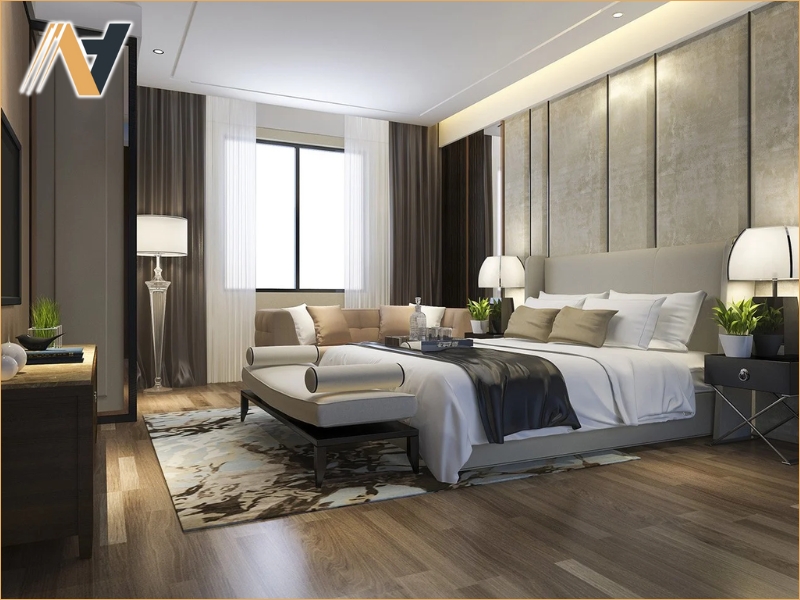
3. Slip, Trip, and Impact Hazards Created by Poor Layout
Many workplace accidents in hotels do not result from equipment failure but from subtle layout decisions. When furniture placement does not align with operational flow, staff are exposed to avoidable slip, trip, and impact hazards during routine tasks.
3.1 Protruding Furniture Edges in Narrow Zones
Furniture with sharp corners or protruding edges placed in tight circulation areas increases the risk of impact injuries. Housekeeping and service staff moving quickly through narrow zones are particularly vulnerable to collisions.
3.2 Unsecured Rugs, Cabinets, and Mobile Elements
Loose rugs, unstable cabinets, or mobile furniture without proper locking mechanisms create unpredictable movement underfoot. These elements significantly raise the likelihood of slips and falls, especially in high-traffic service areas.
3.3 Congested Service Areas During Peak Operation
Layouts that concentrate too many functional elements in limited space lead to congestion during peak hours. Restricted movement combined with time pressure heightens accident risk and reduces overall operational safety.
4. Interior Layout in High-Risk Operational Zones
Not all hotel spaces carry the same level of safety risk. Certain operational zones demand more careful interior planning due to frequent staff movement, equipment handling, and time-sensitive tasks. In these areas, layout decisions directly influence accident prevention and response efficiency.
4.1 Furniture Arrangement in Housekeeping Pantries
Housekeeping pantries require clear circulation and easy access to supplies. Poorly arranged cabinets or carts obstruct movement, increasing collision risks and slowing response during emergencies.
4.2 Corridor Layouts Affecting Emergency Access
Service corridors must remain unobstructed to support evacuation and emergency interventions. Furniture or storage placed too close to walls or exits can delay response time and compromise staff safety.
4.3 Equipment Clearance Around Utility Furniture
Utility zones housing electrical panels, water systems, or cleaning equipment require precise clearance. Insufficient space around these elements exposes staff to electrical, mechanical, and handling hazards during routine maintenance.
5. Designing for Safety Through Manufacturing and Specification
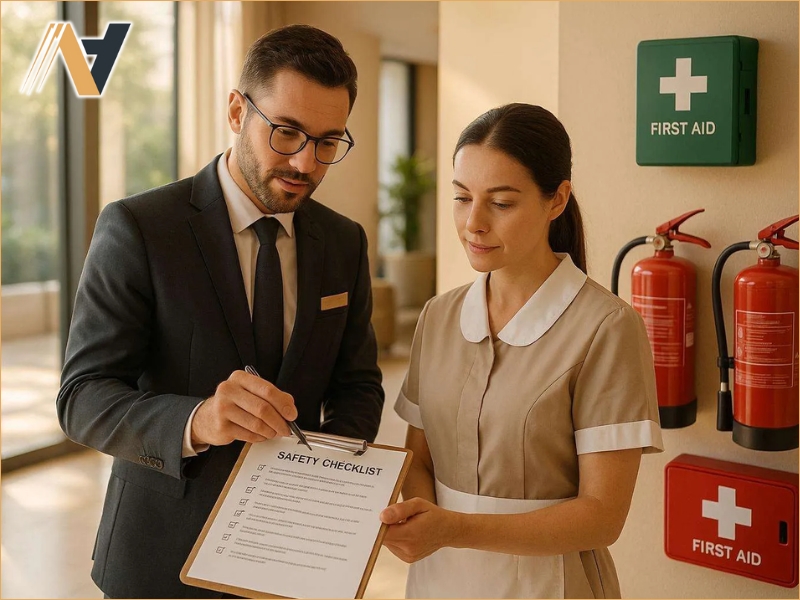
Workplace safety in hotels cannot rely solely on training and procedures. It begins at the design and manufacturing stage, where furniture specifications and layout coordination determine how safely staff interact with interior elements every day. When safety considerations are integrated early, risks are reduced before operations even begin.
5.1 Rounded Edges and Impact-Resistant Construction
Furniture designed with softened edges and reinforced structures minimizes injury severity in the event of accidental contact. This is especially critical in service corridors, pantries, and compact work zones.
5.2 Built-In Furniture That Reduces Movement Hazards
Built-in solutions help eliminate unnecessary furniture movement and reduce clutter. Fixed elements provide predictable circulation paths, lowering the likelihood of trips and collisions during routine operations.
5.3 Layout Coordination Between Design and OEM Production
Close coordination between designers and manufacturers ensures that safety clearances, ergonomic dimensions, and material specifications are accurately executed. This alignment allows safety objectives to be embedded directly into the finished interior rather than addressed as corrective measures later.
Conclusion
Interior layout decisions influence workplace safety in hotels far more than they appear on the surface. From circulation planning and ergonomic furniture heights to the management of high-risk operational zones, thoughtful interior design helps reduce physical strain, prevent accidents, and support smoother daily operations. When safety considerations are integrated at the specification and manufacturing stage, hotels gain environments that protect staff while maintaining design integrity.
With a production-driven approach from Ngoc Hoang Anh, Vietnam hotel furniture OEM solutions are developed to align safety, functionality, and long-term operational performance across hospitality spaces.
-----
NGOC HOANG ANH TRADING COMPANY LIMITED
Tax Code: 3702874413
Address: No. 288/28/10 Huynh Van Luy Street, Zone 7, Phu Loi Ward, Ho Chi Minh City, Vietnam
Warehouse: No. 1/91, Thuan Giao 02 Street, Binh Thuan 2 Residential Quarter, Thuan Giao Ward, Ho Chi Minh City, Vietnam
Phone/Whatsapp/Wechat: +84342076666
Email: info@ngochoanganh.com.vn