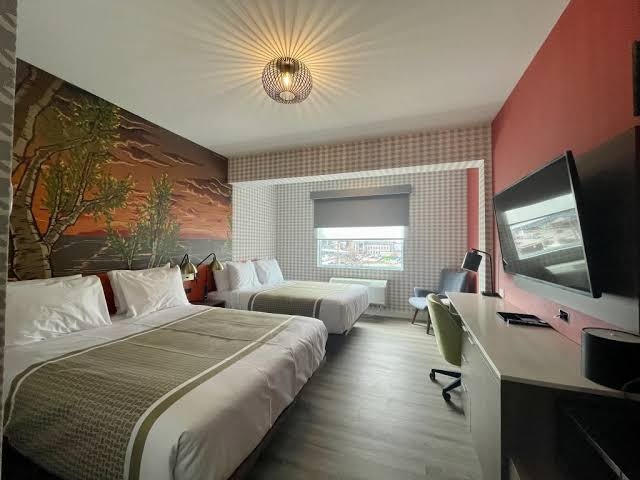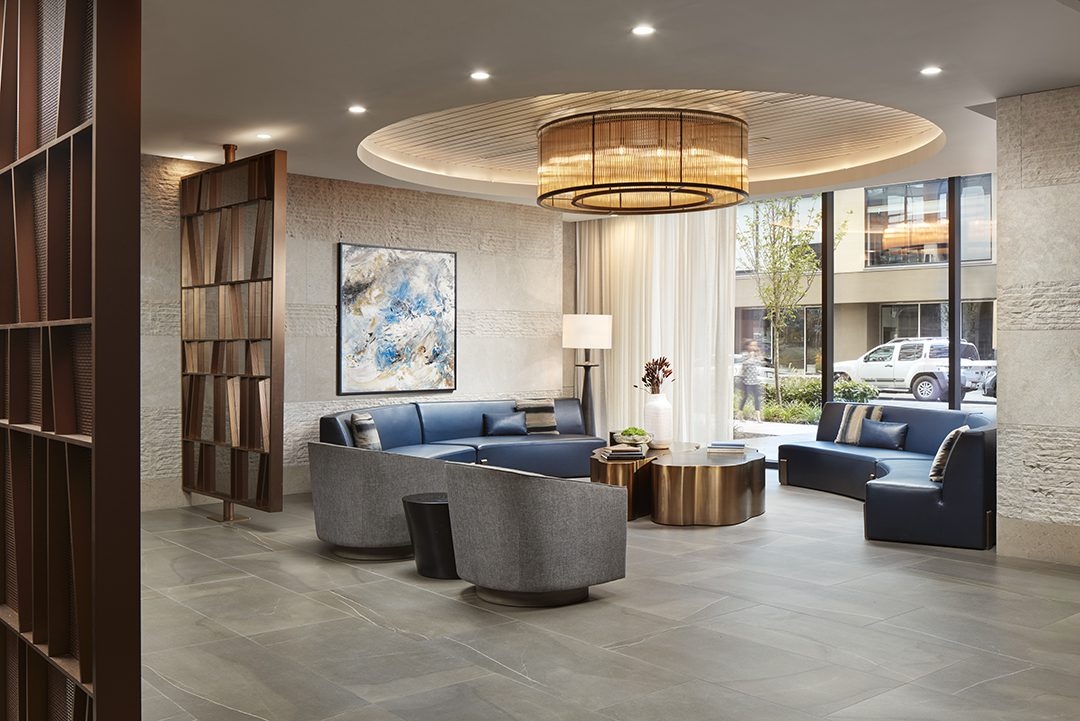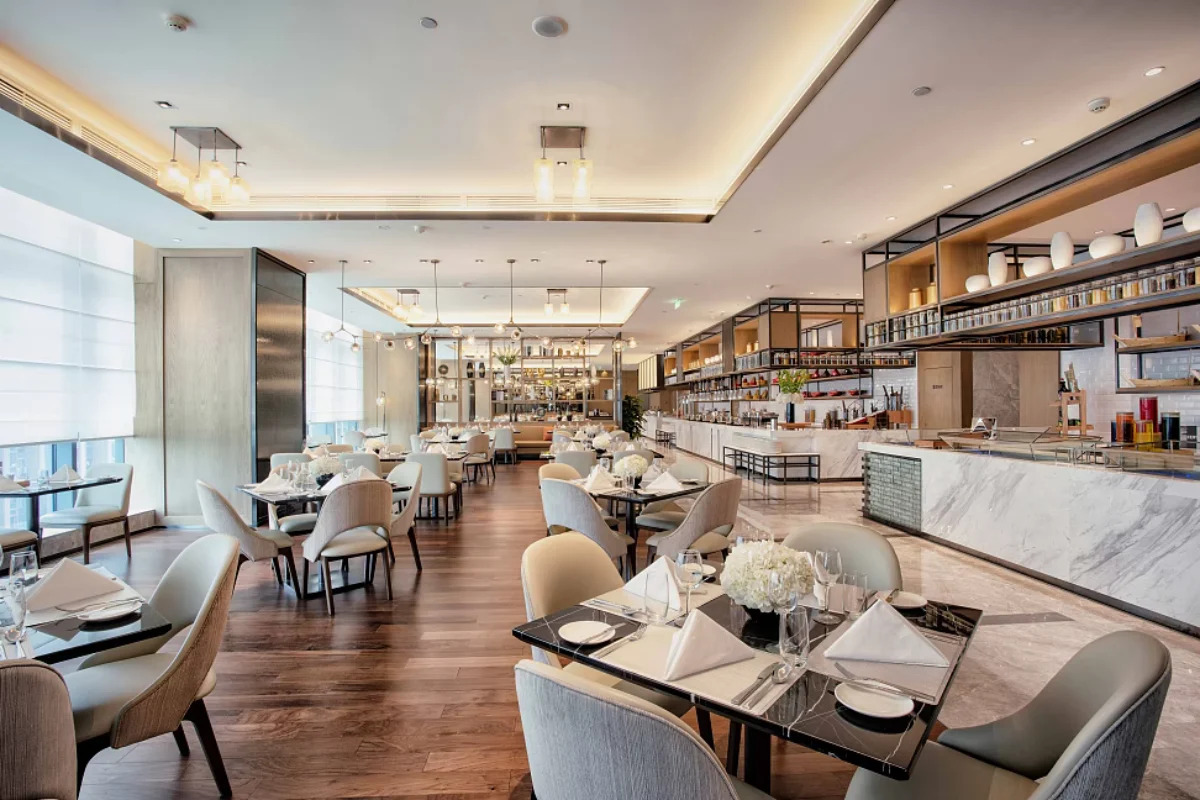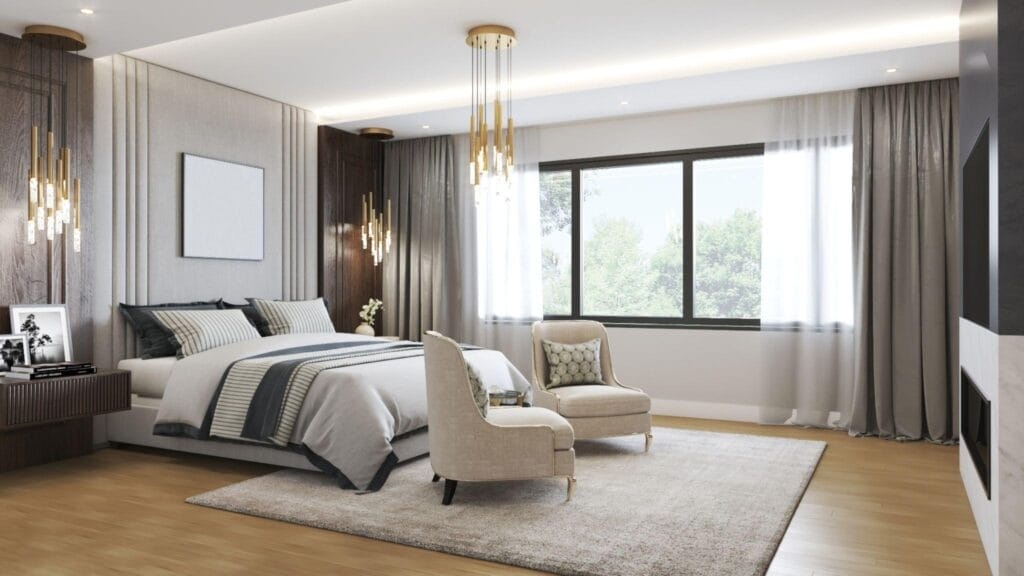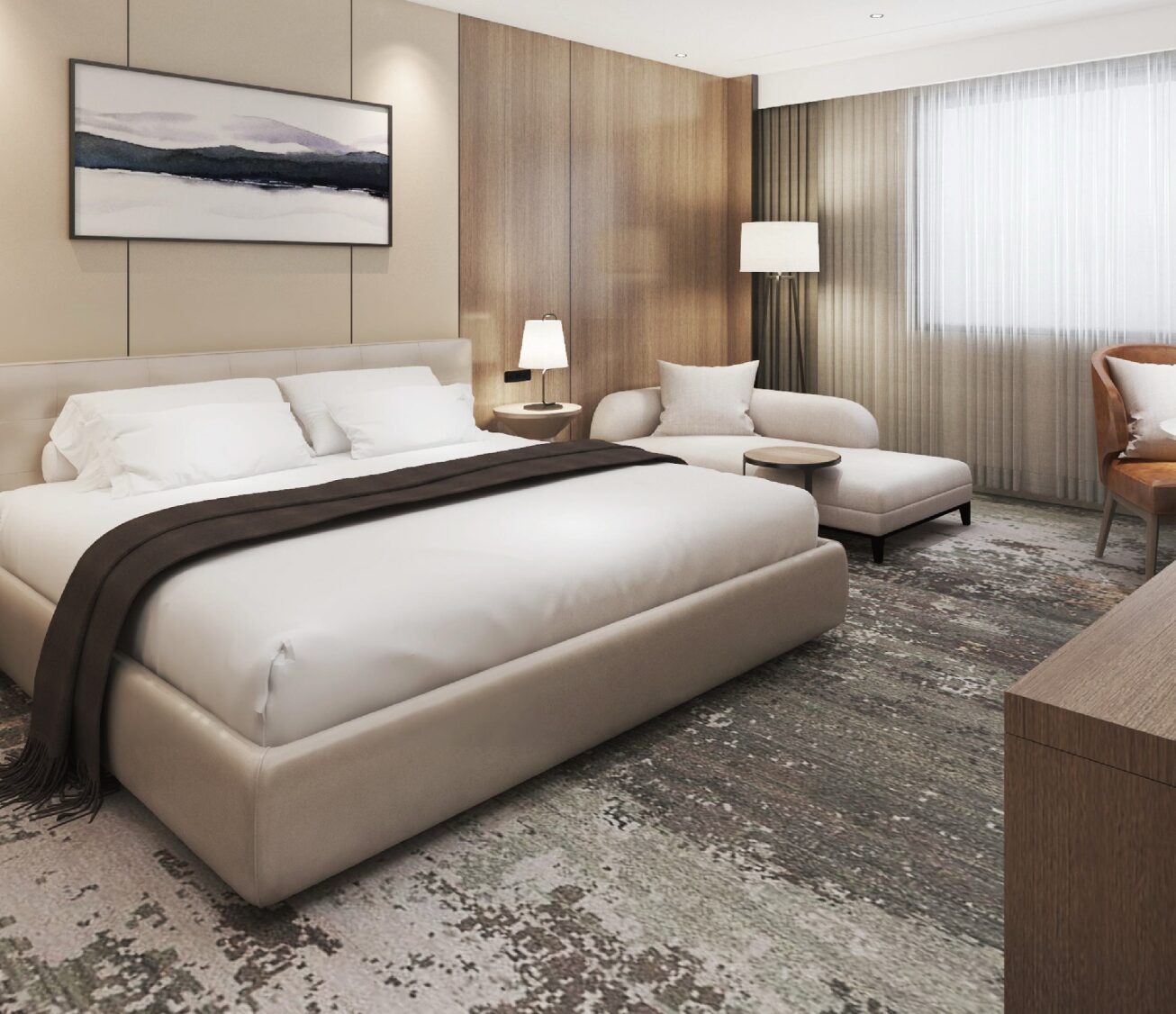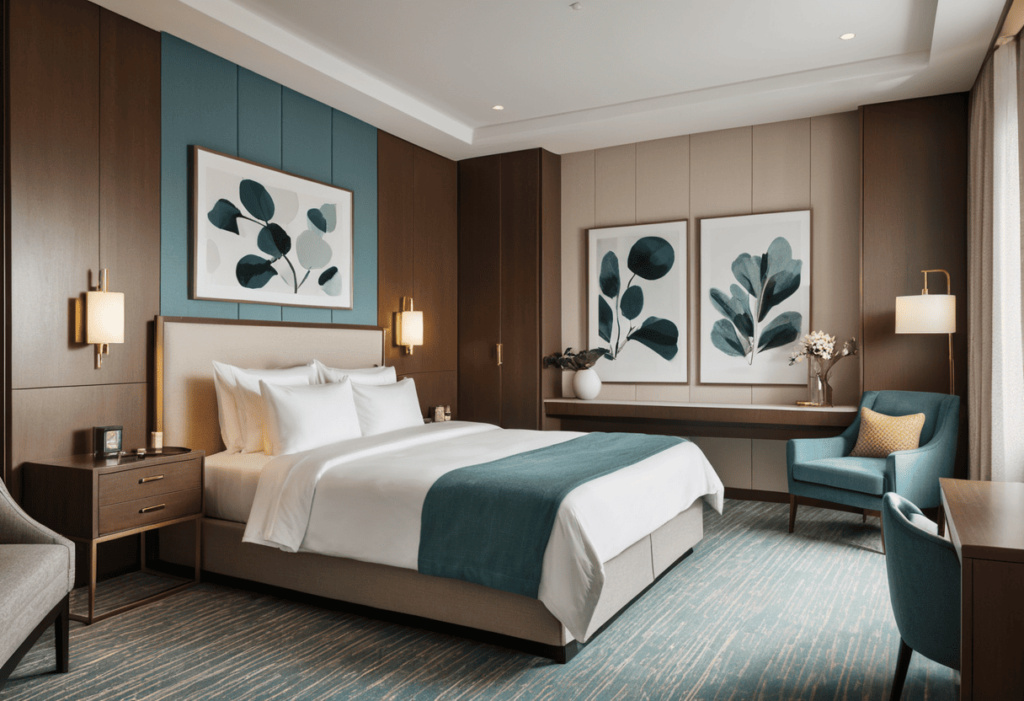
Hotel Furniture Most Likely to Trigger Guest Complaints
Thứ 3, 27/01/2026
Administrator
336
Hotel furniture influences guest satisfaction in ways that are often underestimated. From how well a room supports rest to how effortlessly guests interact with their surroundings, interior elements quietly shape impressions throughout the stay. In this article, Ngoc Hoang Anh highlights the furniture categories most likely to generate guest complaints and how thoughtful design and manufacturing can prevent them.
1. Beds and Mattresses That Directly Affect Sleep Experience
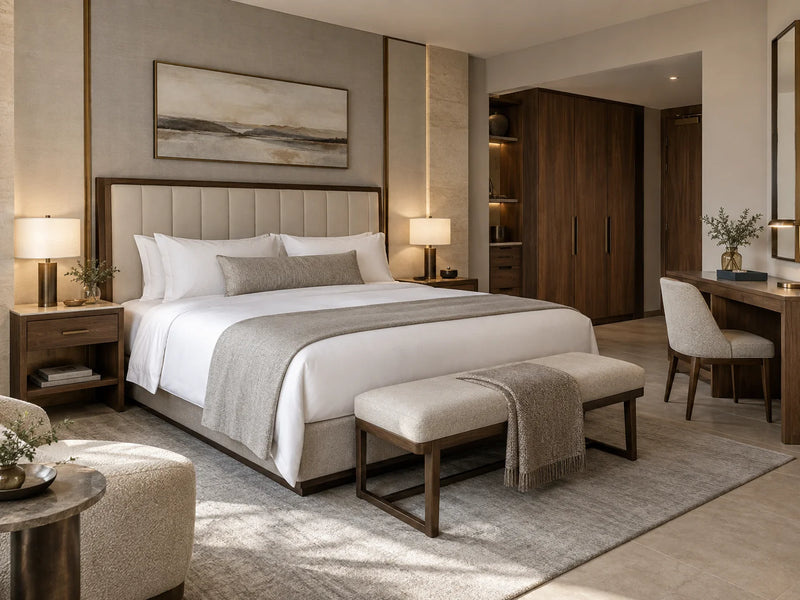
Beds and mattresses are often the first interior elements guests interact with at the end of the day. While visual presentation sets expectations, actual sleep performance determines satisfaction. Even minor inconsistencies in comfort or structure can disrupt rest, leading guests to associate discomfort with overall service quality rather than a single furniture issue.
1.1 Inconsistent Mattress Firmness Across Rooms
When mattress firmness varies between rooms, guests perceive a lack of operational control. Returning guests may feel disappointed if their previous positive experience cannot be replicated, while new guests quickly lose confidence in the hotel’s quality standards.
1.2 Insufficient Edge and Body Support
Mattresses that compress unevenly or lack proper internal zoning fail to support natural sleeping posture. Over time, this results in discomfort, interrupted sleep, and physical strain, especially for guests staying multiple nights.
1.3 Noise Caused by Bed Frame Movement
Structural noise from bed frames, often caused by poor joint engineering or material fatigue, becomes highly noticeable in quiet nighttime environments. Even subtle sounds can undermine the sense of privacy and calm expected in a well-appointed guestroom.
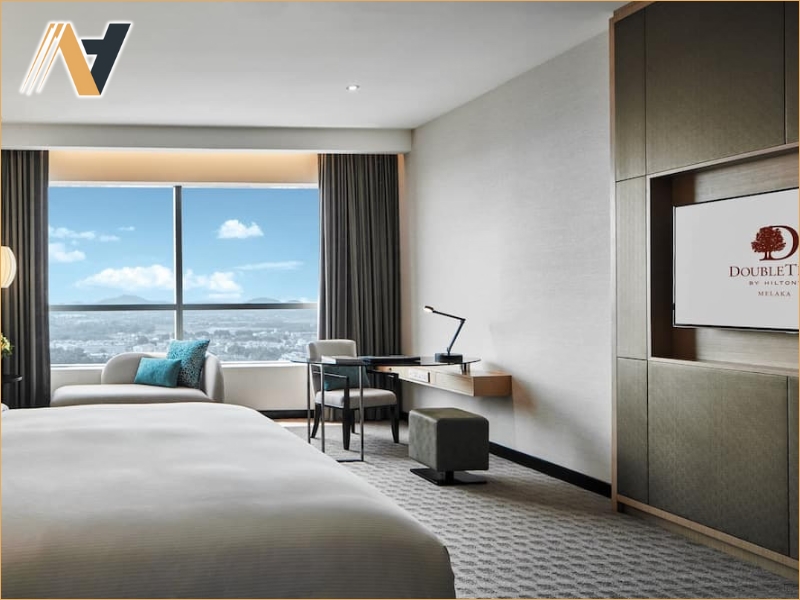
2. Seating Furniture That Looks Refined But Feels Uncomfortable
Seating furniture plays a subtle yet influential role in shaping how guests experience a hotel room. While refined silhouettes and curated materials create a strong first impression, comfort ultimately determines whether that impression lasts. When seating prioritizes appearance over usability, dissatisfaction often emerges gradually rather than immediately.
2.1 Chairs Without Ergonomic Consideration
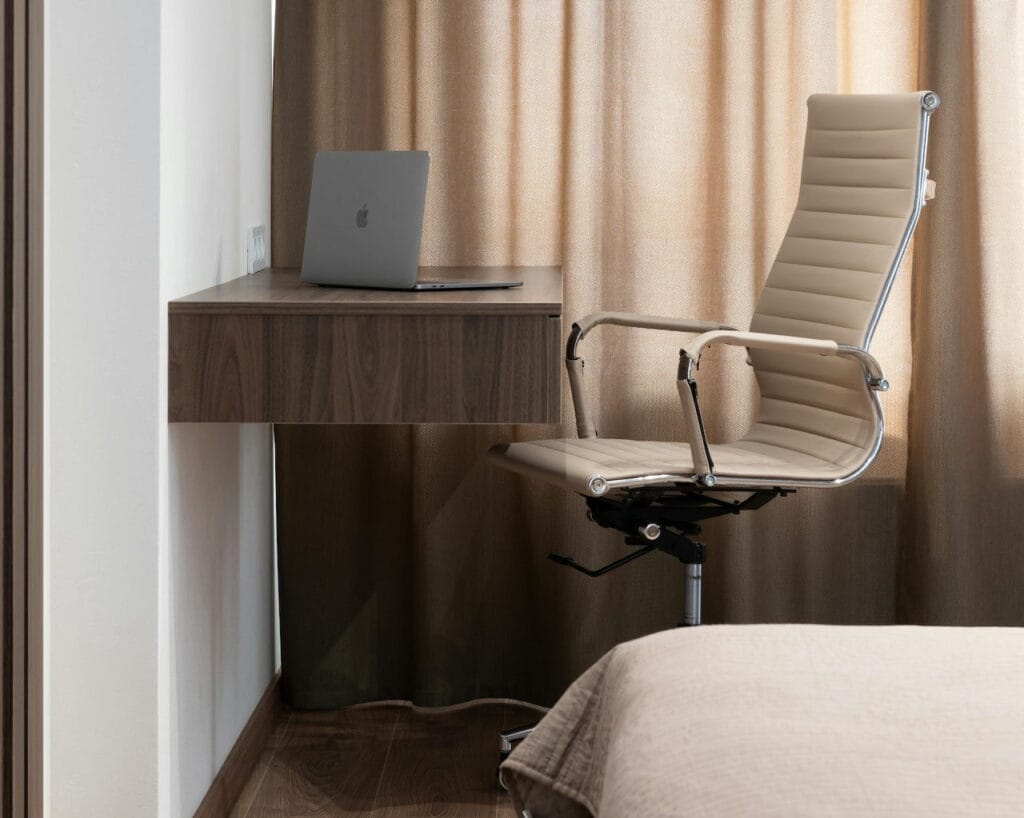
Chairs designed primarily for visual harmony frequently overlook essential ergonomic principles. Inadequate back support, shallow seat depth, or improper proportions can cause discomfort during extended use, especially for guests who work or relax in-room.
2.2 Sofas Designed for Short-Term Appearance
Sofas that rely on low-density foam or simplified internal structures tend to lose shape quickly under daily hospitality use. As cushions sag and support weakens, guests begin to associate discomfort with declining quality.
2.3 Limited Seating Flexibility in Guestrooms
Guestrooms offering only a single, fixed seating option restrict how the space can be used. This limitation becomes more apparent for business travelers and long-stay guests who require adaptable seating for different activities.
2.4 Mismatch Between Seating Style and Room Function
When seating design does not align with the room’s primary function, expectations are disrupted. A visually elegant chair may feel out of place if it fails to support the way guests naturally use the space.
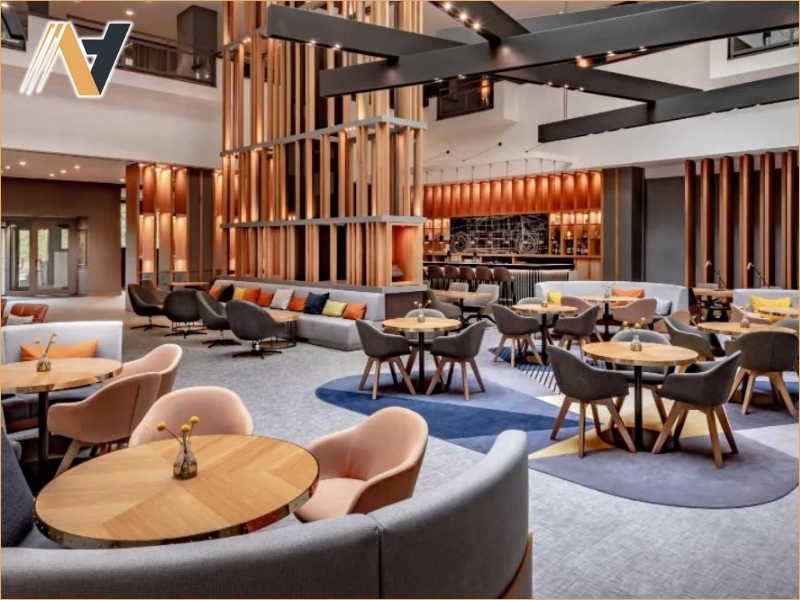
3. Storage and Casegoods That Disrupt Daily Guest Routines
Storage furniture shapes how effortlessly guests settle into a room. While these elements often fade into the background visually, their functionality is tested repeatedly throughout a stay. When storage and casegoods are poorly planned or inadequately constructed, minor inconveniences accumulate and quietly diminish the overall guest experience.
3.1 Wardrobe Interiors That Lack Intuitive Organization
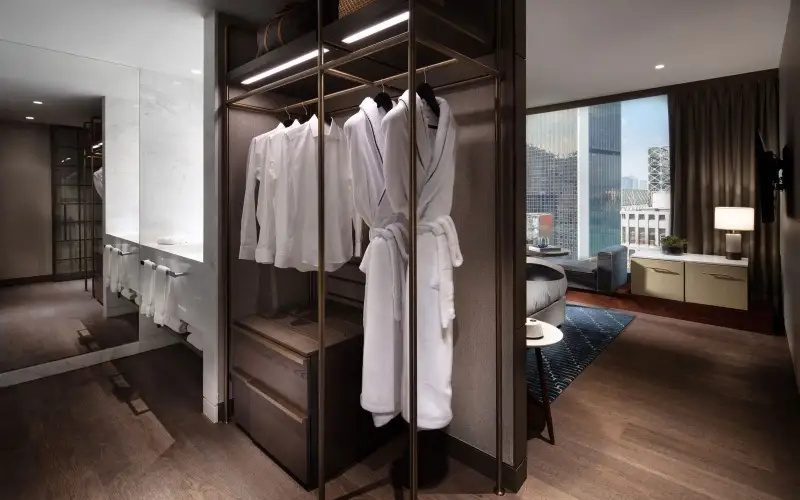
Wardrobes without a logical internal layout force guests to constantly rearrange belongings. Insufficient hanging space, poorly positioned shelves, or missing hooks interrupt daily routines and create unnecessary frustration.
3.2 Drawer and Door Hardware Prone to Failure
Drawers that stick, hinges that loosen, or soft-close systems that fail signal poor build quality. These issues are quickly noticed because guests interact with storage hardware multiple times each day.
3.3 Cabinet Doors That Interfere With Circulation Space
Casegoods with doors that open into narrow walkways disrupt room flow. Awkward clearance reduces ease of movement and makes even well-designed rooms feel constrained.
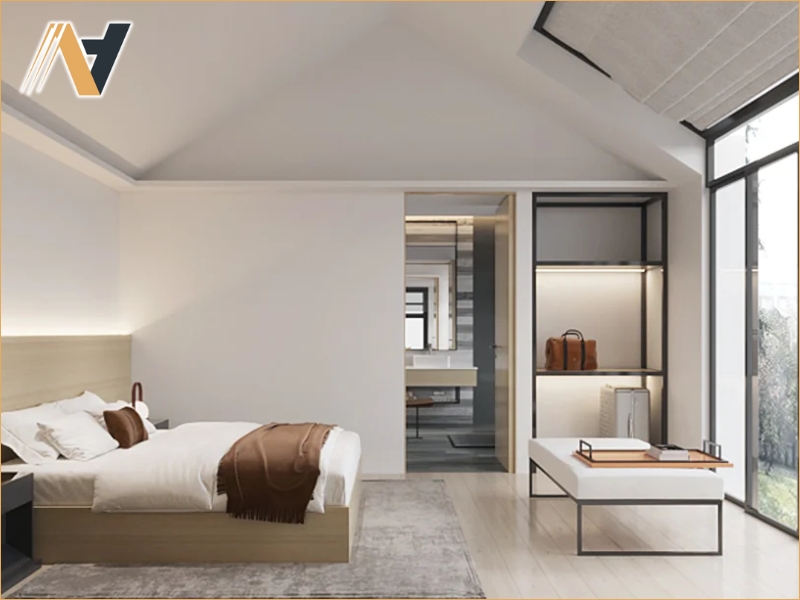
4. Bathroom Furniture That Influences Cleanliness Perception
Bathrooms are evaluated instantly and often more critically than any other space in a hotel room. Guests associate bathroom conditions directly with hygiene standards, making furniture performance in this area especially sensitive. Even subtle deterioration or instability can negatively affect how clean and well-maintained a hotel feels.
4.1 Vanity Units Vulnerable to Moisture Exposure
Bathroom vanities constructed without moisture-resistant materials tend to swell, warp, or delaminate over time. These changes not only affect durability but also create visual cues that suggest poor cleanliness and maintenance.
4.2 Visible Wear on Edges and Finishes
Chipped corners, peeling coatings, or faded surfaces are quickly noticed in well-lit bathroom environments. Such wear reduces confidence in both material quality and housekeeping standards.
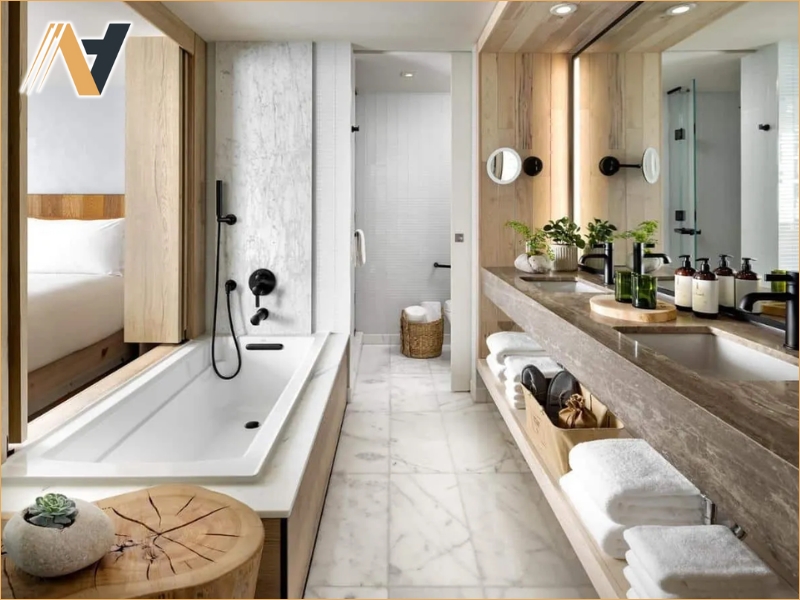
5. Minibar Cabinets That Create Silent Guest Dissatisfaction
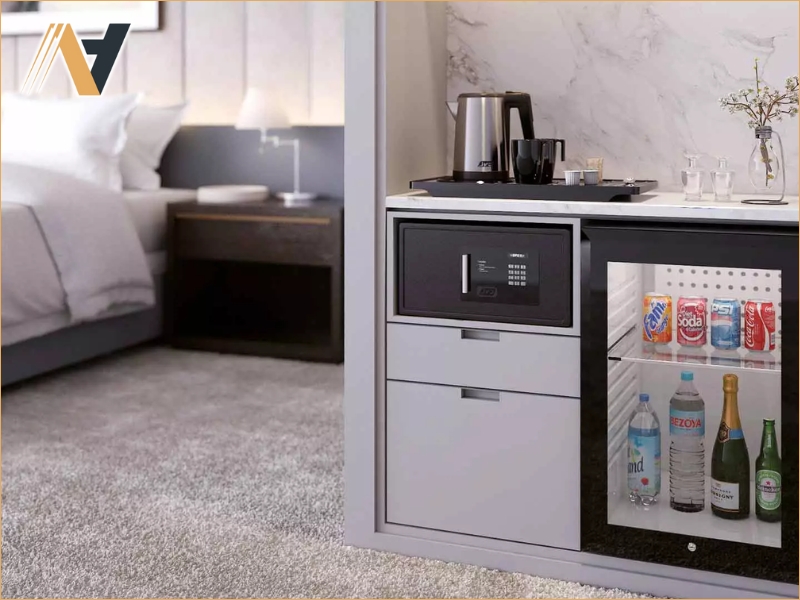
Minibar cabinets are rarely noticed when they function well, yet they become a source of frustration when performance issues arise. Their design influences not only guest convenience but also noise levels, cooling efficiency, and long-term appliance reliability. When cabinetry fails to support these factors, dissatisfaction often surfaces indirectly through service calls or negative reviews.
5.1 Restricted Ventilation That Affects Cooling Performance
Minibar appliances require consistent airflow to maintain stable temperatures. Cabinets without adequate ventilation trap heat, resulting in warm beverages and uneven cooling that guests immediately notice.
5.2 Noise and Vibration Transferred Into the Guestroom
Poor cabinet construction amplifies operational noise and vibration from minibar units. In quiet environments, even low-level sounds disrupt comfort and reduce the sense of privacy.
5.3 Increased Energy Use and Reduced Appliance Lifespan
When ventilation and internal clearances are insufficient, minibar units work harder to compensate. This increases energy consumption, accelerates component wear, and raises the likelihood of service interruptions during a guest’s stay.
Conclusion
Guest complaints rarely originate from a single dramatic failure. More often, they stem from furniture elements that quietly underperform over time, affecting comfort, usability, and perception in subtle but persistent ways. By identifying high-risk furniture categories and addressing design, material, and construction decisions at the manufacturing stage, hotels can reduce friction points and protect the integrity of the guest experience.
With a production-driven approach from Ngoc Hoang Anh, Vietnam hotel furniture solutions are crafted to support long-term performance, refined aesthetics, and the elevated standards expected in modern hospitality environments.
-----
NGOC HOANG ANH TRADING COMPANY LIMITED
Tax Code: 3702874413
Address: No. 288/28/10 Huynh Van Luy Street, Zone 7, Phu Loi Ward, Ho Chi Minh City, Vietnam
Warehouse: No. 1/91, Thuan Giao 02 Street, Binh Thuan 2 Residential Quarter, Thuan Giao Ward, Ho Chi Minh City, Vietnam
Phone/Whatsapp/Wechat: +84342076666
Email: info@ngochoanganh.com.vn