Why Hotels Should Standardize Furniture Components from the Start
Thứ 3, 13/01/2026
Administrator
317
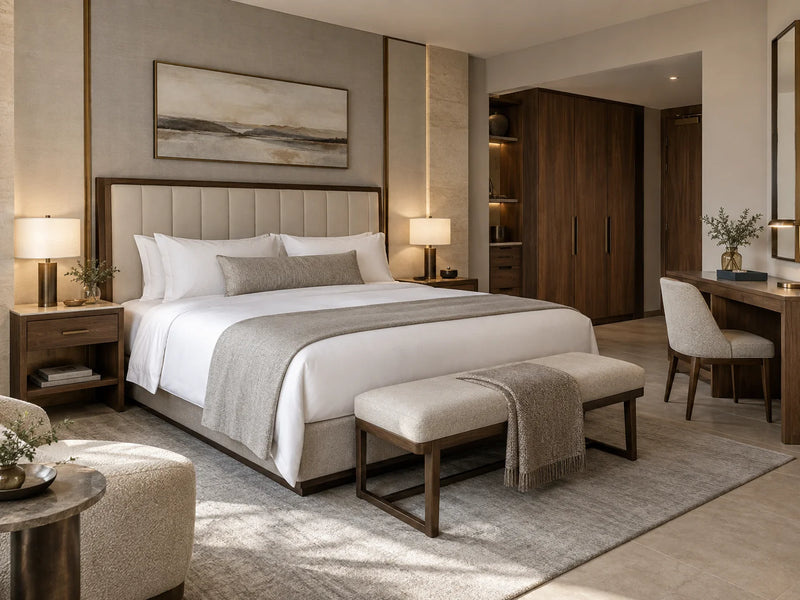
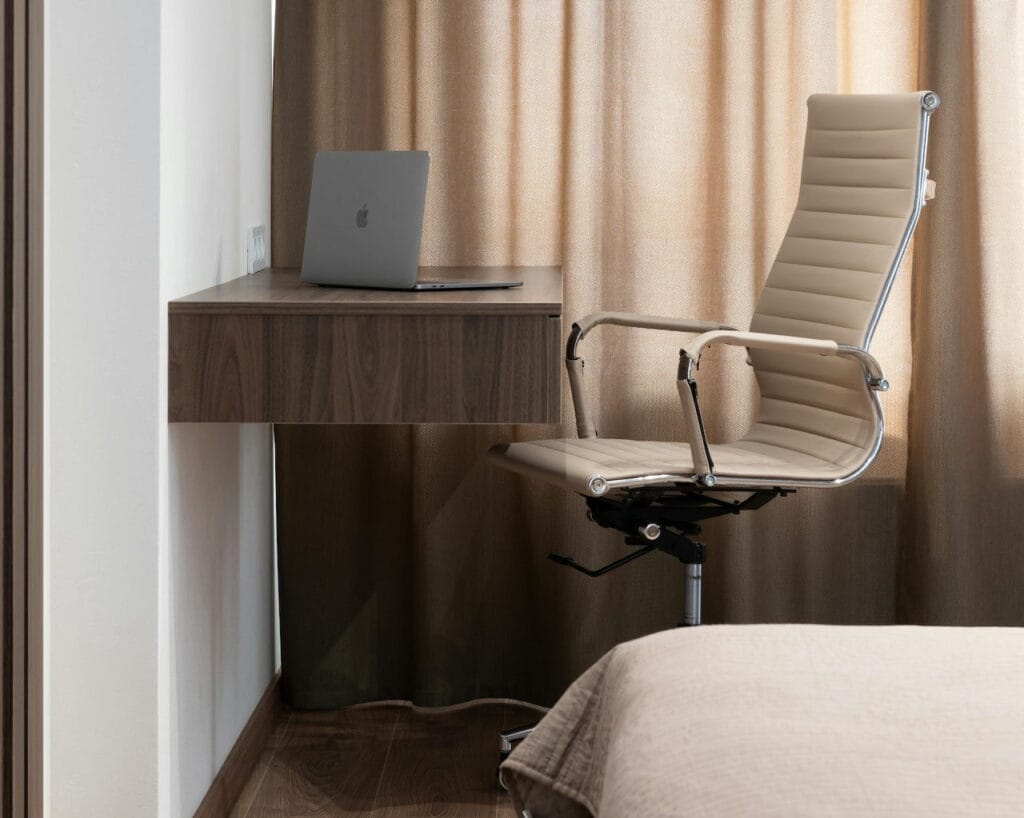
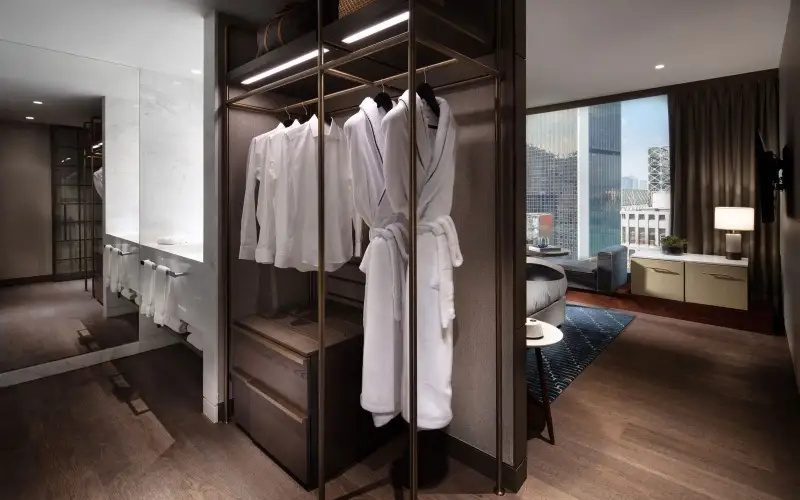
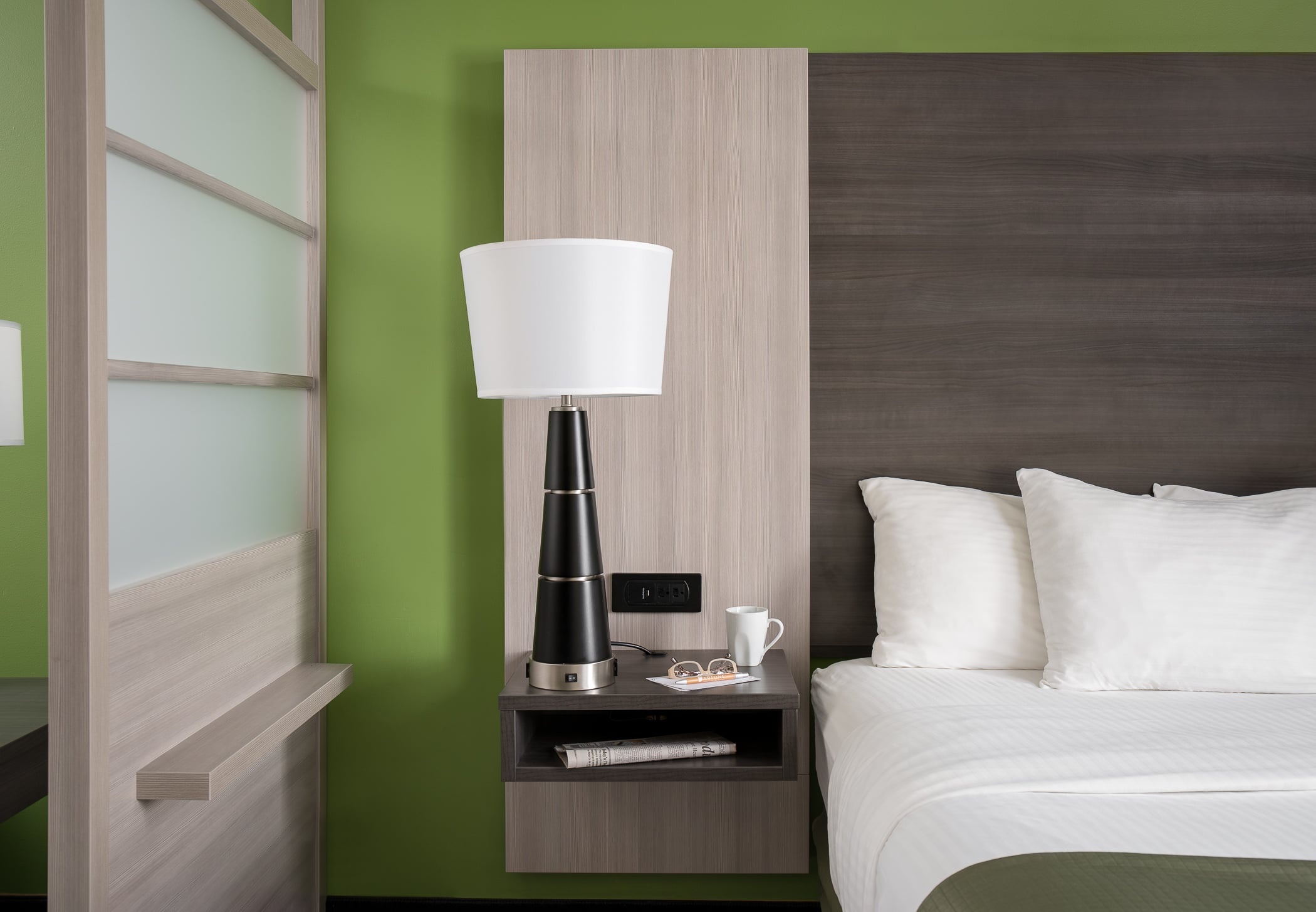
In hotel projects, furniture components are often selected individually for each area without a long-term operational strategy. This fragmented approach increases maintenance complexity and replacement costs over time. This article from Ngoc Hoang Anh explains why standardizing furniture components from the beginning is a strategic decision that supports efficient hotel operations and cost control.
1. Reducing Maintenance Complexity Across Hotel Operations
One of the most immediate benefits of standardizing furniture components is the reduction of maintenance complexity throughout hotel operations. When components are consistent, maintenance workflows become simpler, faster, and more reliable.
1.1 Too Many Component Types to Manage
Without standardization, hotels may use different hinges, runners, handles, or fasteners across similar furniture pieces. Managing multiple component types increases confusion and slows down maintenance response.
1.2 Slower Troubleshooting and Repairs
When each furniture unit uses unique components, identifying the correct replacement part becomes time-consuming. Standardized components allow technicians to diagnose issues quickly and apply familiar solutions.
1.3 Increased Risk of Incorrect Replacement
Non-standard components raise the risk of installing incompatible parts during repairs. Standardization reduces errors, ensuring that replacements fit correctly and perform as intended.
2. Lower Spare Part Inventory and Storage Costs
Standardizing furniture components allows hotels to control spare part inventory more efficiently. Instead of managing a wide range of unique parts, hotels can streamline storage, procurement, and cost management across departments.
2.1 Fewer Spare Parts to Stock
When hinges, runners, locks, and fasteners are standardized, hotels only need to keep a limited number of spare components on hand. This reduction lowers capital tied up in inventory and minimizes the risk of obsolete parts.
2.2 Easier Procurement and Reordering
Standard components simplify purchasing processes by allowing hotels to reorder the same items repeatedly from approved suppliers. This consistency reduces lead times, avoids specification errors, and improves coordination between maintenance and procurement teams.
2.3 Reduced Storage Space Requirements
With fewer component types, storage areas can be organized more efficiently. Reduced storage needs free up valuable back-of-house space and make spare parts easier to locate during urgent maintenance situations.
3. Faster Repairs and Shorter Room Downtime
In hotel operations, time lost during repairs directly affects revenue. Standardizing furniture components enables faster maintenance response and significantly reduces the period a room remains out of service.
3.1 Quick Component Swaps Without Custom Fabrication
When components are standardized, damaged parts can be replaced immediately without custom fabrication or special ordering. Maintenance teams can carry out repairs efficiently using readily available parts, avoiding prolonged delays.
3.2 Reduced Room Out-of-Service Time
Faster repairs mean guestrooms return to inventory sooner. By minimizing downtime, hotels protect occupancy rates and ensure smoother operational continuity, especially during peak seasons or high-occupancy periods.
4. Predictable Life Cycle Cost and Budget Control
Standardizing furniture components allows hotels to move from reactive maintenance toward proactive financial planning. When components behave consistently, long-term cost management becomes far more predictable.
4.1 Consistent Wear Patterns Across Rooms
Standardized components wear at similar rates across guestrooms. This consistency helps maintenance teams anticipate issues early and prevents unexpected failures that disrupt operations.
4.2 Easier Forecasting of Replacement Cycles
When components share the same specifications, hotels can forecast replacement timelines more accurately. Planned replacement cycles reduce emergency repairs and support smoother budget allocation.
4.3 Better Capital Expenditure Planning
Predictable life cycle performance allows hotels to plan capital expenditure strategically. Instead of sudden large repair costs, investments can be distributed over time, improving financial stability and control.
5. Supporting Future Renovation and Expansion Plans
Hotels are long-term assets that evolve through renovations, rebranding, and expansion phases. Standardizing furniture components from the outset provides flexibility and continuity as properties adapt over time.
5.1 Seamless Furniture Replacement During Renovations
When components are standardized, damaged or outdated furniture can be replaced without redesigning entire systems. This seamless replacement minimizes disruption during renovation works and shortens project timelines.
5.2 Compatibility Between Existing and New Areas
Standard components ensure that newly renovated or expanded areas align technically with existing spaces. This compatibility avoids visual and functional inconsistency while simplifying installation and commissioning.
5.3 Long-Term Brand and Design Consistency
Standardization supports consistent furniture performance and appearance across different phases of development. Maintaining uniform components helps hotels preserve brand identity while accommodating gradual design updates.

Conclusion
Standardizing furniture components from the early stages of a hotel project creates long-term operational clarity and cost efficiency. By reducing maintenance complexity, simplifying spare part management, shortening repair time, and enabling predictable life cycle planning, hotels gain stronger control over both daily operations and long-term asset performance.
For hotels seeking durable, scalable, and maintenance-efficient solutions, Ngoc Hoang Anh delivers thoughtfully engineered Vietnam hotel furniture developed with standardization and life cycle efficiency in mind. Each project is designed to support smooth operations today while remaining adaptable for future renovation and expansion.
Contact us today for expert consultation and bespoke hospitality furniture production.
-----
NGOC HOANG ANH TRADING COMPANY LIMITED
Tax Code: 3702874413
Address: No. 288/28/10 Huynh Van Luy Street, Zone 7, Phu Loi Ward, Ho Chi Minh City, Vietnam
Warehouse: No. 1/91, Thuan Giao 02 Street, Binh Thuan 2 Residential Quarter, Thuan Giao Ward, Ho Chi Minh City, Vietnam
Phone/Whatsapp/Wechat: +84342076666
Email: info@ngochoanganh.com.vn