Why Hotels Replace Furniture After Only 2-3 Years
Thứ 4, 17/12/2025
Administrator
334
Why hotels replace furniture after only 2-3 years is a common issue in hospitality operations, impacting costs and brand image. This article from Ngoc Hoang Anh outlines the key design, material, and manufacturing factors influencing furniture lifespan in hotels.
1. Hospitality Furniture Endures Extreme Daily Stress
Hotel furniture is designed to support guest comfort and visual identity, yet it operates under relentless pressure from daily use. Unlike residential settings, hospitality environments expose furniture to continuous occupancy, intensive servicing, and fluctuating conditions that gradually erode performance if durability is not properly engineered from the outset.
1.1 Constant Guest Turnover Multiplies Usage Cycles
In busy hotels, a single chair or bed may serve hundreds of guests within a year. This accelerated usage compresses years of wear into a short timeframe, revealing structural weaknesses far earlier than expected.
1.2 Frequent Movement During Housekeeping and Room Resets
Furniture is regularly repositioned to maintain presentation standards. Repeated lifting, dragging, and adjustment place stress on joints, fasteners, and frames, especially when construction is not reinforced for operational handling.
1.3 Exposure to Moisture, Heat, and Cleaning Agents
Humidity, temperature variation, and strong cleaning chemicals slowly degrade finishes, adhesives, and substrates. When materials are selected without hospitality-grade resistance, visible deterioration becomes unavoidable within just a few years.
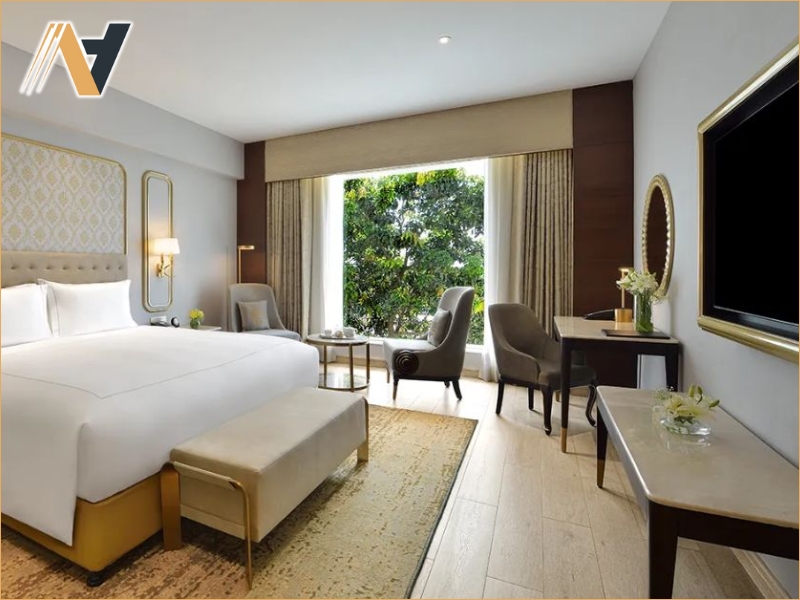
2. Design Choices Favor Visual Impact Over Longevity
In many hotel projects, furniture design is driven by the desire to create a strong visual impression at opening. While this approach enhances initial appeal, it often overlooks how furniture must perform over years of continuous use, leading to premature wear and replacement.
2.1 Trend-Led Aesthetics Create Short Design Lifespans
Furniture influenced by rapidly changing design trends can feel visually outdated within a few years. Even when structurally intact, these pieces are often replaced early to align with evolving brand standards and guest expectations.
2.2 Delicate Details That Do Not Tolerate Repetition
Slim profiles, sharp edges, and refined decorative elements elevate aesthetics but are less forgiving under constant contact. Repeated use accelerates chipping, cracking, and surface damage in high-touch areas.
2.3 Lack of Modularity for Repair and Replacement
Furniture designed as a single, fixed unit limits maintenance options. When one component fails, partial repair becomes impractical, forcing full replacement and increasing operational costs.
2.4 Finishes Selected without Long-Term Wear Testing
Surface finishes chosen primarily for appearance may not withstand abrasion, staining, or frequent cleaning. Without proper durability testing, visible deterioration often appears within a short operational period.
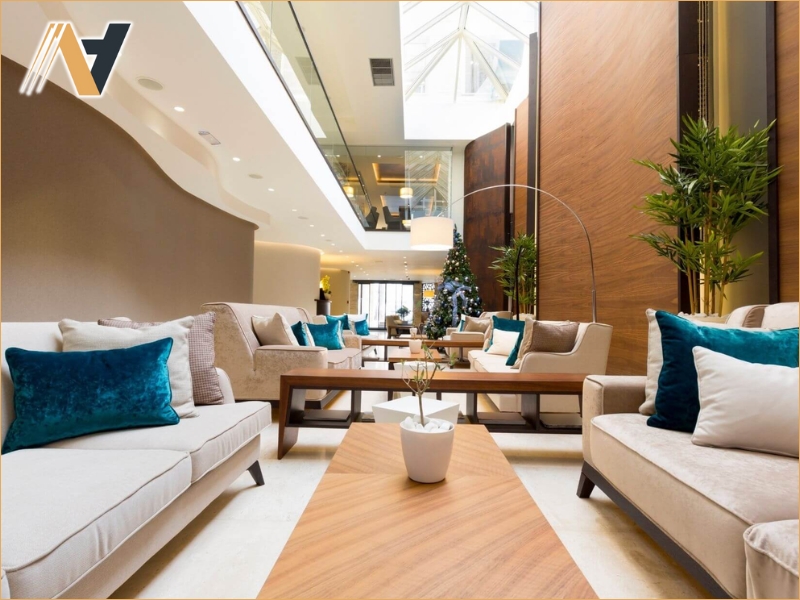
3. Furniture Built to Residential Standards in Commercial Spaces
A common reason behind early furniture failure is the use of residential-grade construction in hotel environments. Without commercial-level specifications, furniture struggles to withstand the intensity of hospitality operations and begins to deteriorate far earlier than expected.
3.1 Inadequate Internal Framing and Reinforcement
Lightweight frames and insufficient internal support deform under sustained loads. Over time, this results in instability, sagging surfaces, and compromised structural integrity.
3.2 Low-Density Boards Used to Reduce Initial Cost
Inferior substrates are often selected to lower upfront pricing. These materials are highly sensitive to humidity and impact, leading to swelling, cracking, and delamination in hotel conditions.
3.3 Weak Joinery Unsuitable for Repetitive Stress
Joinery methods designed for residential use cannot tolerate constant movement and weight. Staples, minimal fasteners, and shallow connections loosen quickly under daily hotel use.

4. Procurement Decisions Driven by Short-Term Budgets
Procurement strategies in hotel projects often focus heavily on immediate cost control. While this approach may reduce initial investment, it frequently overlooks long-term performance, resulting in higher maintenance and replacement costs over the furniture lifecycle.
4.1 Price-driven Supplier Selection without Hospitality Expertise
Suppliers chosen primarily for competitive pricing may lack experience in hotel-specific requirements. As a result, furniture may meet visual expectations but fail to perform under continuous operational stress.
4.2 Over-Aggressive Value Engineering During Specification
In an effort to reduce costs, structural elements that are not visible to guests are often simplified or removed. These hidden compromises significantly impact durability and shorten furniture lifespan.
4.3 Limited Prototyping and Mockup Validation
Without thorough prototyping and real-use testing, potential weaknesses remain undiscovered until furniture is already installed and in use, making corrective action costly and disruptive.
4.4 Insufficient Warranty and After-Sales Support
When early failures occur, unclear warranty terms and limited after-sales service shift the burden of replacement to hotel operators, increasing both financial and operational pressure.

5. Misalignment Between Design, Operation, and Manufacturing
Furniture longevity in hotels depends on close alignment between design intent, operational reality, and manufacturing execution. When these elements are disconnected, performance issues often emerge only after the hotel is in full operation.
5.1 Design Intent Detached from Actual Guest Behavior
Furniture is often designed based on assumed patterns of use. In reality, guest behavior places different and sometimes heavier demands on furniture, accelerating wear and structural stress.
5.2 Limited Operational Input During The Design Stage
Hotel operations teams are rarely involved early in furniture specification. This lack of practical insight can result in designs that overlook maintenance routines and real-world handling.
5.3 Manufacturing without Feedback from Live Hotel Projects
Factories that do not receive performance feedback from completed projects struggle to refine construction methods, leading to repeated durability issues across multiple installations.
5.4 Absence of Long-Term Performance Benchmarks
Furniture is frequently evaluated only at installation and handover. Without defined performance benchmarks over time, early signs of failure are often missed until replacement becomes unavoidable.
Conclusion
Early furniture replacement in hotels is rarely the result of a single mistake. More often, it reflects a combination of design decisions, material choices, and manufacturing approaches that do not fully align with the long-term demands of hospitality operations.
By working with an experienced Vietnam hotel furniture manufacturer such as Ngoc Hoang Anh, hotel owners and designers can achieve a balance between aesthetic refinement, structural durability, and operational efficiency, ensuring furniture performs consistently well beyond the first years of operation.
Get in touch with us today for professional consultation and tailored hospitality furniture manufacturing.
-----
NGOC HOANG ANH TRADING COMPANY LIMITED
Tax Code: 3702874413
Address: No. 288/28/10 Huynh Van Luy Street, Zone 7, Phu Loi Ward, Ho Chi Minh City, Vietnam
Warehouse: No. 1/91, Thuan Giao 02 Street, Binh Thuan 2 Residential Quarter, Thuan Giao Ward, Ho Chi Minh City, Vietnam
Phone/Whatsapp/Wechat: +84342076666
Email: info@ngochoanganh.com.vn