Standardized or Tiered Furniture Strategy for Hotels
Thứ 5, 25/12/2025
Administrator
307
Whether hotels should standardize furniture across all rooms or differentiate by room category is a common strategic question. Each approach influences brand perception, cost control, and guest expectations. This article from Ngoc Hoang Anh examines how to select the right furniture strategy for hotel projects.
1. Understanding Standardized Furniture Across All Room Types
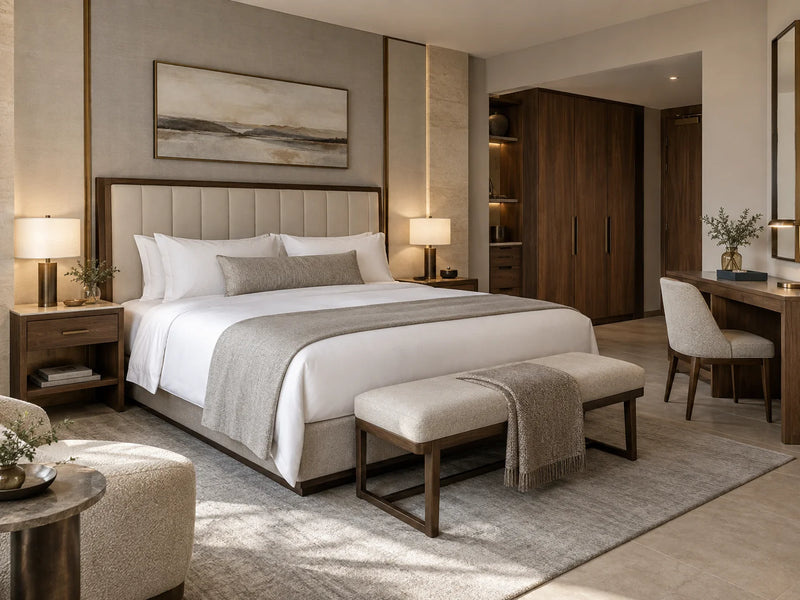
A standardized furniture strategy applies the same core furniture specifications across all guestrooms. This approach prioritizes consistency, efficiency, and ease of long-term management, particularly in hotels with clear brand standards.
1.1 Consistent Brand Experience Across All Guest Touchpoints
Using the same furniture language throughout guestrooms ensures a uniform brand experience. Guests receive consistent visual and functional quality regardless of room category, reinforcing brand reliability.
1.2 Simplified Procurement and Cost Control
Standardization reduces complexity in sourcing, pricing, and logistics. Bulk production and repeat specifications help control unit cost and streamline procurement processes.
1.3 Operational Efficiency in Maintenance and Replacement
With fewer furniture variations, maintenance teams manage repairs and replacements more efficiently. Spare parts, finishes, and components are easier to standardize across the property.

2. Benefits of Tiered Furniture by Room Category
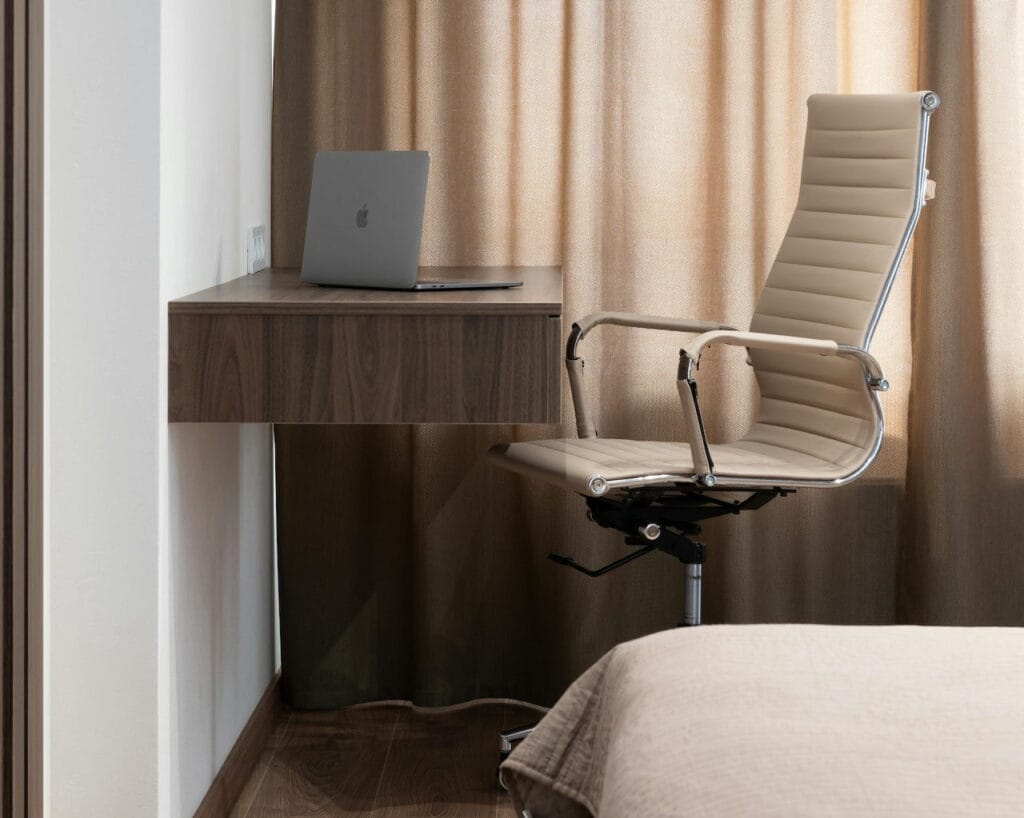
A tiered furniture strategy differentiates specifications based on room category. This approach supports clearer value segmentation and aligns furniture investment with pricing and guest expectations.
2.1 Clear Differentiation Between Room Categories
Distinct furniture specifications help guests immediately recognize differences between room types. This clarity reinforces perceived value and reduces confusion across booking tiers.
2.2 Enhanced Perceived Value in Higher-Tier Rooms
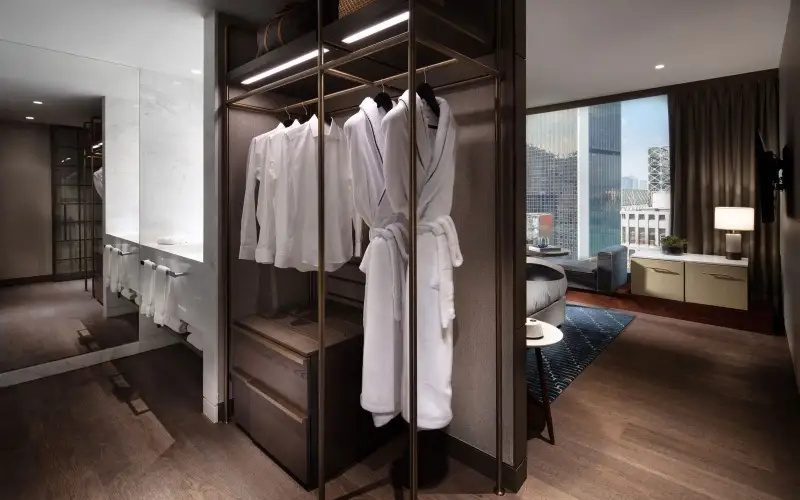
Upgraded materials, detailing, or added functionality in premium rooms justify higher rates. Guests are more likely to feel the price difference is reflected in tangible quality.
2.3 Alignment with Revenue Management Strategies
Tiered furniture supports upselling and category migration. When differences are visible and functional, higher-tier rooms become easier to position and sell.
2.4 Flexibility in Design and Material Selection
Design teams gain flexibility to tailor furniture to the character of each room type. This allows premium rooms to express stronger design identity without over-investing across all categories.

3. Impact on Guest Perception and OTA Ratings
Furniture strategy directly influences how guests evaluate fairness, quality, and value during their stay. These perceptions are often reflected in OTA reviews, even when furniture is not mentioned explicitly.
3.1 Guest Expectations Based on Room Pricing
Guests form expectations according to the room category they book. When furniture quality aligns with pricing, satisfaction increases and negative comparison between room types is reduced.
3.2 Risk of Perceived Inconsistency or Inequality
Overly large gaps in furniture quality can create a sense of imbalance. Guests may perceive standard rooms as under-delivered when differences are too visible or poorly communicated.
3.3 Influence on Review Sentiment and Star Ratings
Perceived comfort and fairness influence overall review tone. Balanced furniture strategies help stabilize ratings and reduce polarized feedback across room categories.
4. Cost Efficiency and Life Cycle Cost Considerations
Furniture strategy affects not only initial investment but also long-term operational cost. Evaluating life cycle cost helps hotels understand the financial implications of standardized versus tiered approaches.
4.1 Life Cycle Cost in Standardized Furniture Programs
Standardized furniture benefits from economies of scale and simplified maintenance. Longer replacement cycles and shared components help reduce cumulative costs over time.
4.2 Maintenance and Replacement Complexity in Tiered Schemes
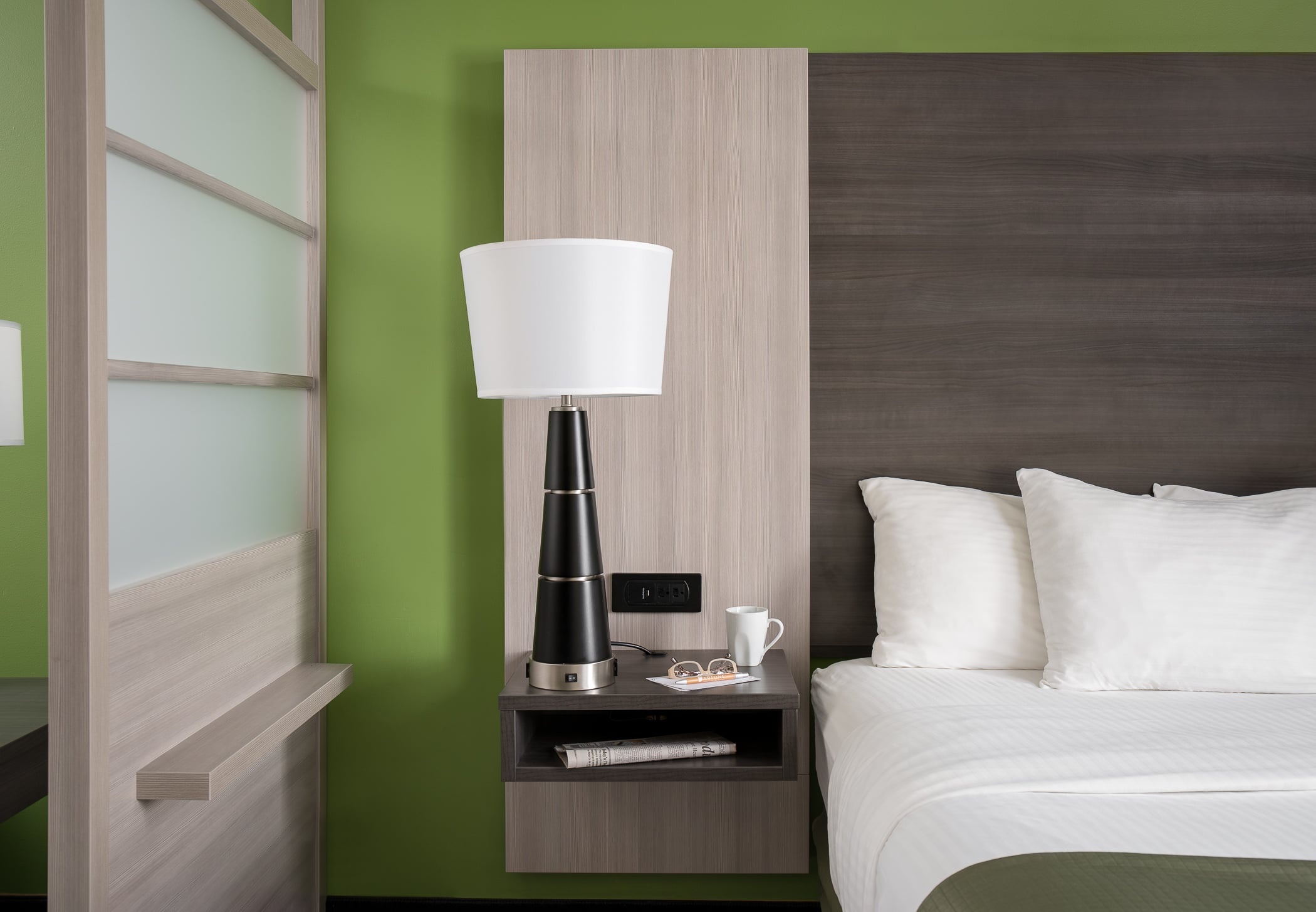
Tiered furniture introduces multiple specifications and finishes. While offering design differentiation, this complexity can increase maintenance effort and replacement planning.
4.3 Budget Predictability Versus Design Flexibility
Standardization supports predictable budgeting and cost control. Tiered strategies trade some predictability for greater flexibility and targeted investment in higher-revenue rooms.
5. Strategic Factors That Should Guide the Decision
Choosing between standardized and tiered furniture requires a strategic view beyond design preference. The right approach depends on how the hotel operates today and plans to evolve over time.
5.1 Hotel Segment and Brand Positioning
Midscale hotels often benefit from standardization, while upscale and luxury properties require clearer differentiation. Furniture strategy should reinforce how the brand is positioned in the market.
5.2 Property Size and Operational Complexity
Larger properties with many room types face higher operational complexity. A hybrid approach is often used to balance efficiency with selective differentiation.
5.3 Long-Term Renovation and Expansion Plans
Hotels planning phased renovations or future expansion must consider consistency over time. Furniture strategies that support replication and adaptation reduce long-term disruption and cost.
Conclusion
Deciding whether to standardize furniture across an entire hotel or differentiate by room category requires balancing brand consistency, guest expectations, and operational efficiency. A well-considered strategy helps hotels deliver a coherent experience while allocating investment where it creates the most value. In many cases, a thoughtful combination of standardization and selective differentiation offers the most sustainable outcome.
By aligning furniture strategy with positioning, life cycle cost, and long-term operational plans, hotels can protect both brand perception and financial performance. With carefully engineered Vietnam hotel furniture, Ngoc Hoang Anh supports hotels in developing furniture solutions that meet real operational needs while maintaining design integrity.
Contact us today for expert consultation and bespoke hospitality furniture production.
-----
NGOC HOANG ANH TRADING COMPANY LIMITED
Tax Code: 3702874413
Address: No. 288/28/10 Huynh Van Luy Street, Zone 7, Phu Loi Ward, Ho Chi Minh City, Vietnam
Warehouse: No. 1/91, Thuan Giao 02 Street, Binh Thuan 2 Residential Quarter, Thuan Giao Ward, Ho Chi Minh City, Vietnam
Phone/Whatsapp/Wechat: +84342076666
Email: info@ngochoanganh.com.vn