Life Cycle Cost in Hotel Furniture Investment
Thứ 4, 24/12/2025
Administrator
331
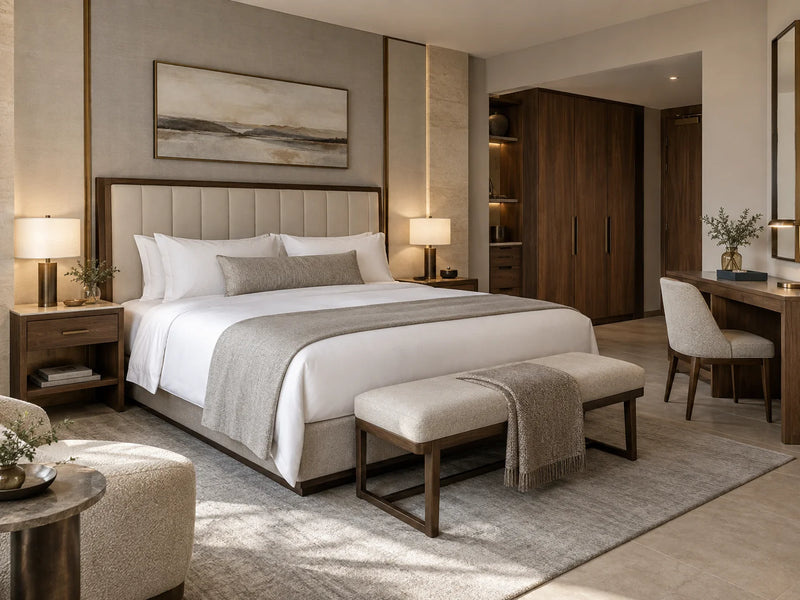
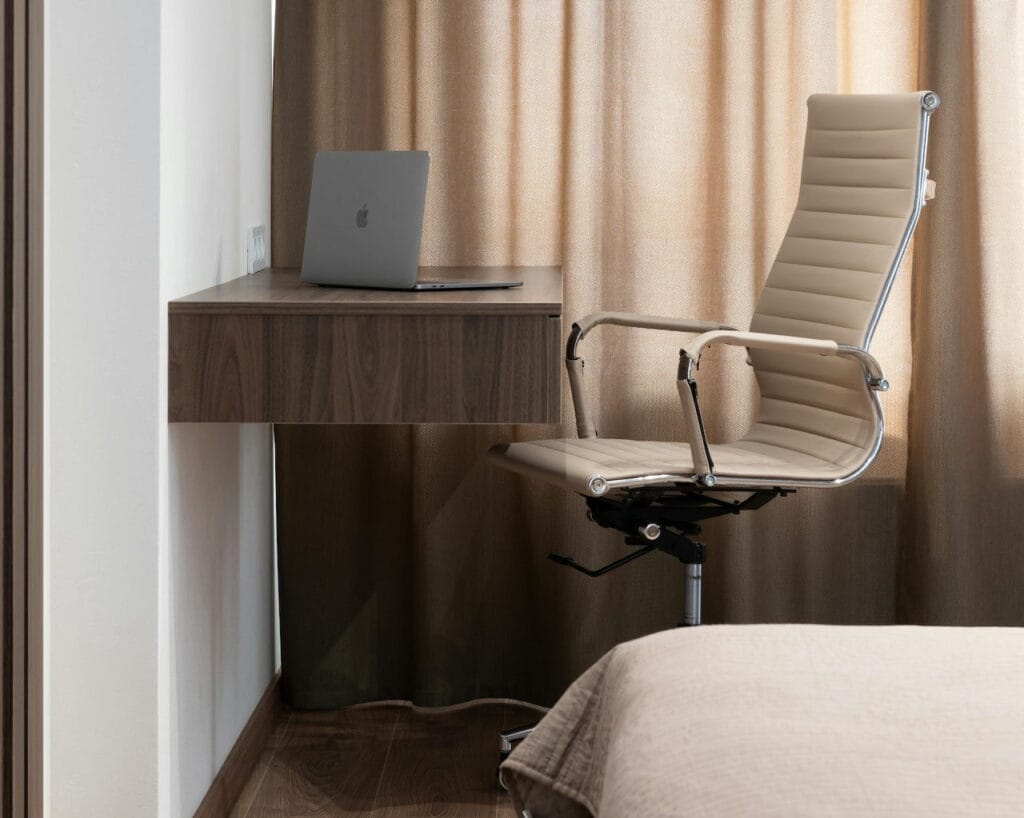
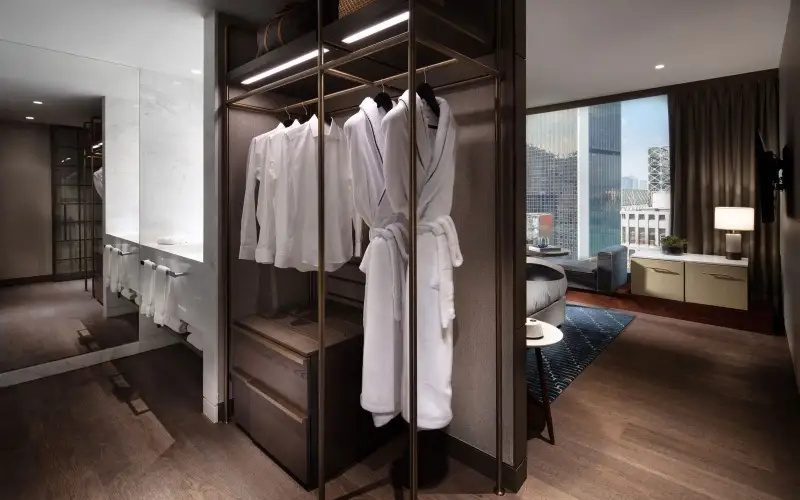
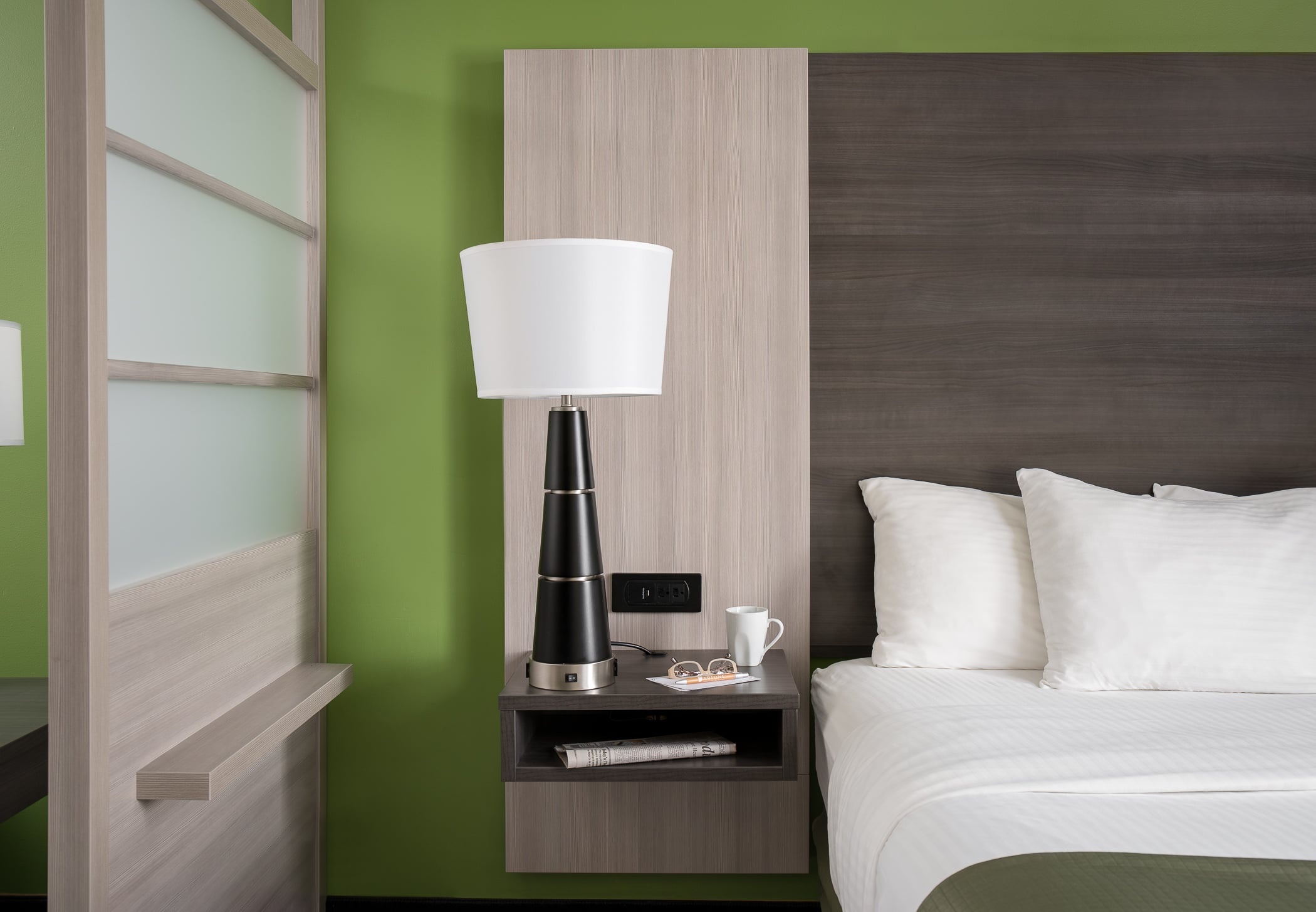
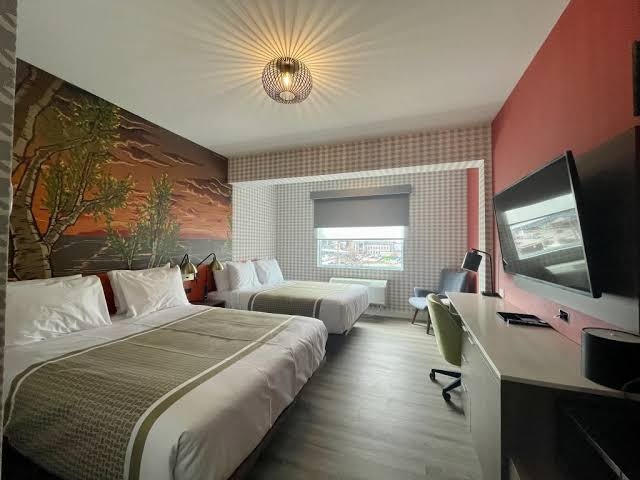
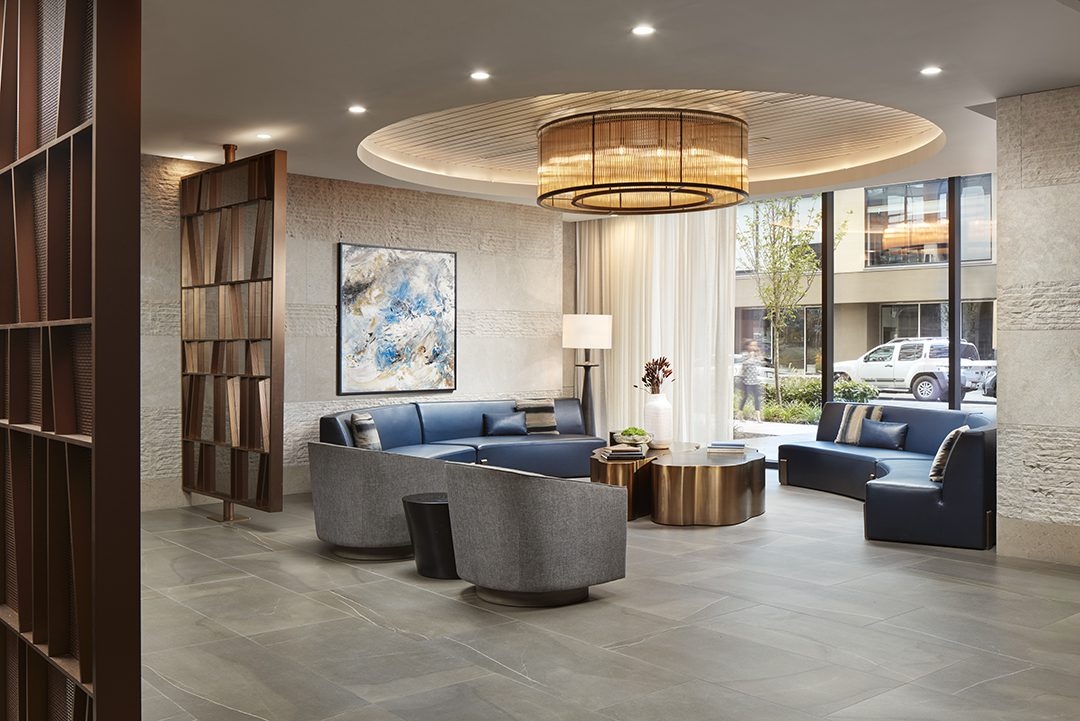
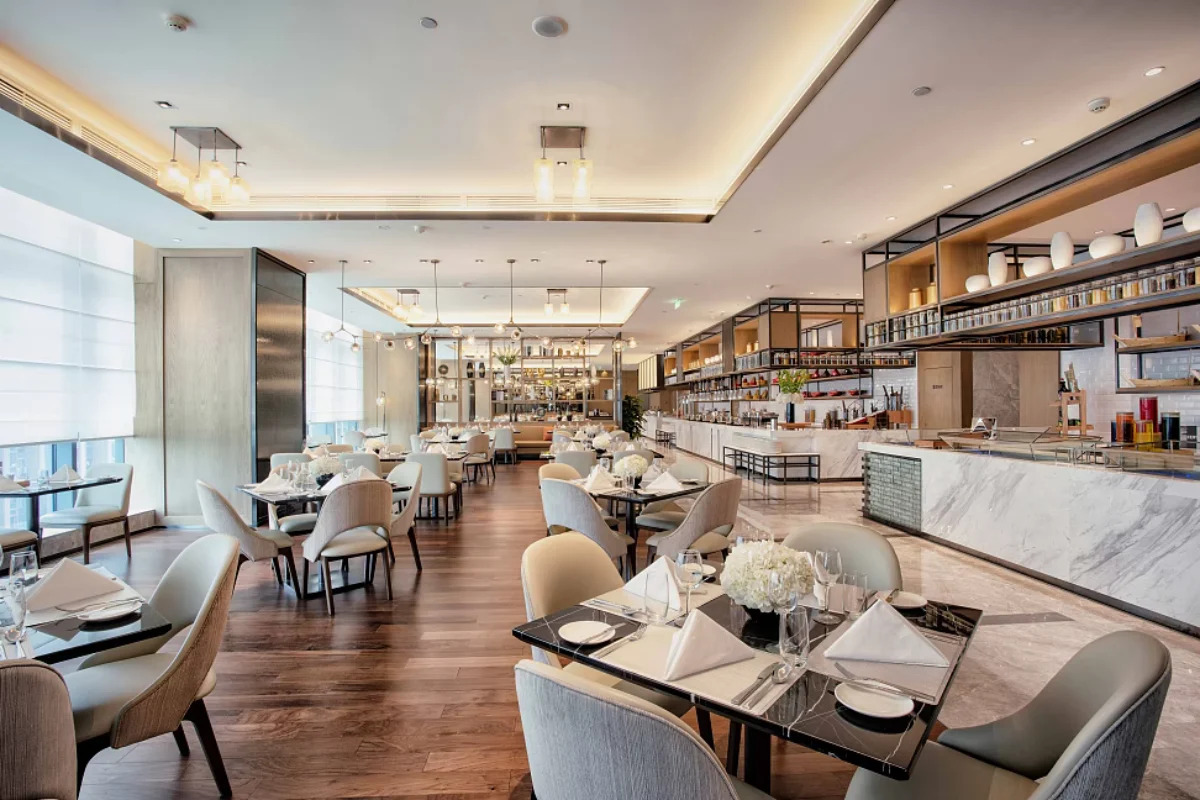
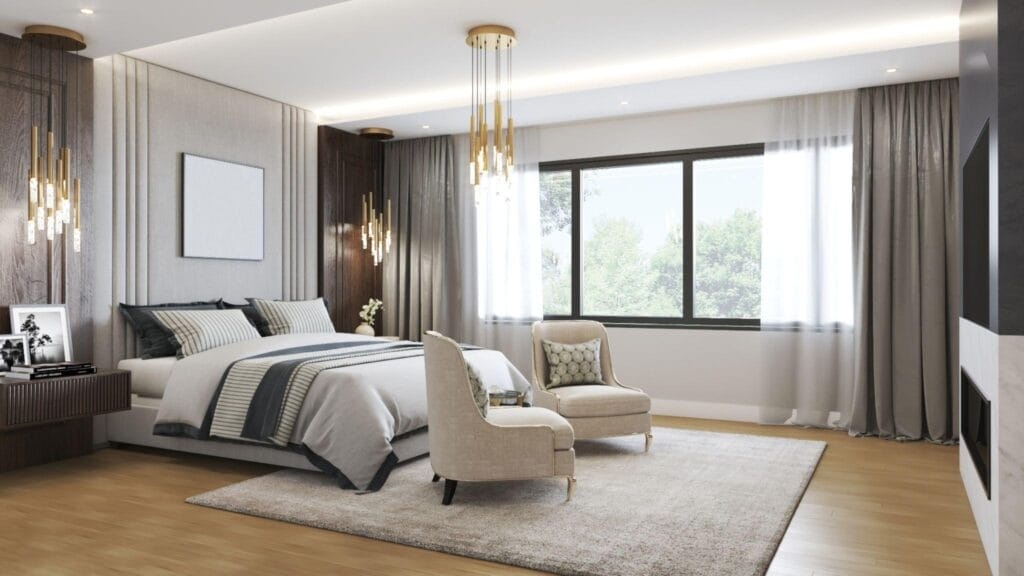
Life cycle cost in hotel furniture is a critical consideration often overlooked during procurement. While initial pricing may seem attractive, long-term expenses related to maintenance, replacement, and operations define true investment value. This article from Ngoc Hoang Anh provides an overview of life cycle cost in hotel furniture planning.
1. Understanding Life Cycle Cost in Hospitality Furniture
Life cycle cost evaluates the total expense of hotel furniture throughout its entire period of use. Rather than focusing solely on purchase price, this approach considers how furniture performs, is maintained, and ultimately replaced over time.
1.1 Initial Procurement Cost
This includes manufacturing, sourcing, logistics, and installation. While often the most visible cost, it represents only a portion of total expenditure across the furniture lifecycle.
1.2 Operational and Maintenance Cost
Daily use, housekeeping routines, and environmental conditions generate ongoing costs. Furniture requiring frequent repairs or intensive maintenance significantly increases operational spending.
1.3 Repair and Replacement Cost
Over time, components may fail or finishes deteriorate. The ease of repair, availability of spare parts, and replacement frequency directly influence long-term cost efficiency.
1.4 End-of-Life and Disposal Considerations
Furniture disposal, removal logistics, and replacement planning also contribute to life cycle cost. Durable furniture with longer service life delays these end-of-life expenses.

2. Why Initial Purchase Price Can Be Misleading
In hotel furniture procurement, initial purchase price is often used as the primary comparison metric. However, this narrow focus can obscure long-term financial implications that only become apparent once operations are underway.
2.1 Shortened Furniture Lifespan
Lower-priced furniture frequently relies on lighter construction and cost-driven materials. Under continuous hotel use, these compromises reduce service life and accelerate replacement timelines.
2.2 Increased Maintenance Frequency
Furniture that lacks hospitality-grade durability requires more frequent repairs, adjustments, and refinishing. These recurring interventions quietly inflate operational costs over time.
2.3 Operational Disruption and Downtime
Furniture failures can take guestrooms or public areas out of service. Even short periods of downtime translate into lost revenue and reduced operational efficiency, impacting overall profitability.

3. Key Factors Influencing Furniture Life Cycle Cost
Life cycle cost is shaped by a combination of design, material, and manufacturing decisions made early in the project. These factors determine how furniture performs under real hotel operating conditions.
3.1 Material Selection and Construction Standards
Material quality and internal construction directly affect durability. Hospitality-grade substrates, reinforced frames, and appropriate joinery extend service life and reduce long-term repair costs.
3.2 Furniture Design for Repairability
Furniture designed with replaceable components allows targeted repairs instead of full replacement. This approach significantly lowers cumulative costs across the furniture lifecycle.
3.3 Suitability for Hotel Operating Conditions
Furniture must withstand high occupancy, frequent cleaning, and continuous handling. Designs aligned with actual hotel operations maintain performance longer and reduce unexpected expenditure.
4. Applying Life Cycle Cost Analysis During Hotel Planning
Applying life cycle cost analysis early in the planning phase allows hotel owners and project teams to make informed furniture decisions that balance upfront investment with long-term operational performance.
4.1 Comparing Standard and Custom Furniture Options
Evaluating life cycle cost highlights differences between standard and custom furniture beyond unit price. Custom solutions often deliver longer service life and lower cumulative maintenance costs when aligned with hotel usage patterns.
4.2 Aligning Furniture Specification with Occupancy Levels
Hotels with high occupancy require furniture engineered for intensive use. Matching specifications to expected occupancy levels helps prevent premature wear and unplanned replacement.
4.3 Budget Forecasting Across the Furniture Lifecycle
Life cycle cost analysis supports more accurate budget forecasting by accounting for maintenance, repair, and replacement over time. This approach reduces financial uncertainty and improves capital planning.
4.4 Collaboration Between Designers, Operators, and Manufacturers
Effective life cycle planning requires coordination across disciplines. Early collaboration ensures furniture design, materials, and construction align with both design intent and operational realities.
5. Long-Term Value of Partnering with Hospitality Furniture Manufacturers
Life cycle cost outcomes are strongly influenced by the capabilities and accountability of the furniture manufacturer. Long-term partnerships help hotels achieve more predictable performance and cost control over time.
5.1 Performance Accountability Over Time
Experienced hospitality manufacturers take responsibility beyond delivery. Ongoing performance tracking and quality accountability help reduce unexpected failures and extend furniture service life.
5.2 Consistency Across Renovation Cycles
Hotels often renovate in phases. Working with the same manufacturing partner ensures design continuity, material consistency, and easier replication during future refurbishment stages.
5.3 Technical Support and After-Sales Service
Access to technical expertise, spare parts, and after-sales support reduces downtime and repair costs. This support structure plays a key role in managing life cycle cost throughout hotel operations.
Conclusion
Understanding life cycle cost allows hotel owners to move beyond initial pricing and evaluate furniture investment through a long-term operational lens. When durability, maintenance, and replacement cycles are considered together, furniture decisions become more strategic and financially sustainable.
By partnering with an experienced Vietnam hotel furniture manufacturer such as Ngoc Hoang Anh, hotels can better control life cycle cost while ensuring consistent performance throughout the operational lifespan.
Contact us today for expert consultation and bespoke hospitality furniture production.
-----
NGOC HOANG ANH TRADING COMPANY LIMITED
Tax Code: 3702874413
Address: No. 288/28/10 Huynh Van Luy Street, Zone 7, Phu Loi Ward, Ho Chi Minh City, Vietnam
Warehouse: No. 1/91, Thuan Giao 02 Street, Binh Thuan 2 Residential Quarter, Thuan Giao Ward, Ho Chi Minh City, Vietnam
Phone/Whatsapp/Wechat: +84342076666
Email: info@ngochoanganh.com.vn