Interior Details Housekeeping Teams Find Most Challenging
Thứ 4, 14/01/2026
Administrator
275
Housekeeping efficiency is often discussed in terms of staffing and workflow, yet interior design details quietly play a decisive role. Certain furniture features and decorative choices, while visually appealing, create recurring challenges for housekeeping teams. This article from Ngoc Hoang Anh examines the interior details that housekeeping staff find most difficult to manage in daily hotel operations.
1. Furniture Designs with Excessive Surface Complexity
Furniture designs that prioritize visual intricacy often create disproportionate challenges for housekeeping teams. While these details may enhance aesthetic appeal, they significantly increase daily cleaning time and long-term maintenance effort.
1.1 Layered Panels, Grooves, and Deep Recesses
Layered panels, carved grooves, and recessed surfaces act as dust traps that require detailed, time-consuming cleaning. These areas are difficult to reach quickly, forcing housekeeping staff to slow down or risk leaving visible dust behind.
1.2 Decorative Moldings and Ornamental Details
Decorative moldings and ornamental trims introduce multiple edges and contours that must be wiped individually. Over time, these details accumulate dirt more quickly and demand frequent attention to maintain a clean appearance.
1.3 Increased Risk of Dust Accumulation
Complex surfaces increase the likelihood of uneven cleaning results. When dust builds up in hard-to-reach areas, rooms can appear inadequately serviced even after standard cleaning routines, placing additional pressure on housekeeping teams.
2. Heavy or Hard-to-Move Furniture Pieces
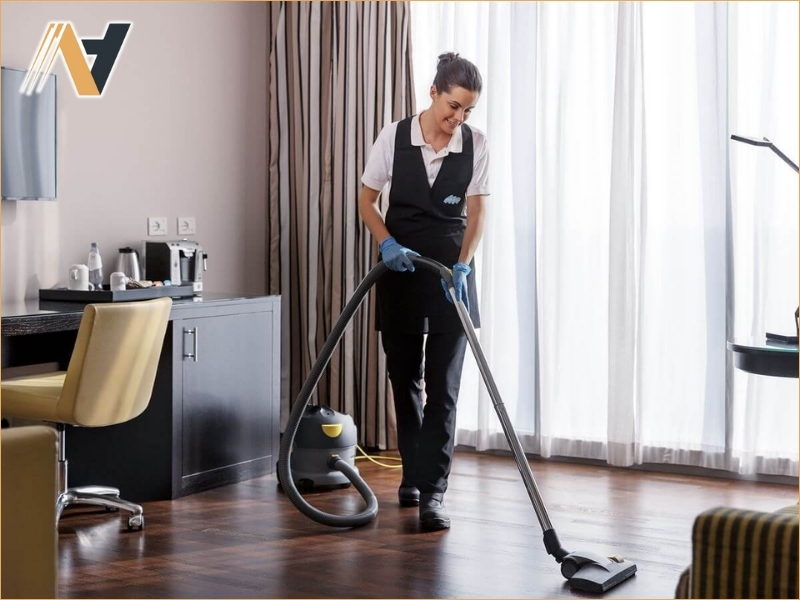
Furniture weight and mobility have a direct impact on how efficiently housekeeping teams can perform daily cleaning tasks. Pieces that are difficult to move often slow down operations and increase physical strain.
2.1 Oversized Beds and Fixed Casegoods
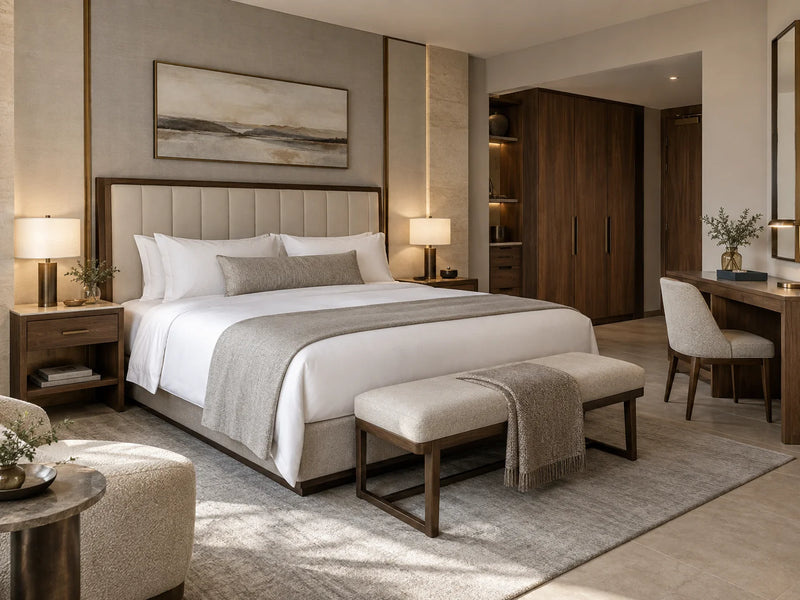
Large beds, bulky wardrobes, and fixed casegoods limit access to surrounding and underlying areas. When furniture cannot be repositioned easily, housekeeping staff must work around obstacles, increasing cleaning time and reducing consistency.
2.2 Lack of Clearance for Floor Cleaning
Heavy furniture that sits directly on the floor without clearance prevents proper vacuuming and mopping. Dust accumulation under these pieces becomes unavoidable, leading to visible cleanliness issues over time.
2.3 Increased Physical Strain for Housekeeping Staff
Repeated lifting, pulling, or awkward reaching around heavy furniture contributes to fatigue and injury risk. Physical strain slows work pace and can negatively affect both staff well-being and overall room turnover efficiency.
3. Furniture with Limited Access to Hidden Areas
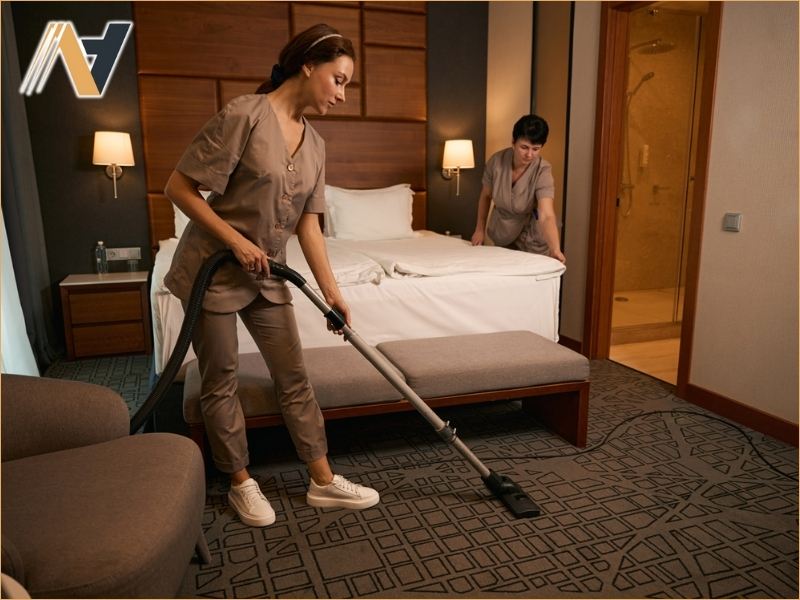
Furniture that limits access to hidden or hard-to-see areas creates persistent cleaning challenges for housekeeping teams. These blind spots not only slow daily servicing but also increase the risk of long-term hygiene issues.
3.1 Low Bed Clearance and Sealed Bases
Beds with very low clearance or fully sealed bases prevent effective under-bed cleaning. Dust and debris accumulate unnoticed, forcing housekeeping to spend extra time moving furniture or accept compromised cleanliness standards.
3.2 Cabinets Flush to Walls Without Gaps
Cabinets installed flush against walls leave no space for cleaning behind or around edges. Over time, dust buildup and moisture can occur in these inaccessible zones, creating recurring inspection and maintenance concerns.
4. Materials and Finishes That Show Dirt Easily
Material and finish selection has a major influence on how frequently housekeeping must intervene to maintain a clean appearance. Certain finishes may look refined at first but quickly become a source of recurring workload.
4.1 High-Gloss, Dark, or Textured Surfaces
High-gloss and dark finishes reveal fingerprints, dust, and streaks almost immediately after cleaning. Textured surfaces further complicate wipe-down, requiring extra time to achieve a consistently clean look.
4.2 Fabrics That Trap Dust and Stains
Upholstered surfaces with open weaves or light colors absorb dust and stains easily. These materials demand frequent vacuuming and spot cleaning, increasing servicing time and chemical usage.
4.3 Frequent Touch-Up Requirements
Finishes that scratch or mark easily require repeated touch-ups to maintain visual standards. This ongoing attention adds to housekeeping workload and creates additional coordination with maintenance teams.
5. Inconsistent Furniture Design Across Rooms
Inconsistency in furniture design across guestrooms may appear minor from a design perspective, but it creates significant challenges for housekeeping operations. Variation increases cognitive load, slows routines, and reduces overall efficiency at scale.
5.1 Different Furniture Layouts and Dimensions
When room layouts and furniture dimensions vary, housekeeping staff must constantly adjust cleaning sequences. This lack of repetition disrupts muscle memory and increases the time required to service each room consistently.
5.2 Non-Standard Cleaning Procedures
Different furniture types demand different cleaning approaches. Without standardized procedures, staff may miss areas or spend extra time adapting techniques, leading to uneven cleaning quality across rooms.
5.3 Longer Training and Slower Room Turnover
New staff require more training time to learn multiple room configurations. Inconsistent furniture design slows onboarding and reduces daily room turnover, especially during peak occupancy periods.
Conclusion
Interior details that appear refined on paper can quietly become daily obstacles for housekeeping teams when operational realities are overlooked. Excessive surface complexity, heavy furniture, limited access to hidden areas, high-maintenance finishes, and inconsistent room design all contribute to longer cleaning times and increased staff fatigue. When these challenges accumulate across hundreds of rooms, they significantly affect efficiency, cost, and service consistency.
By designing interiors with housekeeping workflows in mind, hotels can reduce operational friction while maintaining visual quality. For properties seeking practical, durable, and well-considered solutions, Ngoc Hoang Anh provides expertly engineered Vietnam hotel furniture developed to balance aesthetics with real-world hospitality operations.
Contact us today for expert consultation and bespoke hospitality furniture production.
-----
NGOC HOANG ANH TRADING COMPANY LIMITED
Tax Code: 3702874413
Address: No. 288/28/10 Huynh Van Luy Street, Zone 7, Phu Loi Ward, Ho Chi Minh City, Vietnam
Warehouse: No. 1/91, Thuan Giao 02 Street, Binh Thuan 2 Residential Quarter, Thuan Giao Ward, Ho Chi Minh City, Vietnam
Phone/Whatsapp/Wechat: +84342076666
Email: info@ngochoanganh.com.vn