How Poor Minibar Cabinet Design Increases Energy Use and Reduces Appliance Lifespan
Thứ 3, 30/12/2025
Administrator
319
Minibar performance is influenced not only by the appliance itself but also by how the cabinet is designed and installed. Poor minibar cabinet design often causes overheating, higher electricity consumption, and premature equipment failure. This article from Ngoc Hoang Anh examines how improper minibar cabinet design impacts energy efficiency and appliance lifespan in hotel guestrooms.
1. Understanding How Minibar Cooling Systems Operate
To understand why minibar cabinet design matters, it is essential to first consider how minibar cooling systems function. Unlike freestanding household refrigerators, hotel minibars operate in confined spaces and rely heavily on proper airflow and heat dissipation to maintain efficiency and reliability.
1.1 Heat Dissipation Requirements of Minibar Units
All minibar units generate heat during operation, particularly at the rear and lower sections where cooling components are located. This heat must be released into the surrounding environment to prevent internal temperature buildup and performance degradation.
1.2 Airflow Dependency in Absorption and Compressor Systems
Both absorption and compressor-based minibars depend on continuous airflow to regulate operating temperature. Absorption systems are especially sensitive to restricted ventilation, while compressor units increase workload when airflow is insufficient.
1.3 Impact of Restricted Ventilation on Cooling Efficiency
When airflow is limited by cabinet design, heat becomes trapped around the unit. As a result, cooling efficiency drops, energy consumption rises, and the minibar operates under constant strain, accelerating wear on internal components.
2. Common Cabinet Design Mistakes That Trap Heat
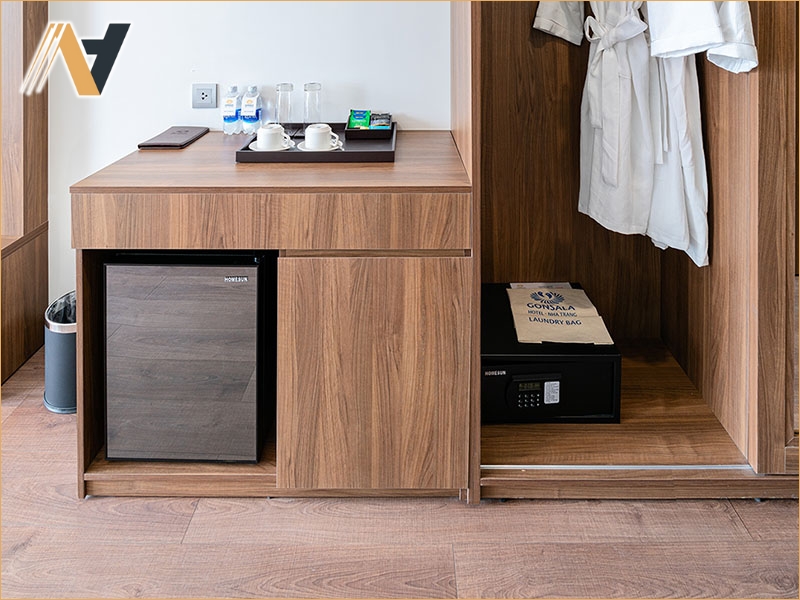
Many minibar performance issues originate not from the appliance itself but from cabinet design errors. These mistakes restrict airflow, trap heat, and force the minibar to operate outside its intended conditions.
2.1 Fully Enclosed Cabinets Without Ventilation Gaps
Cabinets designed as closed boxes prevent heat from escaping during operation. Without ventilation openings, hot air accumulates around the unit, causing internal temperatures to rise and reducing cooling efficiency.
2.2 Inadequate Rear and Side Clearance
Minibars require minimum clearance around the rear and sides to allow air circulation. Cabinets that fit the appliance too tightly block airflow paths, forcing the system to work harder to maintain temperature.
2.3 Solid Back Panels Blocking Heat Release
Solid back panels are a common design flaw in minibar cabinetry. By sealing off the rear of the unit, these panels trap heat at the primary dissipation point, accelerating overheating and long-term component stress.
3. Increased Energy Consumption Caused by Poor Design
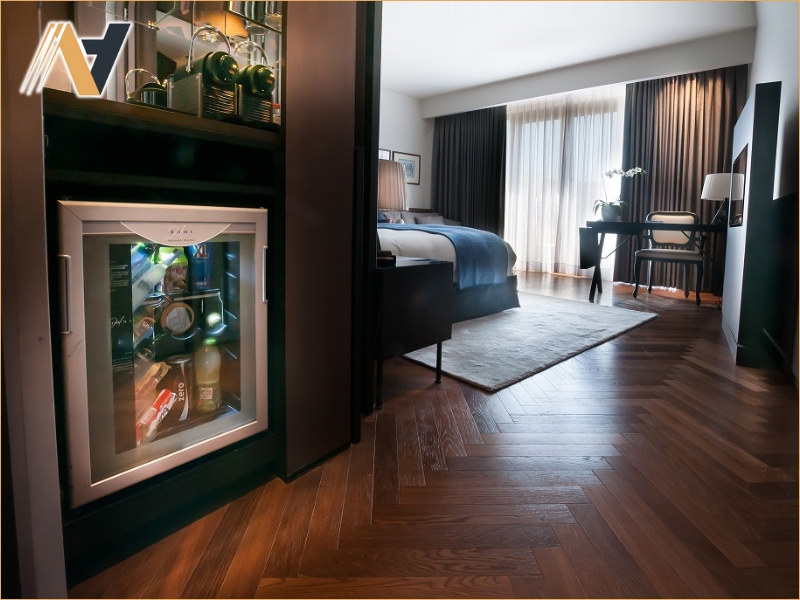
When minibar cabinets restrict ventilation, the appliance compensates by operating longer and harder. This inefficiency directly translates into higher energy consumption and increased operating costs across hotel properties.
3.1 Continuous Compressor Operation and Power Draw
Poor airflow prevents heat from dissipating, causing the compressor to run more frequently. Continuous operation increases electricity usage and places constant stress on cooling components.
3.2 Higher Electricity Costs Across Multiple Rooms
In hotels with hundreds of guestrooms, inefficient minibar cabinets amplify energy waste. Even small increases in power consumption per unit accumulate into significant monthly electricity costs.
3.3 Inconsistent Cooling Performance for Guests
As minibars struggle to regulate temperature, cooling performance becomes unstable. Guests may experience warm beverages or inconsistent cooling, leading to dissatisfaction and negative feedback.

4. Reduced Equipment Lifespan and Maintenance Issues
Poor minibar cabinet design does not only increase energy consumption but also accelerates equipment deterioration. Prolonged exposure to excessive heat shortens component lifespan and raises maintenance demands across hotel operations.
4.1 Compressor Stress and Early Failure Risks
When heat is trapped inside the cabinet, the compressor operates under constant strain. Elevated operating temperatures significantly increase the risk of premature compressor failure, which is one of the most costly minibar repairs.
4.2 Increased Frequency of Repairs and Replacement
Overheated components wear out faster, leading to more frequent breakdowns. Hotels may face repeated service calls, higher spare part consumption, and unplanned minibar replacements within a shortened timeframe.
4.3 Impact on Warranty and Manufacturer Support
Many minibar manufacturers specify ventilation requirements as part of warranty conditions. Improper cabinet design can void warranty coverage, leaving hotels fully responsible for repair and replacement costs.
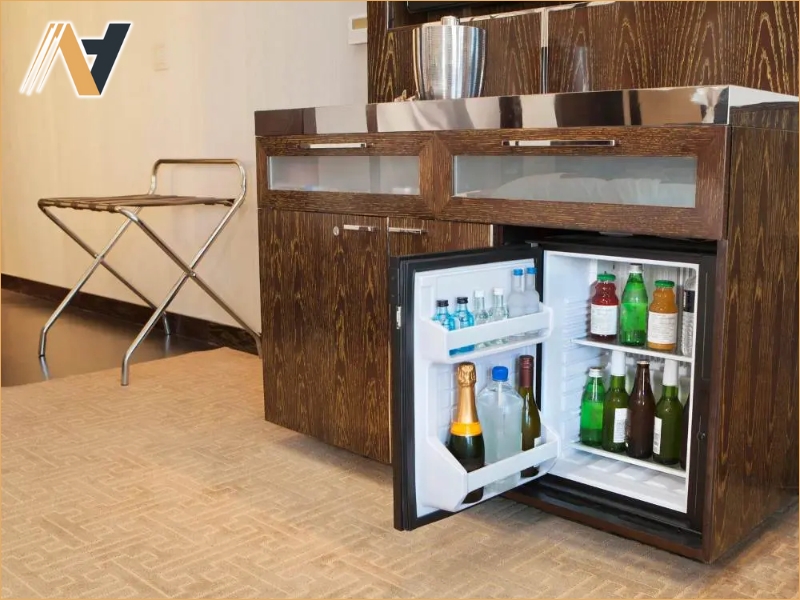
5. Design Guidelines for Energy-Efficient Minibar Cabinets
An energy-efficient minibar cabinet must be designed as a technical housing rather than a decorative enclosure. Proper coordination between furniture design and appliance specifications is essential to protect performance and longevity.
5.1 Ventilation Openings and Airflow Planning
Effective minibar cabinets incorporate ventilation openings at the rear, base, or sides to allow heat to escape naturally. Planned airflow paths prevent heat buildup and support stable operating temperatures.
5.2 Material Selection and Heat Resistance
Cabinet materials should tolerate prolonged exposure to heat without warping or degrading. Heat-resistant substrates and finishes help maintain structural integrity and prevent long-term cabinet damage.
5.3 Coordination Between Furniture and Appliance Specifications
Minibar dimensions, clearance requirements, and ventilation guidelines must be aligned with manufacturer specifications. Early coordination between furniture suppliers and appliance vendors reduces performance risks and avoids costly retrofits.

Conclusion
Minibar cabinet design plays a decisive role in both energy efficiency and equipment lifespan. When ventilation, clearance, and material selection are overlooked, minibars are forced to operate under excessive heat, leading to higher electricity consumption, unstable performance, and premature component failure. What may appear as a minor cabinetry detail can quietly create long-term operational and maintenance burdens for hotels.
By treating minibar cabinets as technical furniture rather than purely decorative elements, hotels can protect appliance performance and control operating costs more effectively. With experience in developing hospitality-focused Vietnam hotel furniture, Ngoc Hoang Anh supports hotels in designing minibar cabinetry that balances aesthetics, energy efficiency, and long-term equipment reliability.
Contact us today for expert consultation and bespoke hospitality furniture production.
-----
NGOC HOANG ANH TRADING COMPANY LIMITED
Tax Code: 3702874413
Address: No. 288/28/10 Huynh Van Luy Street, Zone 7, Phu Loi Ward, Ho Chi Minh City, Vietnam
Warehouse: No. 1/91, Thuan Giao 02 Street, Binh Thuan 2 Residential Quarter, Thuan Giao Ward, Ho Chi Minh City, Vietnam
Phone/Whatsapp/Wechat: +84342076666
Email: info@ngochoanganh.com.vn