How Interior Design Reduces Damage and Maintenance Costs in Hotels
Thứ 2, 12/01/2026
Administrator
330
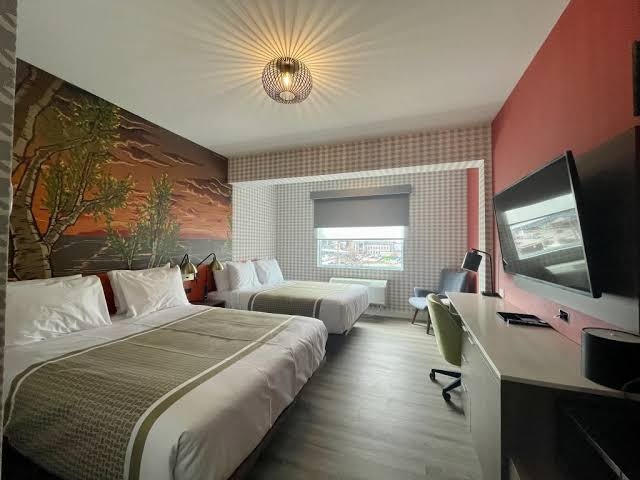
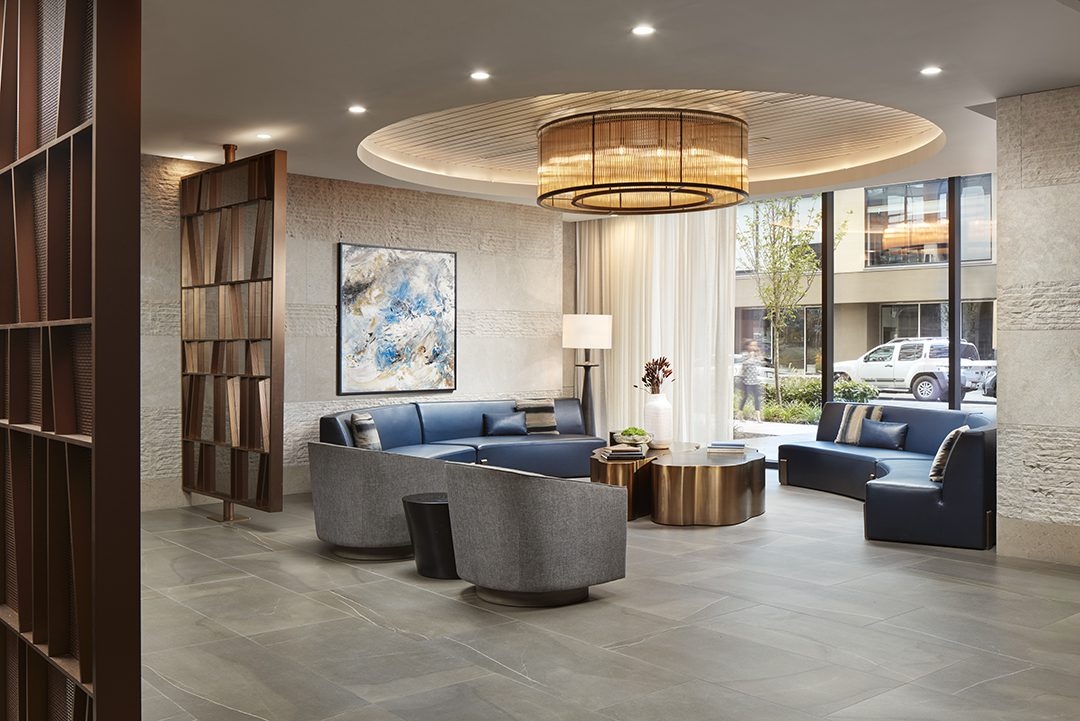
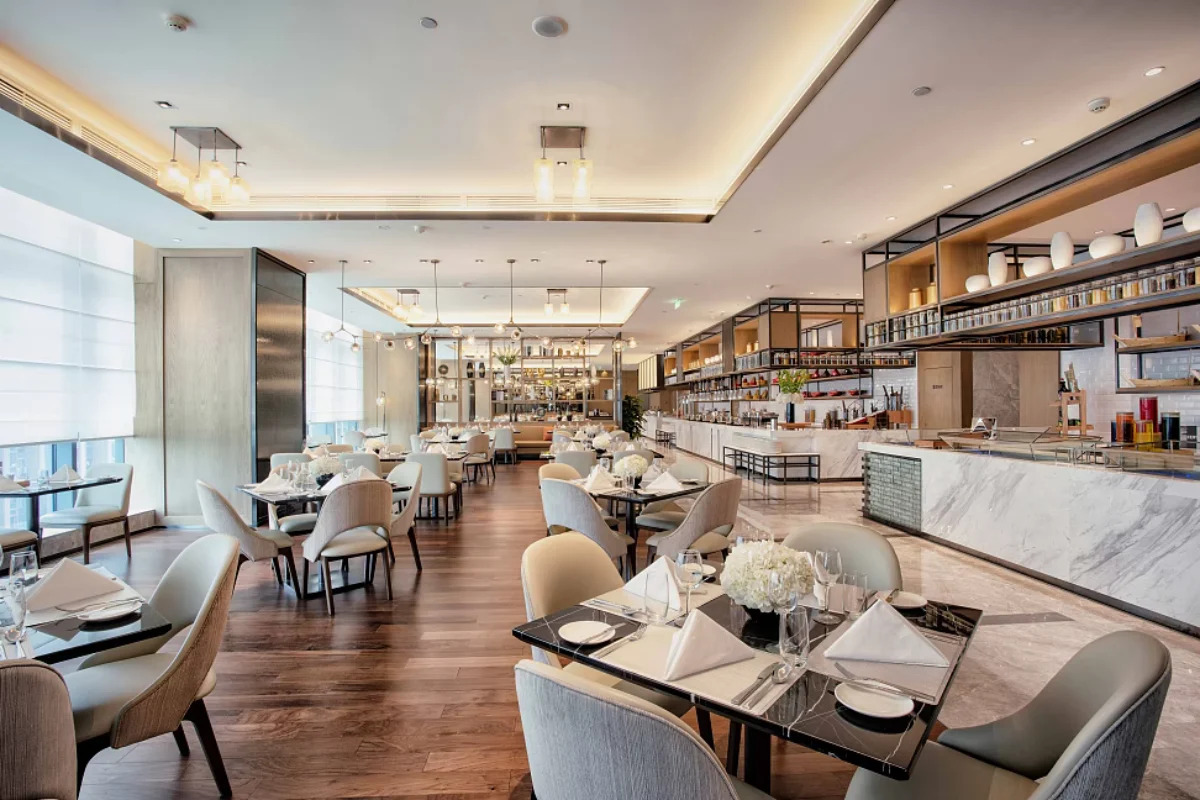
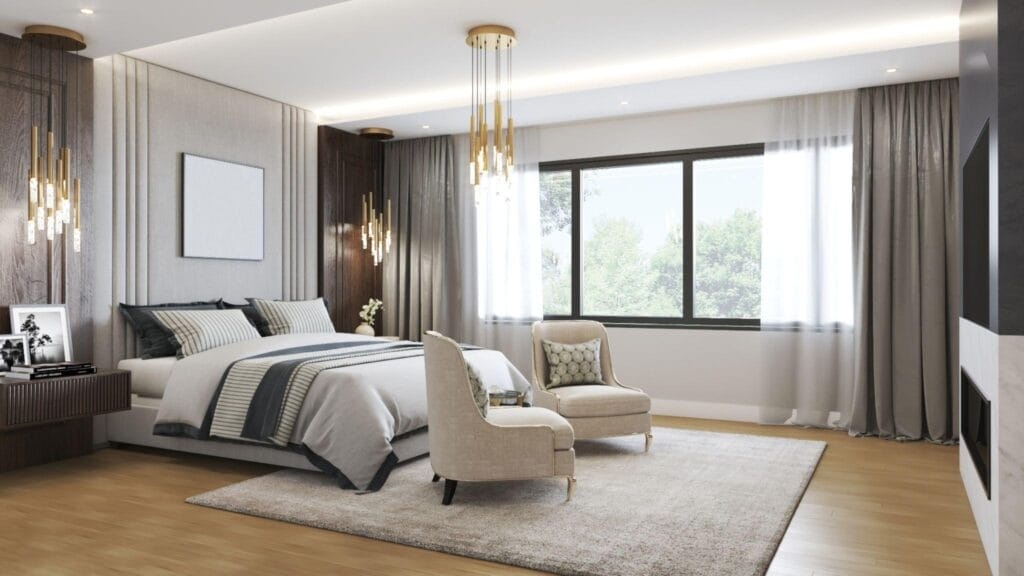
In hotel operations, maintenance cost is not determined solely by usage intensity but largely by design decisions made from the beginning. Furniture structure, layout, material selection, and detailing all influence how often repairs are needed and how costly they become. This article from Ngoc Hoang Anh explores how thoughtful interior design can significantly reduce damage and long-term maintenance expenses in hotels.
1. Furniture Structure Designed for Hospitality Use
One of the most effective ways to reduce furniture damage and maintenance cost in hotels is to ensure that furniture structures are engineered specifically for hospitality use. Furniture that appears visually suitable may still fail prematurely if its internal construction does not match operational demands.
1.1 Reinforced Frames and Load-Bearing Zones
Hospitality furniture is designed with reinforced frames that distribute weight evenly across load-bearing zones. This structural reinforcement reduces stress concentration and prevents early deformation under continuous daily use.
1.2 Joint Design That Resists Loosening Over Time
Proper joint construction, including reinforced joinery and mechanical fasteners, helps furniture withstand repetitive movement. When joints resist loosening, furniture remains stable longer and requires fewer repairs.
1.3 Avoiding Residential Furniture Standards in Hotels
Residential furniture standards are not intended for high-frequency use. Applying hospitality-grade construction from the outset helps hotels avoid frequent failures, reducing both downtime and long-term maintenance expenses.
2. Material Selection That Minimizes Wear and Tear
Material choice plays a critical role in determining how often hotel furniture requires repair or replacement. Selecting materials engineered for hospitality environments significantly reduces long-term wear and maintenance demands.
2.1 High-Density Substrates and Hospitality-Grade Finishes
High-density substrates provide stronger support for fasteners and joints, preventing premature loosening. Hospitality-grade finishes protect surfaces from abrasion and maintain appearance despite frequent contact and cleaning.
2.2 Resistance to Moisture, Heat, and Cleaning Chemicals
Hotel furniture is exposed to humidity, temperature variation, and regular chemical cleaning. Materials designed to resist these conditions maintain structural stability and reduce surface degradation over time.
2.3 Surface Durability in High-Contact Areas
Areas such as tabletops, chair arms, and cabinet edges experience constant contact. Durable surface materials reduce chipping, scratching, and staining, lowering the need for ongoing touch-ups and repairs.
3. Layout Planning That Reduces Impact and Collision
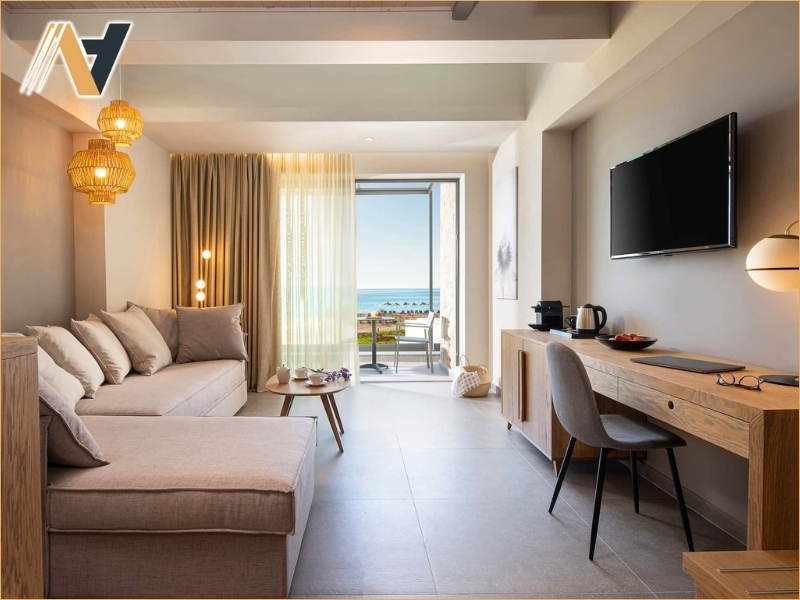
Poor layout planning often leads to accidental impacts, edge damage, and premature wear during both guest use and daily operations. Thoughtful spatial planning helps protect furniture and reduce maintenance frequency.
3.1 Clear Circulation Paths for Guests and Staff
Adequate circulation space allows guests and housekeeping staff to move without brushing against furniture edges. Clear paths reduce repeated contact that causes dents, scratches, and structural stress over time.
3.2 Proper Spacing Between Furniture Pieces
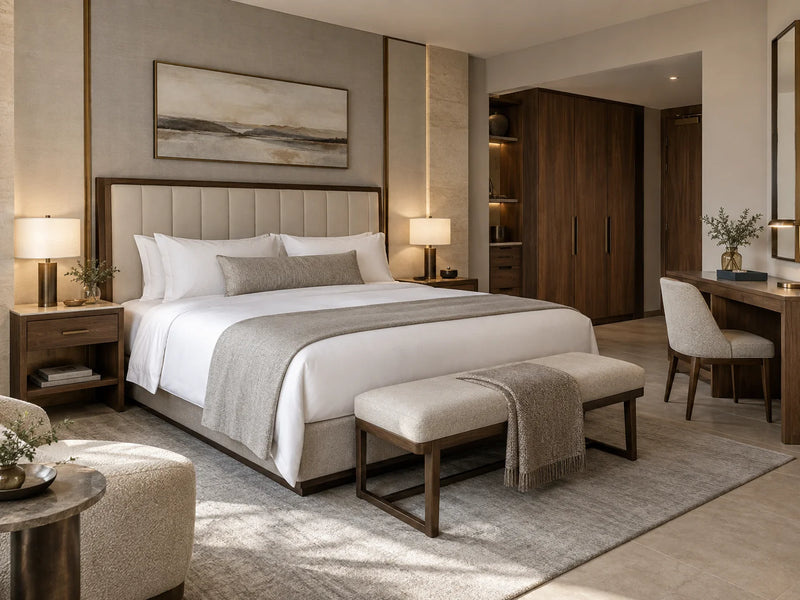
Furniture placed too close together increases collision risk, especially during luggage movement or cleaning. Proper spacing minimizes accidental knocks and allows furniture to maintain its condition longer.
3.3 Reducing Damage During Housekeeping Operations
Housekeeping activities involve equipment movement, linen handling, and frequent repositioning. Layouts that accommodate these tasks reduce accidental impacts, lowering repair needs and extending furniture lifespan.
4. Design Details That Simplify Maintenance and Repair
Beyond structure and layout, small design details have a significant impact on how easily furniture can be maintained over time. Maintenance-friendly detailing helps hotels reduce labor hours, repair costs, and room downtime.
4.1 Modular Components and Easy Replacement Parts
Furniture designed with modular components allows damaged parts to be replaced individually rather than requiring full unit replacement. This approach shortens repair time and significantly lowers maintenance expenditure across multiple rooms.
4.2 Accessible Panels and Service Zones
Panels, access points, and service zones that are easy to open simplify inspections and repairs. When technicians can access internal components without dismantling entire units, maintenance becomes faster and less disruptive.
4.3 Limiting Overly Complex Decorative Details
Highly intricate trims, carvings, or layered details are more vulnerable to damage and harder to repair. Simplified detailing maintains a refined appearance while reducing breakage risk and long-term maintenance effort.
5. Standardization and Consistency Across Rooms
Standardization is a powerful yet often underestimated strategy for reducing maintenance complexity in hotel operations. Consistent furniture design across rooms enables predictable performance and more efficient long-term asset management.
5.1 Reduced Spare Part Inventory Complexity
When furniture specifications are standardized, hotels can limit the variety of spare parts required. Fewer component types simplify inventory management and reduce delays caused by sourcing mismatched parts.
5.2 Faster Maintenance Training and Execution
Maintenance teams become more efficient when working with familiar furniture systems. Consistency across rooms shortens training time, improves repair accuracy, and reduces the likelihood of handling errors.
5.3 Predictable Life Cycle Cost Management
Standardized furniture allows hotels to forecast wear patterns and replacement cycles more accurately. Predictability supports better budgeting, smoother refurbishment planning, and controlled long-term maintenance costs.
Conclusion
Thoughtful interior design plays a decisive role in reducing furniture damage and long-term maintenance costs in hotel operations. By selecting hospitality-grade structures, durable materials, well-planned layouts, and maintenance-friendly detailing, hotels can significantly minimize breakdowns and extend the service life of their interiors. These design decisions directly translate into lower repair frequency and more predictable operational expenses.
For hotels seeking reliable, performance-driven solutions, Ngoc Hoang Anh delivers expertly engineered Vietnam hotel furniture developed with real operational demands in mind. Each project balances durability, ease of maintenance, and refined aesthetics to support sustainable hotel performance.
Contact us today for expert consultation and bespoke hospitality furniture production.
-----
NGOC HOANG ANH TRADING COMPANY LIMITED
Tax Code: 3702874413
Address: No. 288/28/10 Huynh Van Luy Street, Zone 7, Phu Loi Ward, Ho Chi Minh City, Vietnam
Warehouse: No. 1/91, Thuan Giao 02 Street, Binh Thuan 2 Residential Quarter, Thuan Giao Ward, Ho Chi Minh City, Vietnam
Phone/Whatsapp/Wechat: +84342076666
Email: info@ngochoanganh.com.vn