How Furniture Design Impacts Housekeeping Cleaning Time in Hotels
Thứ 2, 12/01/2026
Administrator
316
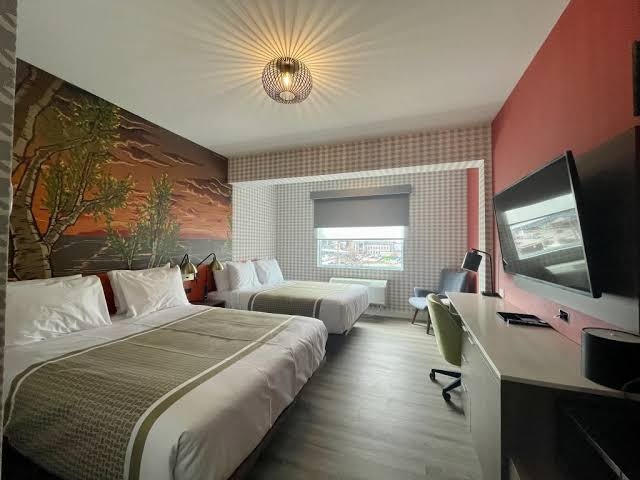
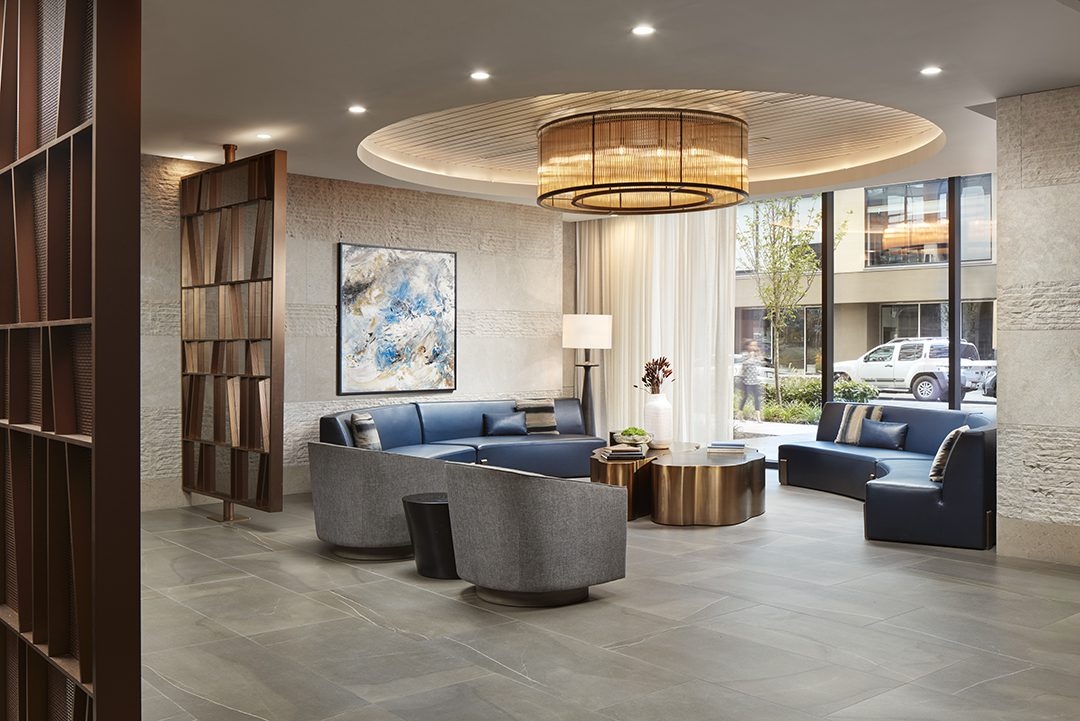
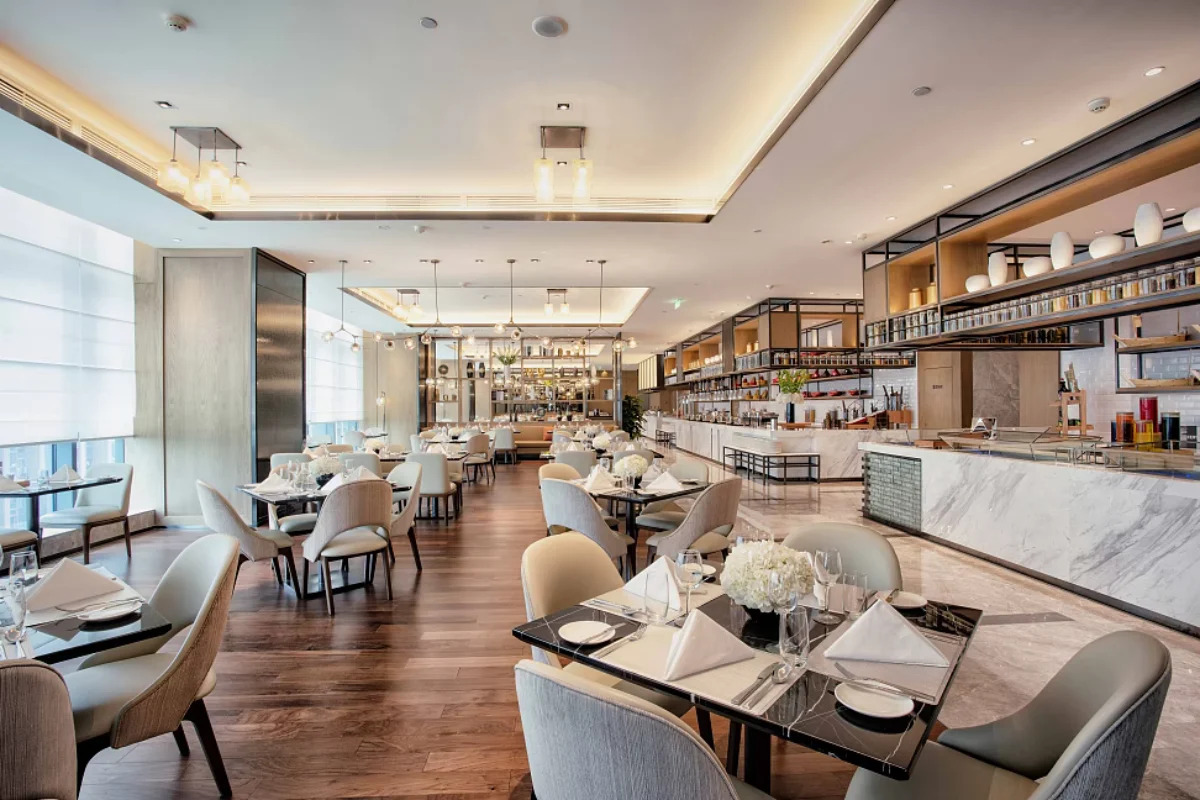
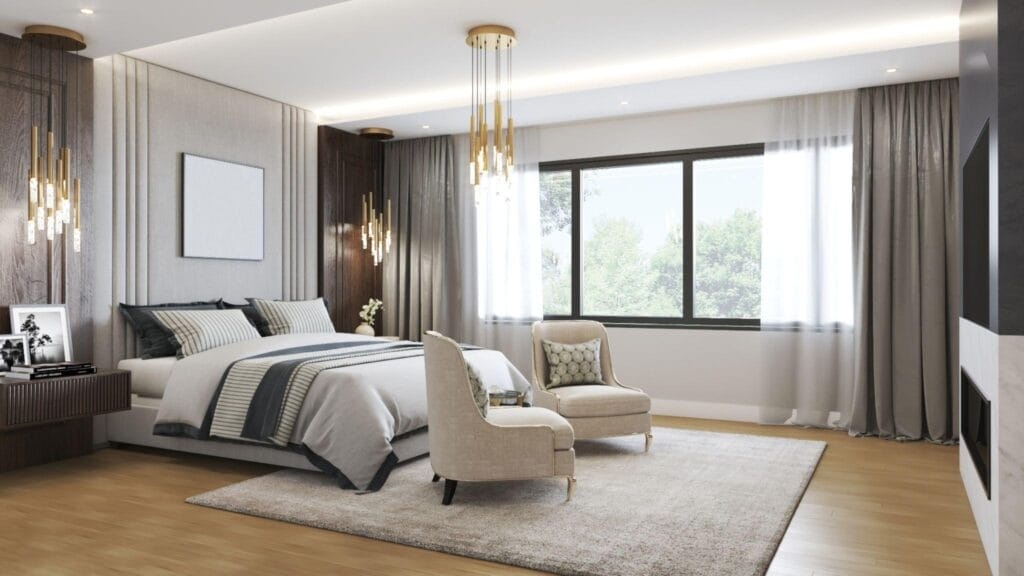
Housekeeping efficiency is a critical operational factor in hotel performance, yet furniture design is often overlooked when evaluating cleaning time. The way furniture is structured, positioned, and detailed can either streamline housekeeping workflows or create unnecessary obstacles. This article from Ngoc Hoang Anh explores how hotel furniture design directly impacts room cleaning time and operational efficiency.
1. Furniture Layout and Cleaning Workflow Efficiency
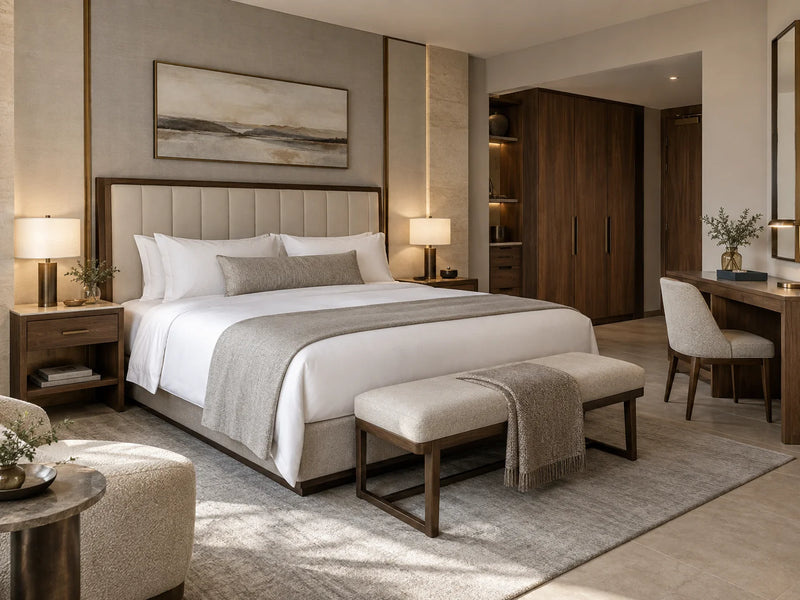
The layout of furniture within a guestroom plays a decisive role in how efficiently housekeeping staff can complete daily cleaning tasks. Well-planned layouts support natural movement and reduce unnecessary backtracking, directly shortening room servicing time.
1.1 Clear Circulation Paths Around Key Furniture Pieces
Furniture positioned with adequate clearance allows housekeeping staff to move freely between bed, bathroom, and storage areas. Clear circulation paths reduce interruptions in cleaning flow and minimize time spent navigating around obstacles.
1.2 Furniture Spacing and Access to Floor Areas
Sufficient spacing between furniture pieces ensures easy access to floor surfaces. When vacuuming and mopping can be completed without moving heavy furniture, cleaning becomes faster and more consistent.
1.3 Impact on Sequential Cleaning Flow
Efficient layouts allow housekeeping teams to follow a logical, repeatable cleaning sequence. This consistency improves speed, reduces mental load, and helps maintain uniform cleaning standards across rooms.
2. Furniture Height and Access to Hidden Areas
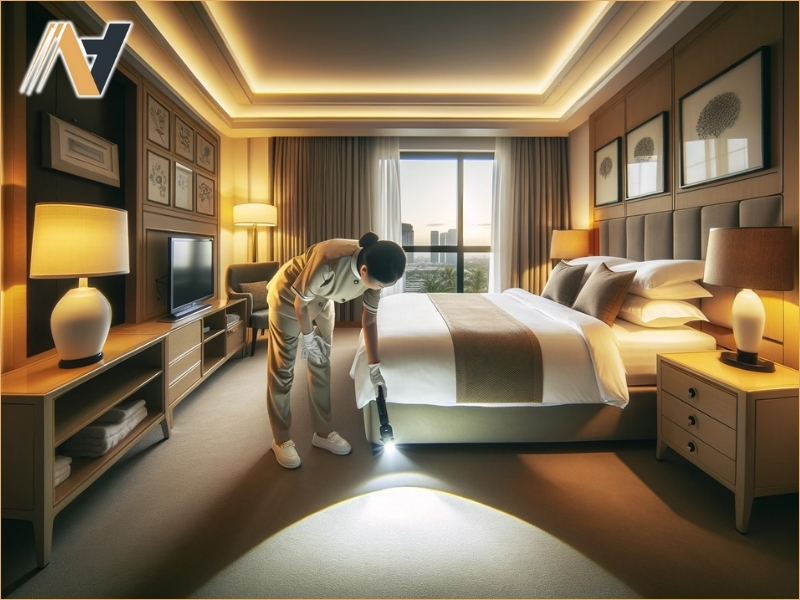
Furniture height directly affects how easily housekeeping staff can reach, clean, and inspect areas that are not immediately visible. Poorly proportioned furniture increases physical strain and extends cleaning time across daily operations.
2.1 Bed Height and Under-Bed Cleaning Access
Bed height determines whether housekeeping can clean underneath without excessive bending or moving the bed. Adequate clearance allows vacuuming tools to pass through easily, reducing both cleaning time and physical fatigue for staff.
2.2 Cabinet Clearance and Reach Zones
Cabinets that are too low, too deep, or poorly positioned create difficult reach zones. When staff must stretch, crouch, or reposition themselves to clean surfaces, overall room servicing time increases and consistency declines.
3. Surface Complexity and Dust Accumulation
The complexity of furniture surfaces has a direct impact on how much time housekeeping must spend on detailed cleaning. Designs that appear visually rich often introduce additional dust traps that slow down daily servicing.
3.1 Flat Versus Layered Surfaces
Flat, uninterrupted surfaces are significantly faster to clean than layered or stepped designs. Furniture with multiple ledges, grooves, or recessed panels requires extra wiping time and increases the risk of missed dust during routine cleaning.
3.2 Open Shelving and Decorative Details
Open shelves, decorative trims, and exposed frameworks collect dust more quickly than enclosed storage. While visually appealing, these elements add multiple touchpoints that extend cleaning time, especially in rooms with daily turnover.
3.3 Material Finishes and Cleaning Speed
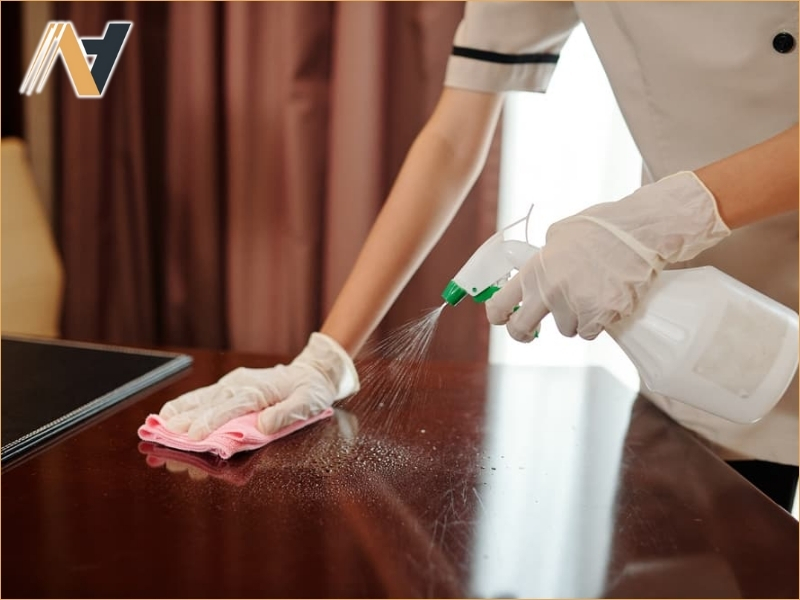
Smooth, sealed finishes allow housekeeping staff to wipe surfaces quickly and effectively. Textured materials or porous finishes demand more effort and frequent attention, increasing cumulative cleaning time across multiple rooms.
4. Furniture Mobility and Handling Requirements
The way furniture is designed to move, or remain fixed, directly affects the physical effort and time required during housekeeping operations. Furniture mobility influences not only cleaning speed but also staff fatigue and long-term operational efficiency.
4.1 Lightweight Versus Heavy Furniture Pieces
Lightweight furniture allows housekeeping staff to reposition items quickly when needed, enabling easier access to floors and hidden areas. In contrast, overly heavy furniture slows down cleaning tasks and often discourages thorough floor servicing.
4.2 Fixed Furniture and Limited Cleaning Access
Fixed furniture such as built-in cabinets or immovable beds can restrict access to certain areas. When cleaning access is limited, housekeeping staff may need to adjust routines or skip areas, increasing time pressure and reducing cleaning consistency.
4.3 Impact on Staff Fatigue and Cleaning Time
Furniture that requires frequent lifting or awkward handling contributes to physical strain. Over time, increased fatigue reduces cleaning speed and consistency, ultimately extending room turnaround times and impacting staff well-being.
5. Maintenance-Friendly Design and Long-Term Efficiency
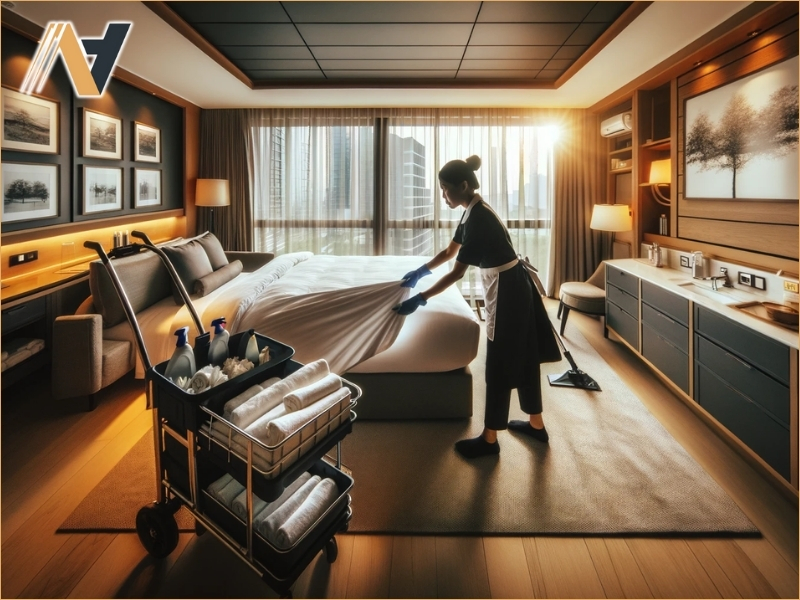
Beyond daily cleaning tasks, furniture that is designed with maintenance in mind helps housekeeping teams sustain efficiency over time. Small design decisions can significantly reduce cumulative cleaning effort across months and years of operation.
5.1 Durable Materials and Stain Resistance
Furniture surfaces that resist stains, moisture, and cleaning chemicals require less intensive scrubbing. Durable materials maintain appearance longer, allowing housekeeping to clean efficiently without repeated spot treatment.
5.2 Simplified Detailing for Faster Wipe-Down
Clean-lined furniture with minimal joints, trims, and recesses allows faster wipe-down during routine servicing. Simplified detailing reduces time spent on precision cleaning while still supporting a refined visual aesthetic.
5.3 Consistency Across Rooms and Training Efficiency
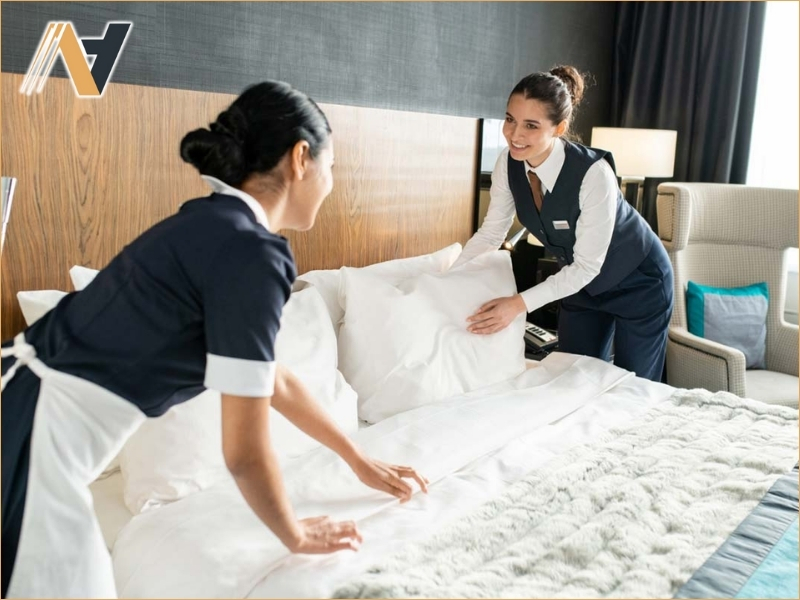
When furniture design is consistent across guestrooms, housekeeping staff can follow standardized cleaning routines. This consistency shortens training time, improves speed, and helps maintain uniform cleaning quality throughout the property.
Conclusion
Furniture design plays a critical role in determining how efficiently housekeeping teams can service guestrooms each day. Thoughtful layout planning, appropriate furniture height, simplified surfaces, and manageable mobility all contribute to smoother workflows and reduced cleaning time. When furniture supports natural movement and easy access, housekeeping operations become faster, safer, and more consistent.
For hotels seeking to optimize operational efficiency without compromising design quality, Ngoc Hoang Anh provides carefully engineered Vietnam hotel furniture developed with real housekeeping workflows in mind. Each solution balances durability, functionality, and refined aesthetics to support long-term performance in demanding hospitality environments.
Contact us today for expert consultation and bespoke hospitality furniture production.
-----
NGOC HOANG ANH TRADING COMPANY LIMITED
Tax Code: 3702874413
Address: No. 288/28/10 Huynh Van Luy Street, Zone 7, Phu Loi Ward, Ho Chi Minh City, Vietnam
Warehouse: No. 1/91, Thuan Giao 02 Street, Binh Thuan 2 Residential Quarter, Thuan Giao Ward, Ho Chi Minh City, Vietnam
Phone/Whatsapp/Wechat: +84342076666
Email: info@ngochoanganh.com.vn