Hidden Costs of Choosing Low-Cost Hotel Furniture
Thứ 4, 17/12/2025
Administrator
348
Hidden costs of choosing low-cost hotel furniture are often overlooked during procurement but become evident once operations begin. This article from Ngoc Hoang Anh outlines how initial savings can lead to higher long-term expenses and operational challenges in hotel environments.
1. Higher Maintenance and Repair Expenses Over Time
Low-cost hotel furniture often appears acceptable at installation, but its limitations become evident once exposed to daily operations. Inferior materials and simplified construction lead to frequent maintenance issues that gradually increase operational costs.
1.1 Frequent Hardware Failures and Loose Joinery
Handles, hinges, and fasteners made from low-grade components tend to loosen or fail quickly under repeated use. These small defects require constant attention from maintenance teams and disrupt room availability.
1.2 Surface Damage Requiring Constant Touch-Ups
Low-quality finishes are more vulnerable to scratches, stains, and discoloration. Regular touch-ups and refinishing become necessary to maintain acceptable visual standards, adding hidden labor and material costs.
1.3 Increased Labor Time for Maintenance Teams
As repair frequency rises, maintenance staff must dedicate more time to furniture-related issues. This reduces efficiency and diverts resources away from other critical operational tasks.

2. Accelerated Replacement Cycles and Capital Loss
Although low-cost furniture reduces initial investment, its shortened lifespan often forces hotels into early replacement cycles. These unplanned expenditures erode capital efficiency and disrupt long-term asset planning.
2.1 Shortened Furniture Lifespan in High-Traffic Areas
Guestrooms, corridors, and public spaces experience constant use. Low-cost furniture in these areas deteriorates rapidly, requiring replacement far sooner than expected.
2.2 Partial Damage Leading to Full Replacement
When furniture lacks modular components, damage to a single element often necessitates replacing the entire piece, increasing material waste and capital loss.
2.3 Budget Disruption from Unplanned Refurbishment
Early furniture failure frequently triggers unexpected refurbishment projects. These disruptions place pressure on capital budgets and complicate long-term financial forecasting.
3. Impact on Guest Experience and Brand Perception
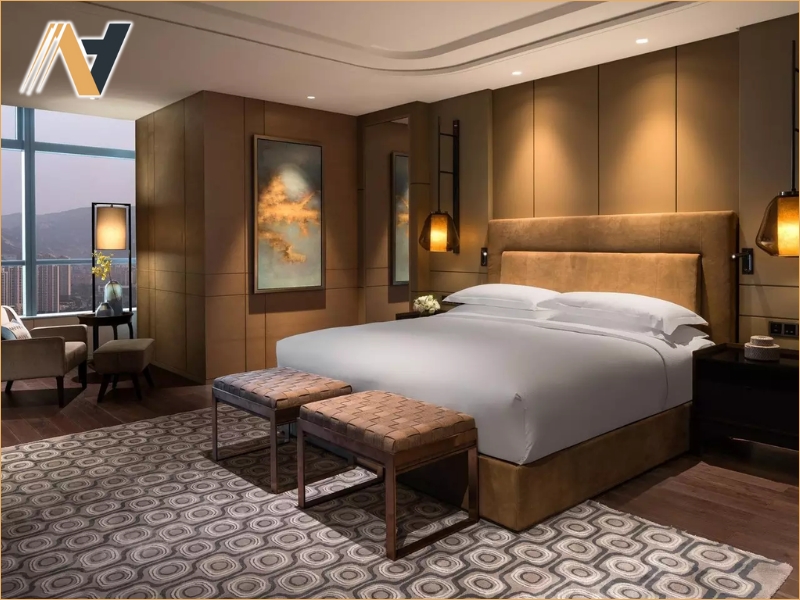
Furniture quality directly influences how guests perceive comfort, cleanliness, and overall brand value. Low-cost furniture often shows visible signs of wear early, subtly undermining the guest experience.
3.1 Visible Wear That Affects First Impressions
Scratched surfaces, loose components, and uneven finishes are quickly noticed by guests. These details shape first impressions and influence perceptions of overall quality.
3.2 Comfort Issues Influencing Guest Satisfaction
Low-grade cushioning, unstable seating, and poorly constructed beds compromise comfort. Over time, these issues impact guest satisfaction and repeat bookings.
3.3 Negative Reviews Linked to Room Quality
Guests increasingly associate furniture condition with room quality. Visible deterioration often results in negative feedback, affecting online ratings and brand reputation.

4. Operational Inefficiencies Behind Low-Cost Furniture
Furniture that is not designed for hotel operations often creates hidden inefficiencies across daily workflows. These issues may not be immediately visible but gradually increase operational friction and indirect costs.
4.1 Difficult Cleaning and Housekeeping Handling
Low-cost furniture often features finishes and forms that are difficult to clean. Housekeeping teams must spend more time addressing stains, dust accumulation, and hard-to-reach areas.
4.2 Incompatibility with Standard Hotel Operations
Furniture dimensions, weight, or construction may not align with standard operational practices. This incompatibility slows room turnover and increases the risk of handling damage.
4.3 Higher Risk of Operational Downtime
Frequent furniture-related issues can take rooms out of service for repair or replacement. Even short downtime periods accumulate into measurable revenue loss over time.
5. Limited Warranty, Support, and Manufacturing Accountability
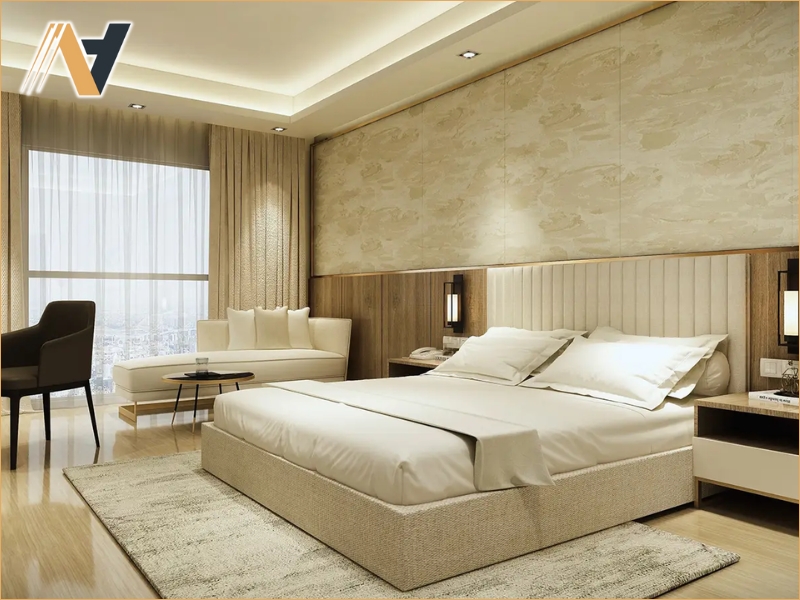
Low-cost hotel furniture often comes with limited warranty coverage and minimal after-sales support. These constraints transfer long-term risk from suppliers to hotel operators, increasing hidden costs over the furniture lifecycle.
5.1 Short or Restrictive Warranty Terms
Warranties associated with low-cost furniture frequently cover only basic defects and short timeframes. When issues arise outside these limits, hotels bear the full cost of repair or replacement.
5.2 Slow Response to Defects and Failures
Suppliers focused primarily on volume and price may lack the resources to respond quickly to quality issues. Delayed resolutions extend downtime and disrupt hotel operations.
5.3 Lack of Long-Term Manufacturing Partnership
Transactional sourcing relationships offer little accountability beyond delivery. Without a long-term manufacturing partner, hotels lose opportunities for continuous improvement and performance optimization.

Conclusion
Choosing low-cost hotel furniture may appear economical at the outset, yet it often leads to hidden expenses throughout the operational lifecycle. When furniture quality, construction, and support are aligned with real hotel demands, long-term costs can be better controlled.
For projects seeking durable and reliable solutions, Ngoc Hoang Anh provides thoughtfully engineered Vietnam hotel furniture designed to support sustainable hotel operations.
Contact us to receive expert guidance and custom-made furniture solutions for the hospitality industry.
-----
NGOC HOANG ANH TRADING COMPANY LIMITED
Tax Code: 3702874413
Address: No. 288/28/10 Huynh Van Luy Street, Zone 7, Phu Loi Ward, Ho Chi Minh City, Vietnam
Warehouse: No. 1/91, Thuan Giao 02 Street, Binh Thuan 2 Residential Quarter, Thuan Giao Ward, Ho Chi Minh City, Vietnam
Phone/Whatsapp/Wechat: +84342076666
Email: info@ngochoanganh.com.vn