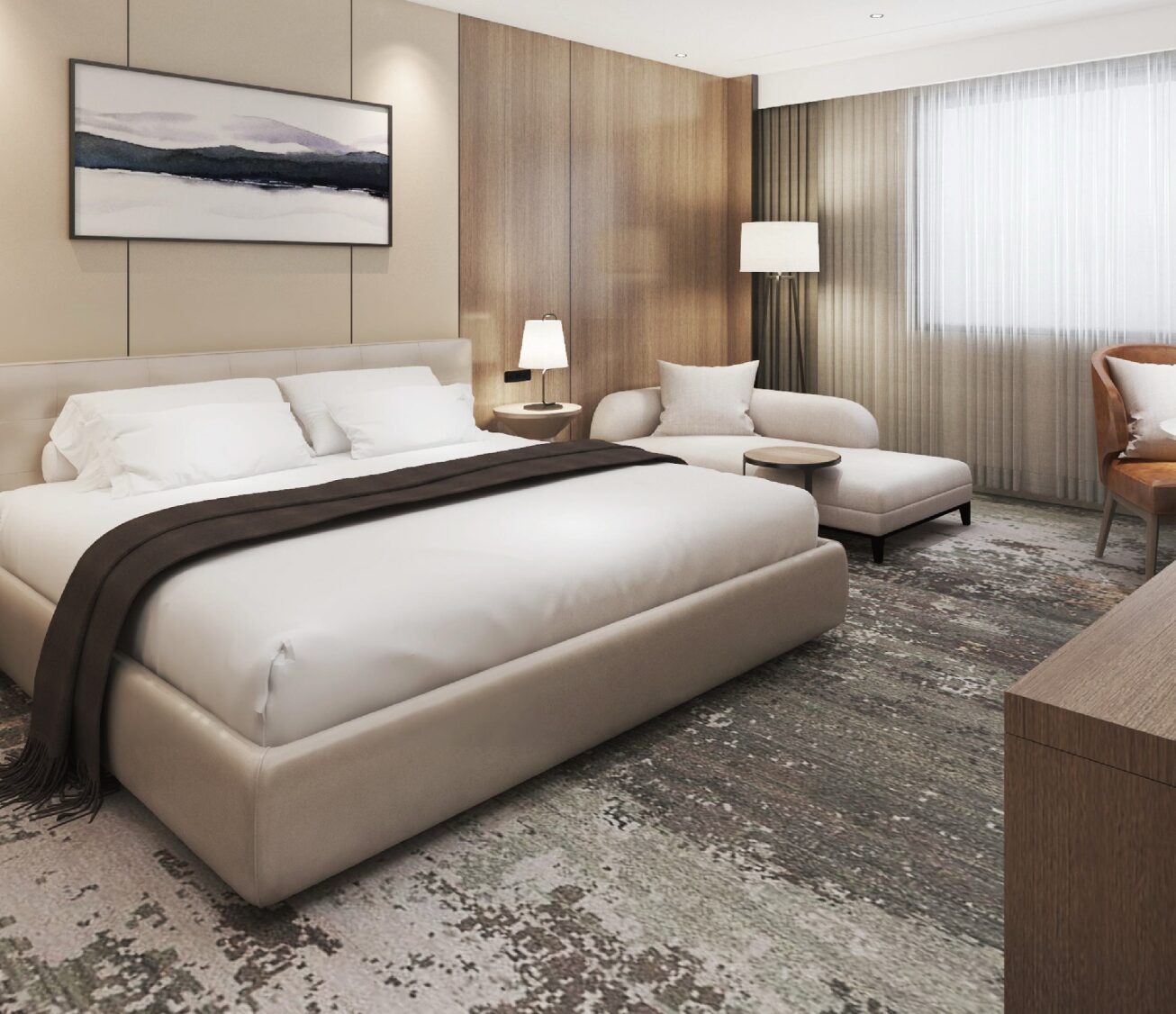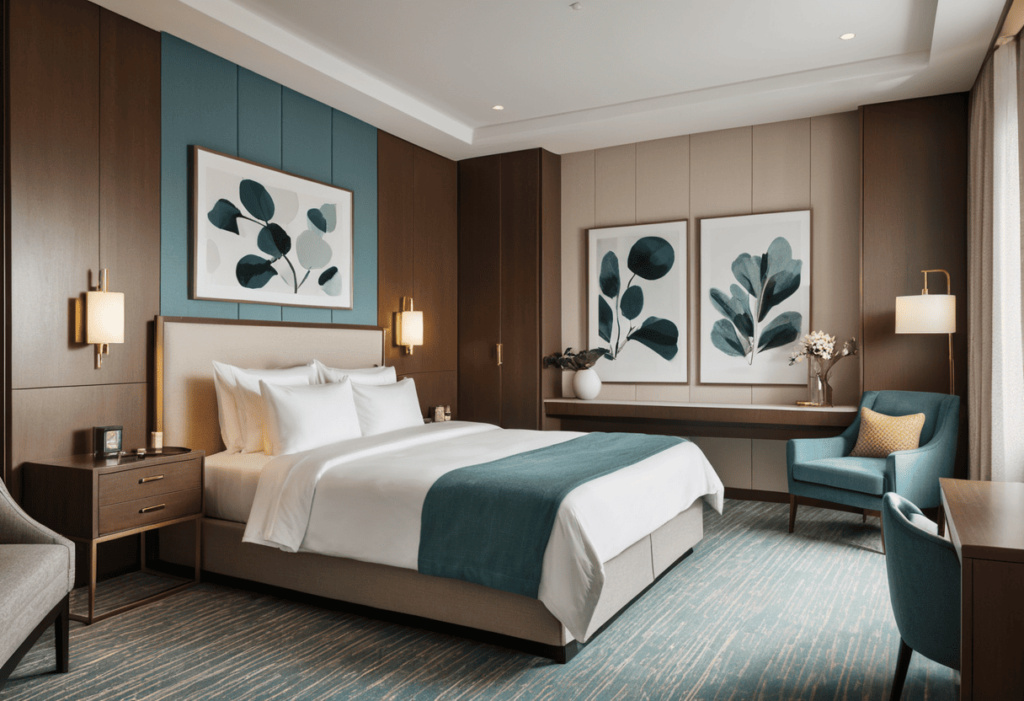
Comparing ready-made and custom-made hotel furniture
Thứ 5, 18/12/2025
Administrator
342
Comparing ready-made and project-based hotel furniture is an important consideration in hotel development and renovation. Each approach affects design consistency, operational performance, and lifecycle cost. This article from Ngoc Hoang Anh provides an overview to support informed decision-making.
1. Design Control and Brand Expression
Furniture plays a critical role in translating a hotel’s design vision into a cohesive and memorable guest experience. The level of control over design details largely determines how well interiors express brand identity and maintain visual consistency over time.
1.1 Standardized Aesthetics of Ready-Made Furniture
Ready-made furniture is produced in fixed designs intended for broad market use. While this approach offers convenience, it often limits a hotel’s ability to reflect a unique design concept or align precisely with brand standards.
1.2 Custom Design Alignment in Project-Based Furniture
Project-based furniture is developed in response to specific design briefs. Dimensions, materials, finishes, and detailing can be tailored to support the hotel’s architectural language and positioning, resulting in a more cohesive interior narrative.
1.3 Ability to Adapt To Unique Architectural Conditions
Hotels frequently feature non-standard room layouts and spatial constraints. Project-based production allows furniture to be adjusted to fit these conditions, whereas ready-made options may require compromises in proportion or placement.
1.4 Visual Consistency Across Guestrooms and Public Spaces
Maintaining a unified design language across different areas of a hotel is essential for brand perception. Project-based furniture enables consistent detailing and finishes throughout the property, reducing visual fragmentation.

2. Operational Suitability in Daily Hotel Use
Beyond aesthetics, hotel furniture must function efficiently within daily operations. Differences between ready-made and project-based furniture become more apparent once pieces are exposed to housekeeping routines, guest behavior, and continuous use.
2.1 Operational Limitations of Off-The-Shelf Furniture
Ready-made furniture is typically designed for general use rather than hotel-specific workflows. Fixed dimensions and construction details may not accommodate frequent movement, cleaning, or room turnover, leading to faster wear.
2.2 Furniture Engineered Specifically for Hospitality Workflows
Project-based furniture is developed with operational realities in mind. Details such as reinforced joints, accessible surfaces, and practical proportions support housekeeping efficiency and reduce handling-related damage.

3. Durability and Lifecycle Performance
Hotel furniture is subjected to intensive daily use, making durability a critical factor when comparing ready-made and project-based solutions. Construction quality and material selection directly influence how well furniture performs over time.
3.1 Material and Construction Compromises in Ready-Made Furniture
Mass-produced furniture often prioritizes cost efficiency, which can result in lighter frames, simplified joinery, and lower-grade materials. These compromises may limit durability under continuous hotel use.
3.2 Reinforced Structures in Project-Based Production
Project-based furniture is typically built to hospitality-grade standards, with reinforced internal frames and carefully selected materials designed to withstand repeated stress and high occupancy levels.
3.3 Impact on Maintenance Frequency and Replacement Cycles
Furniture with higher durability requires fewer repairs and maintains its appearance longer. Over time, this reduces maintenance demands and extends replacement cycles, supporting more predictable asset planning.
.jpg)
4. Cost Structure and Long-Term Value
While initial pricing often drives furniture selection, the long-term financial impact varies significantly between ready-made and project-based solutions. Evaluating total lifecycle cost provides a clearer view of overall value.
4.1 Lower Upfront Investment of Ready-Made Furniture
Ready-made furniture typically offers attractive entry pricing and shorter procurement timelines. This can be suitable for projects with limited budgets or tight schedules.
4.2 Hidden Operational and Replacement Costs
Lower initial cost may be offset by higher maintenance demands and earlier replacement. Over time, these expenses can exceed the savings achieved at procurement.
4.3 Predictable Long-Term Budgeting with Project-Based Solutions
Project-based furniture allows costs to be planned across the furniture lifecycle. Longer service life and reduced maintenance support more stable financial forecasting.
4.4 Return on Investment Over The Furniture Lifecycle
When durability, performance, and brand consistency are considered together, project-based furniture often delivers stronger long-term return on investment for hotel projects.
5. Lead Time, Coordination, and Supplier Partnership
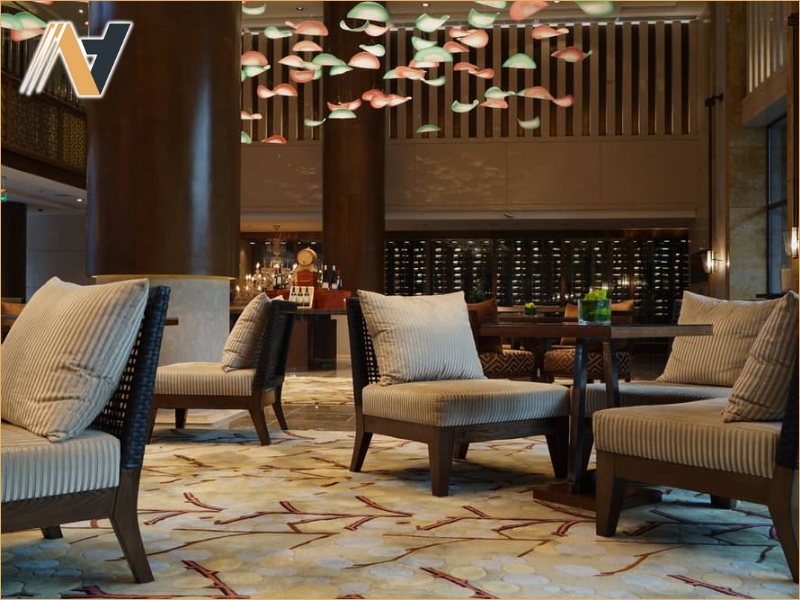
Furniture sourcing must align not only with opening schedules but also with long-term operational needs. Differences between ready-made and project-based furniture become evident in coordination, flexibility, and ongoing support.
5.1 Immediate Availability Versus Coordinated Production Timelines
Ready-made furniture can often be sourced quickly from existing inventory. In contrast, project-based furniture follows a coordinated production schedule that aligns with design development and construction milestones.
5.2 Integration with Design and Construction Schedules
Project-based manufacturing allows furniture specifications to evolve alongside architectural and interior design development. This integration reduces misalignment and last-minute compromises during fit-out.
5.3 After-Sales Support and Long-Term Manufacturing Partnership
Project-based furniture suppliers typically offer dedicated after-sales support and technical follow-up. A long-term manufacturing partnership enables performance optimization and consistent quality across future projects.
Conclusion
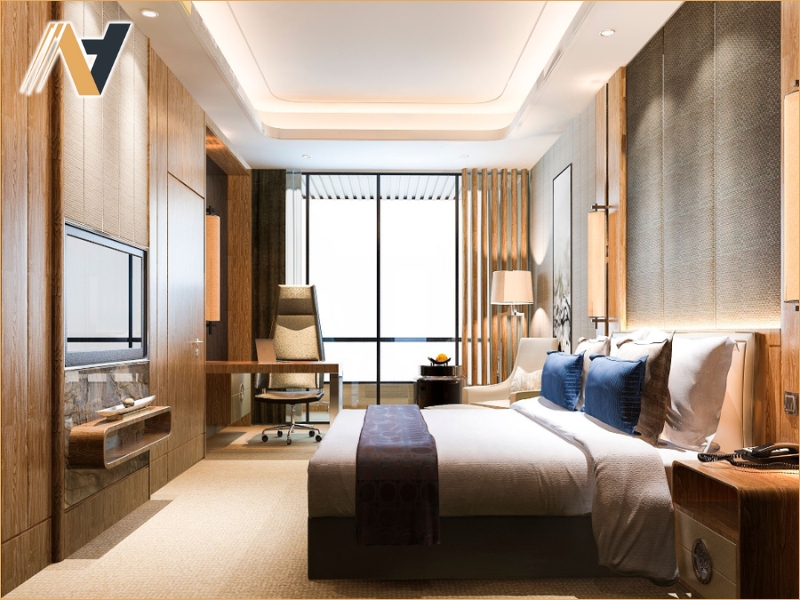
Choosing between ready-made and project-based hotel furniture depends on project scale, design objectives, and long-term operational priorities. While ready-made options may suit short-term needs, project-based solutions offer greater control over quality, durability, and brand consistency.
For hotels seeking tailored solutions, Ngoc Hoang Anh provides Vietnam hotel furniture OEM developed to align with both design intent and operational performance.
Reach out today for specialist consultation and bespoke furniture production designed for hospitality projects.
-----
NGOC HOANG ANH TRADING COMPANY LIMITED
Tax Code: 3702874413
Address: No. 288/28/10 Huynh Van Luy Street, Zone 7, Phu Loi Ward, Ho Chi Minh City, Vietnam
Warehouse: No. 1/91, Thuan Giao 02 Street, Binh Thuan 2 Residential Quarter, Thuan Giao Ward, Ho Chi Minh City, Vietnam
Phone/Whatsapp/Wechat: +84342076666
Email: info@ngochoanganh.com.vn