Common Mistakes When Buying Hotel Furniture from Foreign Catalogs
Thứ 4, 24/12/2025
Administrator
363
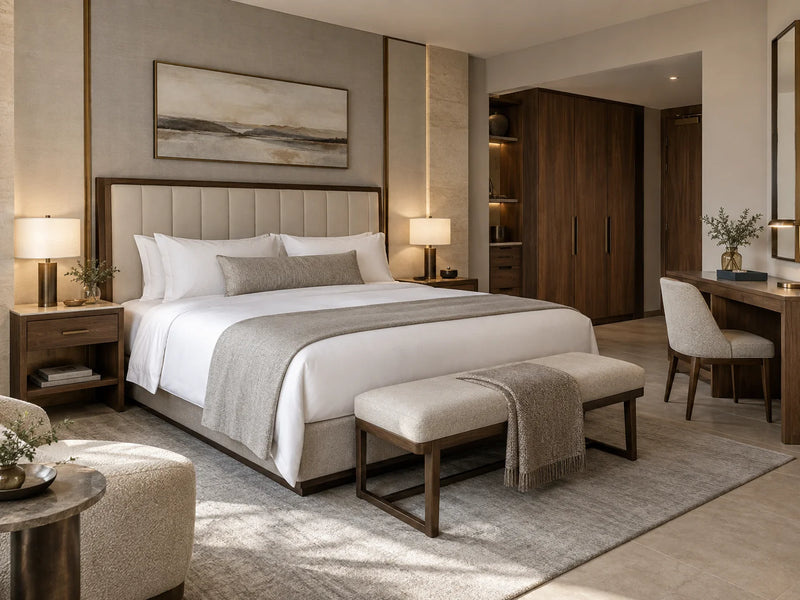
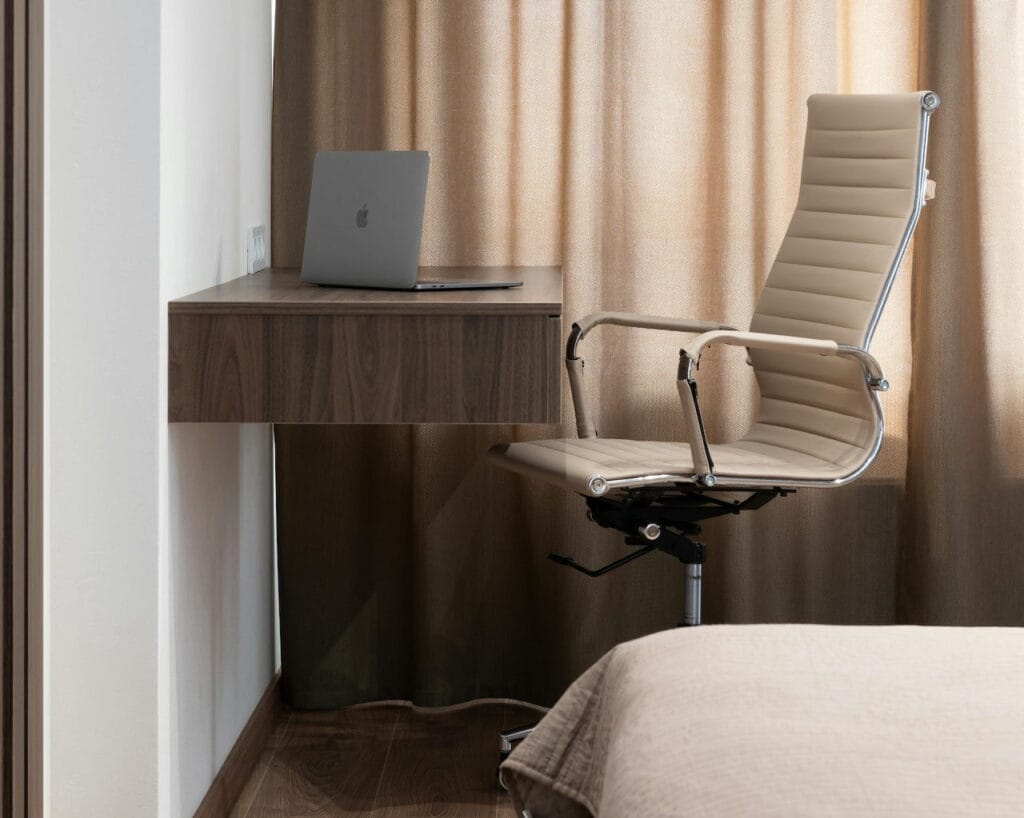
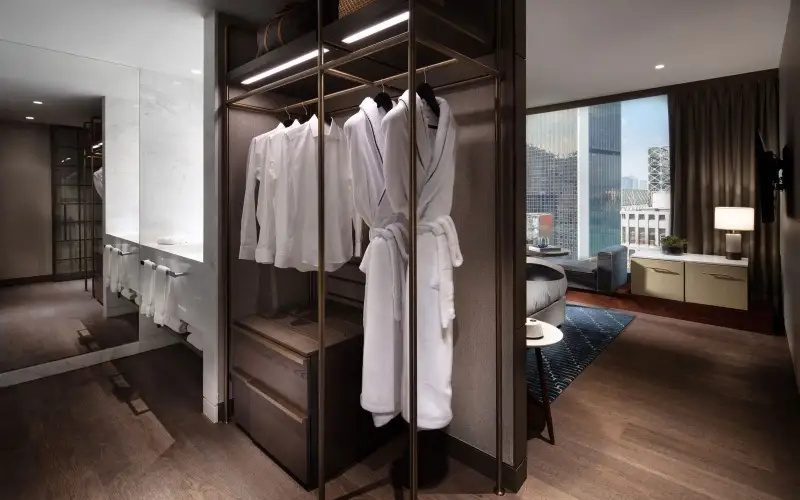
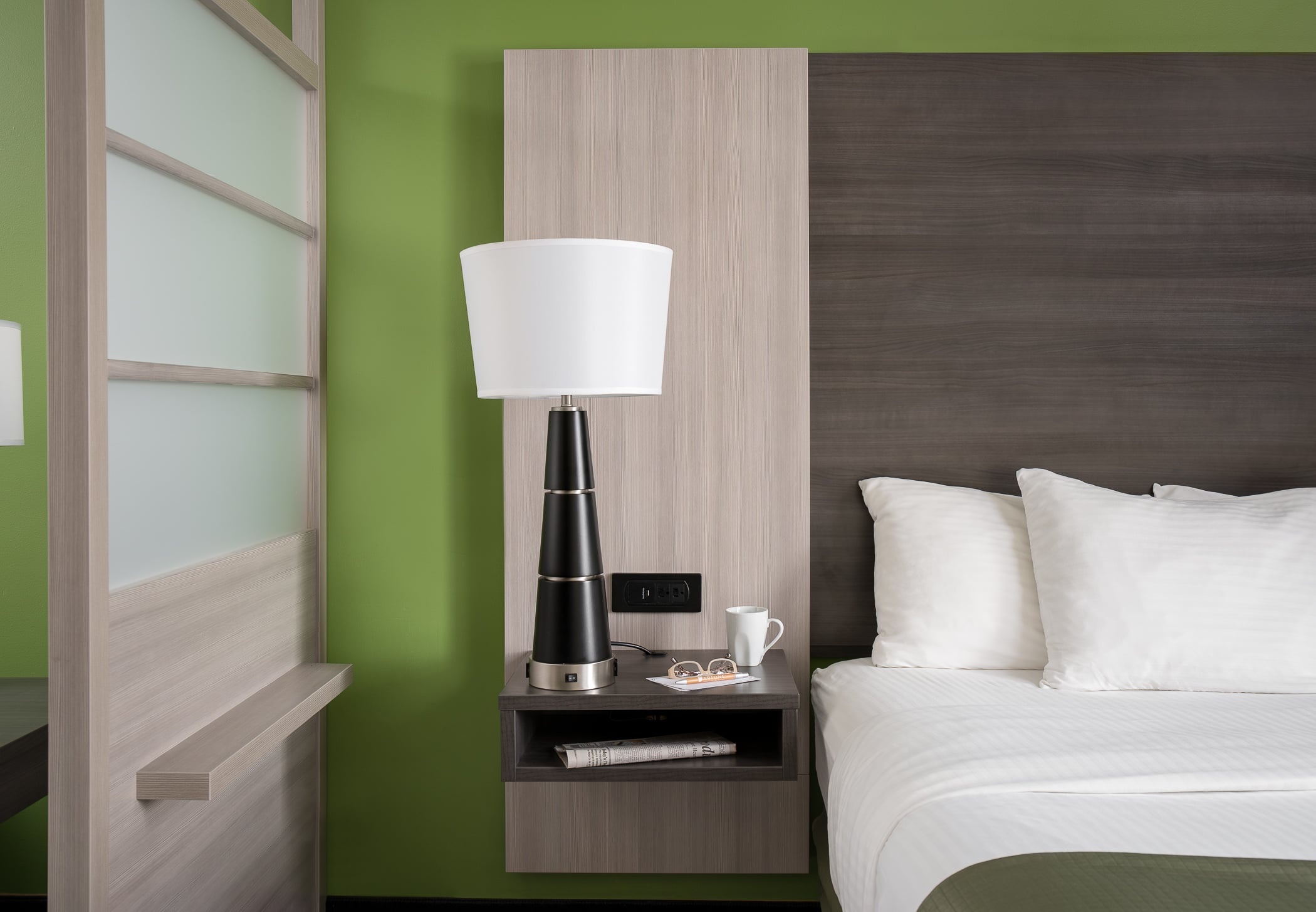
Common mistakes when buying hotel furniture from foreign catalogs occur when visual appeal outweighs practical evaluation. While overseas catalogs may inspire design ideas, they often overlook local operational conditions. This article from Ngoc Hoang Anh outlines key risks hotels should understand before making procurement decisions.
1. Design Mismatch with Local Hotel Operations
Hotel furniture featured in foreign catalogs is often developed based on specific market assumptions. When applied directly to local hotel projects, these designs may not align with actual operational workflows and usage patterns.
1.1 Design Concepts Detached from Daily Hotel Use
Catalog designs frequently prioritize visual presentation over functional durability. Details that appear refined in staged photography may not withstand repetitive guest use and intensive housekeeping routines.
1.2 Furniture Proportions Unsuitable for Local Room Sizes
Standard dimensions in foreign catalogs may not correspond with local room layouts. Oversized or poorly proportioned furniture can restrict circulation, reduce usability, and compromise overall room comfort.
1.3 Limited Consideration for Housekeeping and Maintenance
Furniture designed without operational input often overlooks ease of cleaning and handling. This increases labor time, accelerates wear, and adds hidden operational costs throughout the furniture lifecycle.
2. Materials and Construction Not Adapted to Climate Conditions
Furniture showcased in foreign catalogs is often designed for climates very different from local hotel environments. When materials and construction methods are not adapted accordingly, long-term performance can be significantly compromised.
2.1 Sensitivity of Imported Materials to Humidity and Temperature
Wood, veneers, and composite materials specified for dry or temperate climates may react poorly in humid or tropical conditions. Swelling, warping, and joint separation commonly occur when climate adaptation is not considered.
2.2 Finish Performance Under Intensive Cleaning Routines
Finishes presented in catalogs are often tested under limited-use scenarios. In hotel operations, frequent cleaning with chemicals and moisture exposure can quickly degrade surfaces not formulated for hospitality-grade maintenance.
3. Cost Escalation Beyond Initial Quotation
Foreign furniture catalogs often present pricing that appears competitive at first glance. However, the total cost of ownership frequently increases once logistics, adaptation, and operational risks are fully accounted for.
3.1 Import Duties, Logistics, and Lead Time Risks
Catalog pricing rarely includes import taxes, customs procedures, and extended logistics timelines. Delays and additional costs can disrupt project schedules and strain budgets.
3.2 Hidden Costs from Modifications and Rework
Furniture sourced from catalogs may require dimension changes, material substitutions, or construction adjustments to meet local standards. These modifications add unplanned costs and complicate coordination.
3.3 Replacement Risks Due to Limited Spare Availability
When components fail, sourcing matching replacements from overseas suppliers can be time-consuming or impossible. Limited spare availability often forces full replacement rather than repair, increasing long-term expenditure.
4. Lack of Customization and Design Flexibility
Foreign catalog furniture is typically developed as standardized products. When applied to hotel projects with specific design and operational requirements, this lack of flexibility can limit both functionality and brand expression.
4.1 Restricted Dimension and Finish Options
Catalog products often offer limited size ranges and predefined finishes. These constraints make it difficult to fine-tune proportions, materials, or colors to suit individual spaces and design intent.
4.2 Inability to Align Fully with Brand Identity
Hotels rely on cohesive design language to reinforce brand positioning. Standard catalog furniture may conflict with architectural details or interior concepts, resulting in a fragmented visual experience.
4.3 Challenges in Achieving Visual Consistency Across Spaces
Maintaining consistency between guestrooms, public areas, and back-of-house spaces requires coordinated specifications. Catalog-based sourcing across multiple suppliers often leads to variations in tone, material, and detailing.

5. Limited Accountability and After-Sales Support
When hotel furniture is sourced from foreign catalogs, long-term accountability often becomes unclear. Distance, supplier structure, and limited local presence can significantly affect after-sales support and operational continuity.
5.1 Warranty Limitations for Overseas Suppliers
Warranty terms offered by overseas suppliers are often restrictive and difficult to enforce locally. Claims may involve lengthy approval processes, high replacement costs, or exclusions that shift risk to hotel operators.
5.2 Delayed Response to Quality and Performance Issues
Addressing defects or performance issues with foreign suppliers typically requires extended communication and logistics coordination. Delayed responses can prolong room downtime and disrupt hotel operations.
5.3 Absence of Long-Term Manufacturing Partnership
Catalog-based sourcing is usually transactional rather than partnership-driven. Without a long-term manufacturing relationship, hotels lose opportunities for continuous improvement, design refinement, and consistent quality across future projects.
Conclusion
Purchasing hotel furniture based solely on foreign catalogs can introduce risks that extend far beyond visual mismatch. Differences in climate, operational demands, cost structure, and after-sales accountability often result in higher long-term expenses and performance challenges.
By working with a local manufacturing partner experienced in hospitality projects, hotels can better align design intent with operational realities and long-term value. Ngoc Hoang Anh provides thoughtfully engineered Vietnam hotel furniture developed to meet local conditions while maintaining international design standards.
Contact us today for expert consultation and bespoke hospitality furniture production.
-----
NGOC HOANG ANH TRADING COMPANY LIMITED
Tax Code: 3702874413
Address: No. 288/28/10 Huynh Van Luy Street, Zone 7, Phu Loi Ward, Ho Chi Minh City, Vietnam
Warehouse: No. 1/91, Thuan Giao 02 Street, Binh Thuan 2 Residential Quarter, Thuan Giao Ward, Ho Chi Minh City, Vietnam
Phone/Whatsapp/Wechat: +84342076666
Email: info@ngochoanganh.com.vn