Common Electrical Mistakes in Minibar Cabinet Design
Thứ 3, 06/01/2026
Administrator
335
Electrical layout inside minibar cabinets is often treated as a minor technical detail, yet it directly affects safety, energy efficiency, and equipment lifespan. Poorly positioned power outlets and cables can lead to overheating, difficult maintenance, and long-term operational risks. This article from Ngoc Hoang Anh examines the most common electrical mistakes found in hotel minibar cabinetry.
1. Power Outlet Placement Too Close to Heat Sources
One of the most common mistakes in minibar cabinet design is placing power outlets too close to heat-generating components. This oversight creates thermal stress on electrical connections and increases long-term safety and performance risks.
1.1 Outlet Positioned Behind the Minibar Unit
Placing the outlet directly behind the minibar restricts airflow and exposes the socket to continuous heat. Over time, this can degrade electrical components and make unplugging difficult during servicing.
1.2 Exposure to Heat from Compressor and Condenser Areas
Minibar compressors and condensers release heat during operation. When outlets and plugs are positioned within these zones, prolonged heat exposure increases the risk of insulation damage and electrical failure.
1.3 Reduced Airflow Around Electrical Components
Electrical elements placed in tight, unventilated areas disrupt airflow designed for cooling. This heat accumulation not only affects the minibar’s efficiency but also shortens the lifespan of plugs, cables, and sockets.

2. Inadequate Cable Routing and Management
Poor cable routing inside minibar cabinets is a frequent but often overlooked issue. Without proper planning, power cables can become safety hazards and significantly complicate maintenance and daily operations.
2.1 Loose or Tangled Power Cables
Cables left loose inside the cabinet may shift during minibar operation or housekeeping handling. Tangled wiring increases wear on insulation and creates unnecessary strain on plugs and sockets over time.
2.2 Cables in Contact with Hot Surfaces
When power cables touch compressors, condensers, or heated cabinet panels, insulation can degrade prematurely. Continuous heat exposure raises the risk of short circuits and electrical malfunction.
2.3 Lack of Protective Conduits or Clips
Without clips, conduits, or dedicated cable channels, wiring lacks positional stability. Proper cable management systems help secure cables away from heat sources and moving components, improving long-term safety and serviceability.
3. Lack of Accessible Power Cut-Off for Maintenance
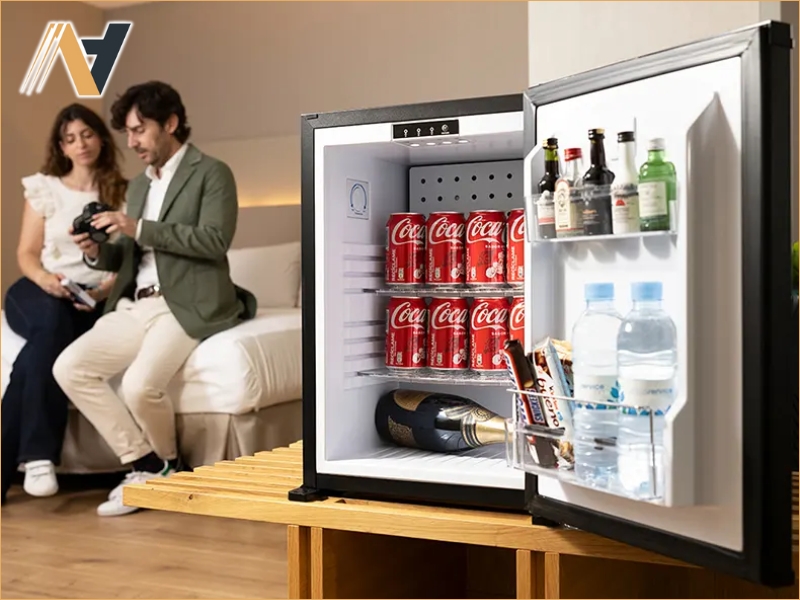
Safe minibar maintenance depends on the ability to quickly disconnect power. When power cut-off points are poorly positioned, routine servicing becomes risky and inefficient for both technicians and housekeeping teams.
3.1 Power Outlets Hidden Behind Fixed Panels
Outlets concealed behind fixed cabinet panels require partial disassembly to access. This increases service time and raises the risk of damaging finishes during maintenance interventions.
3.2 Difficult Disconnection During Repairs
When plugs are hard to reach, technicians may be forced to work on powered equipment. This practice compromises safety and increases the likelihood of electrical faults during repairs.
3.3 Increased Risk During Emergency Situations
In the event of overheating, short circuits, or equipment failure, immediate power isolation is critical. Poorly accessible cut-off points delay response time and heighten safety risks within the guestroom.
4. Improper Ventilation Around Electrical Components
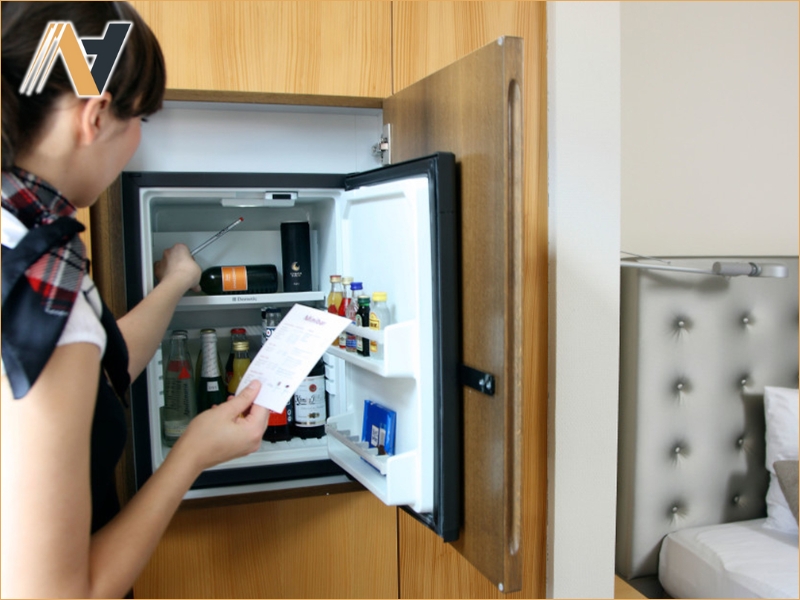
Electrical components inside minibar cabinets generate heat during normal operation. When ventilation is poorly designed, heat accumulates around wiring and outlets, increasing safety risks and reducing system reliability.
4.1 Electrical Components Blocking Ventilation Paths
Poor placement of sockets, plugs, or cable bundles can obstruct airflow intended for minibar cooling. This blockage traps heat inside the cabinet and raises internal temperatures around sensitive electrical elements.
4.2 Heat Buildup Inside Enclosed Cabinets
Fully enclosed cabinetry prevents warm air from dissipating naturally. As heat builds up, electrical insulation and connectors are exposed to prolonged thermal stress, accelerating deterioration and increasing failure risk.
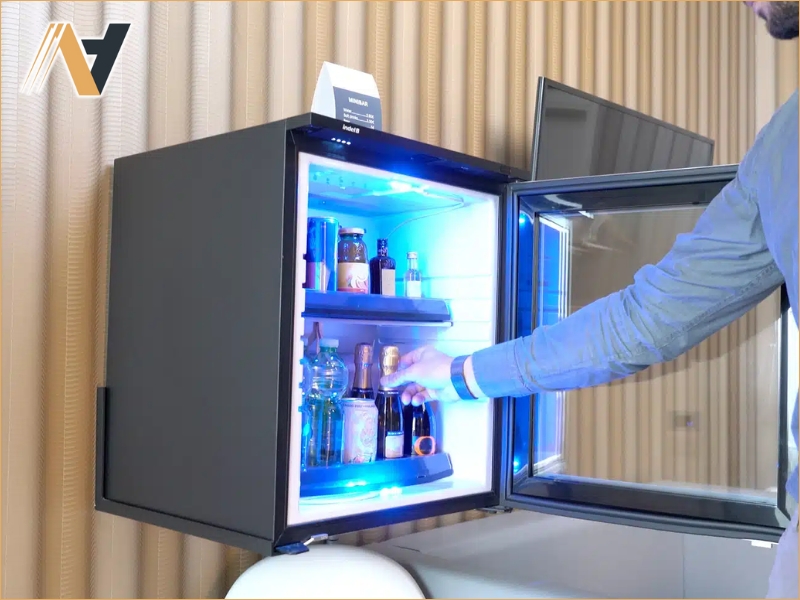
5. Poor Coordination Between Furniture Design and Electrical Planning
Many minibar electrical issues stem from late-stage coordination gaps between furniture design and electrical planning. When these disciplines are not aligned from the outset, safety, performance, and long-term flexibility are compromised.
5.1 Electrical Layout Not Aligned with Appliance Specifications
Minibar manufacturers specify clear requirements for power access, ventilation clearance, and cable routing. Ignoring these specifications during cabinet design can lead to overheating, inefficient operation, and non-compliant installations.
5.2 Mismatch Between Cabinet Dimensions and Wiring Routes
Cabinets designed without dedicated wiring paths force cables to bend sharply or pass through unsuitable openings. This mismatch increases mechanical stress on cables and complicates future servicing or replacement.
5.3 Limited Flexibility for Future Equipment Replacement
When electrical planning is tightly fixed to a single minibar model, replacing or upgrading equipment becomes difficult. Well-coordinated design allows adaptability, reducing renovation cost and minimizing disruption over the furniture lifecycle.
Conclusion
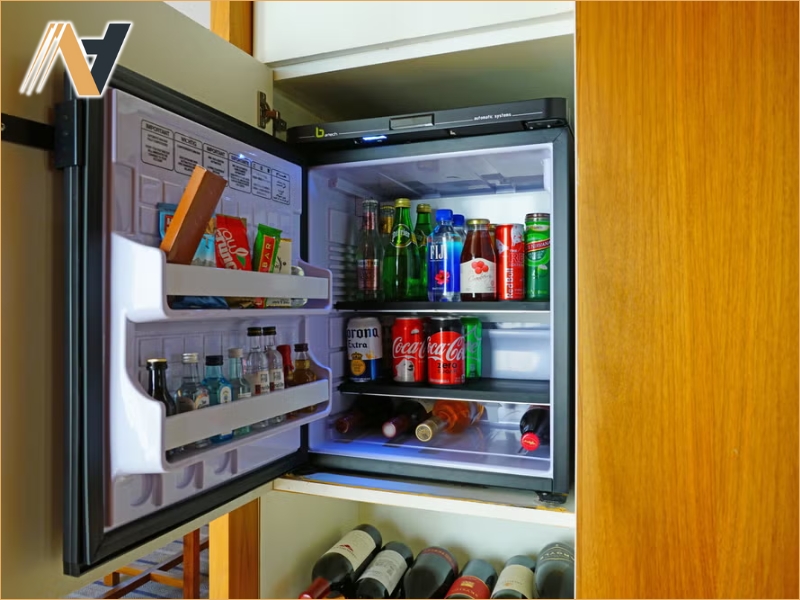
Improper placement of power outlets and electrical wiring inside minibar cabinets creates hidden risks that extend beyond immediate safety concerns. Heat exposure, restricted access, and poor cable management can increase energy consumption, accelerate equipment wear, and complicate routine maintenance. These issues often originate from design decisions made early in the furniture planning stage.
By integrating electrical planning with cabinet design from the outset, hotels can protect equipment performance, improve safety, and reduce long-term operational costs. With expertise in designing technically sound Vietnam hotel furniture, Ngoc Hoang Anh supports hotels in developing minibar cabinetry solutions that balance aesthetics, safety, and long-term reliability.
Contact us today for expert consultation and bespoke hospitality furniture production.
-----
NGOC HOANG ANH TRADING COMPANY LIMITED
Tax Code: 3702874413
Address: No. 288/28/10 Huynh Van Luy Street, Zone 7, Phu Loi Ward, Ho Chi Minh City, Vietnam
Warehouse: No. 1/91, Thuan Giao 02 Street, Binh Thuan 2 Residential Quarter, Thuan Giao Ward, Ho Chi Minh City, Vietnam
Phone/Whatsapp/Wechat: +84342076666
Email: info@ngochoanganh.com.vn