Bed Frame Structures Suitable for High-Usage Hotels
Thứ 2, 29/12/2025
Administrator
303
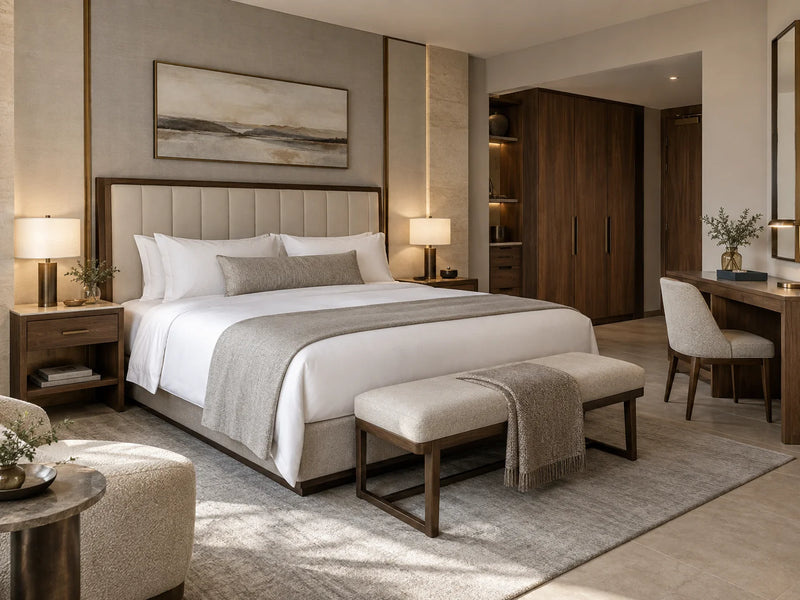
Bed frames in high-usage hotels endure constant load, frequent housekeeping handling, and continuous guest turnover. Selecting the appropriate bed frame structure is essential to ensure durability, comfort, and operational stability. This article from Ngoc Hoang Anh outlines bed frame constructions best suited for hotels with intensive use.
1. Operational Demands on Bed Frames in High-Usage Hotels
In hotels with high occupancy, bed frames are among the most heavily used furniture components. Beyond supporting guest weight, they must endure continuous movement, frequent cleaning, and long-term structural stress without compromising comfort or stability. Understanding these operational demands is essential before selecting an appropriate bed frame structure.
1.1 Continuous Load and Repetitive Stress
Hotel beds are subjected to repeated load cycles far exceeding residential use. Over time, this constant stress can weaken joints, cause frame deformation, and reduce structural integrity if the bed frame is not engineered for high-frequency use.
1.2 Impact of Housekeeping Handling and Movement
Daily housekeeping routines involve lifting mattresses, repositioning beds, and occasional dragging during cleaning. These actions place lateral stress on bed frames, making rigidity and joint reinforcement critical for long-term performance.
1.3 Long-Term Structural Fatigue in Hotel Environments
Unlike short-term residential use, hotel bed frames must maintain performance over many years. Poorly designed structures may appear stable initially but gradually develop noise, looseness, or sagging due to cumulative fatigue.
2. Solid Wood Bed Frame Construction
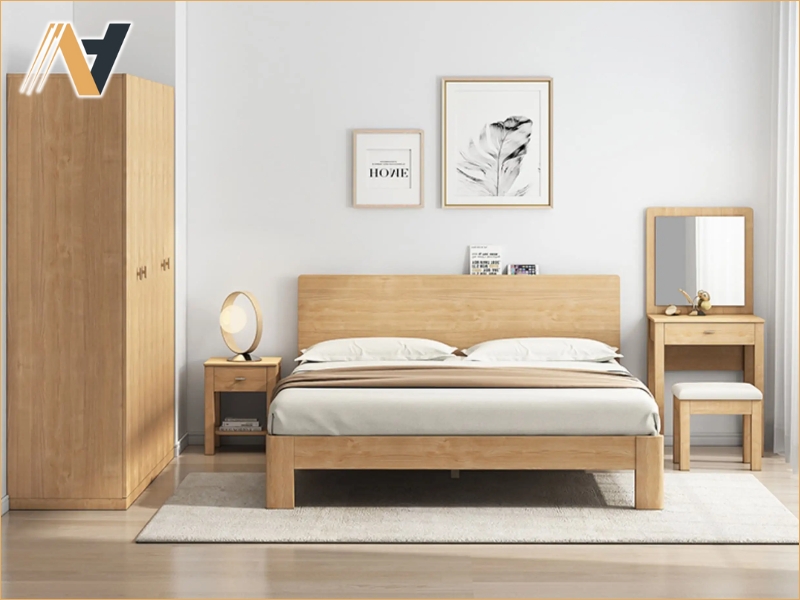
Solid wood bed frames have long been used in hospitality projects due to their natural strength and load-bearing capability. When properly engineered, solid wood structures can deliver excellent stability and long-term performance in high-usage hotel environments.
2.1 Structural Stability of Solid Hardwood Frames
Hardwood species such as oak, beech, or ash provide strong load resistance when used in bed frame construction. Their dense structure allows the frame to support repeated weight and movement without excessive flexing.
2.2 Joint Construction and Load Distribution
The performance of solid wood frames depends heavily on joint design. Mortise-and-tenon or reinforced dowel joints help distribute load evenly across the frame, reducing stress concentration at critical connection points.
2.3 Suitability for Premium and Long-Stay Hotels
Solid wood bed frames are well suited for premium hotels and long-stay properties where durability and tactile quality are equally important. Their structural strength also supports heavier mattresses and upholstered headboards commonly used in upscale guestrooms.
3. Engineered Wood and Reinforced Panel Systems
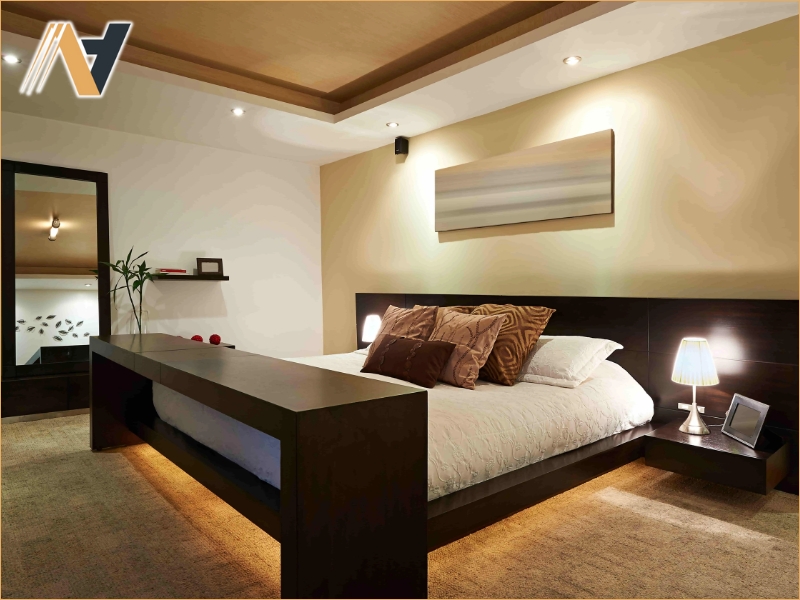
Engineered wood bed frame systems are widely used in high-usage hotels due to their dimensional stability and consistency. When combined with reinforced internal structures, these systems offer reliable performance while maintaining cost efficiency in large-scale projects.
3.1 Multi-Layer Plywood and LVL Core Structures
Multi-layer plywood and laminated veneer lumber provide controlled strength and uniform load distribution. These materials reduce weak points commonly found in solid timber while supporting repeated load cycles in hotel use.
3.2 Resistance to Warping and Moisture Movement
Engineered wood panels are less prone to warping caused by humidity and temperature changes. This stability is particularly important in hotels operating in tropical or coastal environments with high moisture levels.
3.3 Consistency in Large-Scale Hotel Projects
Engineered systems allow manufacturers to maintain consistent quality across hundreds of units. This consistency supports standardized performance, easier maintenance planning, and predictable replacement cycles in high-occupancy hotels.
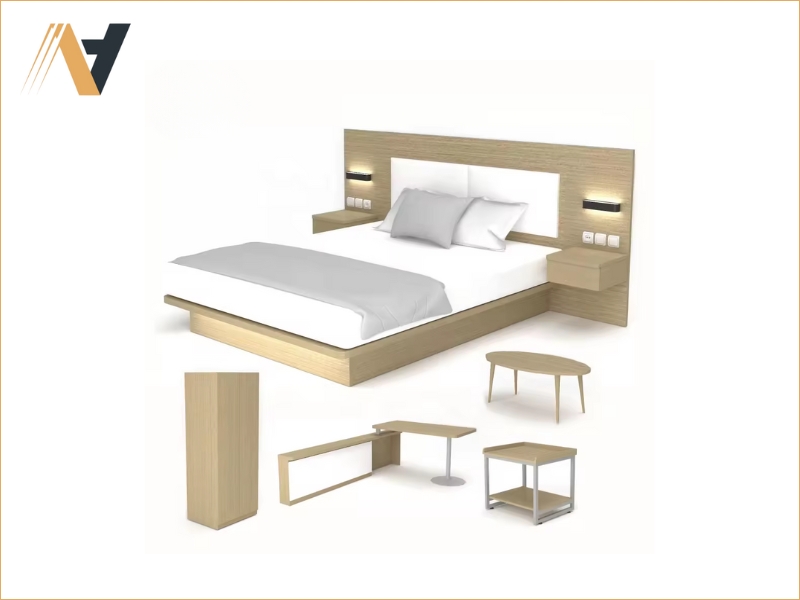
4. Metal Bed Frame Systems for High-Frequency Use
Metal bed frame systems are commonly specified for hotels with very high occupancy and frequent room turnover. Their structural consistency and load-bearing strength make them suitable for environments where durability and operational reliability are critical.
4.1 Steel Frame Load Capacity and Stability
Steel frames offer high load tolerance and minimal structural flex. Properly welded or bolted steel structures maintain stability under repeated use, reducing the risk of frame deformation over time.
4.2 Noise Control and Vibration Management
One challenge of metal frames is noise if connections are poorly designed. Hospitality-grade metal frames incorporate rubber isolators, reinforced joints, and precise tolerances to minimize squeaking and vibration during guest movement.
4.3 Integration with Upholstered Bed Bases
Metal sub-frames are often concealed within upholstered bed bases to meet design expectations. This approach combines structural strength with visual softness, making metal systems suitable for both operational and aesthetic requirements.
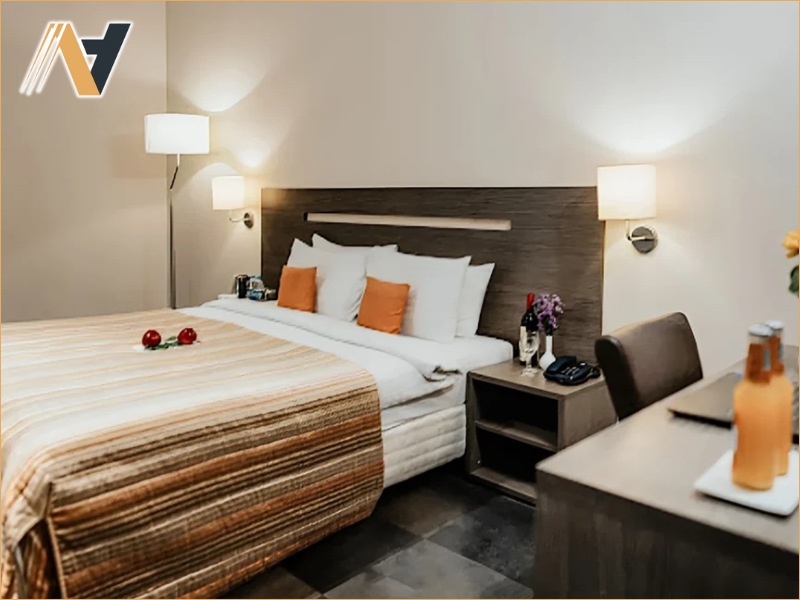
5. Hybrid Bed Frame Structures Combining Wood and Metal
Hybrid bed frame structures combine the structural strength of metal with the visual and tactile qualities of wood. This approach is increasingly favored in hotels seeking both high durability and refined design flexibility.
5.1 Metal Sub-Frames with Wooden External Panels
In hybrid systems, a steel sub-frame carries the primary load while wooden panels form the visible exterior. This separation allows the frame to withstand intensive use without compromising design aesthetics.
5.2 Improved Load Distribution and Reduced Failure Points
By assigning structural load to metal components, hybrid frames reduce stress on wooden joints. This configuration minimizes common failure points such as corner joints and side rails under repetitive use.
5.3 Flexibility for Design and Maintenance
Hybrid bed frames allow easier access for repairs and component replacement. Hotels benefit from longer service life, simplified maintenance, and greater flexibility in adapting finishes during future refurbishments.
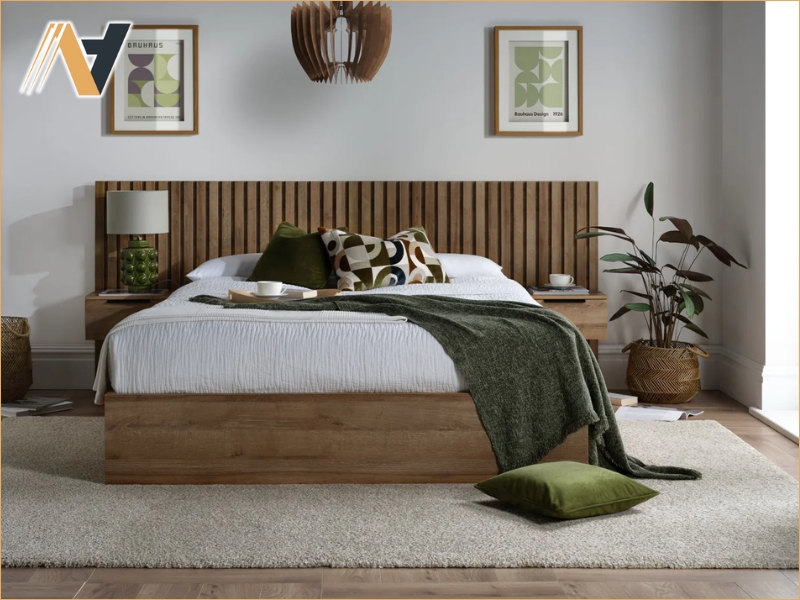
6. Key Structural Design Details That Impact Bed Frame Longevity
Beyond material selection, structural detailing determines how well a bed frame performs under continuous hotel use. Thoughtful engineering at connection points and load-bearing zones significantly extends service life and operational reliability.
6.1 Central Support Legs and Cross-Bracing Systems
Central support legs and cross-bracing reduce span stress and prevent long-term sagging. These elements are especially important for larger bed sizes subjected to repeated, uneven load distribution.
6.2 Fastening Methods and Connection Reinforcement
Bolted connections, reinforced brackets, and concealed steel plates improve joint stability. Strong fastening methods prevent loosening over time and reduce noise caused by movement and vibration.
6.3 Compatibility with Mattress and Headboard Systems
Bed frames must integrate seamlessly with mattresses and headboards to avoid uneven load transfer. Proper alignment and attachment ensure comfort consistency and protect the frame from premature structural failure.
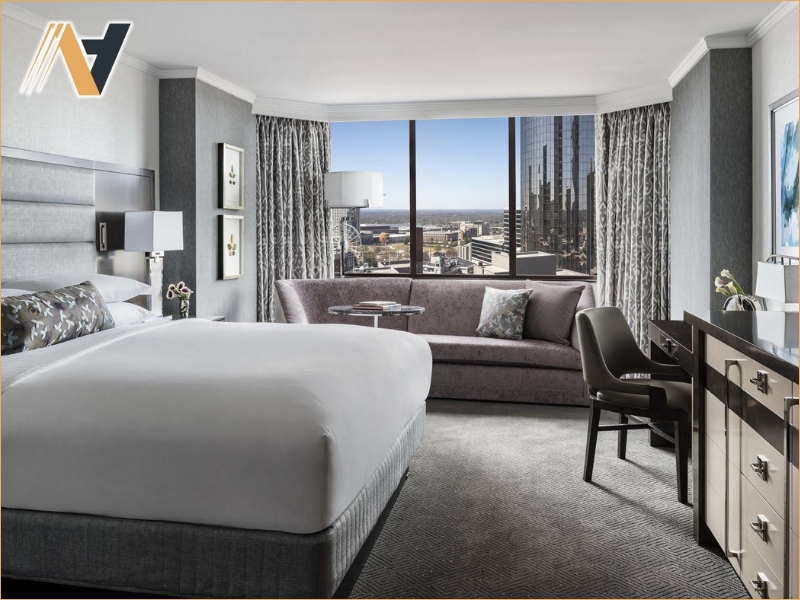
Conclusion
Selecting the right bed frame structure is a critical decision for hotels with high usage frequency. From solid wood and engineered panels to metal and hybrid systems, each structure offers different advantages in load capacity, durability, and long-term stability. Understanding operational demands and structural detailing helps hotels avoid premature failure, noise issues, and costly replacements.
By investing in bed frames engineered specifically for hospitality use, hotels can ensure consistent comfort, operational reliability, and extended service life. With expertise in manufacturing high-performance Vietnam hotel furniture, Ngoc Hoang Anh supports hotels in developing bed frame solutions tailored to intensive daily use and long-term operational efficiency.
Contact us today for expert consultation and bespoke hospitality furniture production.
-----
NGOC HOANG ANH TRADING COMPANY LIMITED
Tax Code: 3702874413
Address: No. 288/28/10 Huynh Van Luy Street, Zone 7, Phu Loi Ward, Ho Chi Minh City, Vietnam
Warehouse: No. 1/91, Thuan Giao 02 Street, Binh Thuan 2 Residential Quarter, Thuan Giao Ward, Ho Chi Minh City, Vietnam
Phone/Whatsapp/Wechat: +84342076666
Email: info@ngochoanganh.com.vn